Shop Jaws Podiatry on Amazon
Podiatrist-formulated foot-care products for fungus, calluses, and cracked heels.
Visit the Jaws Podiatry Store →As an Amazon Associate we earn from qualifying purchases.
Cutting thick toenails safely can be a challenging but manageable task at home with the right tools and technique. The key is to soften the nails first, use appropriate heavy-duty clippers, and make small, straight cuts to prevent injury and ingrown toenails. This guide from HealthyStridesHQ will walk you through the process, ensuring you can maintain your foot health with confidence.
What You’ll Need
Having the right tools is crucial for successfully and safely cutting thick toenails. Here’s a list of essentials:
- Warm Water Foot Soak: A basin or tub filled with warm water to soften the nails. You can add Epsom salts or a mild soap for an extra softening effect.
- Heavy-Duty Toenail Clippers: Standard nail clippers often aren’t strong enough for thick nails and can cause splintering or injury. Look for sturdy, podiatrist-grade clippers with a straight edge. Heavy-duty toenail clippers are designed for this purpose.
- Nail File or Emery Board: For smoothing rough edges after clipping.
- Foot Cream or Moisturizer: To hydrate your feet and nails after the process.
- Rubbing Alcohol or Antiseptic Wipes: To sanitize your tools before and after use.
- Cotton Balls or Soft Cloth: For applying antiseptics or drying feet.
- Small Brush (optional): For cleaning under the nails.
- Nail Enhancer (optional): If nail thickness is due to early fungal issues, a specialized treatment can be beneficial. Consider an undecylenic acid + tea tree oil nail enhancer. Jaws Podiatry’s Nail Enhancer is formulated for this purpose.
Shop Jaws Podiatry on Amazon
Podiatrist-formulated foot-care products for fungus, calluses, and cracked heels.
Visit the Jaws Podiatry Store →As an Amazon Associate we earn from qualifying purchases.
Step-by-Step Guide: How to Cut Thick Toenails Safely
Follow these steps carefully to ensure a safe and effective toenail trimming experience.
Prepare Your Feet and Tools
- Sanitize Your Tools: Before you begin, thoroughly clean your toenail clippers and any other tools with rubbing alcohol or an antiseptic wipe. This prevents the transfer of bacteria or fungi.
- Soak Your Feet: Fill a basin with warm water and soak your feet for 10-20 minutes. This is perhaps the most critical step for thick nails, as it softens them significantly, making them much easier and safer to cut. You can add a few drops of mild soap or Epsom salts to the water.
- Dry Your Feet Thoroughly: After soaking, use a clean towel to dry your feet completely, paying special attention to the areas between your toes. Damp skin can harbor bacteria, and dry nails are less likely to slip.
Position Yourself Comfortably
- Find a well-lit area where you can comfortably reach your feet without straining. Good lighting is essential to clearly see what you’re doing and avoid accidental cuts.
Start Trimming with Care
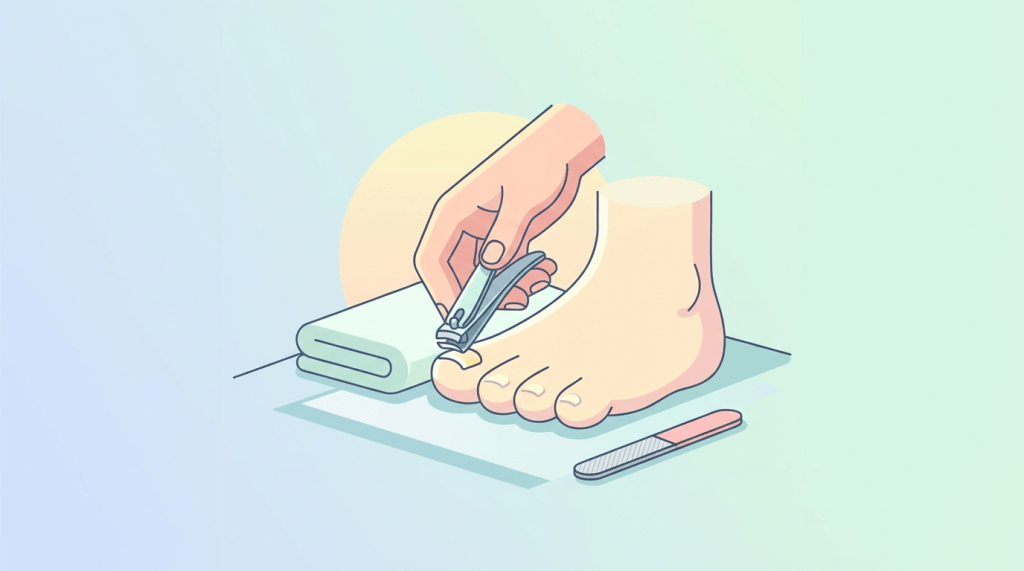
- Use the Right Clippers: Hold your heavy-duty toenail clippers firmly. Do not use standard fingernail clippers, as they are not designed for the thickness and can cause the nail to crack or splinter.
- Make Small, Straight Cuts: Instead of trying to cut the entire nail in one go, make several small cuts across the nail. Always cut straight across, never rounding the corners or cutting down the sides. Cutting straight helps prevent ingrown toenails.
- Avoid Cutting Too Short: Leave a small amount of the white tip of the nail. Cutting too close to the quick can cause pain, bleeding, and increase the risk of infection.
- Address Specific Thickness: If a part of the nail is exceptionally thick, you might need to make very small, careful snips to gradually reduce its bulk. Be patient and take your time.
Smooth and Finish
- File the Edges: Once you’ve clipped all your nails, use a nail file or emery board to gently smooth any rough or sharp edges. This prevents snags and reduces the risk of further injury or tearing.
- Clean Under the Nails: Carefully use a nail brush or the tip of a clean nail file to remove any debris from under the nail. Be gentle to avoid pushing debris further in or injuring the nail bed.
Post-Care and Maintenance
- Moisturize: Apply a good quality foot cream or moisturizer to your feet and nails. This helps keep the skin and nails hydrated and healthy.
- Consider a Nail Enhancer: If your thick nails are due to early signs of fungal infection, regularly applying a specialized nail enhancer can help improve nail health and appearance. Jaws Podiatry’s Nail Enhancer is a popular choice for its undecylenic acid and tea tree oil formulation.
- Clean Tools Again: Sanitize your clippers and other tools again after use to keep them hygienic for next time.
Mistakes to Avoid
To ensure you cut thick toenails safely and effectively, be aware of these common pitfalls:
- Cutting Too Short: This is a primary cause of pain, bleeding, and ingrown toenails. Always leave a small white tip.
- Rounding the Corners: Cutting the nail in a curved shape, especially down the sides, encourages the nail to grow into the skin, leading to painful ingrown toenails. Always cut straight across.
- Using Improper Tools: Regular fingernail clippers or blunt scissors are inadequate for thick toenails and can cause the nail to crack, splinter, or result in an uneven cut. Invest in proper heavy-duty clippers.
- Cutting Dry Nails: Attempting to cut thick, dry nails can be extremely difficult, painful, and often leads to splintering, cracking, or even tearing of the nail. Always soak your feet first.
- Ignoring Pain or Discomfort: If you feel pain while cutting, stop immediately. You might be cutting too close to the skin or the quick. Reassess your approach.
- Reusing Unsanitized Tools: Using dirty tools can introduce bacteria or fungi into any small cuts or abrasions, leading to infection. Always sanitize your tools before and after use.
- Picking or Tearing Nails: Never pick at or tear your toenails. This can cause significant damage to the nail bed and surrounding skin.
Safety Note: If you have diabetes, neuropathy (nerve damage), poor circulation, or any other condition that affects foot health or wound healing, it is crucial to consult a podiatrist before attempting to cut thick toenails yourself. These conditions can significantly increase your risk of infection and complications from even minor cuts. A podiatrist can safely trim your nails and provide professional guidance.
Key Takeaways
- Soak First: Always soften thick toenails in warm water for 10-20 minutes before attempting to cut them.
- Use Proper Tools: Invest in heavy-duty, straight-edge toenail clippers designed for thick nails. Good quality clippers make a significant difference.
- Cut Straight Across: Trim your nails straight across, never rounding the corners, to prevent ingrown toenails.
- Avoid Cutting Too Short: Leave a small amount of the white tip to protect the nail bed and prevent pain or injury.
- Sanitize Everything: Clean your tools before and after each use to prevent infection.
- Seek Professional Help: If you have underlying health conditions or find it too difficult or painful to cut your nails safely, consult a podiatrist.
Frequently Asked Questions
Why are my toenails so thick?
Thick toenails, medically known as onychomycosis or onychogryphosis, can be caused by several factors. Common reasons include fungal infections, repeated trauma to the nail (e.g., from ill-fitting shoes or sports), aging (nails naturally thicken over time), and certain underlying medical conditions like psoriasis or poor circulation. Identifying the cause can sometimes help with prevention and treatment.
Can I use regular nail clippers for thick toenails?
It is strongly advised against using regular fingernail clippers for thick toenails. Regular clippers are not robust enough and can slip, cause the nail to splinter or crack, or result in an uneven, painful cut. They also typically have a curved edge, which is unsuitable for toenails. Heavy-duty, straight-edge toenail clippers are designed specifically for the density of thick nails and are much safer and more effective.
What if I accidentally cut myself while trimming?
If you accidentally cut yourself, immediately clean the wound with mild soap and water, then apply an antiseptic solution or ointment. Cover it with a sterile bandage. Monitor the cut closely for any signs of infection, such as increased redness, swelling, pus, or persistent pain. If you have diabetes, neuropathy, or poor circulation, or if the cut is deep or shows signs of infection, contact your doctor or podiatrist immediately.
How often should I cut thick toenails?
The frequency depends on how quickly your toenails grow and how thick they are. Generally, thick toenails may need to be trimmed every 4-8 weeks. It’s best to cut them before they become uncomfortably long or start causing pressure in your shoes. Regular trimming, combined with proper care, can help manage their thickness and prevent complications.
When should I see a podiatrist for thick toenails?
You should see a podiatrist if you:
- Have difficulty or pain cutting your thick toenails safely.
- Notice signs of infection, such as redness, swelling, pus, or severe pain around the nail.
- Have an ingrown toenail that is painful or infected.
- Have underlying health conditions like diabetes, neuropathy, or poor circulation, which put you at higher risk for complications.
- Are unsure of the cause of your nail thickness or if it’s worsening.
- Experience persistent discomfort or changes in nail appearance that concern you.


Leave a Reply