Shop Jaws Podiatry on Amazon
Podiatrist-formulated foot-care products for fungus, calluses, and cracked heels.
Visit the Jaws Podiatry Store →As an Amazon Associate we earn from qualifying purchases.
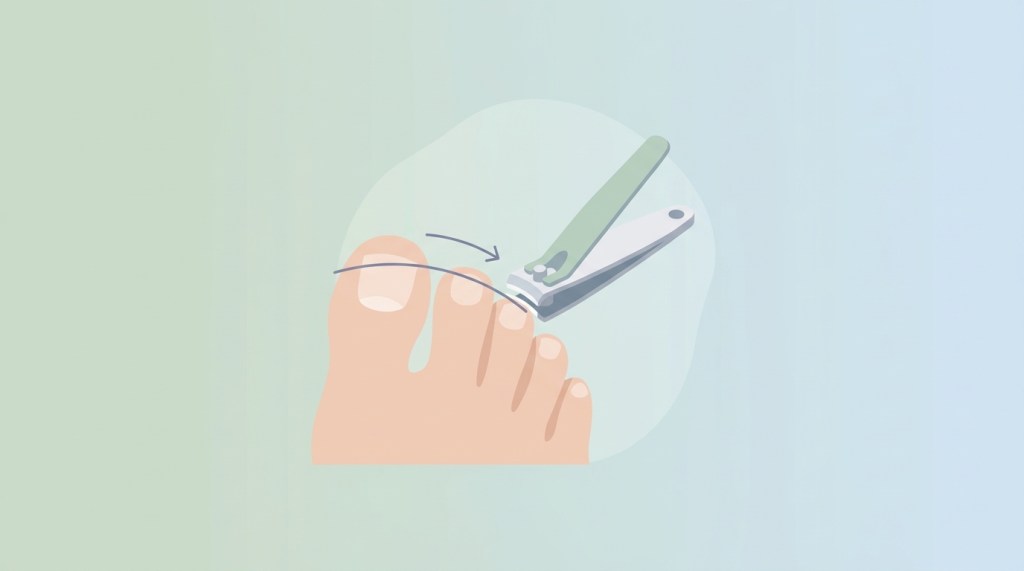
Learning how to trim toenails to prevent ingrown nails is a crucial skill for anyone prone to this painful condition. The key lies in cutting your nails straight across, not too short, and avoiding the temptation to round the corners. This method encourages the nail to grow outward, away from the skin, significantly reducing the risk of irritation and ingrown development.
What You’ll Need
Having the right tools makes all the difference in achieving a clean, safe trim that helps prevent ingrown toenails. Gather these items before you begin:
- Straight-Edge Toenail Clippers: Unlike curved fingernail clippers, straight-edge clippers are essential for the proper cutting technique. Avoid clippers that have a pronounced curve, as these can encourage the nail to grow inward. Invest in a good quality pair designed for toenails.
- Nail File (Emery Board or Glass File): For gently smoothing any sharp edges after trimming. A glass file can be more hygienic and durable. Find a reliable nail file here.
- Foot Basin or Tub: For soaking your feet to soften the nails and skin.
- Warm Water and Epsom Salts (Optional): Soaking helps soften nails, making them easier and safer to trim. Epsom salts can further relax the feet and offer mild antiseptic benefits. Grab some Epsom salts for your foot soaks.
- Clean Towel: To dry your feet thoroughly after soaking.
- Antiseptic Wipe or Rubbing Alcohol: To clean your tools before and after use, ensuring hygiene.
- Moisturizer or Foot Cream: To hydrate your feet and nails after trimming. While not directly for ingrown nail prevention, healthy skin and nails are part of overall foot care. Explore moisturizing foot creams.
- Good Lighting: Essential for clear visibility to ensure precise cuts.
Shop Jaws Podiatry on Amazon
Podiatrist-formulated foot-care products for fungus, calluses, and cracked heels.
Visit the Jaws Podiatry Store →As an Amazon Associate we earn from qualifying purchases.
Step-by-Step Guide to Trimming Toenails to Prevent Ingrown Nails
Follow these steps carefully to ensure a safe and effective trim that minimizes your risk of developing painful ingrown toenails.
Prepare Your Feet and Tools
- Soak Your Feet: Fill a foot basin with warm water (not hot) and, if desired, add a few tablespoons of Epsom salts. Soak your feet for 10-15 minutes. This softens the nails and the surrounding skin, making them more pliable and less prone to splintering or breaking during trimming.
- Clean Your Tools: Before and after each use, clean your toenail clippers and file with an antiseptic wipe or rubbing alcohol. This prevents the transfer of bacteria or fungi, which could lead to infection, especially if you accidentally nick your skin.
- Ensure Good Lighting: Sit in a well-lit area where you can clearly see your toenails. Poor visibility can lead to imprecise cuts and potential injury.
- Dry Thoroughly: After soaking, gently pat your feet dry with a clean towel, paying special attention to the spaces between your toes.
Position for Trimming
- Comfortable Posture: Sit in a comfortable chair where you can easily reach your feet without straining. Avoid bending awkwardly, which could lead to unsteady hands.
- Stabilize Your Foot: Rest your foot on a stable surface, like a low stool or the opposite knee, to keep it steady while you trim.
Perform the Straight Cut
- The Golden Rule: Cut Straight Across: This is the most critical step for how to trim toenails to prevent ingrown nails. Position your straight-edge clippers perpendicular to the nail, creating a straight line across the top of the nail. Do not curve the corners or cut them at an angle. The goal is to leave the corners of the nail slightly visible above the skin at the edges of the nail bed.
- Avoid Cutting Too Short: Leave a small amount of white tip at the end of the nail. Cutting nails too short, especially at the sides, can encourage the surrounding skin to grow over the nail, leading to an ingrown toenail as it regrows.
- Trim in Small Sections (if needed): For thicker or wider nails, you may need to make a few small, straight cuts across the nail rather than one large cut. This gives you more control and reduces the risk of tearing the nail.
- Do Not Dig into the Sides: Resist the urge to trim deeply into the sides or corners of the nail, even if you see dirt or feel pressure. This is a common cause of ingrown nails, as it creates a sharp edge that can pierce the skin as the nail grows out.
Smooth and Finish
- Gently File Edges: After trimming, use your nail file to gently smooth any sharp or jagged edges. File in one direction, from the side towards the center, to prevent splintering. The goal is a smooth, straight edge, not a rounded one.
- Inspect Your Work: Check each toenail to ensure no sharp points remain and that the corners are not cut too deeply.
Post-Trimming Care
- Moisturize: Apply a good quality foot cream or moisturizer to your feet and nails. This keeps the skin hydrated and the nails flexible.
- Wear Proper Footwear: After trimming, wear comfortable, well-fitting shoes with a wide toe box. Tight shoes can press on the toenails and contribute to ingrown nail formation, even with proper trimming. Browse comfortable, wide-toe box shoes.
- Maintain Nail Health: While not directly for ingrown nails, promoting overall nail health can help. Products like Jaws Podiatry’s Undecylenic Acid + Tea Tree Oil Nail Enhancer can support healthy nail appearance and resilience, especially if you’re prone to other nail issues that might indirectly impact nail structure. Learn more about the Jaws Podiatry Nail Enhancer.
Mistakes to Avoid
Preventing ingrown toenails is as much about what you should do as what you shouldn’t. Be mindful of these common errors:
- Cutting Nails Too Short: This is perhaps the most frequent mistake. When nails are cut too short, especially at the front, the skin at the tip of the toe can grow over the nail, creating a barrier that the growing nail then pushes into, causing an ingrown nail.
- Rounding the Corners: Trimming toenails into a rounded shape, like fingernails, is a primary cause of ingrown toenails. This encourages the nail to grow inwards into the flesh, leading to pain and potential infection. Always aim for a straight cut.
- Tearing or Ripping Nails: Never tear or rip off a toenail, even if it feels loose. This can create an uneven edge and damage the nail bed, increasing the risk of ingrown nails and infection. Always use clean, sharp clippers.
- Using Dull or Dirty Tools: Dull clippers can crush or tear the nail rather than making a clean cut. Dirty tools can introduce bacteria or fungi, leading to infections, especially if you break the skin. Always sanitize your tools.
- Ignoring Discomfort or Pain: If you feel pain or discomfort while trimming, stop immediately. Pushing through could worsen the situation. Pain is a sign that something is wrong.
- Trying to “Dig Out” an Ingrown Nail: Attempting to relieve an existing ingrown toenail by digging under it or cutting it out yourself is highly risky. This can push bacteria deeper into the skin, cause further trauma, and often leads to more severe infection. Leave treatment of existing ingrown nails to a podiatrist.
- Trimming When Nails Are Dry and Brittle: Dry nails are harder and more prone to splitting, cracking, and tearing. Always soak your feet first to soften the nails for a cleaner, safer cut.
- Wearing Ill-Fitting Shoes: Even if you trim your nails perfectly, tight shoes, especially those with narrow toe boxes, can press on the toes and force the nail into the surrounding skin, negating all your careful trimming efforts.
Safety Note: If you have diabetes, neuropathy, poor circulation, or any condition that affects foot health or wound healing, it is crucial to consult a podiatrist before attempting any DIY foot care, including trimming your toenails. These conditions can significantly increase the risk of complications from minor injuries, making professional care essential. A podiatrist can safely trim your nails and provide personalized advice.
When to See a Professional: While proper trimming techniques can prevent many ingrown nails, sometimes they still occur or become complicated. You should see a podiatrist if you experience:
- Persistent pain, redness, or swelling around a toenail.
- Pus or drainage from the affected area, indicating an infection.
- Warmth radiating from the toe.
- Fever or chills in conjunction with foot pain.
- Recurrent ingrown toenails, despite proper trimming.
- If you are unable to trim your toenails safely or effectively yourself due to vision issues, mobility limitations, or very thick/curved nails.
Key Takeaways
- Always cut toenails straight across, never rounding the corners.
- Avoid cutting nails too short; leave a small white tip.
- Soak your feet in warm water before trimming to soften nails.
- Use clean, sharp, straight-edge toenail clippers.
- Smooth any sharp edges with a nail file after trimming.
- Never attempt to “dig out” an ingrown toenail yourself; seek professional help if one develops.
- Individuals with diabetes, neuropathy, or poor circulation should consult a podiatrist for toenail care.
Frequently Asked Questions
How often should I trim my toenails?
The frequency of toenail trimming varies from person to person, depending on how quickly your nails grow. On average, most people find it sufficient to trim their toenails every 4-8 weeks. It’s best to trim them when they start to extend beyond the tip of your toe but before they become so long that they cause discomfort or catch on socks and shoes. Regular trimming ensures they don’t get too long, which can increase the risk of trauma or pressure from footwear, and allows you to maintain the proper straight-across shape.
Can I use fingernail clippers for toenails?
While it might seem convenient, it is generally not recommended to use fingernail clippers for toenails. Fingernail clippers are typically smaller and have a curved blade designed for the natural curve of fingernails. Using them on toenails can lead to several problems: they may not be strong enough for thicker toenails, can cause the nail to split or tear, and their curved shape can encourage you to cut the toenail in a rounded fashion, directly contributing to ingrown toenails. Always use dedicated, straight-edge toenail clippers for best results and to effectively learn how to trim toenails to prevent ingrown nails.
What if I already have an ingrown toenail? Can I treat it myself?
If you already have an ingrown toenail, especially one causing pain, redness, swelling, or signs of infection (pus, warmth), it is strongly advised not to attempt to treat it yourself. Digging at the nail or trying to cut it out can worsen the condition, introduce bacteria, and lead to more severe infection. Home remedies like soaking in warm water with Epsom salts may offer temporary relief for mild cases, but for persistent or infected ingrown toenails, a podiatrist should be consulted. They can safely and effectively treat the ingrown nail, often with a minor in-office procedure, and provide guidance to prevent recurrence.
Are there special clippers for very thick toenails?
Yes, there are specialized clippers designed for very thick or fungal toenails. These often feature stronger, wider jaws, a more ergonomic handle for better grip, and sometimes a spring-loaded mechanism for easier cutting. They are typically made from high-quality stainless steel for durability and sharpness. Using appropriate clippers for thick nails is essential to prevent injury and ensure a clean, straight cut. Look for heavy-duty or podiatry-grade toenail clippers specifically designed for thick nails.
Does soaking my feet really help prevent ingrown nails?
Yes, soaking your feet is a beneficial preparatory step that indirectly helps prevent ingrown nails. Soaking toenails in warm water for 10-15 minutes softens the nail plate and the surrounding skin. This makes the nails more pliable and easier to cut cleanly, reducing the likelihood of splintering, tearing, or creating sharp, jagged edges that could irritate the skin or grow inward. Softened nails are less resistant to the clippers, allowing for a smoother, more precise straight cut, which is key to preventing ingrown toenails.


Leave a Reply