Shop Jaws Podiatry on Amazon
Podiatrist-formulated foot-care products for fungus, calluses, and cracked heels.
Visit the Jaws Podiatry Store →As an Amazon Associate we earn from qualifying purchases.
Dealing with an ingrown toenail can be incredibly painful and disruptive, but for many mild cases, you can effectively learn how to treat an ingrown toenail at home with the right approach and a little patience. The core steps involve regular soaking to soften the skin, carefully lifting the nail edge, and applying antiseptic care to prevent infection, all while ensuring your footwear isn’t contributing to the problem.
What You’ll Need
Before you begin treating your ingrown toenail at home, gather the following essential supplies to ensure a clean and effective process:
- Warm Water: For soaking your foot. A basin or foot spa works well.
- Epsom Salts: To add to the warm water, helping to reduce swelling and soften the skin around the nail.
- Antiseptic Solution: Such as povidone-iodine (Betadine) or chlorhexidine, to clean the affected area and prevent infection.
- Cotton Balls or Pads: For applying antiseptic and drying the foot.
- Sterile Cotton Wisps or Dental Floss (Unwaxed): These are crucial for gently lifting the nail edge and creating a barrier.
- Straight-Edge Toenail Clippers: Essential for proper nail trimming. Avoid curved clippers for ingrown toenails. Get straight-edge clippers here.
- Small Nail File or Emery Board: (Optional) For gently smoothing any sharp edges of the nail.
- Topical Antibiotic Ointment: To apply after treatment to help prevent bacterial infection. Find a suitable antibiotic ointment.
- Sterile Bandages or Gauze: To protect the treated area. Stock up on bandages.
- Comfortable, Wide-Toed Shoes or Sandals: To avoid pressure on the affected toe during healing. Explore comfortable footwear options.
Step-by-Step Guide to Treating an Ingrown Toenail at Home
Follow these steps carefully to manage your ingrown toenail and promote healing. Remember to maintain good hygiene throughout the process.
Prepare for Treatment
- Wash Your Hands Thoroughly: Use soap and warm water to clean your hands before touching your foot.
- Sanitize Tools: Clean your nail clippers and any other tools you’ll be using with rubbing alcohol to prevent introducing bacteria.
Soak Your Foot
Soaking is a critical first step as it softens the skin and nail, making the area less painful and easier to work with.
- Fill a Basin: Use a clean basin or foot spa with warm (not hot) water.
- Add Epsom Salts: Dissolve 2-3 tablespoons of Epsom salts in the water. The magnesium sulfate in Epsom salts can help reduce inflammation and pain.
- Soak Your Foot: Submerge your affected foot in the solution for 15-20 minutes, 2-3 times a day. This will help reduce swelling, ease pain, and soften the nail and surrounding skin.
Clean and Dry the Area
After soaking, it’s essential to thoroughly clean and dry your foot before proceeding.
- Gently Pat Dry: Remove your foot from the soak and gently pat it dry with a clean towel. Ensure the affected toe and nail area are completely dry.
- Apply Antiseptic: Dip a cotton ball in your antiseptic solution and gently clean the area around the ingrown toenail. This helps kill any surface bacteria.
Carefully Lift the Ingrown Nail
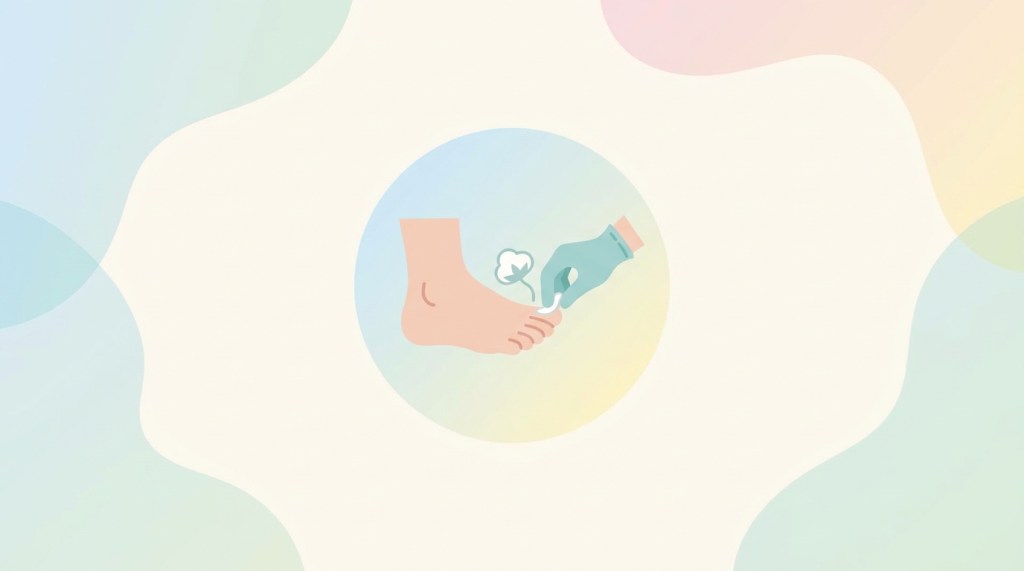
This is a delicate step. The goal is to gently lift the edge of the nail that is digging into the skin.
- Use Sterile Cotton or Floss: Take a small, sterile wisp of cotton or a piece of unwaxed dental floss.
- Gently Insert: Very carefully, try to slide the cotton wisp or floss underneath the corner of the ingrown toenail, lifting it slightly away from the skin. Do not force it if it’s too painful. The aim is to create a tiny barrier between the nail and the skin.
- Leave in Place: Leave the cotton or floss in place. This helps the nail grow over the skin rather than into it. Change this barrier daily after each soak.
Trim the Nail (If Necessary and Carefully)
Only trim the nail if it’s long enough and you can clearly see the problematic edge. Avoid cutting too short or rounding the corners.
- Use Straight-Edge Clippers: If the nail is long and the problematic corner is accessible, use straight-edge clippers to trim the nail straight across. Avoid cutting the nail too short, especially at the corners.
- Do NOT Round Corners: Rounding the corners encourages the nail to grow into the skin. Always trim straight across.
- Do NOT Dig: Never try to dig out the ingrown portion of the nail with sharp tools, as this can worsen the condition and lead to infection.
Apply Topical Antibiotic Ointment
Once the nail is lifted and trimmed (if applicable), protect the area from infection.
- Apply Ointment: Apply a thin layer of topical antibiotic ointment to the affected area, especially where the nail meets the skin.
Protect the Toe
Keep the treated area clean and protected to facilitate healing.
- Cover with Bandage: Loosely cover the toe with a sterile bandage or gauze to keep it clean and prevent friction.
- Wear Appropriate Footwear: Opt for open-toed shoes or sandals, or wide-toed, comfortable shoes that don’t put pressure on your toe. Avoid tight shoes, high heels, or anything that constricts your toes.
Repeat Daily
Consistency is key for successful home treatment.
- Continue Soaking and Dressing: Repeat the soaking, cleaning, lifting (changing the cotton/floss), applying ointment, and bandaging process daily until the pain subsides and the nail begins to grow out properly. This may take several days to a couple of weeks.
Safety Note: If you have diabetes, neuropathy, poor circulation, or a compromised immune system, you should consult a podiatrist before attempting any DIY foot care, especially involving sharp tools or lifting the nail. These conditions can significantly increase the risk of serious infection and complications.
Shop Jaws Podiatry on Amazon
Podiatrist-formulated foot-care products for fungus, calluses, and cracked heels.
Visit the Jaws Podiatry Store →As an Amazon Associate we earn from qualifying purchases.
Mistakes to Avoid When Treating an Ingrown Toenail at Home
While treating an ingrown toenail at home can be effective, certain actions can worsen the condition or lead to complications. Be sure to avoid these common pitfalls:
- Cutting the Nail Too Short or Rounding the Corners: This is one of the most common causes of ingrown toenails. Cutting the nail too short or in a curved fashion encourages the nail to grow into the surrounding skin as it lengthens. Always trim straight across and leave the corners slightly longer than the skin.
- Digging at the Nail or Cutting into the Skin: Using sharp tools like tweezers, scissors, or even regular nail clippers to dig under or around the nail, or attempting to cut away the skin, can cause further trauma, introduce bacteria, and lead to severe infection. This can also create a deeper ingrown nail.
- Ignoring Signs of Infection: While minor pain and redness are expected with an ingrown toenail, ignoring escalating symptoms of infection is dangerous. Signs of infection include increased redness, swelling, warmth, pus discharge, severe pain, or a fever. If these occur, stop home treatment and see a podiatrist immediately.
- Wearing Tight or Ill-Fitting Footwear: Shoes that are too narrow, too short, or have pointed toes can put excessive pressure on your toenails, forcing them into the surrounding skin. Continuing to wear such footwear will hinder healing and can cause recurrence.
- Using Unsanitized Tools: Any tool that comes into contact with your skin or nail should be thoroughly cleaned and sanitized with rubbing alcohol before and after each use. Failure to do so can introduce bacteria and lead to infection.
- Picking or Biting Your Toenails: This habit can lead to irregular nail growth and increase the likelihood of ingrown toenails.
- Applying Harsh Chemicals: Avoid using strong chemicals or unproven home remedies that could irritate or damage the delicate skin around your toenail. Stick to recommended antiseptic solutions and antibiotic ointments.
When to See a Professional
While many ingrown toenails can be managed at home, it’s crucial to know when to seek professional medical attention. Consult a podiatrist if you experience any of the following:
- Signs of Infection: If you notice increased redness, swelling, warmth, throbbing pain, pus drainage, or a foul odor around the toenail.
- Severe Pain: If the pain is intense, prevents you from walking comfortably, or doesn’t improve with home treatment within a few days.
- Recurring Ingrown Toenails: If you frequently develop ingrown toenails, a podiatrist can assess the cause and offer long-term solutions, such as minor surgical procedures.
- Underlying Health Conditions: As mentioned, individuals with diabetes, neuropathy, poor circulation, or a weakened immune system should always consult a podiatrist at the first sign of an ingrown toenail. Even a minor infection can quickly become serious in these cases.
- No Improvement After Home Treatment: If your ingrown toenail does not show signs of improvement after a week of consistent home care, it’s time to see a professional.
- Thickened or Discolored Nail: If the nail itself appears unusually thick, discolored, or deformed, it might indicate a fungal infection or other issue requiring professional diagnosis.
Key Takeaways
- Regularly soaking your foot in warm, Epsom salt water is crucial for reducing inflammation and softening the nail and skin.
- Gently lifting the ingrown nail edge with sterile cotton or floss can help guide the nail to grow over the skin.
- Always trim toenails straight across, not too short, and avoid rounding the corners to prevent future ingrowns.
- Maintain strict hygiene by sanitizing tools and applying antiseptic/antibiotic ointment to prevent infection.
- Wear comfortable, wide-toed shoes to avoid pressure on your toes and allow for proper healing.
- Seek professional medical attention if you notice signs of infection, have severe pain, or have underlying health conditions like diabetes.
Related Guides
Related Guides
Frequently Asked Questions
How long does it take for an ingrown toenail to heal at home?
For mild ingrown toenails, you might start to feel relief within a few days of consistent home treatment. Complete healing, where the nail grows out past the skin without causing irritation, can take 1-3 weeks. If you don’t see improvement or if symptoms worsen after a week, it’s advisable to consult a podiatrist.
Can I use Vicks VapoRub for an ingrown toenail?
While some anecdotal evidence suggests Vicks VapoRub might help with nail fungus, there’s no scientific evidence to support its use for treating an ingrown toenail. It’s not an antiseptic or an antibiotic, and its ingredients could potentially irritate the sensitive skin around an ingrown nail. It’s best to stick to proven methods like warm soaks, antiseptics, and antibiotic ointments.
What kind of shoes should I wear with an ingrown toenail?
When you have an ingrown toenail, it’s crucial to wear footwear that doesn’t put any pressure on your affected toe. Opt for open-toed shoes, sandals, or very roomy, wide-toed shoes that allow your toes plenty of space to move freely. Avoid tight-fitting shoes, high heels, or any footwear that crowds your toes, as this will exacerbate the pain and hinder healing.
How do I prevent future ingrown toenails?
Prevention is key! Always trim your toenails straight across, not too short, and avoid rounding the corners. Wear shoes that fit properly and allow ample toe room. Avoid tight socks or hosiery. If you’re prone to ingrown toenails, consider regular foot soaks and moisturizing your cuticles to keep the skin pliable.
Is it okay to cut the skin around an ingrown toenail?
No, it is generally not okay to cut the skin around an ingrown toenail. Cutting or digging into the skin can create open wounds, which dramatically increases the risk of infection and can make the problem worse. This can also lead to more scar tissue and a more persistent ingrown toenail. Focus on gently lifting the nail away from the skin and keeping the area clean, rather than attempting to cut skin or ‘dig out’ the nail.


Leave a Reply