Shop Jaws Podiatry on Amazon
Podiatrist-formulated foot-care products for fungus, calluses, and cracked heels.
Visit the Jaws Podiatry Store →As an Amazon Associate we earn from qualifying purchases.
Calluses can be a persistent and uncomfortable foot problem, but thankfully, you don’t need sharp tools to tackle them. Learning how to remove calluses without a razor safely and effectively involves a multi-step approach centered on softening the hardened skin and gently exfoliating it over time. This guide from HealthyStridesHQ will walk you through a podiatrist-approved method using readily available products and tools to achieve smoother, healthier feet.
What You’ll Need
Gathering the right supplies is the first step towards successful callus removal. Avoid improvisation with harsh or unsuitable items, which can do more harm than good.
- Foot Soaking Basin: A sturdy basin or tub large enough for both feet. check the current price on Amazon
- Warm Water: Enough to cover your feet up to the ankles.
- Epsom Salts or Foot Soak: Helps soften the skin and soothe tired feet. check the current price on Amazon
- Callus Softening Cream (Urea-based): A high-quality cream with a significant percentage of urea (e.g., 40%) to chemically break down tough skin. Consider the Jaws Podiatry 40% Urea Callus Cream, known for its effectiveness.
- Foot File or Pumice Stone: For gentle manual exfoliation. A stainless-steel foot file is often preferred for its durability and effectiveness. The Jaws Podiatry 40% Urea Callus Cream + Stainless-Steel File Kit offers a great combination. check the current price on Amazon for other options.
- Moisturizer: A rich, hydrating foot cream or lotion. check the current price on Amazon
- Clean Towel: For drying your feet.
- Comfortable Shoes & Socks: To prevent future calluses. check the current price on Amazon for comfortable, supportive shoes; check the current price on Amazon for moisture-wicking socks.
Shop Jaws Podiatry on Amazon
Podiatrist-formulated foot-care products for fungus, calluses, and cracked heels.
Visit the Jaws Podiatry Store →As an Amazon Associate we earn from qualifying purchases.
Step-by-Step Guide to Removing Calluses Without a Razor
Follow these steps carefully and consistently for the best results. Patience is key, as calluses built up over time won’t disappear overnight.
Prepare Your Feet with a Warm Soak
The first and most crucial step in safely removing calluses without a razor is to thoroughly soften the hardened skin. This makes it more pliable and easier to remove.
- Fill your foot basin with warm (not hot) water.
- Add a generous amount of Epsom salts or your preferred foot soak.
- Soak your feet for 10-20 minutes. This allows the water to penetrate and soften the thick layers of skin.
- Once soaking is complete, pat your feet dry with a clean towel, but leave them slightly damp.
Apply a Callus Softening Cream
A high-quality, urea-based callus cream is a powerful tool for dissolving the bonds that hold dead skin cells together, making them easier to slough off.
- While your feet are still slightly damp, apply a generous layer of a 40% urea callus cream, such as the Jaws Podiatry 40% Urea Callus Cream, directly to the callused areas.
- Gently massage the cream into the calluses. Urea works by breaking down the protein (keratin) that makes up the callus, without the need for harsh scraping.
- Allow the cream to absorb for a few minutes before proceeding. Some people find it helpful to apply the cream, cover the area with a sock, and leave it on for a longer period (e.g., overnight) for deeper penetration, especially for very stubborn calluses.
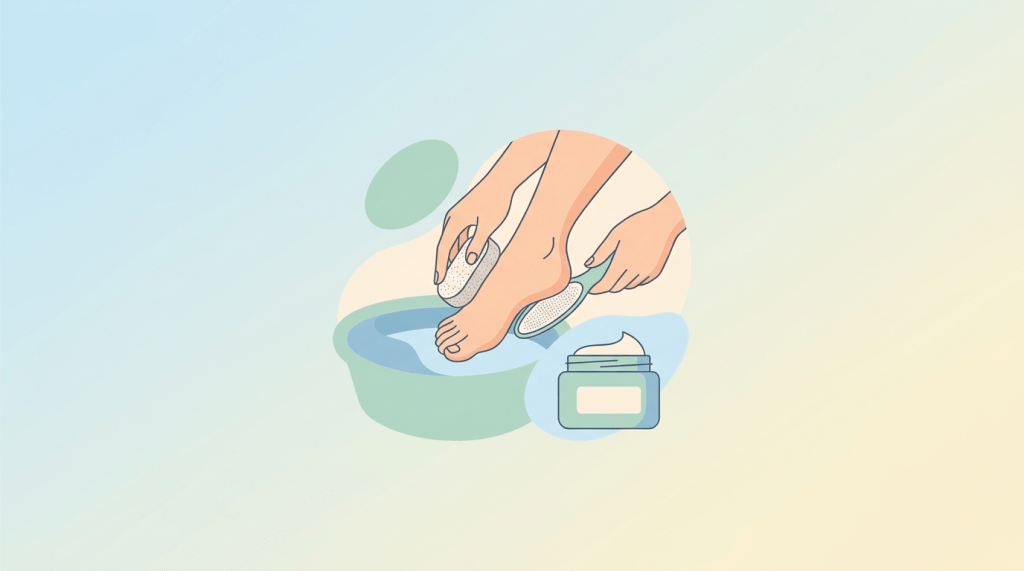
Gently Exfoliate with a Foot File or Pumice Stone
After softening, the callus is ready for gentle exfoliation. Remember, the goal is gradual reduction, not aggressive removal in one session.
- Take your foot file or pumice stone. If using a pumice stone, ensure it’s damp. A stainless-steel foot file, like the one found in the Jaws Podiatry 40% Urea Callus Cream + Stainless-Steel File Kit, can be very effective.
- Using light to moderate pressure, gently rub the tool over the callused areas in one direction or small circular motions.
- You will notice powdery skin cells coming off. Stop if you feel any pain, discomfort, or if the skin underneath appears pink or irritated.
- Focus on gradually reducing the thickness of the callus over several sessions, rather than trying to remove it all at once.
- Rinse the foot file or pumice stone frequently to remove dead skin buildup.
Rinse and Re-Moisturize
After exfoliation, it’s crucial to clean your feet and lock in moisture to maintain skin health and prevent new calluses.
- Rinse your feet thoroughly with warm water to remove any remaining dead skin particles and cream residue.
- Pat your feet completely dry with a clean towel.
- Apply a rich, hydrating foot cream or lotion to your entire foot, paying special attention to the areas where you removed the callus. This helps keep the skin soft and supple. check the current price on Amazon
Repeat Regularly for Best Results
Consistency is key when it comes to managing calluses without a razor. This isn’t a one-time fix.
- Perform this routine 2-3 times a week initially, depending on the severity of your calluses.
- Once your calluses have reduced, you can switch to a maintenance schedule of once a week or as needed.
- Regular application of a good foot moisturizer, especially a urea-based one, daily can also help maintain soft skin and prevent new callus formation.
Address the Root Cause: Prevention is Key
To truly keep calluses at bay, you must identify and address what’s causing them in the first place.
- Footwear: Ensure your shoes fit properly – not too tight, not too loose. Look for shoes with a wide toe box and good arch support. Avoid high heels or shoes with thin soles that put pressure on specific areas of the foot. check the current price on Amazon for comfortable walking shoes.
- Socks: Wear clean, well-fitting, moisture-wicking socks to reduce friction and moisture. check the current price on Amazon for athletic or diabetic socks.
- Insoles/Orthotics: If you have structural foot issues or specific pressure points, custom or over-the-counter insoles can help redistribute pressure. check the current price on Amazon for arch support insoles.
- Foot Care Routine: Maintain a daily foot care routine that includes moisturizing to keep skin supple.
Mistakes to Avoid
While attempting to remove calluses without a razor, it’s important to be aware of common pitfalls that can lead to injury or worsen your condition.
- Over-Filing or Over-Scraping: Removing too much skin at once can cause pain, bleeding, and even infection. It can also trigger the body to produce even more callus as a protective response. Always aim for gradual reduction.
- Using Sharp Objects: Never use razors, scissors, or other sharp household tools to cut or slice calluses. This is extremely dangerous and can lead to deep cuts, infections, and permanent scarring. This is why learning how to remove calluses without a razor is so important.
- Ignoring Pain: Foot care should never be painful. If you experience any pain during the process, stop immediately. Pain is a sign that you’re doing too much or that there’s an underlying issue that needs professional attention.
- Skipping Moisturizer: After exfoliation, the skin needs hydration. Skipping moisturizer can lead to dry, cracked skin, which can invite new calluses or other foot problems.
- Using Harsh Chemicals: Avoid unproven or overly aggressive chemical peels or solutions that aren’t specifically designed for foot calluses, as they can burn or damage healthy skin.
- Neglecting the Cause: Simply removing the callus without addressing the underlying friction or pressure will only lead to its quick return. Focus on prevention through proper footwear and foot care.
Safety Note: If you have diabetes, neuropathy (nerve damage), or poor circulation, any form of DIY foot care, especially using abrasive tools or strong topical creams, carries significant risks. Even a minor cut or irritation could lead to serious complications. Always consult a podiatrist before attempting to remove calluses at home if you have any of these conditions.
Key Takeaways
- Soften First: Always begin with a warm foot soak to prepare the callused skin for removal.
- Use Urea Cream: High-percentage urea creams are highly effective for chemically softening and dissolving calluses.
- Exfoliate Gently: Utilize a foot file or pumice stone with light, consistent pressure, never attempting to remove the entire callus in one go.
- Moisturize Consistently: Regular moisturizing is crucial for maintaining soft skin and preventing callus recurrence.
- Prevent Recurrence: Address the root cause by wearing proper-fitting shoes, supportive insoles, and moisture-wicking socks to avoid future friction and pressure.
Frequently Asked Questions
How long does it take to remove a callus completely?
The time it takes to completely remove a callus depends on its size, thickness, and how long it has been present. With a consistent at-home routine of soaking, applying urea cream, and gentle filing, you can expect to see significant improvement within 2-4 weeks. Complete removal and maintenance may take longer, requiring ongoing care.
Can calluses come back after removal?
Yes, calluses can and often will return if the underlying cause of friction or pressure is not addressed. This is why prevention is as important as removal. Ensuring proper-fitting footwear, using insoles, and maintaining a regular foot care routine are essential to keep calluses from recurring.
Are home remedies like vinegar soaks effective for calluses?
While some home remedies like apple cider vinegar soaks are popular, their effectiveness for significant calluses is often limited compared to medical-grade products. Vinegar can help soften skin, but it lacks the potent keratolytic (skin-softening) properties of urea-based creams. For stubborn calluses, a scientifically formulated urea cream combined with mechanical exfoliation provides more reliable results.
What’s the difference between a callus and a corn?
Both calluses and corns are areas of thickened skin, but they differ in structure and location. A callus is a more diffuse, flattened area of hardened skin, usually found on the soles of the feet or heels, and is typically wider than it is deep. A corn, on the other hand, is a smaller, more concentrated, and deeper area of hardened skin with a central core, often found on the tops or sides of toes, or between toes. Corns tend to be more painful due to the pressure on nerve endings. The methods for how to remove calluses without a razor can also apply to corns, but corns often require more targeted treatment or professional removal due to their deeper nature.
When should I see a podiatrist for callus removal?
You should consult a podiatrist if your calluses are painful, bleeding, showing signs of infection (redness, swelling, pus), or if they don’t improve with at-home care. It’s also crucial to see a podiatrist if you have underlying health conditions like diabetes, neuropathy, or poor circulation, as self-treating can lead to serious complications. A podiatrist can safely remove calluses, diagnose underlying causes, and recommend appropriate long-term solutions.


Leave a Reply