Shop Jaws Podiatry on Amazon
Podiatrist-formulated foot-care products for fungus, calluses, and cracked heels.
Visit the Jaws Podiatry Store →As an Amazon Associate we earn from qualifying purchases.
Cracked heels, also known as heel fissures, are a common and often painful condition for dry-foot sufferers. They occur when the skin on the heels becomes dry, hard, and loses elasticity, leading to cracks that can range from superficial to deep and bleeding. To prevent cracked heels, a consistent routine of hydration, gentle exfoliation, and protective footwear is essential to maintain soft, pliable skin.
What You’ll Need
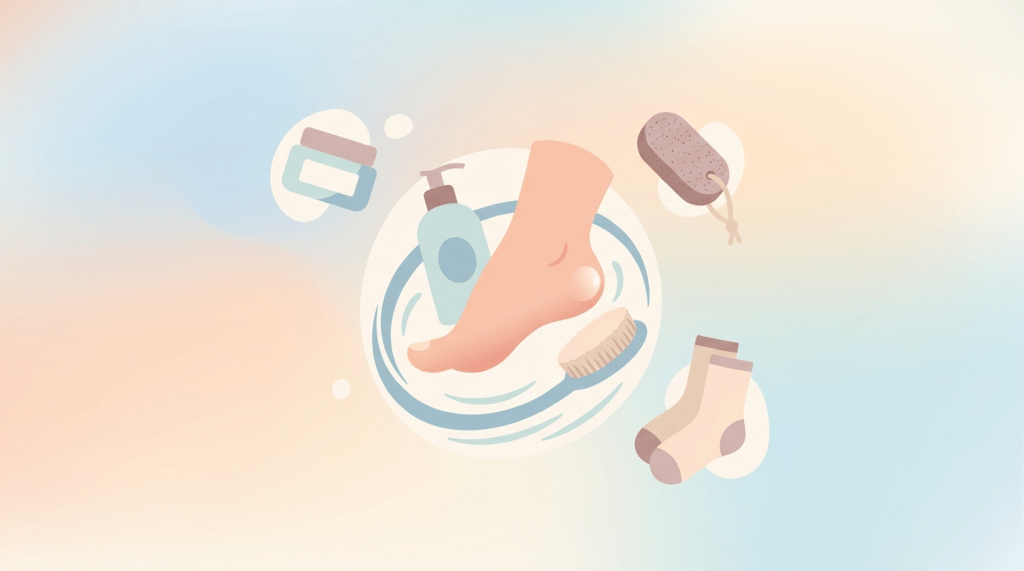
Gathering the right tools and products is the first step in your journey to smoother, healthier heels. Here’s what you’ll need:
- Foot Soak Basin: A simple basin or even your bathtub will work.
- Epsom Salts or Mild Soap: To soften the skin during soaking.
- Callus/Heel File: A stainless-steel foot file is highly effective for safely removing hardened skin. Consider a kit that includes a high-potency urea cream. (Jaws Podiatry 40% Urea Callus Cream + Stainless-Steel File Kit)
- Exfoliating Scrub (Optional): A gentle foot scrub can help remove surface dead skin cells after filing. (Gentle Foot Scrub)
- High-Potency Urea Cream: Creams containing 20-40% urea are excellent for hydrating and softening thick, dry skin, making it easier to shed dead cells. (Jaws Podiatry 40% Urea Callus Cream)
- Thick Moisturizer or Petroleum Jelly: To lock in moisture after applying urea cream. (Thick Foot Moisturizer)
- Cotton Socks: To wear overnight, enhancing the absorption of moisturizers. (Breathable Cotton Socks)
- Electric Callus Remover (Optional): For those who prefer an automated method, an electric callus remover can be effective, but use with caution. (Electric Callus Remover)
Shop Jaws Podiatry on Amazon
Podiatrist-formulated foot-care products for fungus, calluses, and cracked heels.
Visit the Jaws Podiatry Store →As an Amazon Associate we earn from qualifying purchases.
Step-by-Step Guide to Preventing Cracked Heels
Consistency is key when it comes to preventing cracked heels. Follow this routine regularly to keep your feet smooth and comfortable.
-
Soak Your Feet to Soften Skin
Begin by soaking your feet in warm water for 10-15 minutes. Add a handful of Epsom salts or a few drops of mild liquid soap to the water to help soften the hardened skin. Soaking makes the skin more pliable and easier to exfoliate, reducing the risk of tearing or irritation during the filing process.
-
Gently Exfoliate Hardened Skin
After soaking, thoroughly dry your feet, especially the heels. Now it’s time to carefully remove the dead, thickened skin. Hold your stainless-steel foot file at an angle and gently rub it over the cracked and callused areas. Apply light to moderate pressure. The goal is to remove the white, flaky, or rough skin, not to file down to sensitive pink skin. If using an electric callus remover, follow the manufacturer’s instructions carefully, ensuring you don’t stay in one spot for too long.
Safety Note: If you have diabetes, neuropathy, or poor circulation, consult your podiatrist before using any sharp or abrasive tools like foot files or electric callus removers. Over-filing can cause injury and lead to serious complications.
-
Apply a High-Potency Urea Cream
Immediately after exfoliating, while your skin is still receptive, apply a generous amount of a high-potency urea cream (like Jaws Podiatry 40% Urea Callus Cream) to your heels and any other dry areas. Urea is a humectant, meaning it draws moisture into the skin, and it also has keratolytic properties, which means it helps break down and soften thick, rough skin. Allow the cream to absorb for a few minutes.
-
Lock in Moisture with a Thick Emollient
Once the urea cream has absorbed, apply a thicker, occlusive moisturizer or petroleum jelly over the treated areas. This layer acts as a barrier, sealing in the moisture from the urea cream and preventing it from evaporating. Look for creams with ingredients like lanolin, shea butter, or ceramides, which provide deep hydration.
-
Wear Cotton Socks Overnight
For maximum effectiveness, slip on a pair of clean, breathable cotton socks after applying your creams. This “occlusive therapy” helps the moisturizers penetrate deeply into the skin by preventing them from rubbing off or evaporating. You’ll wake up to noticeably softer heels.
-
Maintain Daily Hydration and Protection
This intensive routine can be done 2-3 times a week initially, then scaled back to once a week or as needed for maintenance. On days you don’t do the full exfoliation routine, still apply a good foot cream or moisturizer to your heels at least once daily, preferably after showering and before bed. This consistent hydration is crucial to how to prevent cracked heels from returning.
-
Stay Hydrated Internally
Don’t forget that skin health starts from within. Ensure you’re drinking an adequate amount of water throughout the day. Internal hydration contributes significantly to the overall suppleness and elasticity of your skin, including on your feet.
-
Choose Proper Footwear
Your shoe choices play a significant role in preventing cracked heels. Avoid open-backed shoes, such as flip-flops or sandals, for extended periods, especially if you have existing cracks. These types of shoes allow the fat pad under the heel to expand sideways, increasing pressure and friction on the skin, which can worsen cracks. Opt for shoes with closed backs and good cushioning. If you spend a lot of time on your feet, consider cushioned insoles (Cushioned Insoles) to reduce impact.
Mistakes to Avoid
While trying to prevent cracked heels, some common errors can actually worsen the condition or cause injury:
- Over-Exfoliating or Scraping Too Hard: Aggressive filing can remove too much skin, leading to pain, bleeding, and even infection. Always be gentle and stop if you feel any discomfort.
- Ignoring Early Signs: Don’t wait until cracks are deep and painful. Address dry, flaky skin as soon as you notice it.
- Using Harsh Chemicals or Sharp Razors: Never use sharp razors or harsh chemical peels at home to remove hardened skin. These can cause severe injury, especially for individuals with compromised circulation or sensation.
- Walking Barefoot Frequently: Walking barefoot, especially on hard, rough surfaces, exposes your heels to friction and can strip away natural oils, leading to dryness and cracks.
- Wearing Ill-Fitting or Open-Backed Shoes: Shoes that don’t provide adequate support or allow your heels to splay outwards can exacerbate cracked heels.
- Not Moisturizing Consistently: Intermittent moisturizing won’t yield lasting results. Daily application, especially after bathing, is crucial.
- Using the Wrong Moisturizers: Light body lotions often aren’t potent enough for the thick skin of the heels. Always opt for specialized foot creams, particularly those with urea or lactic acid.
When to See a Podiatrist: If your cracked heels are deep, bleeding, extremely painful, show signs of infection (redness, swelling, pus), or if you have underlying conditions like diabetes, neuropathy, or poor circulation, it is crucial to consult a podiatrist. They can provide professional debridement, prescribe stronger medications, and rule out any other medical causes.
Key Takeaways
- Consistent Hydration is Paramount: Apply a high-potency urea cream and a thick emollient daily, especially after bathing and before bed, sealing with cotton socks overnight.
- Gentle Exfoliation is Necessary: Safely remove dead skin with a foot file 1-3 times a week after soaking, but avoid over-filing.
- Choose Supportive Footwear: Opt for closed-back shoes with good cushioning and avoid prolonged use of open-back sandals or flip-flops.
- Stay Hydrated Internally: Drink plenty of water to support overall skin health and elasticity.
- Don’t Delay Professional Help: Consult a podiatrist for deep, painful, or infected cracks, or if you have conditions like diabetes.
Frequently Asked Questions
What causes cracked heels?
Cracked heels are primarily caused by excessively dry skin (xerosis). Factors contributing to this include a lack of moisture, prolonged standing, wearing open-backed shoes or sandals, obesity, certain medical conditions (like diabetes, thyroid issues, or eczema), and natural aging. The skin on the heels is naturally thicker and less elastic, making it prone to cracking when it becomes dehydrated and subjected to pressure.
How often should I do this routine to prevent cracked heels?
Initially, an intensive routine involving soaking and gentle exfoliation with a foot file, followed by urea cream and a thick moisturizer, can be performed 2-3 times a week until significant improvement is seen. Once your heels are smoother, you can reduce this to once a week for maintenance. Daily moisturizing with a high-potency foot cream is crucial for ongoing prevention, ideally after showering and before bed.
Can diet affect cracked heels?
While diet is not a direct cause of most cracked heels, proper nutrition and hydration play a role in overall skin health. A diet rich in essential fatty acids (like omega-3s found in fish, flaxseed, and walnuts), vitamins (especially Vitamin C, E, and zinc), and adequate water intake can support skin elasticity and moisture levels, making your skin more resilient to cracking. Dehydration, conversely, can contribute to dry skin throughout the body, including the feet.
Are there specific ingredients I should look for in foot creams?
Yes, for preventing and treating cracked heels, look for creams containing ingredients known for their hydrating and keratolytic (skin-softening) properties. Key ingredients include:
- Urea (20-40%): Highly effective for hydrating, softening, and gently exfoliating thick, dry skin.
- Lactic Acid or Alpha Hydroxy Acids (AHAs): Help exfoliate dead skin cells and improve skin texture.
- Salicylic Acid: Another exfoliant that can help shed dead skin.
- Hyaluronic Acid: A powerful humectant that attracts and holds moisture in the skin.
- Glycerin, Lanolin, Shea Butter, Ceramides: These are emollients and occlusives that help moisturize and form a protective barrier on the skin to prevent moisture loss.
How quickly will I see results from a consistent prevention routine?
With consistent daily and weekly application of the recommended routine, you can typically expect to see noticeable improvement in the texture and appearance of your heels within 1-2 weeks. Deeper cracks may take longer to heal, potentially 3-4 weeks or more. The key is patience and strict adherence to the regimen. Remember, prevention is an ongoing effort, not a one-time fix.


Leave a Reply