Shop Jaws Podiatry on Amazon
Podiatrist-formulated foot-care products for fungus, calluses, and cracked heels.
Visit the Jaws Podiatry Store →As an Amazon Associate we earn from qualifying purchases.
To effectively use urea cream on feet, start by soaking and thoroughly drying your feet, then gently exfoliate any thickened skin. Apply a generous amount of the cream to the affected areas, massaging it in until absorbed, and for best results, consider covering your feet with socks overnight. Consistent application is key to softening rough skin, reducing calluses, and hydrating severely dry feet.
What You’ll Need
Gathering the right tools and products before you begin will ensure a smooth and effective foot care routine.
- Foot Basin or Tub: For soaking your feet to soften the skin. A simple plastic basin or even your bathtub will work. check the current price on Amazon
- Warm Water: Enough to comfortably cover your feet for soaking.
- Mild Soap (Optional): If your feet need cleansing, a gentle, non-drying soap can be added to the soak.
- Clean Towel: A soft, absorbent towel for thoroughly drying your feet.
- Exfoliation Tool: A pumice stone, foot file, or a stainless-steel foot file is ideal for gently removing dead skin cells. We recommend the Jaws Podiatry Stainless Steel Foot File for its effectiveness in addressing calluses and rough patches.
- Urea Cream: The star of the show! For significant calluses and severely cracked heels, a 40% urea cream is often recommended. Consider the Jaws Podiatry 40% Urea Callus Cream, which is formulated to deeply penetrate and soften tough skin.
- Moisturizing Socks (Optional but Recommended): Cotton or gel-lined socks can help seal in the moisture and enhance the cream’s effectiveness, especially overnight. check the current price on Amazon
Shop Jaws Podiatry on Amazon
Podiatrist-formulated foot-care products for fungus, calluses, and cracked heels.
Visit the Jaws Podiatry Store →As an Amazon Associate we earn from qualifying purchases.
Step-by-Step Guide: How to Use Urea Cream on Feet
Follow these steps carefully to maximize the benefits of urea cream and achieve softer, healthier feet.
Prepare Your Feet with a Soothing Soak
Begin by filling your foot basin with warm (not hot) water. You can add a mild soap if desired, but the primary goal here is to soften the skin. Submerge your feet and relax for 10-15 minutes. This step is crucial as it hydrates the skin, making it more receptive to exfoliation and the urea cream.
Thoroughly Dry Your Feet
After soaking, remove your feet from the water and pat them completely dry with a clean towel. Pay special attention to the areas between your toes, as lingering moisture can contribute to fungal issues. Ensure your feet are absolutely dry before proceeding.
Gently Exfoliate Thickened Skin
Now that your skin is softened, it’s the ideal time to exfoliate. Using your chosen tool – a pumice stone, foot file, or the Jaws Podiatry Stainless Steel Foot File – gently buff away any dead skin, calluses, or rough patches. Focus on areas like the heels, balls of your feet, and the sides of your big toes. Be firm but gentle; you should not experience any pain. The goal is to smooth the skin, not to remove so much that you cause irritation or open wounds. If you have very sensitive skin or deep cracks, skip harsh exfoliation and rely more on the cream.
Apply the Urea Cream
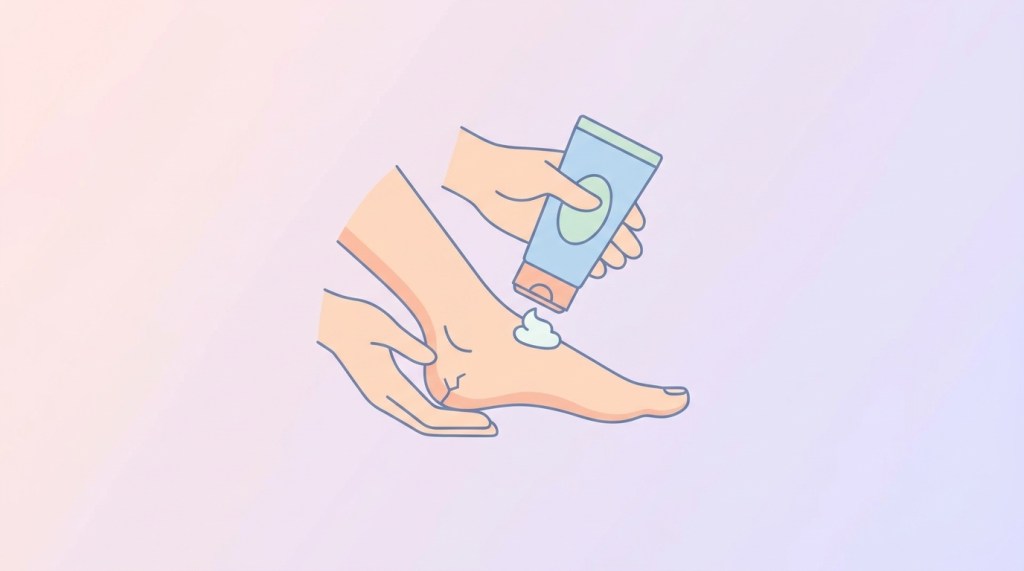
Dispense a generous amount of urea cream onto your fingertips. The amount will depend on the area you’re treating – enough to create a visible layer over the dry or callused skin. For significant issues, such as severe calluses or deeply cracked heels, a 40% urea cream like the Jaws Podiatry 40% Urea Callus Cream is highly effective.
- Focus on Problem Areas: Concentrate the application on your heels, the balls of your feet, and any other areas with hardened skin or calluses.
- Massage Thoroughly: Gently massage the cream into your skin using circular motions until it is mostly absorbed. This helps the urea penetrate deeply and also stimulates circulation.
- Avoid Sensitive Areas: Do not apply urea cream to open wounds, cuts, or highly irritated skin. Urea is an exfoliant and can sting or worsen these conditions.
Consider Occlusion (Optional, but Recommended for Intensive Treatment)
For enhanced absorption and a more intensive treatment, especially if you have very dry or cracked heels, cover your feet with cotton socks immediately after applying the cream. This creates an occlusive barrier that helps the urea cream penetrate deeper into the skin and locks in moisture. Leaving the socks on overnight can yield impressive results by morning.
Maintain Consistency for Best Results
Urea cream is most effective with consistent use. For initial treatment of severe dryness or calluses, apply the cream once or twice daily. As your skin improves, you might reduce the frequency to every other day or a few times a week for maintenance. Regular use will prevent the recurrence of dryness and calluses.
Mistakes to Avoid
To ensure you get the most out of your urea cream treatment and avoid potential issues, be aware of these common pitfalls:
- Applying to Open Wounds or Broken Skin: Urea is a keratolytic agent, meaning it breaks down dead skin cells. Applying it to cuts, abrasions, or open cracks can cause stinging, irritation, and potentially delay healing. Always ensure your skin is intact before application.
- Not Drying Feet Completely: Residual moisture on your feet, especially between the toes, can create an environment conducive to fungal growth. Always thoroughly dry your feet after soaking and before applying any cream.
- Over-Exfoliating: While exfoliation is beneficial, doing it too aggressively or too frequently can damage healthy skin, leading to tenderness, redness, or even infection. Use gentle motions and let the urea cream do most of the heavy lifting over time.
- Inconsistency: Urea cream works gradually. Skipping applications or using it sporadically will not yield the best results. Adhere to a consistent routine, ideally daily, until your desired results are achieved, then maintain with less frequent applications.
- Using the Wrong Concentration: Urea creams come in various concentrations (e.g., 10%, 20%, 30%, 40%). A lower concentration (10-20%) is generally suitable for mild dryness, while higher concentrations (30-40%) are needed for stubborn calluses and severely cracked heels. Using too low a concentration for severe issues may be ineffective, while too high a concentration on mildly dry or sensitive skin might cause irritation. Always choose a concentration appropriate for your specific needs, like the Jaws Podiatry 40% Urea Callus Cream for tough skin.
- Expecting Instant Results: While some improvements might be noticeable quickly, significant changes in severe calluses or deeply cracked heels take time. Be patient and consistent, and you will see progressive improvements over weeks.
Safety Note: If you have diabetes, neuropathy, poor circulation, or any other underlying health condition that affects your feet, it is crucial to consult a podiatrist before attempting any DIY foot care, especially before using sharp or abrasive tools like foot files. Your podiatrist can provide tailored advice and ensure your foot care routine is safe and appropriate for your specific health needs.
Key Takeaways
- Preparation is Key: Always start with a warm foot soak to soften the skin, followed by thorough drying.
- Exfoliate Gently: Use a foot file or pumice stone to carefully remove dead skin before applying urea cream, avoiding over-exfoliation.
- Apply Consistently: Urea cream works best when applied regularly, often once or twice daily, focusing on calluses and dry patches.
- Choose the Right Concentration: For stubborn calluses and severely cracked heels, a 40% urea cream like Jaws Podiatry’s is highly effective.
- Patience and Prevention: Results take time; be consistent with your routine and use socks overnight for enhanced absorption.
Frequently Asked Questions
What percentage of urea cream is best for feet?
The best percentage of urea cream depends on the severity of your foot concerns. For general dryness and mild roughness, a 10-20% urea cream is usually sufficient. However, for significant calluses, thickened skin, and severely cracked heels, a higher concentration like 30-40% urea cream is often recommended for its stronger keratolytic (exfoliating) properties. Products like the Jaws Podiatry 40% Urea Callus Cream are specifically designed for these tougher issues.
How often should I use urea cream on my feet?
For initial treatment of severe dryness, calluses, or cracked heels, it’s generally recommended to apply urea cream once or twice daily. Once your skin shows significant improvement, you can reduce the frequency to a few times a week for maintenance. Consistency is more important than the exact frequency, so establish a routine you can stick to.
Can I use urea cream if I have sensitive skin?
While urea cream is generally well-tolerated, individuals with very sensitive skin might experience mild irritation, especially with higher concentrations. It’s always wise to perform a patch test on a small, inconspicuous area of your skin before applying it widely. If you experience redness, itching, or burning, discontinue use. Always avoid applying urea cream to broken or irritated skin.
What is the difference between urea and salicylic acid for foot exfoliation?
Both urea and salicylic acid are common ingredients in foot care products used for exfoliation, but they work differently. Urea is a humectant (draws moisture into the skin) and a keratolytic agent (softens and dissolves the intercellular matrix that holds dead skin cells together). It helps to hydrate the skin while gently breaking down thickened areas. Salicylic acid, on the other hand, is primarily a beta-hydroxy acid (BHA) that works by penetrating oil glands and dissolving dead skin cells on the surface, making it particularly effective for conditions like warts or more superficial exfoliation. Urea is often preferred for its hydrating properties in addition to its exfoliating action, making it ideal for dry, callused, and cracked feet.
How long does it take to see results from using urea cream?
The time it takes to see results can vary depending on the severity of your foot issues and the consistency of your application. Many people notice initial softening and improved hydration within a few days to a week. For significant calluses and deeply cracked heels, it may take 2-4 weeks of consistent daily use to see substantial improvement. Long-term maintenance is often required to keep feet soft and smooth.


Leave a Reply