Shop Jaws Podiatry on Amazon
Podiatrist-formulated foot-care products for fungus, calluses, and cracked heels.
Visit the Jaws Podiatry Store →As an Amazon Associate we earn from qualifying purchases.
Treating corns on toes effectively involves a gentle, consistent multi-step approach focused on softening the hardened skin, reducing pressure, and addressing the underlying cause. By following a careful regimen of soaking, gentle exfoliation, moisturizing, and protective measures, you can alleviate discomfort and work towards eliminating corns at home. For those with underlying health conditions, or if the corn is painful or infected, consulting a podiatrist is always the safest first step.
What You’ll Need
Before you begin the process of how to treat corns on toes, gather these essential tools and products:
- Warm Water Basin: A large basin or foot spa for soaking your feet.
- Epsom Salts (Optional): To enhance the softening effect of the warm water. Buy Epsom Salts
- Pumice Stone or Foot File: A gentle abrasive tool to carefully reduce the thickened skin. Find a Pumice Stone
- Urea-Based Callus Cream: A high-concentration urea cream (e.g., 40%) is highly effective for softening tough skin. We recommend a quality urea cream that can be found here: Jaws Podiatry 40% Urea Callus Cream + Stainless-Steel File Kit
- Moisturizing Cream: A rich, hydrating foot cream to keep skin supple. Shop Foot Moisturizers
- Corn Pads or Donut Pads: To cushion and protect the corn from further friction. Explore Corn Pads
- Comfortable, Well-Fitting Shoes: Footwear that provides ample toe room and support. Browse Comfortable Shoes
- Moisture-Wicking Socks: To reduce friction and keep feet dry. Discover Moisture-Wicking Socks
Shop Jaws Podiatry on Amazon
Podiatrist-formulated foot-care products for fungus, calluses, and cracked heels.
Visit the Jaws Podiatry Store →As an Amazon Associate we earn from qualifying purchases.
Step-by-Step Guide to Treating Corns on Toes
Follow these steps carefully to manage and remove corns from your toes at home. Consistency is key for the best results.
Prepare Your Feet with a Warm Soak
Begin by soaking your feet in warm water for 10-15 minutes. Adding a few tablespoons of Epsom salts can further help soften the skin. The goal is to make the hardened skin of the corn more pliable and easier to work with. This step is crucial as it prepares the corn for gentle removal, reducing the risk of irritation or injury.
Gently Exfoliate the Corn
After soaking, gently pat your foot dry with a clean towel. While the skin is still soft and slightly damp, use a pumice stone or a foot file to carefully rub away layers of the hardened skin. Use light, circular motions and avoid aggressive scrubbing. The objective is to gradually reduce the thickness of the corn, not to remove it all at once. Stop immediately if you feel any pain or discomfort, or if you see any redness or bleeding.
Safety Note: If you have diabetes, neuropathy, poor circulation, or any other condition that affects foot health, do not use sharp tools, pumice stones, or foot files on your feet without consulting a podiatrist first. These conditions can impair your ability to feel injury or heal properly, leading to serious complications.
Apply a Urea-Based Callus Cream
Once you’ve gently exfoliated, apply a high-concentration urea cream (such as 40%) directly to the corn. Urea is a powerful humectant and keratolytic agent, meaning it helps to draw moisture into the skin and break down the bonds that hold dead skin cells together. This significantly aids in softening the corn over time. For an effective solution, consider the Jaws Podiatry 40% Urea Callus Cream, which can be used to treat corns and calluses by helping to soften and reduce hardened skin.
Massage the cream into the corn and the surrounding area. For best results, apply this cream daily, ideally after soaking and before bed, covering the treated area with a sock to enhance absorption.
Moisturize Regularly
Beyond specific urea treatments, maintaining overall skin hydration is vital for preventing corns from hardening further and promoting healthy skin. Apply a rich, emollient foot cream to your entire foot daily, focusing on areas prone to dryness and friction. Look for creams containing ingredients like lanolin, petrolatum, or shea butter. Consistent moisturizing helps keep the skin supple and less prone to developing hard spots.
Protect the Corn with Padding
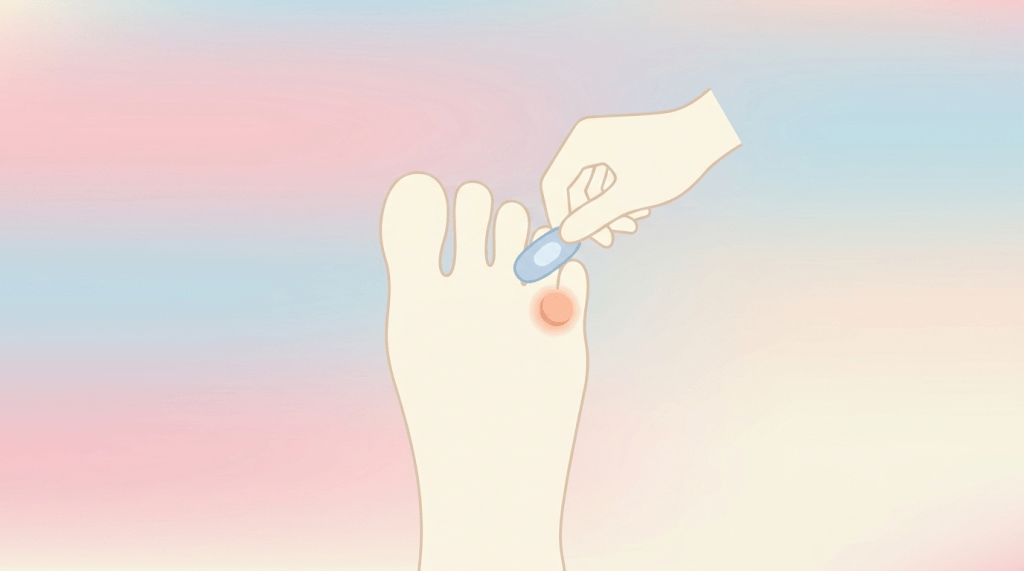
To prevent further friction and pressure on the corn, use corn pads or donut-shaped pads. These adhesive pads create a barrier around the corn, lifting pressure off the affected area and allowing the skin to heal. Ensure the pad is correctly positioned so that the corn sits within the center hole, not directly under the pad itself. Change pads daily or as directed by the product instructions. Find various Corn Pads here.
Choose Proper Footwear and Socks
Ill-fitting shoes are a primary cause of corns. To prevent recurrence and aid healing, always wear shoes that provide ample toe room and do not rub or compress your toes. Opt for shoes with a wide toe box, soft materials, and good arch support. Avoid high heels or shoes with pointed toes. Additionally, wear clean, moisture-wicking socks daily to reduce friction and keep your feet dry. Browse a selection of comfortable, podiatrist-recommended shoes and high-quality moisture-wicking socks.
Repeat Consistently
Treating corns on toes is not a one-time fix. It requires consistent effort over several days or weeks. Repeat the soaking, gentle exfoliation, and cream application daily or every other day until the corn has significantly diminished. Always prioritize gentle care over aggressive removal to avoid injury.
Mistakes to Avoid When Treating Corns on Toes
While attempting to treat corns at home, it’s crucial to avoid common errors that can worsen the condition or lead to complications:
- Never Cut or Shave Your Corns: Attempting to cut or shave a corn yourself with razors, scissors, or other sharp objects is extremely dangerous. This can lead to deep cuts, infection, and permanent scarring, especially if you have underlying health conditions like diabetes. Leave debridement to a qualified podiatrist.
- Avoiding Over-the-Counter “Corn Removal” Products with Salicylic Acid: While some products contain salicylic acid to dissolve corns, they can be harsh and damage healthy surrounding skin, leading to chemical burns or open wounds. Use these with extreme caution and only under professional guidance, particularly for corns on toes where skin is thinner and more sensitive.
- Aggressive Filing or Scrubbing: While exfoliation is part of the process, excessive filing or scrubbing can irritate the skin, cause pain, and even lead to an infection. Always be gentle and stop if you feel any discomfort.
- Ignoring the Underlying Cause: Simply treating the corn without addressing the source of friction or pressure (e.g., ill-fitting shoes, foot deformities) will likely result in the corn returning. Addressing footwear and seeking professional advice for foot mechanics is essential for long-term relief.
- Picking or Tearing the Corn: Resist the urge to pick at the corn, as this can tear the skin, cause bleeding, and introduce bacteria, leading to infection.
When to See a Podiatrist
While many corns can be managed at home, there are specific situations where professional medical attention is necessary. Consult a podiatrist if:
- You have diabetes, neuropathy, or poor circulation: These conditions significantly increase the risk of infection and slow healing, making self-treatment dangerous.
- The corn is very painful or inflamed: Persistent pain, redness, swelling, or warmth around the corn could indicate an infection or a deeper issue.
- The corn does not improve with home treatment: If after several weeks of consistent home care, the corn remains painful or shows no signs of shrinking, a podiatrist can offer more advanced treatments.
- You suspect an infection: Signs of infection include pus, increasing pain, fever, or red streaks extending from the corn.
- You have recurring corns: If corns frequently return despite your best efforts, a podiatrist can help identify and address underlying biomechanical issues or foot deformities.
- You are unsure about the diagnosis: Sometimes, corns can be mistaken for other foot conditions like warts. A podiatrist can provide an accurate diagnosis.
Key Takeaways
- Treating corns on toes involves a gentle, consistent regimen of soaking, careful exfoliation, and moisturizing.
- Always prioritize safety: never cut or aggressively file corns yourself, especially if you have underlying health conditions like diabetes.
- High-quality urea creams, like the Jaws Podiatry 40% Urea Callus Cream, are effective for softening hardened skin.
- Prevent recurrence by wearing well-fitting shoes with ample toe room and using protective corn pads.
- Seek professional podiatric care if corns are painful, infected, or do not respond to home treatments, or if you have specific health conditions.
Frequently Asked Questions
What causes corns on toes?
Corns are typically caused by repeated friction and pressure on the skin, often from ill-fitting shoes, tight socks, or foot deformities (like hammertoes or bunions) that cause toes to rub against each other or against footwear. The skin thickens as a protective response, forming a hard, often painful, bump.
What’s the difference between a corn and a callus?
Both corns and calluses are areas of thickened skin caused by friction and pressure. The main difference lies in their shape and location. Calluses are generally broader, flatter, and spread out, often found on the soles of the feet. Corns are smaller, deeper, and have a distinct, hard center, typically forming on the tops, sides, or between the toes. Corns are also usually more painful due to their deeper core pressing on nerves.
Are corns dangerous?
For most healthy individuals, corns are not dangerous but can be quite painful and uncomfortable. However, for people with diabetes, poor circulation, or nerve damage (neuropathy), corns can pose a significant risk. These individuals are more susceptible to developing infections, ulcers, and other serious complications from even minor skin breaks, making professional medical attention crucial.
How long does it take to get rid of a corn on a toe?
The time it takes to get rid of a corn varies depending on its size, depth, and how consistently you follow a treatment plan. With diligent home care, including soaking, gentle filing, and consistent use of a urea cream and protective padding, you might see significant improvement within a few weeks. However, complete resolution can take longer, and addressing the underlying cause (e.g., new shoes) is vital to prevent recurrence.
Can corns come back after treatment?
Yes, corns can absolutely come back if the underlying cause of friction and pressure is not addressed. If you revert to wearing ill-fitting shoes, continue to experience foot deformities that cause rubbing, or neglect regular foot care, new corns or the return of old ones is highly likely. Long-term prevention involves consistent use of proper footwear, protective padding, and maintaining good foot hygiene.


Leave a Reply