Shop Jaws Podiatry on Amazon
Podiatrist-formulated foot-care products for fungus, calluses, and cracked heels.
Visit the Jaws Podiatry Store →As an Amazon Associate we earn from qualifying purchases.
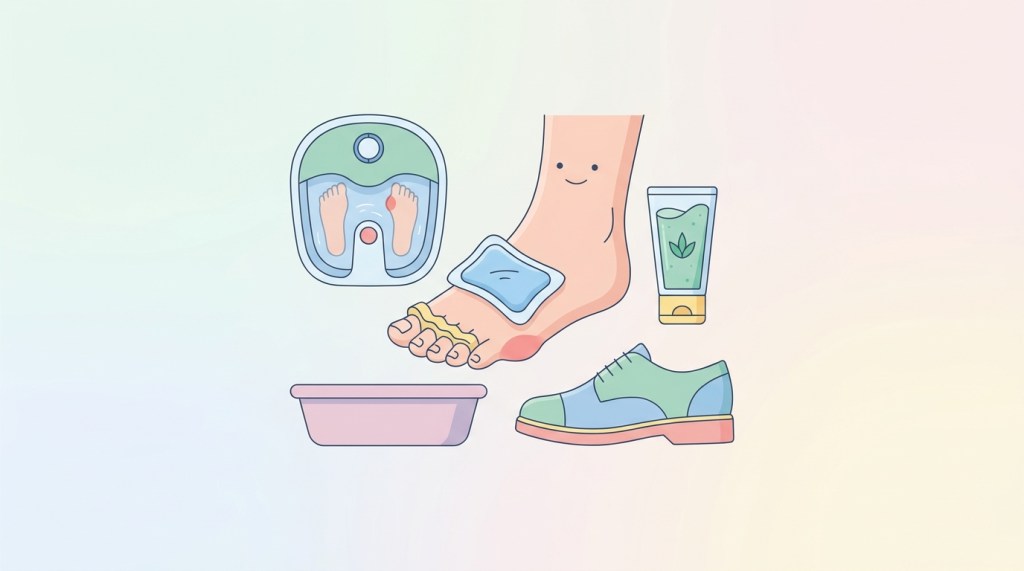
If you’re wondering how to relieve bunion pain at home, the good news is that many effective strategies can help manage discomfort and slow progression. Key approaches include choosing appropriate footwear, using protective padding, applying ice to reduce inflammation, and performing gentle foot exercises. These simple steps can make a significant difference in your daily comfort and quality of life.
What You’ll Need
- Comfortable, Wide-Toed Shoes: Footwear with ample room in the toe box to prevent compression. Check options on Amazon
- Bunion Pads or Sleeves: Gel or felt pads to cushion and protect the bunion from friction. Find bunion pads and sleeves
- Ice Pack or Cold Compress: For reducing swelling and inflammation. Browse ice packs
- Epsom Salts: For soothing foot soaks. Shop for Epsom salts
- Small Towel or Marbles: For foot strengthening exercises.
- Toe Spacers or Separators: To help align toes and relieve pressure. Explore toe spacers
- Over-the-Counter Orthotics or Arch Supports: To provide better foot alignment and support. View OTC orthotics
- Foot Massager (Optional): Manual or electric for muscle relaxation. Consider a foot massager
- Over-the-Counter Pain Relievers: NSAIDs like ibuprofen or naproxen for temporary pain relief.
Shop Jaws Podiatry on Amazon
Podiatrist-formulated foot-care products for fungus, calluses, and cracked heels.
Visit the Jaws Podiatry Store →As an Amazon Associate we earn from qualifying purchases.
Step-by-Step Guide to Relieving Bunion Pain at Home
Effectively managing bunion pain involves a combination of protective measures, anti-inflammatory techniques, and supportive care. Follow these steps to find relief and improve your foot health.
-
Choose the Right Footwear
The single most important step in relieving bunion pain at home is to wear appropriate shoes. Poor footwear is a primary contributor to bunion development and exacerbation.
- Opt for Wide Toe Boxes: Select shoes with a wide, deep toe box that allows your toes to spread naturally without compression. Avoid pointed-toe shoes at all costs.
- Low Heels: Stick to shoes with low heels (less than two inches). High heels shift your body weight forward, increasing pressure on the bunion and forefoot.
- Soft, Flexible Materials: Choose shoes made from soft, pliable materials like leather or mesh that can conform to your foot shape without rubbing.
- Avoid Straps Across the Bunion: Shoes with straps or seams that cross directly over the bunion can cause irritation and pain.
-
Cushion and Protect Your Bunion
Direct pressure and friction on the bunion can lead to significant pain and irritation. Protective padding can create a barrier and reduce discomfort.
- Bunion Pads: Apply gel or felt bunion pads directly over the bunion. These doughnut-shaped pads can redistribute pressure away from the bony prominence. Find bunion pads on Amazon
- Bunion Sleeves: These fabric or gel sleeves fit over your foot, covering the bunion area, offering cushioning and reducing friction from shoes. Explore bunion sleeves
- Moleskin: For temporary protection, moleskin can be cut to size and applied to areas of friction.
-
Reduce Inflammation with Ice Therapy
Ice is a natural anti-inflammatory that can quickly calm an aching bunion, especially after a long day or activity.
- Application: Wrap an ice pack or a bag of frozen peas in a thin towel.
- Duration: Apply to the bunion area for 15-20 minutes at a time.
- Frequency: Use several times a day, especially after activities that aggravate your bunion.
-
Soak and Soothe Your Feet
A warm foot soak can relax muscles, improve circulation, and temporarily alleviate bunion pain and general foot fatigue.
- Epsom Salt Soak: Fill a basin with warm water and dissolve 1/2 to 1 cup of Epsom salts.
- Soaking Time: Soak your feet for 15-20 minutes. The magnesium in Epsom salts is believed to help reduce muscle soreness and inflammation. Purchase Epsom salts
- Essential Oils (Optional): A few drops of lavender or peppermint essential oil can add to the soothing experience.
-
Perform Gentle Foot Stretches and Exercises
While exercises won’t correct the bony deformity of a bunion, they can strengthen the muscles around the big toe, improve flexibility, and reduce stiffness and pain.
- Toe Spreads: Sit with your feet flat on the floor. Try to spread your toes apart as wide as possible, holding for 5-10 seconds. Repeat 10-15 times.
- Toe Curls: Place a small towel on the floor. Use your toes to scrunch up the towel towards you. Repeat for 5 minutes. You can also use marbles and pick them up with your toes.
- Big Toe Stretches: Gently pull your big toe away from your other toes and then upward, holding each stretch for 10-20 seconds. Repeat several times a day.
- Foot Massages: Gently massage the muscles and tendons around your bunion. You can use your hands, a tennis ball, or a specialized foot massager to relieve tension. Explore foot massagers
-
Use Toe Spacers and Orthotics
These devices can help to realign the big toe, reduce pressure, and provide support, which can be crucial for how to relieve bunion pain at home.
- Toe Spacers/Separators: Worn between the big toe and the second toe, these can help keep the big toe in a more natural alignment, reducing rubbing and pressure. They are often made of soft silicone or gel. Find toe spacers on Amazon
- Over-the-Counter Orthotics: Arch supports or insoles can help improve foot mechanics, distribute pressure more evenly, and reduce strain on the bunion. Look for options that provide good arch support and cushioning. Browse OTC orthotics
-
Consider Over-the-Counter Pain Relievers
For acute pain or inflammation, over-the-counter medications can provide temporary relief.
- NSAIDs: Non-steroidal anti-inflammatory drugs like ibuprofen (Advil, Motrin) or naproxen (Aleve) can reduce both pain and inflammation.
- Topical Creams: Gels or creams containing ingredients like diclofenac (available OTC in some strengths) or capsaicin can be applied directly to the bunion for localized pain relief.
-
Manage Your Weight
Maintaining a healthy weight can significantly reduce the load on your feet, including the pressure on your bunions. Even a small amount of weight loss can alleviate pain and slow the progression of foot conditions.
Mistakes to Avoid
- Wearing Ill-Fitting Shoes: Continuously wearing narrow, pointed, or high-heeled shoes will counteract any efforts to relieve bunion pain and likely worsen the condition.
- Ignoring Persistent Pain: If your bunion pain is severe, constant, or significantly interferes with your daily activities, don’t ignore it. Home remedies are for management, not always a cure.
- Aggressive Self-Treatment: Do not attempt to shave down or cut the bunion yourself. This can lead to infection, further injury, and more severe problems.
- Over-Exercising: While gentle exercises are beneficial, overdoing it or performing high-impact activities when your bunion is inflamed can exacerbate pain. Listen to your body.
- Assuming All Foot Pain is Bunion-Related: While bunions are a common source of forefoot pain, other conditions can cause similar symptoms. A professional diagnosis ensures appropriate treatment.
Safety Note: If you have diabetes, neuropathy, or poor circulation, it is crucial to consult a podiatrist before attempting any DIY foot care, especially involving temperature changes (like ice packs) or using new devices like toe spacers or orthotics. These conditions can compromise foot sensation and healing, making careful professional guidance essential.
Key Takeaways
- Prioritize wearing wide, comfortable shoes with low heels to prevent bunion irritation and progression.
- Utilize bunion pads, sleeves, and toe spacers to cushion, protect, and realign the big toe.
- Regularly apply ice and consider Epsom salt soaks to reduce inflammation and soothe aching feet.
- Incorporate gentle foot stretches and exercises to improve flexibility and strengthen foot muscles.
- Don’t hesitate to use over-the-counter pain relievers for temporary relief, but consult a professional for persistent or worsening pain.
Related Guides
Related Guides
Frequently Asked Questions
Can bunions go away naturally?
No, a bunion is a bony deformity that cannot disappear naturally. While home remedies can effectively manage symptoms like pain and inflammation, they cannot reverse the structural changes. Consistent use of supportive measures can help prevent the bunion from worsening and provide significant relief.
Are toe spacers really effective for bunions?
Toe spacers can be quite effective for relieving bunion pain by gently separating the big toe from the second toe, which reduces friction and pressure. They can help improve toe alignment during use, offering comfort and potentially slowing the progression of the deformity, especially when combined with proper footwear.
How long does it take for home remedies to relieve bunion pain?
The time it takes to feel relief can vary greatly depending on the severity of your bunion and the consistency of your home care routine. Some individuals may experience immediate relief from methods like ice packs or switching to comfortable shoes, while others might need several weeks of consistent application of multiple strategies to notice significant improvement.
Can I still exercise if I have bunion pain?
Yes, you can and should still exercise, but it’s important to choose low-impact activities that don’t aggravate your bunion. Walking in supportive shoes, swimming, cycling, and gentle foot exercises are generally safe. Avoid high-impact activities like running or jumping if they cause pain. Always listen to your body and stop if you experience increased discomfort.
When should I see a podiatrist for my bunion pain?
You should consult a podiatrist if your bunion pain is persistent, severe, interferes with daily activities, or doesn’t improve with home care. Other warning signs include redness, swelling, numbness, or limited movement in your big toe joint. A professional can provide an accurate diagnosis, recommend advanced non-surgical treatments, or discuss surgical options if necessary.
 HealthyStridesHQ
Leave a comment