Shop Jaws Podiatry on Amazon
Podiatrist-formulated foot-care products for fungus, calluses, and cracked heels.
Visit the Jaws Podiatry Store →As an Amazon Associate we earn from qualifying purchases.
Heel pain is a common and often debilitating condition, but there are many effective strategies you can use to find relief at home. Most cases of heel pain, often caused by plantar fasciitis, respond well to conservative treatments focused on reducing inflammation, stretching, and providing proper support. This comprehensive guide will show you how to relieve heel pain through a series of practical steps, helping you get back on your feet comfortably.
What You’ll Need
- Ice pack or frozen water bottle: For targeted cold therapy to reduce inflammation. Get an ice pack here.
- Supportive athletic shoes: Shoes with good arch support and cushioning are essential. Browse supportive footwear.
- Orthotic inserts or arch supports: To provide additional cushioning and stability. Find recommended insoles.
- Stretching aids: Such as a towel or resistance band for effective calf and foot stretches. Shop for resistance bands.
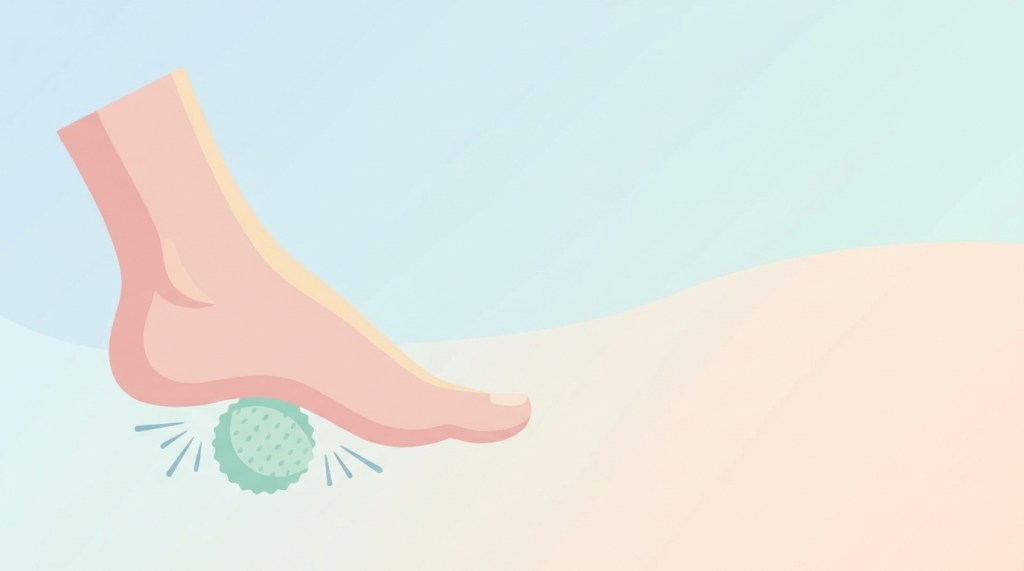
- Foot roller or tennis ball: For self-massage of the plantar fascia. Explore foot rollers.
- Over-the-counter pain relievers: Non-steroidal anti-inflammatory drugs (NSAIDs) like ibuprofen or naproxen.
- Topical pain relief cream: Gels or creams containing menthol or capsaicin for localized relief. Discover topical pain relief.
- Moisturizing cream for cracked heels (optional but recommended if present): If cracked heels contribute to your pain, a high-quality urea cream can help. Consider Jaws Podiatry 40% Urea Callus Cream for softening and healing. Learn more about Jaws Podiatry Urea Cream.
Shop Jaws Podiatry on Amazon
Podiatrist-formulated foot-care products for fungus, calluses, and cracked heels.
Visit the Jaws Podiatry Store →As an Amazon Associate we earn from qualifying purchases.
Step-by-Step Guide to Relieving Heel Pain
Consistency is key when addressing heel pain. Follow these steps diligently to promote healing and prevent recurrence.
-
Rest and Reduce Strain
The first and most critical step in how to relieve heel pain is to give your foot a break. Avoid activities that aggravate your heel pain, especially high-impact exercises like running or jumping. If your job requires prolonged standing, try to take short breaks to sit down and elevate your feet. Reducing the load on your plantar fascia allows inflamed tissues to begin healing.
-
Apply Ice Therapy
Ice is a powerful tool for reducing inflammation and numbing pain. Apply an ice pack to the affected heel for 15-20 minutes, 2-3 times a day, especially after activity or at the end of the day. A simple and effective method is to use a frozen water bottle: place it on the floor and roll your bare foot over it, applying gentle pressure from your heel to your toes. This combines icing with a gentle massage.
-
Perform Targeted Stretches
Tight calf muscles and a stiff plantar fascia are common contributors to heel pain. Regular stretching is essential for long-term relief.
-
Calf Stretches
Stand facing a wall, place your hands on the wall, and step one foot back. Keep your back leg straight and your heel on the ground, leaning forward until you feel a stretch in your calf. Hold for 30 seconds, then switch legs. Repeat 2-3 times per leg. You can also do this with a slightly bent back knee to target the soleus muscle.
-
Plantar Fascia Stretch
While seated, cross the affected foot over your opposite knee. Grab your toes and gently pull them back towards your shin until you feel a good stretch along the bottom of your foot. You can also use a towel looped around your toes for this stretch. Hold for 30 seconds, repeat 3-5 times per foot.
-
Achilles Tendon Stretch
Similar to the calf stretch, but focus on keeping your heel down and feeling the stretch higher up the back of your leg towards your Achilles tendon.
-
-
Choose Supportive Footwear
Your shoes play a significant role in managing heel pain. Opt for shoes that provide excellent arch support, cushioning, and a slightly elevated heel (about a half-inch to an inch). Avoid flat shoes, worn-out sneakers, or walking barefoot on hard surfaces, as these can increase strain on your plantar fascia. Replace athletic shoes regularly, typically every 300-500 miles or every 6-12 months, depending on usage.
-
Utilize Orthotic Inserts
Over-the-counter orthotic inserts can provide additional arch support and cushioning, helping to distribute pressure more evenly across your foot and reduce stress on the heel. Look for inserts specifically designed for plantar fasciitis or heel pain. These can be placed inside your supportive shoes. Find highly-rated orthotic inserts.
-
Manage Pain with Medication
Over-the-counter non-steroidal anti-inflammatory drugs (NSAIDs) like ibuprofen or naproxen can help reduce pain and inflammation temporarily. Always follow dosage instructions and consult your doctor if you have underlying health conditions or are taking other medications. Topical pain relief creams, applied directly to the heel, can also offer localized relief without systemic effects.
-
Self-Massage Your Foot
Regular massage can help break down adhesions and improve blood flow to the plantar fascia. Use a foot roller or a tennis ball, placing it under your foot and rolling it back and forth from your heel to your toes for 5-10 minutes, several times a day. Apply firm but comfortable pressure, focusing on tender spots.
-
Consider Night Splints (for persistent pain)
If your heel pain is worse with your first steps in the morning, a night splint might be beneficial. These devices gently stretch your calf and plantar fascia overnight, preventing the fascia from tightening up while you sleep. They can significantly reduce morning stiffness and pain over time. Explore night splints for plantar fasciitis.
-
Address Calluses or Cracked Heels (if present)
While not a primary cause of plantar fasciitis, severe calluses or deeply cracked heels can contribute to overall foot pain, making weight-bearing more uncomfortable. If you have significant hardened skin or painful cracks, gently addressing these can complement your heel pain relief efforts. Use a deeply moisturizing cream, such as Jaws Podiatry 40% Urea Callus Cream, to soften the skin. This cream works by gently exfoliating and deeply hydrating, helping to restore skin elasticity and reduce discomfort from hardened, dry areas. For best results, apply daily and consider using a stainless-steel file kit (like the one from Jaws Podiatry) to carefully reduce thickened skin after soaking and applying cream. Discover Jaws Podiatry Urea Cream and File Kit.
Mistakes to Avoid
- Ignoring the Pain: Pushing through heel pain often makes it worse and prolongs recovery. Listen to your body and rest when needed.
- Wearing Unsupportive Footwear: Continuing to wear old, worn-out shoes or unsupportive flats will hinder healing and may exacerbate your condition.
- Skipping Stretches: Stretching is crucial for flexibility and reducing tension in the plantar fascia and calf muscles. Neglecting this step can lead to chronic pain.
- Overdoing Activity Too Soon: Even when you start feeling better, gradually reintroduce activities. A sudden return to high-impact exercise can cause a relapse.
- Walking Barefoot on Hard Surfaces: Especially on tile, concrete, or hardwood floors, walking barefoot removes all support from your arch and puts excessive strain on your heel.
- Aggressive Callus Removal: If you’re addressing calluses, avoid harsh scraping or cutting, which can lead to injury or infection. Gentle softening with urea cream and gradual filing is safer.
Safety Note: If you have diabetes, neuropathy, poor circulation, or any condition that affects foot sensation or healing, consult a podiatrist before attempting any DIY foot care, using sharp tools, or starting new exercise routines. These conditions can increase your risk of complications.
Key Takeaways
- Rest and Ice are Immediate Relief: Reduce activity and apply ice packs to calm inflammation and pain.
- Stretch Consistently: Daily calf and plantar fascia stretches are vital for long-term flexibility and pain prevention.
- Support Your Feet: Wear supportive shoes and use orthotic inserts to properly cushion and align your feet.
- Address Contributing Factors: Don’t overlook issues like tight muscles, unsupportive shoes, or even severe calluses that can worsen heel pain.
- Seek Professional Help When Needed: If pain persists or worsens despite home care, consult a podiatrist for a comprehensive diagnosis and treatment plan.
Related Guides
Frequently Asked Questions
What causes heel pain?
The most common cause of heel pain is plantar fasciitis, an inflammation of the band of tissue (plantar fascia) that runs along the bottom of your foot, connecting your heel bone to your toes. Other causes can include Achilles tendonitis, heel spurs (often associated with plantar fasciitis but rarely the primary pain source), stress fractures, nerve entrapment, fat pad atrophy, or even issues like severely cracked heels.
How long does it take for heel pain to go away?
The duration of heel pain recovery varies widely depending on the individual, the cause, and the consistency of treatment. Mild cases may resolve in a few weeks with consistent home care. More severe or chronic cases, particularly plantar fasciitis, can take several months (3-12 months) to fully heal. Patience and adherence to treatment are crucial.
Are there specific exercises or activities to avoid with heel pain?
Yes, it’s generally best to avoid high-impact activities that put excessive stress on your heels, such as running, jumping, aerobics, or sports that involve sudden stops and starts. Walking barefoot on hard, unyielding surfaces should also be minimized. Focus instead on low-impact exercises like swimming, cycling, or elliptical training, which allow you to stay active without aggravating your heel.
Can walking barefoot make heel pain worse?
For most people suffering from heel pain, especially plantar fasciitis, walking barefoot can indeed make the condition worse. Without the support and cushioning provided by shoes, the plantar fascia is subjected to increased strain and impact, particularly on hard surfaces like concrete, tile, or hardwood floors. It’s often recommended to wear supportive footwear or even house slippers with good arch support even while at home.
When should I see a podiatrist for heel pain?
While many cases of heel pain can be managed at home, it’s important to see a podiatrist if your pain is severe, doesn’t improve after several weeks of consistent home treatment, or if it worsens. You should also seek professional care if you experience numbness or tingling in your foot, if the pain prevents you from walking normally, or if you suspect an infection (redness, swelling, warmth, pus).


Leave a Reply