Shop Jaws Podiatry on Amazon
Podiatrist-formulated foot-care products for fungus, calluses, and cracked heels.
Visit the Jaws Podiatry Store →As an Amazon Associate we earn from qualifying purchases.
Navigating personal grooming tasks like trimming toenails can become a significant challenge when limited mobility makes reaching your feet difficult. However, with the right tools, techniques, and a bit of patience, it is absolutely possible to maintain good toenail hygiene safely and effectively, even if you can’t easily reach your feet. This guide will walk you through practical solutions, specialized tools, and important considerations to help you manage this essential aspect of foot care.
What You’ll Need
Having the right equipment is crucial for safely and effectively trimming your toenails when reaching is an issue. Consider gathering these items before you begin:
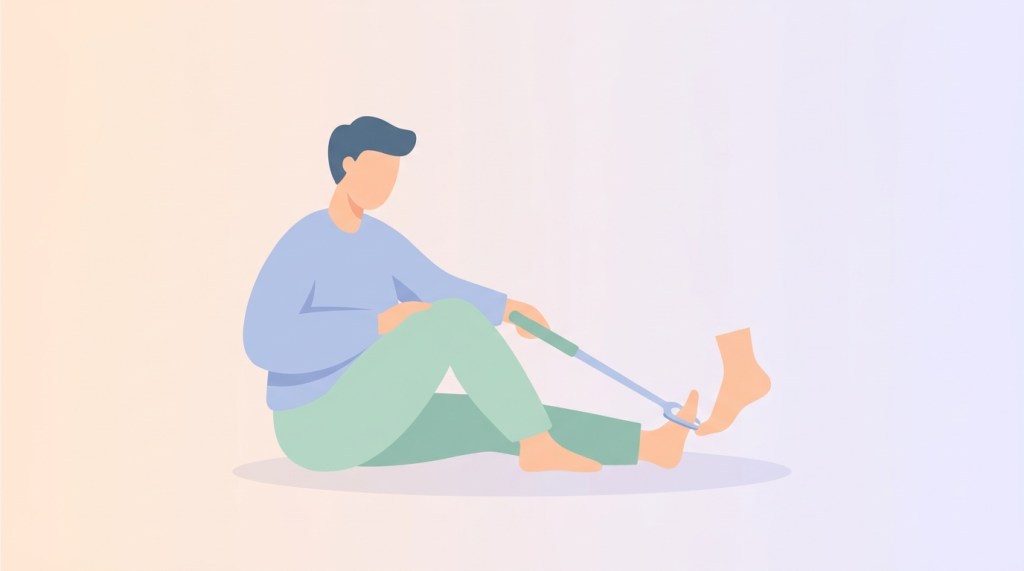
- Long-Handled Toenail Clippers or Scissors: These are specifically designed with extended handles to provide the leverage and reach you need without excessive bending or straining. Look for models with ergonomic grips for comfort and control. Long-Handled Clippers/Scissors
- Electric Nail File or Grinder: An excellent alternative to traditional clippers, electric files gently grind down the nail, reducing the risk of nicks or cuts. They are particularly useful for thick or hard-to-manage nails and offer a high degree of control. Electric Nail File
- Magnifying Mirror with Light: A mirror on a stand or with a suction cup, especially one with magnification and built-in lighting, can provide a clear view of your toenails without needing to crane your neck or strain your eyes.
- Warm Water Foot Bath or Basin: Soaking your feet for 5-10 minutes before trimming softens the nails, making them easier to cut or file. A collapsible or portable foot bath can be easier to manage. Foot Spa/Basin
- Soft Towel: For drying your feet thoroughly after soaking.
- Nail File (Emery Board or Glass File): Useful for smoothing any sharp edges after trimming or for fine-tuning the nail length. Nail File Set
- Moisturizer: To hydrate your feet and cuticles after care.
- Antiseptic Wipes or Rubbing Alcohol: For cleaning tools before and after use to prevent infection.
- Optional: Toenail Softening Cream: For exceptionally thick nails, a specialized cream can help soften them over several days before trimming.
- Optional: Nail Enhancer (for early signs of fungus): If you notice any discoloration or thickening that might indicate early nail fungus, a product containing undecylenic acid and tea tree oil can be beneficial. Jaws Podiatry Undecylenic Acid + Tea Tree Oil Nail Enhancer
Shop Jaws Podiatry on Amazon
Podiatrist-formulated foot-care products for fungus, calluses, and cracked heels.
Visit the Jaws Podiatry Store →As an Amazon Associate we earn from qualifying purchases.
Step-by-Step Guide: Trimming Toenails with Limited Reach
Follow these steps carefully to ensure a safe and effective toenail trimming experience:
-
Prepare Your Workspace and Feet
- Choose a Comfortable Spot: Find a well-lit area where you can sit comfortably and have stable support. A sturdy chair with armrests can be helpful. Ensure you have enough space to maneuver your tools.
- Gather Your Tools: Arrange all your necessary items within easy reach – clippers or electric file, magnifying mirror, towel, etc.
- Soak Your Feet: Fill a foot bath or basin with warm water (not hot) and soak your feet for 5-10 minutes. This softens the nails, making them much easier to trim and reducing the risk of splitting or breaking. You can add a mild soap or Epsom salts if desired, but ensure your feet are thoroughly rinsed afterward.
- Dry Your Feet Thoroughly: Pat your feet dry with a clean, soft towel, paying special attention to the areas between your toes to prevent fungal growth.
-
Positioning for Optimal View and Reach
- Utilize a Magnifying Mirror: Place the magnifying mirror on the floor or a low, stable surface in front of you. Angle it so you have a clear, magnified view of your toenails without having to bend excessively. Practice adjusting it until you find the best angle.
- Elevate Your Foot (If Possible): If you have some flexibility, resting your foot on a low stool or cushion can sometimes improve your angle and reach. However, prioritize comfort and stability.
- Good Lighting is Key: Ensure the area is brightly lit. Natural daylight is ideal, but a good task lamp can also work wonders.
-
Trimming Your Toenails Safely
- Clean Your Tools: Before you begin, wipe your clippers or electric file with an antiseptic wipe or rubbing alcohol. This is crucial for preventing infections.
- The Proper Cut:
- For Clippers: Using your long-handled clippers, carefully position the blades across the top of your toenail. Cut straight across, avoiding rounding the corners. Rounding the corners can lead to painful ingrown toenails. Make small cuts, moving across the nail, rather than trying to cut the entire nail in one go. Leave a small amount of white tip to protect the nail bed.
- For Electric Files: If using an electric nail file, select a low to medium speed setting. Gently guide the file across the top of the nail, moving back and forth to gradually shorten it. Focus on filing straight across the nail, maintaining its natural shape. Be careful not to apply too much pressure or file too aggressively, as this can generate heat and discomfort. This method is often preferred for very thick nails or if you have difficulty manipulating clippers.
- Address Thick Nails: If your toenails are particularly thick, an electric file is often the safest and most effective option. If using clippers, you may need to make several small cuts to gradually reduce the length. Never try to pry or force thick nails.
- Avoid Cutting Too Short: Always leave a small amount of nail at the tip. Cutting nails too short can expose the nail bed to bacteria and increase the risk of infection or ingrown nails.
- File Edges Smooth: After trimming or filing, use a regular nail file (emery board or glass file) to gently smooth any sharp edges or snags. Again, file in one direction and avoid rounding the corners excessively.
-
Post-Trimming Care
- Inspect Your Feet: Carefully examine your feet and nails for any nicks, cuts, or signs of irritation. Use your magnifying mirror for a thorough check.
- Moisturize: Apply a good quality foot moisturizer to your feet and nails to keep the skin hydrated and prevent dryness or cracking. This can also help maintain nail health.
- Clean Your Tools Again: Clean your clippers or electric file with antiseptic wipes or rubbing alcohol and store them in a clean, dry place.
Mistakes to Avoid
When you can’t reach your feet easily, it’s particularly important to be mindful of common errors that can lead to discomfort or more serious foot problems:
- Cutting Nails Too Short: This is a primary cause of ingrown toenails and can expose the nail bed to bacteria, leading to infection. Always leave a small white tip visible.
- Rounding the Corners: Cutting the sides of the nail too deeply can encourage the nail to grow into the surrounding skin, resulting in painful ingrown toenails. Always cut straight across.
- Using Dull or Improper Tools: Dull clippers can tear or split the nail, making it harder to get a clean cut and increasing the risk of injury. Using household scissors not designed for nails can also cause damage. Invest in good quality, sharp, and appropriately designed tools.
- Forcing Thick Nails: Attempting to cut very thick or hard nails with standard clippers can be frustrating and dangerous. It can cause the clippers to slip, leading to injury, or result in an uneven, jagged cut. Consider an electric file or professional care for these nails.
- Ignoring Hygiene: Failing to clean your tools before and after use can transfer bacteria and fungi, leading to infections. Always sterilize your equipment.
- Trimming Dry Nails: Dry nails are brittle and more prone to splitting, cracking, or breaking. Always soak your feet in warm water first to soften the nails.
- Neglecting Regular Inspection: Not regularly checking your feet and nails for changes, cuts, or signs of infection can delay treatment for potential problems, which can be more severe for individuals with certain health conditions.
Important Safety Note: If you have diabetes, neuropathy (nerve damage), poor circulation, or any condition that compromises your foot health, extreme caution is advised. Even a small cut or nick can lead to serious complications. In these cases, it is highly recommended to consult a podiatrist for regular professional toenail care rather than attempting to trim your nails yourself. A podiatrist can safely manage your nail care and monitor for any potential issues.
Key Takeaways
- Specialized long-handled clippers or electric nail files are essential tools for safely trimming toenails when reaching your feet is difficult.
- Always soak your feet in warm water before trimming to soften nails and reduce the risk of splitting or injury.
- Cut toenails straight across, avoiding rounding the corners, and leave a small white tip to prevent ingrown toenails.
- Use a magnifying mirror with good lighting to ensure a clear view and prevent accidental nicks or cuts.
- For individuals with diabetes, neuropathy, or poor circulation, professional podiatric care is strongly recommended for safe toenail maintenance.
Related Guides
Related Guides
Frequently Asked Questions
Can an electric nail file be used on all types of toenails?
Yes, electric nail files are generally versatile and can be used on most toenail types, including thick or fungal nails. They are often preferred for individuals with limited dexterity or reach, as they offer more control and reduce the risk of accidental cuts compared to traditional clippers. However, always start with a low speed and gentle pressure, especially if you have sensitive nails or conditions like diabetes. For severely thickened or ingrown nails, professional assessment by a podiatrist is best.
How often should I trim my toenails if I have limited mobility?
The frequency depends on your individual nail growth rate, but generally, toenails should be trimmed every 4-6 weeks. For individuals with limited mobility, consistency is key to prevent nails from becoming too long, which can increase the risk of snagging, pressure in shoes, or ingrown nails. If you find it challenging to manage this frequency yourself, consider scheduling regular appointments with a podiatrist or a professional foot care service.
What if I accidentally cut myself while trying to trim my toenails?
If you experience a minor cut, immediately clean the area with mild soap and water, then apply an antiseptic solution or cream. Cover it with a sterile bandage. Monitor the wound closely for any signs of infection, such as redness, swelling, increased pain, or pus. If the cut is deep, bleeds excessively, or shows signs of infection, especially if you have underlying health conditions like diabetes, seek immediate medical attention from your doctor or a podiatrist.
Are there professional services available for toenail trimming at home?
Yes, many areas offer in-home foot care services, often provided by registered nurses, foot care specialists, or even mobile podiatrists. These services are particularly beneficial for individuals with significant mobility limitations or underlying health conditions that make self-care risky. Check with your local health services, senior care centers, or search online for “mobile podiatry” or “in-home foot care” in your region to find available options.
Can I use regular fingernail clippers for my toenails?
It is generally not recommended to use regular fingernail clippers for toenails. Toenails are typically thicker and harder than fingernails, requiring stronger, larger clippers designed for the task. Fingernail clippers may not be strong enough, can cause the nail to split, or may not provide the necessary leverage, especially if you have limited reach. Using dedicated toenail clippers, particularly long-handled ones, is safer and more effective.


Leave a Reply