Shop Jaws Podiatry on Amazon
Podiatrist-formulated foot-care products for fungus, calluses, and cracked heels.
Visit the Jaws Podiatry Store →As an Amazon Associate we earn from qualifying purchases.
Knowing how to use a pumice stone correctly makes the difference between smooth, healthy heels and irritated, over-scrubbed skin. The right method is straightforward: soak your feet to soften the skin, rub the wet stone over rough areas with light, circular pressure, then rinse and moisturize. Used a few times a week, a pumice stone keeps calluses and rough patches under control safely.
What You’ll Need
- A natural volcanic pumice stone (or a quality synthetic one) shop pumice stones on Amazon
- A basin or tub of warm water for soaking find a foot bath here
- A clean towel
- A rich foot cream or balm to finish
Step-by-Step
- Soak your feet first. Sit with your feet in warm water for 5 to 10 minutes until the rough skin feels soft. Never use a pumice stone on dry skin, which is harsh and can cause tears.
- Wet the stone. Run the pumice under warm water. A wet stone glides better and is gentler than a dry one.
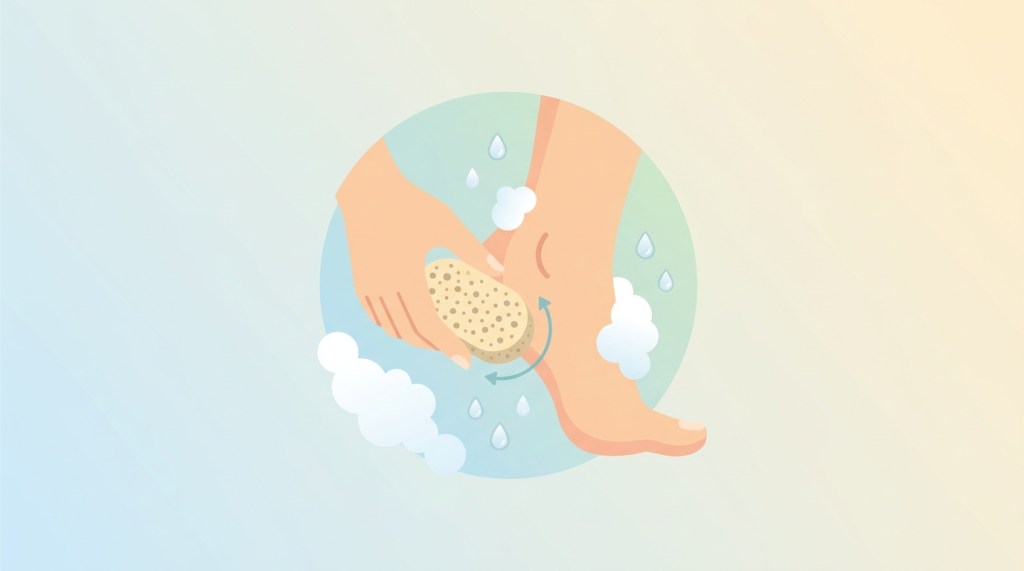
- Rub gently in circles. Move the stone over calluses and rough heels using light pressure and small circular motions for two to three minutes per area. Let the stone do the work; pressing hard removes healthy skin too.
- Check your progress. Rinse and look. Stop as soon as the skin feels smoother. You should never see redness, soreness, or any bleeding.
- Rinse, dry, and moisturize. Rinse off the loosened skin, pat dry, and apply a thick moisturizer to lock in hydration and prevent the callus from quickly returning.
Caring for Your Pumice Stone
Rinse the stone after each use to remove dead skin, then let it air-dry completely so bacteria don’t grow in the pores. Scrub it occasionally with a brush and replace it when it becomes too smooth to be effective or starts to crumble.
Shop Jaws Podiatry on Amazon
Podiatrist-formulated foot-care products for fungus, calluses, and cracked heels.
Visit the Jaws Podiatry Store →As an Amazon Associate we earn from qualifying purchases.
Mistakes to Avoid
- Using it on dry skin: Always soften and wet first to avoid micro-tears.
- Pressing too hard: Heavy pressure removes healthy skin and can trigger more callus.
- Over-using it: A few times a week is enough; daily aggressive scrubbing backfires.
- Skipping moisturizer: Dry skin after pumicing cracks and re-calluses faster.
- Sharing the stone: Pumice can harbor bacteria and fungus, so keep yours personal.
If you have diabetes, neuropathy, or poor circulation, check with a podiatrist before using a pumice stone. Reduced feeling in the feet means you may not sense when you’ve gone too far, raising the risk of a wound.
Key Takeaways
- Soak first, wet the stone, and use light circular pressure.
- Stop the moment skin feels smooth; never scrub to redness or soreness.
- Always moisturize afterward to prevent calluses from returning.
- Rinse and fully dry the stone after each use, and replace it periodically.
- People with diabetes or circulation problems should seek professional advice.
Frequently Asked Questions
How often should I use a pumice stone?
Two to three times a week is enough for most people. Daily use, especially with heavy pressure, can irritate the skin and cause calluses to thicken in response.
Should the pumice stone be wet or dry?
Always wet. Soak your feet and wet the stone first; using it dry is abrasive and increases the chance of nicks and irritation.
How do I keep my pumice stone clean?
Rinse it after each use, let it air-dry fully, and scrub it now and then. Replace it once it wears smooth or shows signs of breaking down.
Can a pumice stone remove a callus completely?
It gradually thins calluses with regular use, but very thick calluses may need a foot file or a podiatrist. Removing too much at once is unsafe, so work slowly over several sessions.
Shop Jaws Podiatry on Amazon
Podiatrist-formulated foot-care products for fungus, calluses, and cracked heels.
Visit the Jaws Podiatry Store →As an Amazon Associate we earn from qualifying purchases.


Leave a Reply