Shop Jaws Podiatry on Amazon
Podiatrist-formulated foot-care products for fungus, calluses, and cracked heels.
Visit the Jaws Podiatry Store →As an Amazon Associate we earn from qualifying purchases.
After pushing your limits on a long run, giving your feet the right attention is crucial for recovery and preventing injuries. Knowing how to care for feet after a long run involves a systematic approach: cleansing and inspecting them thoroughly, addressing any immediate issues like blisters or swelling, and then promoting recovery through massage and proper hydration. This guide will walk you through the essential steps to ensure your feet are ready for your next challenge.
What You’ll Need
- Warm water and mild soap
- Clean towel
- Epsom salts check the current price on Amazon
- Moisturizing foot cream or lotion check the current price on Amazon
- Massage tool (e.g., a lacrosse ball, golf ball, or foot roller) check the current price on Amazon
- Compression socks (optional, but beneficial for recovery) check the current price on Amazon
- Nail clippers or scissors check the current price on Amazon
- Pumice stone or foot file check the current price on Amazon
- Antifungal topical solution (for potential early nail fungus) check the current price on Amazon
- Callus cream (e.g., 40% urea cream) and stainless steel file kit check the current price on Amazon
- Blister care kit (bandages, antiseptic wipes) check the current price on Amazon
Shop Jaws Podiatry on Amazon
Podiatrist-formulated foot-care products for fungus, calluses, and cracked heels.
Visit the Jaws Podiatry Store →As an Amazon Associate we earn from qualifying purchases.
Step-by-Step Guide to Post-Run Foot Care
Immediate Post-Run Protocol
The moment you finish your run, focus on these initial steps to kickstart recovery.
- Remove Shoes and Socks: Take off your running shoes and socks as soon as possible. This allows your feet to breathe, reduces trapped moisture, and eases any pressure.
- Initial Inspection: Give your feet a quick visual check. Look for obvious hot spots, redness, or areas of discomfort that might indicate developing blisters or chafing.
- Elevate Your Feet: Lie down and prop your feet up above heart level for 10-15 minutes. This helps reduce swelling by promoting blood flow back towards your torso.
- Rehydrate: Drink plenty of water or an electrolyte-rich beverage to replenish fluids lost during your run. Proper hydration benefits your entire body, including your feet and muscles.
Cleanse and Soak
A thorough cleanse and a relaxing soak are vital for hygiene and soothing tired feet.
- Wash Your Feet: Use lukewarm water and a mild soap to gently wash your feet. Pay special attention to cleaning between your toes and around your nails. This removes sweat, dirt, and bacteria that can contribute to odor or infections.
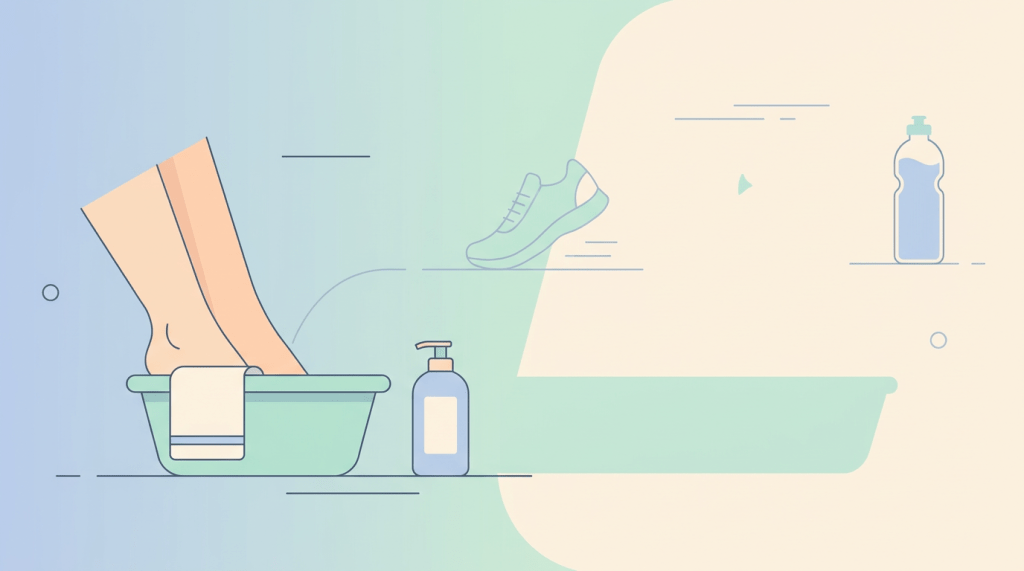
- Epsom Salt Foot Soak: Fill a basin with warm water and dissolve a cup of Epsom salts check the current price on Amazon. Soak your feet for 15-20 minutes. The magnesium in Epsom salts can help relax muscles, reduce inflammation, and soothe tired soles.
Thorough Drying and Detailed Inspection
After soaking, proper drying is crucial, followed by a detailed check for any issues.
- Pat Dry Completely: Using a clean towel, thoroughly pat your feet dry, making sure to get between each toe. Moisture left between toes creates an ideal environment for fungal growth, like athlete’s foot.
- Comprehensive Foot Check: Now that your feet are clean and dry, perform a detailed inspection.
- Blisters: Look for any new blisters, even small ones. Note their size and location.
- Redness and Swelling: Observe any persistent redness, swelling, or tender spots.
- Cuts, Scrapes, and Abrasions: Check for any broken skin, which could be a entry point for infection.
- Nails: Examine your toenails for any discoloration, lifting, or signs of bruising (runner’s toe).
- Calluses and Hot Spots: Identify any areas where calluses have built up or new hot spots have formed.
Address Specific Foot Issues
Deal with any problems you identified during your inspection promptly to prevent them from worsening.
- Blister Care:
- For small, intact blisters: Clean the area with antiseptic and cover with a hydrocolloid bandage or moleskin check the current price on Amazon to protect it. Avoid popping small blisters if possible, as the skin acts as a natural barrier against infection.
- For large, painful blisters: If a blister is very large, painful, or likely to rupture on its own, you might carefully drain it. Sterilize a needle with rubbing alcohol, gently puncture the edge of the blister, and allow the fluid to drain. Do NOT remove the skin flap. Cleanse the area, apply an antibiotic ointment, and cover with a sterile bandage.
- Callus Management: After soaking, your calluses will be softer. Gently use a pumice stone or a foot file check the current price on Amazon to carefully reduce thick calluses. Do not try to remove them completely in one go, as this can lead to irritation or injury. For persistent or very thick calluses, consider using a specialized callus cream, such as a 40% urea cream, which can help soften and exfoliate hardened skin. Jaws Podiatry offers a 40% urea callus cream and stainless steel file kit check the current price on Amazon designed for effective callus reduction.
- Nail Care: Trim your toenails straight across, not rounded, to help prevent ingrown toenails. Ensure they are not too long (which can cause pressure against your shoes) or too short (which can expose the nail bed). If you notice any discoloration or thickening that might indicate early nail fungus, an undecylenic acid + tea tree oil nail enhancer can be beneficial. Jaws Podiatry offers a product formulated with these ingredients check the current price on Amazon.
- Swelling and Bruising: Continue to elevate your feet. Applying a cold compress or an ice pack (wrapped in a cloth) to swollen or bruised areas for 15-20 minutes can help reduce inflammation.
- Blister Care:
Moisturize Your Feet
Rehydrate your skin to maintain its elasticity and prevent cracking.
- Apply Foot Cream: After your feet are dry and any specific issues have been addressed, generously apply a rich moisturizing foot cream or lotion check the current price on Amazon to your entire foot. This helps keep the skin supple and prevents dryness and cracking. However, avoid applying moisturizer between your toes, as this can trap moisture and encourage fungal growth.
Massage for Recovery
A gentle massage can significantly aid muscle recovery and improve circulation.
- Self-Massage Techniques: Use your hands to gently massage your arches, heels, and calves. You can also use a foot roller, golf ball, or lacrosse ball check the current price on Amazon to roll under your foot, focusing on tight spots. This helps release tension, improve blood flow, and reduce muscle soreness. Spend a few minutes on each foot, applying moderate pressure.
- Consider a Foot Massager: For deeper relaxation and relief, an electric foot massager check the current price on Amazon can be a worthwhile investment, providing consistent pressure and heat therapy.
Choose Proper Footwear and Socks
What you put on your feet post-run matters for continued recovery.
- Comfortable, Loose Shoes: Opt for open-toed sandals or loose-fitting, comfortable shoes check the current price on Amazon after your run. This prevents further pressure on your feet and allows them to breathe.
- Clean, Moisture-Wicking Socks: If you need to wear socks, choose a clean pair made of moisture-wicking material. This helps keep your feet dry and reduces the risk of fungal infections.
Consider Compression
Compression can be a valuable tool in post-run recovery.
- Wear Compression Socks: Slip on a pair of graduated compression socks check the current price on Amazon. These socks apply gentle pressure that helps improve circulation, reduce swelling, and speed up muscle recovery in your feet and lower legs. They can be worn for several hours post-run, or even overnight.
Mistakes to Avoid in Post-Run Foot Care
- Ignoring Pain or Discomfort: Persistent pain, especially sharp or localized pain, is a signal that something is wrong. Don’t push through it.
- Popping Blisters Incorrectly: Improperly draining blisters or tearing off the skin can introduce bacteria and lead to infection. Always use sterilized tools and leave the skin flap intact if draining.
- Neglecting Thorough Drying: Leaving moisture between your toes is a prime invitation for athlete’s foot and other fungal infections.
- Wearing Tight Shoes: Immediately after a run, your feet may be slightly swollen. Cramming them into tight shoes can exacerbate swelling and discomfort.
- Skipping Hydration: Dehydration affects your entire body, including muscle function and recovery in your feet.
- Aggressive Callus Removal: Over-filing or cutting off calluses can damage healthy skin, leading to pain, bleeding, and increased risk of infection. Always be gentle and gradual.
- Using the Same Running Shoes Daily: Give your running shoes at least 24 hours to air out and decompress between runs. Rotating shoes can extend their life and provide better cushioning.
When to See a Professional
While most post-run foot issues can be managed at home, certain symptoms warrant a visit to a podiatrist. Consult a professional if you experience:
- Persistent pain that doesn’t improve with rest and home care.
- Severe swelling, redness, or warmth, which could indicate an infection or more serious injury.
- Non-healing wounds or blisters that show signs of infection (pus, increasing redness, fever).
- Numbness, tingling, or changes in sensation in your feet.
- Significant changes in toenail appearance (severe discoloration, thickening, or pain).
Safety Note: Individuals with diabetes, neuropathy, or poor circulation should consult a podiatrist before performing any DIY foot care, especially when using sharp tools, files, or strong topical treatments. Their feet are more susceptible to injury and infection, and professional guidance is essential.
Key Takeaways
- Prioritize Immediate Care: Remove shoes, elevate feet, and hydrate right after your run.
- Cleanse and Inspect Thoroughly: Wash and dry your feet meticulously, then check for any issues like blisters, calluses, or nail problems.
- Address Issues Promptly: Treat blisters, gently manage calluses, and care for nails to prevent worsening.
- Promote Recovery: Use moisturizing creams and self-massage to soothe muscles and maintain skin health.
- Support with Proper Gear: Choose comfortable footwear and consider compression socks for continued recovery.
Frequently Asked Questions
How long should I elevate my feet after a long run?
Aim to elevate your feet above heart level for at least 10-15 minutes immediately after your run. You can repeat this process later in the day if you experience continued swelling.
Is an ice bath good after a long run?
Yes, an ice bath or cold water immersion for 10-15 minutes can be very effective after a long run. The cold helps constrict blood vessels, reducing inflammation and muscle soreness. It’s especially beneficial if you experience significant muscle fatigue or minor aches.
How often should I moisturize my feet?
For runners, moisturizing your feet daily is a good practice, especially after showering or soaking. This helps maintain skin elasticity, prevents dryness, and reduces the risk of cracked heels and calluses. Remember to avoid applying cream between your toes.
What are signs of overtraining in my feet?
Signs of overtraining in your feet can include persistent aches or soreness that doesn’t resolve with rest, new or worsening pain during or after runs, increased susceptibility to blisters or hot spots, and chronic fatigue in your foot muscles. Listen to your body and adjust your training if these symptoms appear.
When should I replace my running shoes?
Most running shoes should be replaced every 300-500 miles, or every 4-6 months, whichever comes first. The cushioning and support in shoes degrade over time, even if the outer appearance looks fine. Worn-out shoes can increase your risk of foot and lower limb injuries.


Leave a Reply