Shop Jaws Podiatry on Amazon
Podiatrist-formulated foot-care products for fungus, calluses, and cracked heels.
Visit the Jaws Podiatry Store →As an Amazon Associate we earn from qualifying purchases.
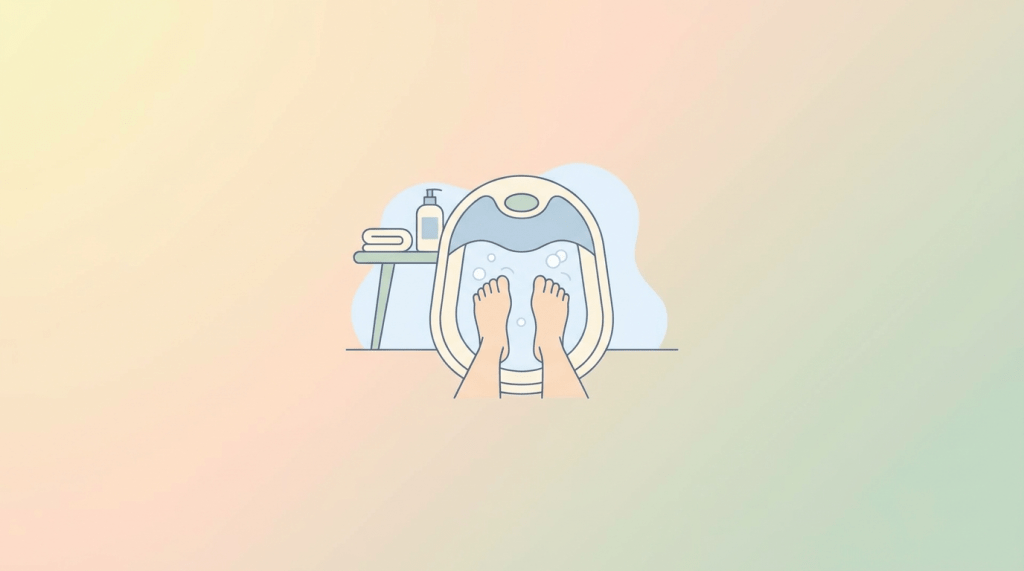
Achieving wonderfully soft feet begins with a proper foot soak, a simple yet powerful step in any effective foot care routine. To truly understand how to soak your feet for soft skin, you’ll want to combine warm water with beneficial additives, followed by gentle exfoliation and intense moisturization. This process helps hydrate dry skin, soften calluses, and prepares your feet for deeper nourishment, making them feel smooth and comfortable.
What You’ll Need
Gathering your supplies before you begin will ensure a relaxing and effective foot soaking experience. Here’s a list of essentials:
- Foot Basin or Tub: A dedicated basin is ideal, but a clean bucket or even your bathtub can work. Look for one that comfortably fits both feet. Find a foot basin here.
- Warm Water: Enough to cover your ankles comfortably.
- Soaking Agents:
- Epsom Salts: Rich in magnesium, they help soothe tired muscles and reduce inflammation. Shop Epsom salts.
- Essential Oils: A few drops of lavender for relaxation, tea tree oil for its antifungal properties, or peppermint for a refreshing sensation. Always dilute in a carrier oil or mix with Epsom salts first. Explore essential oil sets.
- Baking Soda: A natural exfoliant and deodorizer.
- Apple Cider Vinegar: Helps balance pH and has mild exfoliating properties.
- Gentle Foot Scrub or Exfoliation Tool:
- Pumice Stone: A classic for gently buffing away dead skin. Browse pumice stones.
- Foot File: A manual tool designed to smooth rough patches. Consider a stainless-steel file for effective callus removal. The Jaws Podiatry 40% Urea Callus Cream + Stainless-Steel File Kit includes a professional-grade file that’s excellent for tackling stubborn calluses. Check out the Jaws Podiatry Callus Kit.
- Exfoliating Scrub: A granular scrub to slough off dead skin cells. Discover foot scrubs.
- Clean Towel: Soft and absorbent.
- Rich Foot Moisturizer: A thick cream or balm is crucial for locking in moisture. A 40% urea cream is highly recommended for its powerful hydrating and exfoliating properties, especially for very dry or callused feet. The Jaws Podiatry 40% Urea Callus Cream is specifically formulated for this purpose. Get the Jaws Podiatry 40% Urea Callus Cream.
- Cotton Socks (Optional): To wear after moisturizing to enhance absorption. Find comfortable cotton socks.
Shop Jaws Podiatry on Amazon
Podiatrist-formulated foot-care products for fungus, calluses, and cracked heels.
Visit the Jaws Podiatry Store →As an Amazon Associate we earn from qualifying purchases.
Step-by-Step Guide: How to Soak Your Feet for Soft Skin
Follow these steps for an optimal foot soaking experience that will leave your skin feeling incredibly soft and smooth.
Prepare Your Soaking Station
Find a comfortable spot where you can relax for 15-30 minutes without interruption. Place your foot basin on a stable surface. Fill the basin with warm (not hot) water. The water temperature should be pleasant to the touch, similar to a warm bath, to avoid scalding or excessive drying. Ensure there’s enough water to cover your ankles.
Choose and Add Your Soaking Agent
This is where you customize your soak based on your needs. Add your chosen agents to the warm water before immersing your feet. Stir gently to dissolve any salts or distribute oils.
- For general relaxation and muscle relief: Add ½ to 1 cup of Epsom salts.
- For extra hydration and scent: Add 5-10 drops of essential oils (like lavender, tea tree, or peppermint) mixed with a tablespoon of a carrier oil (like jojoba or almond oil) or directly to the Epsom salts before adding to the water. Tea tree oil, in particular, offers antifungal benefits which can be a good preventative measure, especially if you’re prone to athlete’s foot or early nail fungus. For more targeted nail health, consider a dedicated product like the Jaws Podiatry Undecylenic Acid + Tea Tree Oil Nail Enhancer. Learn more about the Jaws Podiatry Nail Enhancer.
- For gentle exfoliation and odor control: Add ½ cup of baking soda.
- For pH balancing and mild exfoliation: Add ½ cup of apple cider vinegar.
Soak Your Feet
Gently lower your feet into the prepared basin. Relax and let your feet soak for 15 to 20 minutes. This duration is usually sufficient to soften the skin and calluses without over-hydrating, which can make skin too fragile. You can read a book, listen to music, or simply close your eyes and enjoy the moment.
Exfoliate Gently
After soaking, your skin will be softened and more receptive to exfoliation. This is a critical step for achieving truly soft skin. Remove your feet from the water and pat them lightly with a towel, leaving them slightly damp.
- For rough patches and calluses: Use a pumice stone or a foot file. Gently rub the tool over areas with thickened skin, such as heels and the balls of your feet. Apply light to moderate pressure, moving in one direction or small circles. Be careful not to over-exfoliate or rub too aggressively, as this can irritate the skin. The stainless-steel file from the Jaws Podiatry kit is excellent for safely and effectively reducing calluses.
- For overall skin smoothing: Apply a gentle foot scrub and massage it into your feet, focusing on rougher areas. Rinse off the scrub thoroughly.
Rinse and Dry Thoroughly
After exfoliating, rinse your feet with clean water to remove any loosened skin cells or product residue. Then, dry your feet completely with a clean towel, paying special attention to the areas between your toes. Thorough drying is essential to prevent fungal infections.
Moisturize Generously
This is arguably the most important step for locking in softness. While your skin is still slightly damp from drying, apply a generous amount of a rich, emollient foot cream or balm. Massage it into your entire foot, including the tops, bottoms, heels, and around your toes. For extremely dry or callused skin, a cream with 40% urea, like the Jaws Podiatry 40% Urea Callus Cream, is highly effective at drawing moisture into the skin and helping to gently shed dead cells over time. Nourish your feet with Jaws Podiatry Urea Cream.
Lock in Moisture (Optional but Recommended)
For an extra boost of hydration, especially if you have very dry feet, put on a pair of clean cotton socks immediately after applying moisturizer. This creates a barrier that helps the cream penetrate deeper into your skin and prevents it from rubbing off. It’s particularly effective if done before bed.
Repeat Regularly
Consistency is key to maintaining soft feet. Aim to soak your feet once or twice a week, or as needed, depending on your skin’s dryness and your lifestyle.
Mistakes to Avoid
While soaking your feet is generally beneficial, certain practices can hinder your progress or even harm your feet:
- Using Water That’s Too Hot: Extremely hot water can strip your skin of its natural oils, leading to more dryness and irritation. It can also be dangerous, especially for individuals with reduced sensation.
- Soaking for Too Long: While it might seem like more soaking equals softer skin, prolonged exposure to water can actually over-hydrate the skin, making it fragile and prone to damage, or even leading to maceration (skin becoming soggy and broken down). Stick to the 15-20 minute recommendation.
- Over-Exfoliating or Using Harsh Tools: Aggressive scrubbing, using overly abrasive files, or exfoliating too frequently can damage healthy skin, cause micro-tears, and lead to increased dryness or even infection. Always be gentle.
- Forgetting to Moisturize: Soaking opens up the skin’s pores and softens the outer layer, making it primed for moisture absorption. Skipping the moisturizing step will negate many of the benefits, allowing the skin to dry out quickly after the soak.
- Not Drying Feet Thoroughly: Leaving moisture, especially between the toes, creates a warm, damp environment perfect for fungal growth (like athlete’s foot).
- Using Harsh Chemicals or Fragrances: Some bath products contain strong chemicals, dyes, or artificial fragrances that can irritate sensitive skin, leading to allergic reactions or increased dryness. Stick to natural additives or products specifically designed for foot care.
Safety Note: Individuals with diabetes, neuropathy, or poor circulation should exercise extreme caution with any DIY foot care, including soaking, and especially when using sharp or abrasive tools. Always consult a podiatrist before attempting new foot care routines to ensure they are safe and appropriate for your specific health needs.
Key Takeaways
- A proper foot soak is a foundation for soft, healthy skin.
- Use warm water and beneficial soaking agents like Epsom salts or essential oils.
- Soak for 15-20 minutes to soften skin effectively without over-hydrating.
- Gently exfoliate after soaking using a pumice stone, foot file, or scrub to remove dead skin.
- Always follow with thorough drying and a rich moisturizer, ideally a urea-based cream, to lock in hydration.
Frequently Asked Questions
How often should I soak my feet for soft skin?
For most people, soaking your feet once or twice a week is sufficient to maintain soft skin. If you have extremely dry or callused feet, you might start with twice a week and then reduce to once a week as your skin improves. Listen to your feet and adjust as needed.
What’s the best thing to put in foot soak for soft feet?
Epsom salts are excellent for general softening and muscle relaxation. For enhanced softening and hydration, consider adding a few drops of moisturizing essential oils (diluted) or baking soda for gentle exfoliation. Apple cider vinegar can also help balance skin pH and soften rough patches. The key is to choose ingredients that address your specific concerns without irritating your skin.
Can I use just warm water?
While warm water alone will help soften the skin to some degree, adding beneficial agents like Epsom salts, essential oils, or baking soda significantly enhances the softening, soothing, and cleansing effects. These additives contribute minerals, gentle exfoliation, or antiseptic properties that plain water cannot provide, making your efforts more effective in achieving genuinely soft skin.
How long does it take to get soft feet from soaking?
You’ll likely notice an immediate improvement in skin softness after your first proper foot soak, exfoliation, and moisturization. However, achieving and maintaining truly soft feet, especially if you have significant calluses or dryness, requires consistent care over several weeks. Regular soaking, exfoliating, and moisturizing will lead to progressively softer and smoother skin.
Is it good to soak your feet every day?
Soaking your feet every day is generally not recommended. Daily soaking, especially for extended periods, can strip your skin of its natural oils, leading to increased dryness, irritation, and potentially making your skin more susceptible to fungal infections due to constant moisture exposure. Sticking to once or twice a week is usually best for optimal results without adverse effects.


Leave a Reply