Shop Jaws Podiatry on Amazon
Podiatrist-formulated foot-care products for fungus, calluses, and cracked heels.
Visit the Jaws Podiatry Store →As an Amazon Associate we earn from qualifying purchases.
Caring for an elderly parent’s feet is a vital aspect of their overall health and well-being, directly impacting their mobility, comfort, and independence. This comprehensive guide will walk you through how to care for elderly parents feet, ensuring they remain healthy, comfortable, and free from common complications that can arise with age.
What You’ll Need
Having the right tools on hand makes the foot care routine much smoother and more effective. Here’s what you should gather:
- Foot Basin or Tub: A comfortable basin for soaking the feet.
- Mild Soap: A gentle, moisturizing soap, preferably unscented, to avoid irritation.
- Soft Towel: A clean, soft towel for thorough drying.
- Moisturizing Cream or Lotion: A rich, hypoallergenic moisturizer, ideally fragrance-free.
- Straight-Edge Nail Clippers: Designed for safe, straight cuts to prevent ingrown toenails. Get straight-edge nail clippers here.
- Emery Board or Nail File: For smoothing sharp edges after clipping. Find a gentle nail file here.
- Callus & Cracked Heel Cream: For softening thickened skin. Consider a 40% urea cream, like the Jaws Podiatry 40% Urea Callus Cream. Purchase Jaws Podiatry 40% Urea Callus Cream + Stainless Steel File Kit.
- Foot File or Pumice Stone: A gentle tool for carefully reducing calluses and rough skin. The stainless steel file from the Jaws Podiatry kit is effective. This kit includes a suitable foot file. Alternatively, a gentle electric callus remover can be used with caution. Explore electric callus removers.
- Antifungal Nail Enhancer: For addressing early signs of nail fungus. Jaws Podiatry offers an undecylenic acid + tea tree oil formula. Check out the Jaws Podiatry Undecylenic Acid + Tea Tree Oil Nail Enhancer.
- Clean, Seamless Socks: Non-binding, moisture-wicking socks are ideal. Browse comfortable, seamless socks.
- Comfortable, Well-Fitting Shoes: Shoes that provide support without constriction.
- Gloves (Optional): If you prefer to wear them for hygiene.
Shop Jaws Podiatry on Amazon
Podiatrist-formulated foot-care products for fungus, calluses, and cracked heels.
Visit the Jaws Podiatry Store →As an Amazon Associate we earn from qualifying purchases.
Step-by-Step Guide to Elderly Foot Care
Follow these steps to provide comprehensive and gentle foot care for your elderly parent.
-
Step 1: Prepare Your Space and Supplies
Before you begin, ensure you have all your tools and products laid out and within easy reach. Choose a comfortable, well-lit area where your parent can relax, ideally with their feet easily accessible. Ensure the room is warm to prevent chills.
-
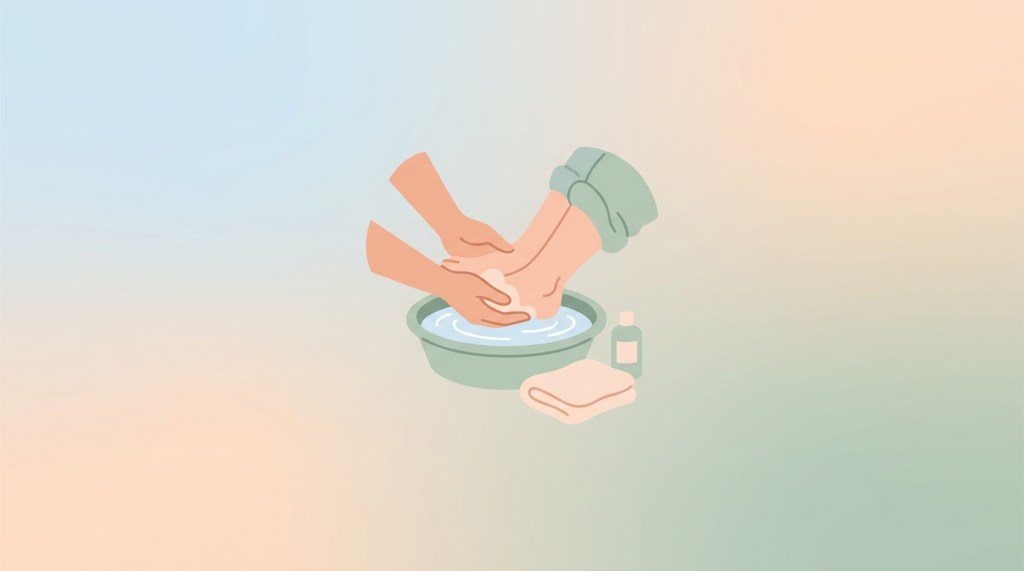
Step 2: Start with a Gentle Foot Soak
Fill a basin with warm (not hot!) water. Test the water temperature yourself first, then ask your parent to confirm it’s comfortable. Water that is too hot can cause burns, especially for individuals with reduced sensation. Add a small amount of mild, moisturizing soap. Allow your parent’s feet to soak for 5-10 minutes. This softens the skin and nails, making them easier to clean and manage. For individuals with diabetes, neuropathy, or poor circulation, limit soaking to a few minutes or opt for a gentle wipe-down with a warm, damp cloth instead, as prolonged soaking can increase the risk of skin breakdown.
-
Step 3: Thoroughly Dry the Feet
After soaking, lift one foot out at a time and gently pat it completely dry with a soft towel. Pay extra attention to the spaces between the toes, as moisture left here can lead to fungal infections like athlete’s foot. Ensure every part of the foot is thoroughly dry before moving on.
-
Step 4: Inspect for Issues
This is a critical step in how to care for elderly parents feet. Carefully examine each foot, including the soles, heels, toes, and between the toes. Look for:
- Skin Changes: Redness, swelling, blisters, cuts, cracks, sores, peeling skin, or discoloration.
- Nail Changes: Discolored, thickened, crumbly, or ingrown toenails (signs of fungus or trauma).
- Temperature Changes: Feel for any areas that are unusually warm or cool.
- Pressure Points: Noticeable calluses, corns, or bunions.
If your parent has diabetes, neuropathy, or poor circulation, this inspection is even more crucial, as they may not feel pain from injuries or infections. Any new or concerning findings should be noted and, if necessary, brought to the attention of a podiatrist or general practitioner.
-
Step 5: Address Nail Care
Using straight-edge nail clippers, trim toenails straight across, not too short, and avoid rounding the corners. Cutting them too short or curving the edges can lead to painful ingrown toenails. After clipping, gently smooth any sharp edges with an emery board or nail file. Never cut or push back cuticles, as this can introduce bacteria and lead to infection. If nails are very thick, discolored, or difficult to cut, or if you suspect an ingrown toenail, it’s best to consult a podiatrist, especially for individuals with underlying health conditions.
-
Step 6: Moisturize and Massage
Apply a generous amount of moisturizing cream or lotion to the entire foot, focusing on dry areas like the heels and soles. Gently massage the cream into the skin. This not only hydrates the skin but also stimulates circulation and provides a soothing experience. Avoid applying moisturizer between the toes, as this can trap moisture and promote fungal growth.
-
Step 7: Tackle Calluses and Dry Skin
For areas with calluses or severely dry, cracked heels, apply a specialized cream containing urea, like the Jaws Podiatry 40% Urea Callus Cream. This cream can be very effective. After applying the cream, you can gently use a foot file or pumice stone to carefully reduce the thickened skin. The stainless steel file included in the Jaws Podiatry kit works well for this purpose. Access the full kit here. Always be gentle; never rub aggressively or use sharp blades, especially on individuals with diabetes, neuropathy, or poor circulation, as this can cause injury and lead to serious complications. If calluses are deep or painful, a podiatrist should address them.
-
Step 8: Monitor for Fungal Infections
If you notice early signs of nail fungus (discoloration, thickening, brittleness) or athlete’s foot (redness, itching, peeling between toes), consider using an appropriate antifungal treatment. For early nail fungus, a product like the Jaws Podiatry Undecylenic Acid + Tea Tree Oil Nail Enhancer can be applied as directed. Find the Jaws Podiatry Nail Enhancer here. For persistent or severe infections, a podiatrist’s evaluation is essential.
-
Step 9: Protect with Appropriate Footwear
Once the foot care routine is complete, help your parent put on clean, dry, seamless socks. These should be non-binding to avoid restricting circulation. Seamless socks are a great choice. Then, assist them into comfortable, well-fitting shoes that offer good support and ample toe room. Avoid tight shoes, high heels, or shoes with pointed toes, which can cause pressure and deformities. For around the house, well-fitting slippers with good soles are preferable to walking barefoot, which can increase the risk of injury.
Mistakes to Avoid
To ensure safe and effective foot care for your elderly parent, be aware of these common pitfalls:
- Cutting Nails Too Short or Rounded: This is a primary cause of ingrown toenails. Always cut straight across.
- Ignoring Signs of Infection or Injury: Redness, swelling, pus, warmth, or persistent pain should never be overlooked, especially in individuals with compromised circulation or sensation.
- Using Harsh Chemicals or Sharp Tools: Avoid strong antiseptics, medicated pads, or sharp objects (like razor blades) to remove calluses or corns, as these can cause burns, cuts, and serious infections.
- Over-Soaking Feet: Prolonged soaking, especially in hot water, can dry out the skin and exacerbate certain conditions. For those with specific health concerns like diabetes, soaking should be limited or avoided.
- Not Drying Thoroughly: Moisture trapped between toes creates a perfect breeding ground for fungal and bacterial infections.
- Ill-Fitting Footwear: Shoes that are too tight, too loose, or lack support can lead to bunions, hammertoes, corns, calluses, and instability, increasing the risk of falls.
- Neglecting Daily Checks: Even on days without a full foot care routine, a quick visual inspection can catch problems early.
Safety Note: For people with diabetes, neuropathy (nerve damage), or poor circulation, extreme caution is necessary. These conditions can significantly impair sensation and healing, making them highly susceptible to complications from even minor injuries. Always consult a podiatrist before attempting DIY foot care, using sharp or abrasive tools, or applying any new products if your parent has these health concerns.
Key Takeaways
- Regular Inspection is Crucial: Daily visual checks can help catch problems early before they become severe.
- Gentle Cleaning and Thorough Drying: Maintain hygiene while preventing skin irritation and fungal growth.
- Proper Nail Trimming: Always cut toenails straight across to prevent painful ingrown nails.
- Moisturize and Address Dry Skin: Keep skin hydrated and gently manage calluses, avoiding harsh methods.
- Appropriate Footwear is Essential: Ensure shoes and socks are comfortable, supportive, and well-fitting to protect feet and prevent issues.
- Don’t Hesitate to Seek Professional Help: For any persistent issues, pain, or concerning changes, consult a podiatrist promptly.
Frequently Asked Questions
How often should I check my elderly parent’s feet?
Ideally, you should perform a quick visual check of your elderly parent’s feet daily, especially if they have diabetes or other circulatory issues. A more thorough foot care routine, including soaking, cleaning, nail trimming, and moisturizing, should be done weekly or bi-weekly, depending on their individual needs and the advice of a podiatrist. Consistency is key to preventing problems.
What are common foot problems in the elderly?
Elderly individuals are prone to various foot issues, including fungal infections (athlete’s foot and nail fungus), calluses and corns due to pressure, bunions, hammertoes, ingrown toenails, cracked heels, dry skin, and circulatory problems. Neuropathy, often associated with diabetes, can also lead to a loss of sensation, making them unaware of injuries or infections.
Can I use an electric foot file on my elderly parent?
While electric foot files can be effective for reducing calluses, extreme caution is advised for elderly individuals, particularly those with diabetes, neuropathy, or poor circulation. Their skin can be more fragile and prone to injury, and they may not feel if the file is causing too much friction or heat. A gentle manual foot file from a kit like Jaws Podiatry’s 40% Urea Callus Cream + Stainless Steel File Kit is often a safer alternative. If in doubt, consult a podiatrist before using any abrasive tools.
What kind of socks are best for elderly feet?
The best socks for elderly feet are seamless, non-binding, and made from soft, breathable, moisture-wicking materials like cotton blends, bamboo, or specialized synthetic fibers. Seamless designs prevent irritation and pressure points, while non-binding tops avoid restricting circulation. Moisture-wicking properties help keep feet dry, reducing the risk of fungal infections.
How can I encourage my parent to care for their own feet?
Encourage self-care by making the routine comfortable and accessible. Provide them with easy-to-use tools if they are able, educate them on the benefits of good foot health, and highlight the importance of daily inspection. If they have difficulty reaching their feet or performing tasks, offer your assistance or consider professional podiatric care. Making it a shared, pleasant activity can also increase their willingness to participate.


Leave a Reply