Shop Jaws Podiatry on Amazon
Podiatrist-formulated foot-care products for fungus, calluses, and cracked heels.
Visit the Jaws Podiatry Store →As an Amazon Associate we earn from qualifying purchases.
Aching arches can significantly impact your daily comfort and mobility, often stemming from issues like plantar fasciitis, overpronation, or excessive strain. To effectively relieve aching arches, a multi-faceted approach is often best, combining rest, targeted stretches, ice therapy, supportive footwear, and the use of specialized tools. By addressing the root causes and providing proper care, you can reduce discomfort and restore healthy foot function.
What You’ll Need
- Supportive Footwear: Shoes with good arch support and cushioning. Find supportive shoes here.
- Arch Support Insoles: Over-the-counter or custom orthotics to provide additional support. Explore arch support insoles.
- Ice Pack or Cold Compress: For reducing inflammation and pain. Shop for ice packs.
- Tennis Ball or Foot Roller: For self-massage and myofascial release. Get a foot roller.
- Epsom Salts: For soothing foot soaks. Purchase Epsom salts.
- Moisturizing Cream: To keep skin supple, especially if you have dry feet.
- Stretching Strap or Towel: To assist with specific stretches. Find a stretching strap.
Shop Jaws Podiatry on Amazon
Podiatrist-formulated foot-care products for fungus, calluses, and cracked heels.
Visit the Jaws Podiatry Store →As an Amazon Associate we earn from qualifying purchases.
Step-by-Step Guide to Relieving Aching Arches
Follow these steps to effectively manage and relieve your arch pain. Consistency is key for lasting relief.
-
Step 1: Rest and Elevate Your Feet
When arch pain flares up, the first and most crucial step is to reduce the load on your feet. Extended periods of standing or walking can exacerbate inflammation and discomfort. Lying down with your feet propped up above heart level helps to reduce swelling and improve circulation, which aids in healing.
- Immediate Relief: As soon as you feel significant arch pain, take a break. Sit or lie down.
- Elevation Technique: Use pillows to elevate your feet for 15-20 minutes at a time, several times a day. This is particularly helpful after activity or at the end of the day.
-
Step 2: Apply Ice Therapy
Ice is a powerful tool for reducing inflammation and numbing pain. Cold therapy constricts blood vessels, which helps to minimize swelling in the affected tissues.
- Method 1 (Ice Pack): Wrap an ice pack or a bag of frozen peas in a thin towel to prevent direct contact with the skin. Apply to the bottom of your foot, focusing on the arch, for 15-20 minutes. Repeat several times a day, especially after activity.
- Method 2 (Ice Bottle Massage): Freeze a plastic water bottle. Place it on the floor and roll your aching arch over it for 10-15 minutes. This provides both cold therapy and a gentle massage, targeting the plantar fascia and arch muscles.
-
Step 3: Perform Targeted Stretches and Exercises
Tight muscles and fascia are common contributors to aching arches. Regular stretching can improve flexibility, reduce tension, and strengthen the supporting structures of the foot.
-
Calf Stretches
Tight calf muscles (gastrocnemius and soleus) can pull on the Achilles tendon, which in turn affects the plantar fascia and arch.
- Gastrocnemius Stretch: Stand facing a wall, place your hands on it. Step one foot back, keeping the heel on the floor and the leg straight. Lean forward until you feel a stretch in your calf. Hold for 30 seconds, repeat 3 times per leg.
- Soleus Stretch: From the same position, bend both knees slightly, keeping the back heel on the floor. You’ll feel the stretch lower in your calf. Hold for 30 seconds, repeat 3 times per leg.
-
Plantar Fascia Stretch
This stretch directly targets the band of tissue running along the bottom of your foot.
- Seated Stretch: Sit down and cross one leg over the other, resting your ankle on your opposite knee. Grab your toes and gently pull them back towards your shin until you feel a stretch in the arch of your foot. Hold for 30 seconds, repeat 3 times per foot.
- Wall Stretch: Place the ball of your foot against a wall with your heel on the floor. Lean forward gently until you feel a stretch in your arch. Hold for 30 seconds, repeat 3 times per foot.
-
Toe Curls / Marble Pick-Ups
These exercises strengthen the intrinsic muscles of the foot, which support the arch.
- Toe Curls: Sit in a chair with your feet flat on the floor. Place a small towel on the floor in front of you. Using only your toes, scrunch the towel towards you. Repeat 10-15 times per foot.
- Marble Pick-Ups: Place 10-15 marbles (or similar small objects) on the floor. Using only your toes, pick up each marble and place it into a cup. Repeat until all marbles are moved.
-
-
Step 4: Self-Massage Your Arches
Massage can help to break up adhesions, improve blood flow, and relieve tension in the muscles and fascia of the foot.
- Manual Massage: Use your thumbs to apply firm pressure to your arch, moving from the heel towards the toes. Focus on any tender spots, working in small circular motions.
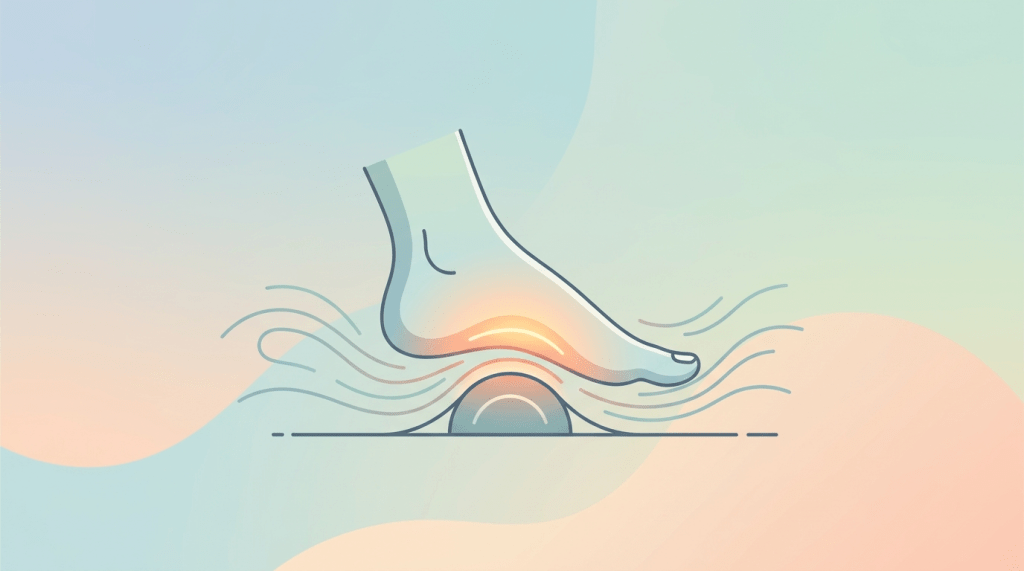
- Foot Roller or Tennis Ball: Sit in a chair and place a foot roller or tennis ball on the floor. Roll your bare foot back and forth over the object, applying gentle to moderate pressure. Concentrate on the arch and any painful areas. Do this for 5-10 minutes per foot. A good foot roller can make a big difference.
-
Step 5: Ensure Proper Footwear and Arch Support
One of the most common reasons for aching arches is inadequate support from footwear. The right shoes and insoles can make a significant difference in how to relieve aching arches.
- Supportive Shoes: Choose shoes that offer good arch support, cushioning, and a stable heel counter. Avoid flat, unsupportive shoes like flip-flops or worn-out sneakers. Replace athletic shoes every 300-500 miles or every 6-12 months, depending on usage. Browse for supportive footwear.
- Arch Support Insoles: Over-the-counter insoles can provide extra cushioning and support for your arches. Look for options designed for arch pain or plantar fasciitis. For persistent or severe pain, a podiatrist might recommend custom orthotics. Find effective arch support insoles.
-
Step 6: Try Epsom Salt Soaks
Epsom salt (magnesium sulfate) soaks can help relax muscles and reduce inflammation, offering soothing relief for tired and aching feet.
- Preparation: Fill a basin or tub with warm water (not hot) and add half a cup to a full cup of Epsom salts.
- Soaking: Soak your feet for 15-20 minutes. The warm water promotes circulation, and the magnesium may help with muscle relaxation.
-
Step 7: Consider Night Splints (for Persistent Pain)
For individuals experiencing persistent arch pain, particularly from plantar fasciitis, a night splint can be beneficial. These devices gently stretch the plantar fascia and Achilles tendon overnight, preventing the fascia from tightening up while you sleep.
- How they work: Night splints hold your foot in a dorsiflexed position (toes pointed upwards), keeping the plantar fascia in a lengthened state.
- Usage: Wear a night splint as directed by your podiatrist. Consistency is key for effectiveness. Explore night splints.
-
Step 8: Maintain a Healthy Weight
Excess body weight places additional stress on your feet, including the arches. Reducing weight can significantly lessen the load on your plantar fascia and other foot structures, contributing to long-term relief from aching arches.
- Impact Reduction: Even a modest weight loss can make a noticeable difference in foot pain.
- Consult a Professional: If weight management is a concern, consult with a healthcare provider for personalized advice.
Mistakes to Avoid
- Ignoring the Pain: Pushing through arch pain can worsen the underlying condition, leading to chronic issues. Listen to your body and rest when needed.
- Wearing Unsupportive Footwear: Continuously wearing shoes that lack proper arch support or cushioning will hinder recovery and perpetuate pain.
- Skipping Stretches: Regular stretching is crucial for improving flexibility and reducing tension. Inconsistent stretching will yield inconsistent results.
- Applying Ice Directly to Skin: Direct contact with ice can cause skin damage. Always wrap ice packs in a thin towel.
- Self-Diagnosing Severe Conditions: While these home remedies are effective for common arch pain, they are not a substitute for professional medical advice if your pain is severe, persistent, or accompanied by other symptoms.
Safety Note: If you have diabetes, neuropathy, or poor circulation, it is crucial to consult a podiatrist or your primary care physician before attempting any DIY foot care, using new tools, or starting new exercise routines. These conditions can affect sensation and healing, making careful professional guidance essential.
Key Takeaways
- Effective relief for aching arches involves a combination of rest, ice, targeted stretches, and proper foot support.
- Supportive footwear and arch support insoles are fundamental in preventing and managing arch pain.
- Consistent stretching of the calves and plantar fascia is vital for long-term flexibility and pain reduction.
- Self-massage with a foot roller or tennis ball can help release tension and improve blood flow.
- Do not ignore persistent or worsening pain; consult a podiatrist for a proper diagnosis and treatment plan.
Related Guides
Related Guides
Frequently Asked Questions
What causes aching arches?
Aching arches are most commonly caused by plantar fasciitis, an inflammation of the thick band of tissue (plantar fascia) that runs across the bottom of your foot, connecting your heel bone to your toes. Other causes include overpronation (when your foot rolls inward excessively), high arches, flat feet, prolonged standing or walking, unsupportive footwear, sudden increase in activity, and sometimes even nerve entrapment or stress fractures.
How long does it take for arch pain to go away?
The duration of arch pain varies widely depending on the underlying cause, severity, and consistency of treatment. For mild cases of plantar fasciitis or arch strain, relief can be felt within a few days to a few weeks with consistent home care. More severe or chronic conditions may take several months to fully resolve. Adherence to a treatment plan, including rest, stretching, and supportive footwear, is critical for a quicker recovery.
Are arch supports good for aching arches?
Yes, arch supports (orthotics or insoles) are often highly beneficial for aching arches. They help to properly align the foot, distribute pressure more evenly, and provide cushioning, reducing strain on the plantar fascia and other arch structures. Over-the-counter options can provide relief for many, while custom orthotics prescribed by a podiatrist may be necessary for more complex biomechanical issues or persistent pain.
Can flat feet cause aching arches?
Absolutely. While it might seem counterintuitive, flat feet (pes planus) can indeed lead to aching arches. This is because flat feet often involve overpronation, where the arch collapses inward excessively during walking or running. This abnormal motion places increased stress and strain on the plantar fascia, muscles, and ligaments of the arch, leading to pain and discomfort. Supportive footwear and arch supports are particularly important for individuals with flat feet.
What is the best way to prevent aching arches from returning?
Preventing the recurrence of aching arches involves consistent foot care and lifestyle adjustments. Key strategies include regularly wearing supportive shoes with good arch support, replacing worn-out footwear promptly, incorporating daily foot and calf stretches into your routine, maintaining a healthy weight, and gradually increasing activity levels to avoid sudden strain. If you have a history of arch pain, consider using arch support insoles even when pain-free as a preventative measure.


Leave a Reply