Shop Jaws Podiatry on Amazon
Podiatrist-formulated foot-care products for fungus, calluses, and cracked heels.
Visit the Jaws Podiatry Store →As an Amazon Associate we earn from qualifying purchases.
Cracked heels can be a common and painful problem, but for individuals with diabetes, they pose a significant health risk if not managed properly. The good news is that learning how to treat cracked heels for diabetics involves a consistent routine of gentle care, deep moisturization, and vigilant foot inspection. This guide will walk you through safe and effective steps to address cracked heels, emphasizing practices that promote foot health and prevent complications.
What You’ll Need
Gathering the right tools and products is the first step towards effectively treating cracked heels while managing diabetes. Always prioritize gentle, diabetic-friendly options.
- Lukewarm Water: For a soothing foot soak. Ensure it’s not hot, as diabetics may have reduced temperature sensation.
- Mild, pH-Balanced Soap: Free from harsh chemicals, fragrances, and dyes that can irritate sensitive skin.
- Soft, Clean Towel: To gently pat your feet dry without rubbing.
- Diabetic-Friendly Foot Cream with Urea: A high-quality cream containing at least 25-40% urea is ideal for breaking down hardened skin and deeply moisturizing. Look for one specifically designed for diabetic foot care. We recommend the Jaws Podiatry 40% Urea Callus Cream for its effectiveness in hydrating and softening tough skin (Jaws Podiatry 40% Urea Callus Cream).
- Fine-Grit Pumice Stone or Foot File: For very gentle exfoliation. Avoid coarse or metal files, which can cause injury. The Jaws Podiatry Callus Cream + Stainless Steel File Kit offers a suitable, gentle option when used carefully (Jaws Podiatry Callus Cream + Stainless Steel File Kit).
- Diabetic Socks: Non-binding, moisture-wicking socks to protect feet and prevent friction. (Diabetic Socks)
- Comfortable, Supportive Shoes: Well-fitting shoes that fully enclose the foot are essential for daily protection. (Comfortable Diabetic Shoes)
- Foot Mirror (Optional): Useful for inspecting the soles of your feet if you have difficulty bending. (Foot Inspection Mirror)
Shop Jaws Podiatry on Amazon
Podiatrist-formulated foot-care products for fungus, calluses, and cracked heels.
Visit the Jaws Podiatry Store →As an Amazon Associate we earn from qualifying purchases.
Step-by-Step Guide to Treating Cracked Heels
Following these steps consistently and carefully can significantly improve the condition of your cracked heels. Remember, patience and gentleness are key.
-
Step 1: Prepare Your Feet with a Gentle Soak
Begin by soaking your feet in lukewarm water for about 10-15 minutes. This helps to soften the skin on your heels, making it easier and safer to treat. Test the water temperature with your elbow or ask a family member to ensure it’s not too hot, as nerve damage (neuropathy) can impair your ability to feel extreme temperatures. Add a small amount of mild, pH-balanced soap to the water if desired. Avoid prolonged soaking, which can dry out the skin further.
-
Step 2: Gentle Exfoliation (Use with Caution)
After soaking, gently pat your feet almost dry, leaving the skin slightly damp. Using a fine-grit pumice stone or a diabetic-friendly foot file, carefully and lightly buff the thickened, callused areas around your cracked heels. Important Safety Note: Never use sharp blades, razors, or coarse metal files. If you have neuropathy, poor circulation, or any open sores, consult your podiatrist before attempting any exfoliation. The goal is to remove only the outermost layer of dead skin, not to aggressively scrub or cause pain. Stop immediately if you feel any discomfort or see any redness. Limit this step to once or twice a week.
Safety First: For individuals with diabetes, especially those with neuropathy or poor circulation, any form of exfoliation carries a risk of injury. Always consult your podiatrist before using abrasive tools, and proceed with extreme caution and gentleness.
-
Step 3: Deep Moisturization
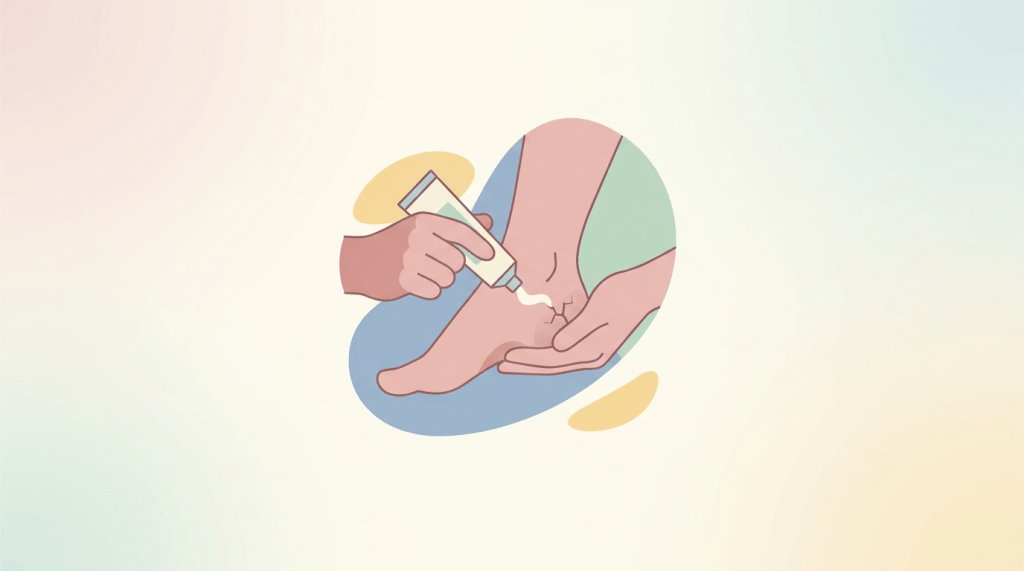
Immediately after exfoliating (or after soaking if you skip exfoliation) and thoroughly drying your feet, apply a generous amount of diabetic-friendly foot cream. A cream with a high concentration of urea (25-40%) is highly effective for cracked heels because it helps to break down dead skin cells while deeply hydrating. Massage the cream into your heels and the rest of your feet, paying extra attention to the cracked areas. For best results, apply the cream at least twice daily, especially after bathing and before bed. The Jaws Podiatry 40% Urea Callus Cream is an excellent choice for its targeted action on dry, cracked skin (Jaws Podiatry 40% Urea Callus Cream).
-
Step 4: Protect Your Feet
Once the cream has absorbed, put on a pair of clean, dry diabetic socks. These socks are designed to be non-binding, wick away moisture, and reduce friction, providing an extra layer of protection for your feet. Avoid walking barefoot, even indoors, as this exposes your feet to potential injuries and can worsen cracks. Always wear comfortable, well-fitting, closed-toe shoes that provide adequate support and cushioning.
-
Step 5: Daily Foot Inspection
Make a habit of inspecting your feet daily, preferably at the same time each day (e.g., before bed). Look for any new cracks, redness, swelling, blisters, cuts, or signs of infection (pus, warmth, increased pain). Use a foot mirror if you have difficulty seeing the bottoms of your feet. Early detection of problems is crucial for diabetics to prevent serious complications.
-
Step 6: Consistency is Key
Treating cracked heels for diabetics is not a one-time fix; it requires ongoing commitment. Maintain your daily routine of moisturizing and foot inspection. Regular, gentle care will help prevent cracks from recurring and keep your feet healthy and comfortable.
Mistakes to Avoid
When you have diabetes, certain practices that might seem harmless for others can be dangerous for your feet. Avoid these common mistakes:
- Using Harsh Exfoliants: Never use razor blades, sharp tools, or very coarse files on your feet. These can easily cause cuts, which are slow to heal in diabetics and can lead to serious infections.
- Picking or Peeling Skin: Resist the urge to pick at loose skin or scabs. This can tear healthy skin, creating open wounds.
- Ignoring Cracks or Signs of Infection: Even small cracks can be entry points for bacteria. Do not ignore any changes in your foot health, especially redness, swelling, increased pain, warmth, or pus.
- Using Products with Alcohol or Strong Fragrances: Many over-the-counter foot creams contain alcohol, perfumes, or dyes that can dry out and irritate sensitive diabetic skin. Always choose products specifically designed for diabetic foot care or those recommended by a podiatrist.
- Walking Barefoot: Walking barefoot, even at home, increases your risk of cuts, punctures, and infections. Always wear protective footwear.
- Hot Water Soaks: Hot water can strip your skin of natural oils, leading to further dryness and cracking. It can also cause burns if you have nerve damage. Stick to lukewarm water.
- Self-Treating Deep Cracks or Wounds: If your cracked heels are deep, bleeding, painful, or show any signs of infection, do not attempt to treat them yourself. Seek professional medical attention immediately.
When to See a Podiatrist
Given the unique challenges of diabetic foot care, it’s essential to know when to seek professional help. If you have diabetes, neuropathy (nerve damage), or poor circulation, it is always recommended to consult a podiatrist before attempting any new DIY foot care regimen, especially if it involves sharp or abrasive tools.
You should see a podiatrist immediately if you:
- Have deep cracks that are bleeding, painful, or show signs of infection (redness, swelling, warmth, pus, foul odor, fever).
- Notice any open sores, blisters, or ulcers on your feet.
- Experience numbness, tingling, or loss of sensation in your feet.
- Have difficulty reaching or seeing your feet to perform self-care safely.
- Are unsure about which products or methods are safe for your specific condition.
- Have persistent cracked heels that do not improve with consistent home care.
Regular check-ups with a podiatrist are a cornerstone of diabetic foot health and can help prevent complications before they become serious.
Key Takeaways
- Gentle Care is Paramount: Always be gentle with your feet. Avoid harsh tools or aggressive scrubbing that can cause injury.
- Moisturize Daily: Use a high-quality, urea-based foot cream at least twice a day to keep skin hydrated and supple.
- Protect Your Feet: Wear diabetic socks and supportive, closed-toe shoes at all times, even indoors.
- Inspect Daily: Regularly check your feet for any new cracks, redness, sores, or signs of infection.
- Seek Professional Help: Consult a podiatrist for any deep cracks, signs of infection, or if you have neuropathy or poor circulation before attempting home treatment.
Frequently Asked Questions
Why are diabetics more prone to cracked heels?
Diabetics are more susceptible to cracked heels due to several factors related to their condition. Nerve damage (neuropathy) can lead to reduced sweat production, resulting in dry skin that is more prone to cracking. Neuropathy can also diminish the sensation of pain, meaning minor cracks might go unnoticed and worsen. Additionally, poor circulation, common in diabetes, can impair the skin’s ability to heal and receive essential nutrients, making existing cracks more difficult to treat and more susceptible to infection.
Can I use any foot cream for cracked heels if I have diabetes?
No, it’s crucial to be selective about foot creams. Many conventional creams contain ingredients like alcohol, strong fragrances, or salicylic acid, which can be irritating or overly drying for sensitive diabetic skin. Opt for creams specifically formulated for diabetic foot care, or those recommended by a podiatrist. Look for ingredients like urea (25-40%), lactic acid, or ceramides, which effectively moisturize and soften thickened skin without causing irritation. The Jaws Podiatry 40% Urea Callus Cream is an example of a product designed with these needs in mind (Jaws Podiatry 40% Urea Callus Cream).
How often should I exfoliate my cracked heels?
For diabetics, exfoliation must be approached with extreme caution. If your podiatrist approves, gentle exfoliation using a fine-grit pumice stone or foot file should be limited to once or twice a week, maximum. The skin must be softened by soaking first, and only the outermost, dead layer of skin should be removed. Never exfoliate if you have open cracks, sores, neuropathy, or poor circulation without direct guidance from your podiatrist. Over-exfoliation can cause injury and increase the risk of infection.
What are the signs of infection to watch for in cracked heels?
It’s vital for diabetics to recognize the signs of foot infection early. Watch for increased redness around the crack, swelling, warmth to the touch, pus or drainage, a foul odor, and persistent or worsening pain. You might also experience a fever or chills. Any of these symptoms warrant immediate attention from a podiatrist or healthcare professional, as foot infections in diabetics can escalate quickly and lead to serious complications.
Is it safe for diabetics to use an electric callus remover?
Generally, electric callus removers are not recommended for individuals with diabetes, especially those with neuropathy or poor circulation. These devices can be aggressive and may remove too much skin, causing injury, friction burns, or creating open wounds. Given the compromised healing capacity and reduced sensation in diabetic feet, even minor injuries can become serious infections. It is safer to use a fine-grit manual foot file with extreme gentleness and caution, or better yet, have a podiatrist manage calluses and cracked heels professionally.


Leave a Reply