Shop Jaws Podiatry on Amazon
Podiatrist-formulated foot-care products for fungus, calluses, and cracked heels.
Visit the Jaws Podiatry Store →As an Amazon Associate we earn from qualifying purchases.
Foot swelling, medically known as edema, is a common and often uncomfortable condition that can affect anyone from time to time. Whether it’s due to prolonged standing, a long flight, minor injury, or even just hot weather, finding effective ways to reduce foot swelling at home can provide significant relief. The good news is that many simple, non-invasive strategies can help alleviate discomfort and bring your feet back to normal.
What You’ll Need
To effectively reduce foot swelling at home, gather these helpful items:
- Comfortable Pillows or Cushions: For elevating your feet.
- Compression Socks or Stockings: Graduated compression socks can help improve circulation and reduce fluid buildup.
- Epsom Salts: For a soothing foot soak. Look for pure Epsom salts.
- Foot Basin or Tub: Large enough for both feet to soak comfortably.
- Hydrating Water Bottle: Staying well-hydrated is crucial. A reusable water bottle can help you track intake.
- Gentle Massage Tool (Optional): Such as a foot roller or small ball to aid circulation.
- Comfortable, Supportive Footwear: Shoes that don’t constrict your feet, like supportive walking shoes.
Shop Jaws Podiatry on Amazon
Podiatrist-formulated foot-care products for fungus, calluses, and cracked heels.
Visit the Jaws Podiatry Store →As an Amazon Associate we earn from qualifying purchases.
Step-by-Step Guide to Reducing Foot Swelling at Home
Follow these steps to effectively manage and reduce foot swelling:
-
Elevate Your Feet
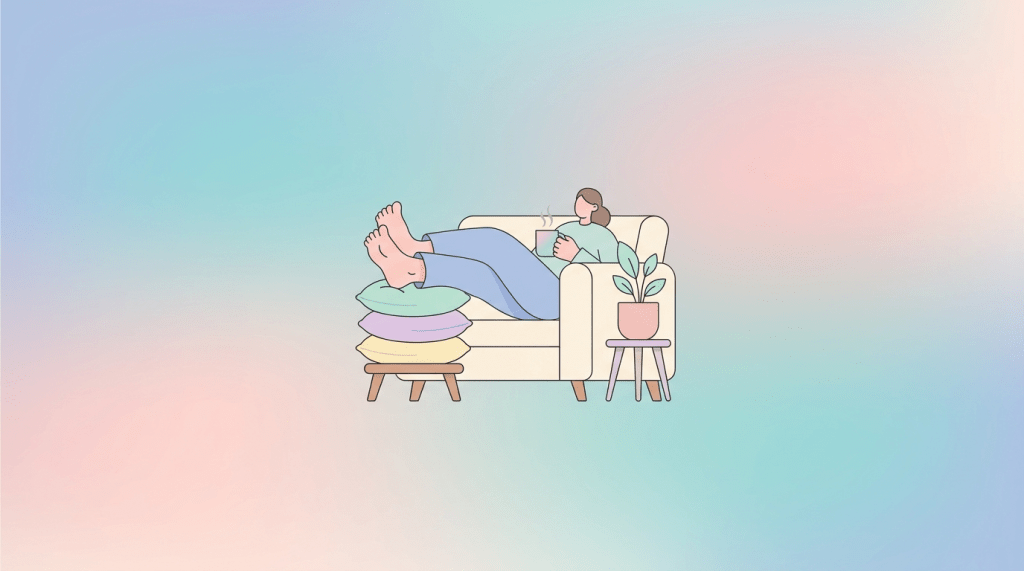
One of the most immediate and effective ways to reduce foot swelling is to elevate your feet above the level of your heart. This uses gravity to help drain excess fluid back into your circulatory system.
- How To: Lie down and place your feet on several pillows or cushions, ensuring they are higher than your chest.
- Duration: Aim for 15-20 minutes, several times a day, especially after periods of standing or sitting. If you’re able, try to elevate your feet while sleeping by placing a pillow under your ankles.
- Why it Helps: Gravity assists in moving fluid away from your feet, reducing pressure and discomfort.
-
Apply Gentle Compression
Compression helps prevent fluid from pooling in your feet and ankles by applying gentle pressure to the tissues, encouraging fluid to move back into circulation.
- How To: Wear graduated compression socks or stockings. These are designed to be tighter at the ankle and gradually looser towards the knee, effectively pushing fluid upwards.
- Selection: Choose socks with a compression level appropriate for your needs, typically 15-20 mmHg for mild to moderate swelling. Consult with a podiatrist or healthcare provider for specific recommendations, especially if you have underlying health conditions.
- When to Wear: Put them on in the morning before swelling has a chance to develop and wear them throughout the day. Remove them before bed.
- Important Note: Ensure the socks fit properly and don’t create new areas of constriction.
-
Engage in Gentle Movement and Exercise
While rest is important, complete inactivity can worsen swelling. Gentle movement helps pump fluid out of your lower extremities by activating your calf muscles.
- Ankle Circles: Sit or lie down and rotate your ankles clockwise and then counter-clockwise for 30 seconds each direction. Repeat several times.
- Foot Pumps: Point your toes away from your body, then flex them back towards your shins. Perform 10-15 repetitions.
- Calf Raises: Stand and slowly raise yourself onto your tiptoes, holding for a few seconds before lowering. Repeat 10-15 times.
- Short Walks: If possible, take short, easy walks throughout the day. Even a 5-10 minute stroll can stimulate circulation.
- Why it Helps: Muscle contraction acts as a natural pump, aiding in the return of fluid to the heart.
-
Stay Well-Hydrated
It might seem counterintuitive to drink more water when you’re retaining fluid, but proper hydration is key to reducing swelling. Dehydration can signal your body to hold onto fluid.
- How To: Drink plenty of water throughout the day. Aim for at least 8-10 glasses (around 2-2.5 liters) of water daily.
- Avoid: Limit sugary drinks, excessive caffeine, and alcohol, as these can contribute to dehydration.
- Why it Helps: Adequate water intake helps your kidneys function efficiently, flushing out excess sodium and waste products that can contribute to fluid retention.
-
Soak Your Feet in Epsom Salts
An Epsom salt foot soak can be incredibly soothing and may help reduce swelling and inflammation, although the scientific evidence for direct swelling reduction is mixed, many find it provides comfort.
- How To: Fill a foot basin with warm (not hot) water and dissolve about half a cup of Epsom salts.
- Duration: Soak your feet for 15-20 minutes.
- Benefits: The warm water can improve circulation, and the magnesium in Epsom salts is thought to relax muscles and potentially reduce inflammation.
- After Soaking: Gently pat your feet dry and apply a light moisturizer if desired.
-
Perform Gentle Foot Massage
Massaging your feet can help stimulate circulation and move accumulated fluid away from the swollen areas.
- How To: Using a gentle touch, massage your feet and ankles with upward strokes, moving towards your heart. You can use your hands or a foot roller.
- Technique: Focus on long, gentle strokes rather than deep pressure, which can sometimes worsen discomfort if tissues are very swollen.
- Duration: Spend 5-10 minutes on each foot.
- Why it Helps: Manual manipulation can encourage lymphatic drainage and improve blood flow.
-
Review Your Diet
Certain dietary choices can contribute to fluid retention. Making small adjustments can have a big impact on how to reduce foot swelling at home.
- Reduce Sodium Intake: Limit processed foods, canned goods, and salty snacks. High sodium levels cause your body to retain water.
- Increase Potassium-Rich Foods: Foods like bananas, spinach, sweet potatoes, and avocados can help balance fluid levels in your body.
- Consider Natural Diuretics: Foods like cucumbers, celery, and watermelon have natural diuretic properties that can help your body shed excess fluid.
- Why it Helps: A balanced diet supports overall fluid balance and kidney function.
-
Wear Comfortable, Supportive Footwear
The shoes you wear can significantly impact foot swelling. Ill-fitting or unsupportive shoes can exacerbate the problem.
- Choose Wisely: Opt for shoes that are wide enough, have good arch support, and provide ample room for your toes. Avoid high heels, tight-fitting shoes, and shoes with restrictive straps.
- Material: Breathable materials like mesh or soft leather can help prevent overheating, which can sometimes worsen swelling.
- When to Shop: Purchase shoes later in the day when your feet might be slightly more swollen, ensuring a comfortable fit even then.
- Why it Helps: Proper footwear prevents constriction and allows for natural foot movement, supporting healthy circulation.
Mistakes to Avoid
While trying to reduce foot swelling at home, be mindful of these common pitfalls:
- Ignoring Persistent Swelling: While home remedies are effective for minor, temporary swelling, persistent or worsening swelling can indicate a more serious underlying health issue. Don’t delay seeking professional medical advice if swelling doesn’t improve.
- Wearing Tight or Unsupportive Footwear: This is a common mistake that can exacerbate swelling by restricting blood flow and putting undue pressure on your feet. Always prioritize comfort and support.
- Remaining Inactive for Too Long: Whether sitting or standing, prolonged static positions can cause fluid to pool. Make sure to take breaks to move around, stretch, or elevate your feet.
- Excessive Sodium Intake: Consuming too much salt is a primary culprit for fluid retention. Be diligent about checking food labels and limiting high-sodium foods.
- Applying Ice Directly for Prolonged Periods: While a cold compress can reduce inflammation, direct and prolonged application of ice can restrict blood flow too much. Use cold packs for short durations (10-15 minutes) wrapped in a cloth.
- Self-Diagnosing Serious Conditions: Never assume the cause of your swelling without consulting a healthcare professional, especially if it’s accompanied by other symptoms.
Safety Note: If you have diabetes, neuropathy, or poor circulation, it is crucial to consult a podiatrist or healthcare provider before attempting any DIY foot care, including prolonged soaking or using abrasive tools, to ensure your safety and prevent complications.
Key Takeaways
- Elevation is Key: Regularly elevate your feet above your heart to encourage fluid drainage.
- Compression Helps: Use graduated compression socks to prevent fluid pooling and support circulation.
- Stay Active & Hydrated: Gentle movement and adequate water intake are vital for fluid balance.
- Diet Matters: Reduce sodium and incorporate potassium-rich foods to minimize fluid retention.
- Seek Professional Advice: If swelling is persistent, severe, or accompanied by other symptoms, consult a podiatrist or doctor.
Related Guides
Related Guides
Frequently Asked Questions
How quickly can home remedies reduce foot swelling?
For minor, temporary foot swelling caused by factors like prolonged standing or heat, you can often see noticeable improvement within a few hours to a day after consistently applying home remedies like elevation, gentle movement, and hydration. However, the exact timeline varies depending on the cause and severity of the swelling.
Is walking good for swollen feet?
Yes, gentle walking can be very beneficial for swollen feet, provided it’s not causing pain. Walking helps activate the calf muscles, which act as a natural pump to move fluid out of the lower extremities and back towards the heart. Short, frequent walks are often more effective than long, strenuous ones.
Can diet really affect foot swelling?
Absolutely. Diet plays a significant role in fluid balance within your body. High sodium intake is a primary contributor to fluid retention and can worsen foot swelling. Conversely, a diet rich in potassium and adequate hydration helps your body maintain proper fluid balance and can reduce swelling.
When should I worry about foot swelling and see a doctor?
You should see a podiatrist or doctor if your foot swelling is sudden, severe, affects only one foot, is accompanied by pain, redness, warmth, fever, shortness of breath, or chest pain. These symptoms can indicate a more serious underlying condition that requires medical attention. Also, if home remedies don’t improve the swelling within a few days, or if it consistently recurs, professional evaluation is recommended.
What kind of compression socks are best for reducing foot swelling?
Graduated compression socks are generally best for reducing foot swelling. These socks are tighter at the ankle and gradually looser up the leg, which helps to push fluid upwards. For mild to moderate swelling, a compression level of 15-20 mmHg is often recommended. For more severe swelling or specific medical conditions, a podiatrist may recommend higher compression levels. Always ensure they fit properly – not too tight or too loose – to be effective and safe.


Leave a Reply