Shop Jaws Podiatry on Amazon
Podiatrist-formulated foot-care products for fungus, calluses, and cracked heels.
Visit the Jaws Podiatry Store →As an Amazon Associate we earn from qualifying purchases.
To prevent toenail fungus at the gym, focus on diligent foot hygiene, protective footwear, and prompt action at the first sign of trouble. This involves always wearing shower sandals in communal areas, choosing breathable shoes and moisture-wicking socks, thoroughly drying your feet, and applying antifungal powder regularly to keep your feet dry and inhospitable to fungal growth.
What You’ll Need
- Shower Sandals or Flip-Flops: Essential for protecting your feet in locker rooms, showers, and pool areas.
- Moisture-Wicking Socks: Socks made from synthetic materials or wool that draw sweat away from the skin.
- Breathable Athletic Shoes: Footwear made from mesh or other breathable materials to allow air circulation.
- Antifungal Foot Powder or Spray: To help keep feet dry and inhibit fungal growth.
- Clean Towel: Dedicated for drying your feet thoroughly after showering.
- Quality Nail Clippers: For proper nail maintenance.
- Jaws Podiatry Undecylenic Acid + Tea Tree Oil Nail Enhancer: A topical solution that can be used proactively or at the very first sign of nail changes to support healthy nail appearance and deter fungal development.
- Shoe Disinfectant Spray: To sanitize the inside of your gym shoes periodically.
Shop Jaws Podiatry on Amazon
Podiatrist-formulated foot-care products for fungus, calluses, and cracked heels.
Visit the Jaws Podiatry Store →As an Amazon Associate we earn from qualifying purchases.
Step-by-Step Guide to Preventing Toenail Fungus at the Gym
Preventing toenail fungus, also known as onychomycosis, requires consistent attention to your foot health and environment, especially when you frequent the gym. Fungi thrive in warm, moist, dark environments, making gym settings like locker rooms, showers, and even your sweaty shoes prime breeding grounds. Follow these steps to significantly reduce your risk.
-
Step 1: Choose and Maintain the Right Footwear
Your choice of shoes and socks plays a critical role in creating an environment that discourages fungal growth.
- Opt for Breathable Athletic Shoes: Select gym shoes made from materials like mesh or perforated synthetic fabrics that allow air to circulate freely around your feet. This helps sweat evaporate and keeps the internal shoe environment drier. Avoid shoes made from non-breathable materials that trap moisture.
- Wear Moisture-Wicking Socks: Always wear socks made from synthetic fibers (like polyester, nylon, acrylic) or wool, which are designed to pull moisture away from your skin. Cotton socks, while comfortable, absorb sweat and hold it against your feet, creating a damp environment perfect for fungus. Change your socks immediately after your workout if they are damp.
- Rotate Your Gym Shoes: If you work out frequently, consider having two pairs of gym shoes. This allows one pair to thoroughly air out and dry for at least 24 hours between uses, preventing moisture buildup.
- Disinfect Your Shoes Regularly: Periodically spray the inside of your gym shoes with an antifungal shoe spray or use UV shoe sanitizers to kill any lurking fungal spores.
-
Step 2: Practice Excellent Foot Hygiene
Good hygiene is your first line of defense against fungal infections.
- Wash Your Feet Daily: Clean your feet thoroughly with soap and water, paying special attention to the spaces between your toes.
- Dry Your Feet Completely: This is perhaps the most crucial step. After showering, swimming, or any activity where your feet get wet, dry them meticulously, especially between your toes, using a clean towel. Residual moisture is a fungus’s best friend.
- Apply Antifungal Powder or Spray: Before putting on your socks and shoes, apply an antifungal foot powder or spray to your feet, especially on the soles and between your toes. This helps absorb excess moisture and creates an inhospitable environment for fungi.
-
Step 3: Protect Your Feet in Public Areas
Communal spaces at the gym are notorious for harboring fungi.
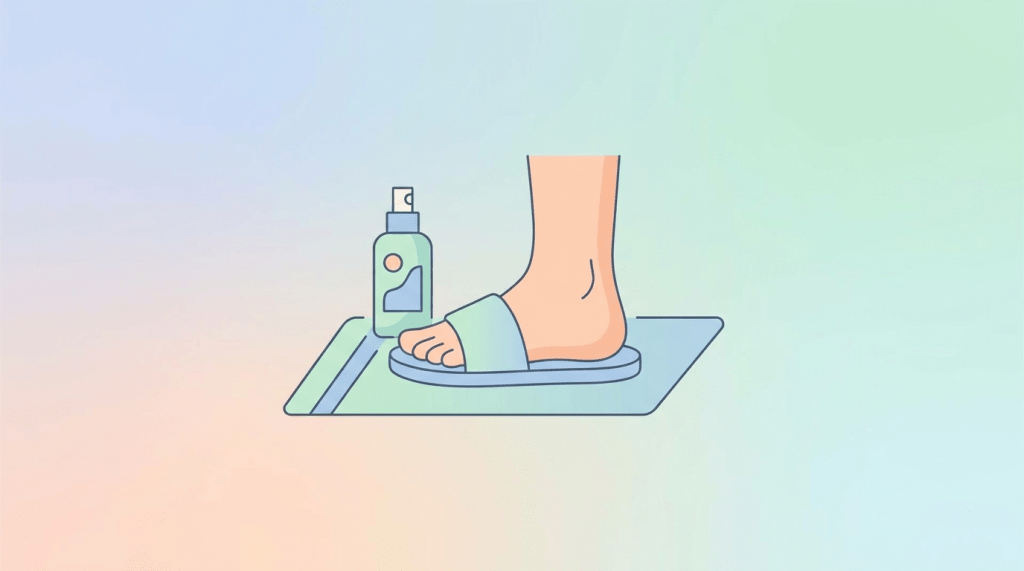
- Always Wear Shower Sandals or Flip-Flops: Never walk barefoot in gym locker rooms, showers, around the pool deck, or in any other damp communal area. These surfaces are breeding grounds for fungi and bacteria. Always bring a dedicated pair of shower sandals.
- Avoid Communal Foot Baths: While seemingly hygienic, communal foot baths can actually spread fungal infections. It’s best to avoid them.
-
Step 4: Maintain Healthy Nails
Proper nail care reduces potential entry points for fungi.
- Trim Nails Regularly and Correctly: Keep your toenails trimmed straight across, not too short, and file down any sharp edges. Avoid cutting into the corners, which can lead to ingrown toenails and potential infections. Use clean, sharp nail clippers.
- Do Not Share Nail Tools: Use only your own nail clippers, files, or other pedicure tools to prevent the transfer of fungi.
- Consider a Proactive Topical Treatment: If you’re frequently at the gym or have experienced fungus before, you might consider using a topical solution like the Jaws Podiatry Undecylenic Acid + Tea Tree Oil Nail Enhancer as a preventative measure. Applied to the nails, it can help maintain a healthy nail appearance and create an environment less conducive to fungal growth.
-
Step 5: Address Early Signs Promptly
Catching potential issues early can prevent a full-blown infection.
- Inspect Your Feet Regularly: Make it a habit to check your toenails and skin for any changes. Look for discoloration (yellow, brown, white), thickening, brittleness, or any unusual odor.
- Act at the First Sign: If you notice any subtle changes in your toenails, such as slight discoloration or minor thickening, consider applying a targeted topical treatment like the Jaws Podiatry Undecylenic Acid + Tea Tree Oil Nail Enhancer. Early intervention can often prevent the fungus from becoming entrenched and harder to treat.
Mistakes to Avoid
To effectively prevent toenail fungus at the gym, be mindful of these common pitfalls:
- Walking Barefoot in Communal Areas: This is one of the quickest ways to pick up fungal spores. Always wear protective footwear in locker rooms, showers, and around pools.
- Wearing Non-Breathable Footwear: Shoes made of materials that don’t allow air circulation trap sweat and create a damp, warm environment ideal for fungus.
- Using Cotton Socks for Workouts: Cotton absorbs moisture and holds it against your skin, making your feet damp and susceptible to fungal infections.
- Not Drying Feet Thoroughly: Any residual moisture, especially between the toes, provides a perfect breeding ground for fungi.
- Ignoring Early Symptoms: A slight discoloration or brittleness in a toenail might seem minor, but it can be the beginning of a fungal infection. Delaying action allows the fungus to spread and become more challenging to treat.
- Sharing Footwear or Nail Tools: This directly transfers fungal spores from one person to another. Always use your own shoes, socks, and nail care implements.
- Wearing the Same Gym Shoes Every Day: Without adequate time to air out and dry, shoes can remain damp and become a haven for fungi.
- Using Nail Polish to Cover Discoloration: While tempting, nail polish can trap moisture and worsen a fungal infection. If you suspect fungus, it’s best to keep nails bare or use breathable, antifungal-infused polishes if recommended by a professional.
Safety Note: Individuals with diabetes, neuropathy, or poor circulation should always consult a podiatrist or healthcare professional before attempting any DIY foot care, using new foot products, or using sharp tools. Their feet are more vulnerable to complications from minor injuries or infections.
Key Takeaways
- Always Wear Shower Sandals: Protect your feet in all communal gym areas to avoid contact with fungal spores.
- Prioritize Breathable Footwear: Choose moisture-wicking socks and breathable gym shoes, and allow shoes to dry completely between uses.
- Practice Impeccable Foot Hygiene: Wash and, most importantly, thoroughly dry your feet daily, especially between the toes.
- Use Antifungal Products: Apply antifungal powder or spray to your feet and inside your shoes to control moisture and inhibit fungal growth.
- Inspect and Act Early: Regularly check your toenails for any changes and use a targeted topical treatment like Jaws Podiatry Undecylenic Acid + Tea Tree Oil Nail Enhancer at the first sign of a problem.
Related Guides
Related Guides
Frequently Asked Questions
How does toenail fungus spread at the gym?
Toenail fungus primarily spreads in warm, moist, communal environments where people walk barefoot. Gym locker rooms, showers, pool decks, and shared mats are common culprits. Fungal spores can survive on these surfaces, and when your bare feet come into contact, especially if you have tiny cuts or cracks in your skin or nails, the fungus can enter and cause an infection. Damp, sweaty shoes and socks also create an ideal breeding ground for existing or newly acquired fungi.
Can I get toenail fungus from gym equipment?
While less common than from floors, it’s theoretically possible. Fungi can survive on surfaces, and if you touch a contaminated surface (like a mat or shared equipment) and then touch your feet, you could transfer spores. However, the primary risk at the gym comes from direct contact with contaminated floors in wet areas. Always wash your hands after using gym equipment and avoid touching your feet before washing your hands.
What kind of socks are best for preventing fungus?
The best socks for preventing toenail fungus are those made from moisture-wicking materials. These include synthetic fibers like polyester, nylon, and acrylic, or natural fibers such as merino wool. These materials draw sweat away from your skin, keeping your feet drier. Avoid cotton socks for workouts, as cotton absorbs moisture and holds it against your skin, creating a damp environment conducive to fungal growth.
How often should I clean my gym shoes?
You should clean and disinfect your gym shoes regularly, especially if you wear them frequently. At a minimum, spray the insides with an antifungal shoe spray at least once a week, or more often if you sweat heavily or notice any odor. Allowing your shoes to air dry completely for at least 24 hours between uses is also crucial. If your shoes are washable, follow the manufacturer’s instructions for cleaning them periodically.
Is it okay to use a communal foot bath at the gym?
No, it is generally not recommended to use communal foot baths at the gym. Despite their appearance, these baths can actually be a source of fungal and bacterial infections. Even if the water is treated, the environment itself can harbor pathogens. It’s always safer to wash your feet thoroughly with soap and water in your own shower and dry them completely, rather than relying on communal facilities.


Leave a Reply