Shop Jaws Podiatry on Amazon
Podiatrist-formulated foot-care products for fungus, calluses, and cracked heels.
Visit the Jaws Podiatry Store →As an Amazon Associate we earn from qualifying purchases.
Burning feet can be an incredibly uncomfortable and disruptive sensation, ranging from a mild tingle to intense heat and pain. To soothe burning feet, immediate relief often comes from cooling therapies like cold water soaks or ice packs, followed by therapeutic foot soaks with Epsom salts, targeted massage, and elevation. Addressing underlying causes such as ill-fitting footwear, calluses, or certain medical conditions is key for long-term relief and preventing recurrence.
What You’ll Need
- Basin or Tub: For foot soaks.
- Cold Water/Ice Packs: For immediate cooling relief. Consider reusable gel packs or a simple bag of ice. Reusable Gel Ice Packs
- Epsom Salts: For therapeutic foot soaks. Epsom Salts
- Essential Oils (Optional): Peppermint, lavender, or tea tree oil for added soothing and anti-fungal benefits in soaks. Peppermint Essential Oil
- Moisturizing Foot Cream: Look for formulations with menthol, peppermint, or eucalyptus for a cooling sensation. Cooling Foot Cream
- Foot Massager: Manual or electric, to improve circulation and reduce tension. Electric Foot Massager
- Comfortable, Supportive Shoes: Proper footwear is crucial for prevention. Supportive Walking Shoes
- Moisture-Wicking Socks: To keep feet dry and reduce friction. Moisture-Wicking Socks
- Pumice Stone or Foot File: To manage calluses and thick skin. Consider a kit for comprehensive care. Jaws Podiatry 40% Urea Callus Cream + Stainless-Steel File Kit
- Anti-fungal Cream (if suspected athlete’s foot): Over-the-counter options are available. Over-the-Counter Anti-fungal Cream
- Nail Enhancer (for overall nail health, if relevant): For supporting nail health, especially if early signs of fungus are present. Jaws Podiatry Undecylenic Acid + Tea Tree Oil Nail Enhancer
Shop Jaws Podiatry on Amazon
Podiatrist-formulated foot-care products for fungus, calluses, and cracked heels.
Visit the Jaws Podiatry Store →As an Amazon Associate we earn from qualifying purchases.
Step-by-Step Guide to Soothing Burning Feet
Follow these steps to find relief and address the common causes of burning feet.
Step 1: Immediate Cooling Relief
When your feet are burning, the first priority is often to cool them down. This provides rapid symptom relief.
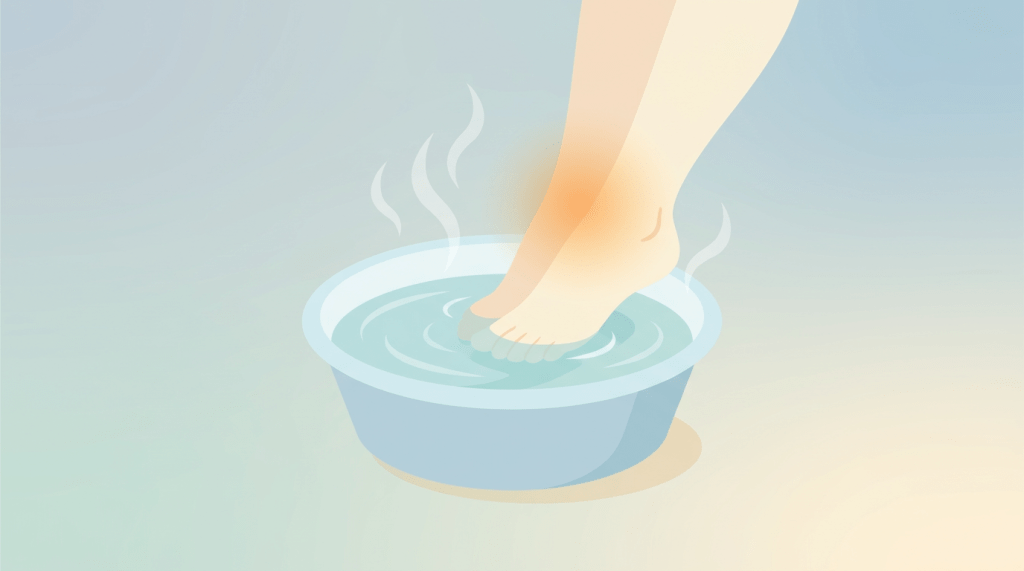
- Cold Water Soak: Fill a basin with cool (not icy cold) water. Submerge your feet for 10-15 minutes. Avoid extremely cold water or ice baths if you have conditions like diabetes or poor circulation, as this can be harmful.
- Ice Packs: Wrap an ice pack or a bag of frozen vegetables in a thin towel and apply it to the affected areas for 15-20 minutes. Do not apply ice directly to the skin.
- Elevate Your Feet: Lie down and prop your feet up above heart level. This can help reduce swelling and improve circulation, which may alleviate some burning sensations.
Step 2: Therapeutic Foot Soak
Once the immediate burning has subsided slightly, a soothing foot soak can offer deeper relief and promote relaxation.
- Epsom Salt Soak: Fill a basin with warm (not hot) water. Add half to one cup of Epsom salts. Epsom salts contain magnesium sulfate, which can help relax muscles and reduce inflammation. Soak your feet for 20-30 minutes.
- Add Essential Oils (Optional): For enhanced relief, add a few drops of peppermint, lavender, or tea tree essential oil to the Epsom salt soak. Peppermint provides a cooling sensation, lavender is calming, and tea tree oil has natural anti-fungal properties, which can be beneficial if athlete’s foot is suspected.
- Dry Thoroughly: After soaking, ensure your feet are completely dry, especially between the toes, to prevent fungal growth.
Step 3: Moisturize and Massage
After a soak, moisturizing and massaging your feet can further calm the burning sensation and improve circulation.
- Apply Cooling Cream: Use a foot cream containing ingredients like menthol, peppermint, or eucalyptus. Gently massage it into your feet, focusing on areas with burning sensations. The cooling effect can provide significant comfort. Cooling Foot Cream
- Foot Massage: Use your hands or a foot massager to gently work on your feet. Massage can improve blood flow, relax tense muscles, and help alleviate nerve discomfort. Start with light pressure and increase as comfortable. Electric Foot Massager
Step 4: Choose Proper Footwear and Socks
Ill-fitting shoes and inappropriate socks are common culprits for burning feet. Making smart choices here is crucial for prevention.
- Supportive Shoes: Wear shoes that fit well, provide adequate arch support, and have ample toe room. Avoid high heels or shoes with narrow toe boxes. Opt for breathable materials. Supportive Walking Shoes
- Moisture-Wicking Socks: Choose socks made from moisture-wicking materials like merino wool or synthetic blends. These help keep your feet dry, reducing friction and the risk of fungal infections. Avoid cotton, which traps moisture. Moisture-Wicking Socks
- Rotate Shoes: Give your shoes time to air out between wears to prevent moisture buildup and bacterial/fungal growth.
Step 5: Address Underlying Foot Conditions
Sometimes, burning feet are a symptom of a specific foot problem that needs direct attention.
- Manage Calluses: Thick calluses can create pressure points and friction, contributing to burning. Regularly use a pumice stone or foot file to keep calluses in check. For stubborn calluses, a specialized urea cream can soften them effectively before filing. Jaws Podiatry 40% Urea Callus Cream + Stainless-Steel File Kit
- Treat Athlete’s Foot: If burning is accompanied by itching, redness, or peeling skin, you might have athlete’s foot. Use an over-the-counter anti-fungal cream as directed. Keep your feet clean and dry. Over-the-Counter Anti-fungal Cream
- Maintain Nail Health: While less common as a direct cause of burning, maintaining healthy nails is part of overall foot care. If you notice early signs of nail fungus, consider a targeted topical treatment. Jaws Podiatry Undecylenic Acid + Tea Tree Oil Nail Enhancer
Step 6: Lifestyle Adjustments
Certain lifestyle factors can contribute to or alleviate burning feet.
- Stay Hydrated: Drink plenty of water throughout the day.
- Dietary Considerations: A balanced diet rich in B vitamins (especially B12), magnesium, and antioxidants can support nerve health. Consult a healthcare professional before taking supplements.
- Manage Stress: Stress can sometimes exacerbate nerve-related symptoms. Practice relaxation techniques like deep breathing or meditation.
- Regular Exercise: Gentle exercise can improve circulation, but avoid activities that put excessive strain on your feet if they are already sensitive.
Mistakes to Avoid When Soothing Burning Feet
To ensure effective and safe relief, be mindful of these common errors:
- Ignoring the Problem: Persistent burning feet should not be dismissed. While home remedies can offer relief, ignoring the underlying cause can lead to worsening conditions.
- Using Extremely Hot or Cold Water: While cooling is good, extreme temperatures can harm your skin, especially if you have sensitive skin, diabetes, or neuropathy. Always opt for cool or lukewarm.
- Wearing Ill-Fitting Shoes: Continuing to wear tight, unsupportive, or high-heeled shoes will only perpetuate the problem. Prioritize comfort and proper fit.
- Self-Diagnosing Serious Conditions: While many causes are benign, burning feet can be a symptom of more serious medical conditions like neuropathy, peripheral artery disease, or certain vitamin deficiencies. Avoid self-diagnosing and seek professional advice if symptoms persist or worsen.
- Over-Exfoliating or Aggressively Filing Calluses: While callus management is important, over-filing can lead to irritation, open wounds, and increased sensitivity. Always follow product instructions and be gentle.
Safety Note: If you have diabetes, neuropathy, poor circulation, or any other pre-existing medical conditions, it is crucial to consult a podiatrist or healthcare provider before attempting any new DIY foot care treatments, especially those involving temperature changes or abrasive tools. They can provide personalized advice and ensure the safety and effectiveness of your foot care routine.
Key Takeaways
- Immediate relief for burning feet often involves cooling therapies like cold soaks or ice packs.
- Therapeutic Epsom salt soaks and cooling foot creams can provide deeper, sustained comfort.
- Proper footwear, moisture-wicking socks, and regular foot hygiene are essential for prevention.
- Address underlying foot conditions such as calluses or athlete’s foot, using appropriate care products.
- If burning feet are persistent, severe, or accompanied by other symptoms, consult a podiatrist to rule out more serious medical conditions.
Related Guides
Frequently Asked Questions
Why do my feet burn?
Burning feet can stem from various causes, ranging from mild issues like prolonged standing, ill-fitting shoes, or athlete’s foot to more serious underlying medical conditions. Common culprits include nerve damage (neuropathy), often associated with diabetes or alcohol abuse, vitamin deficiencies (especially B vitamins), peripheral artery disease, thyroid issues, or even certain medications. Sometimes, it’s simply due to excessive heat and friction.
Can diet affect burning feet?
Yes, diet can play a role. Deficiencies in certain B vitamins, particularly B12, can contribute to nerve damage and lead to burning sensations in the feet. A diet high in processed foods and sugars can also exacerbate inflammation, which might indirectly affect nerve health. Conversely, a balanced diet rich in whole foods, lean proteins, and essential vitamins and minerals supports overall nerve health and circulation.
Are there specific home remedies that work best?
For immediate relief, cold water soaks, ice packs (wrapped in a towel), and elevating your feet are highly effective. Epsom salt soaks with lukewarm water can also provide soothing relief. Applying a foot cream with cooling ingredients like menthol or peppermint, followed by a gentle massage, can further ease discomfort. Ensure your feet are kept clean, dry, and wear breathable footwear.
How often should I do foot soaks?
You can do foot soaks as needed for relief, typically once or twice a day when symptoms are active. For general relaxation and preventative care, 2-3 times a week can be beneficial. Always remember to dry your feet thoroughly after soaking to prevent fungal infections, especially between the toes.
What kind of shoes are best for preventing burning feet?
The best shoes for preventing burning feet are those that offer good support, cushioning, and ample room for your toes. Look for shoes made from breathable materials like mesh or leather, with supportive insoles that can absorb shock. Avoid high heels, shoes with narrow toe boxes, or those that are too tight or too loose, as these can cause friction and pressure points. Regularly replacing worn-out shoes is also important to maintain proper support. Supportive Walking Shoes


Leave a Reply