Shop Jaws Podiatry on Amazon
Podiatrist-formulated foot-care products for fungus, calluses, and cracked heels.
Visit the Jaws Podiatry Store →As an Amazon Associate we earn from qualifying purchases.
Choosing between an electric vs manual callus remover is a common dilemma for anyone seeking smoother, healthier feet. While both aim to reduce hardened skin, the better option for you depends on factors like the severity of your calluses, your budget, and your preference for convenience versus control. Generally, electric removers offer speed and ease for tougher, more widespread calluses, while manual tools provide precision and a lower cost for lighter maintenance.
What is an Electric Callus Remover?
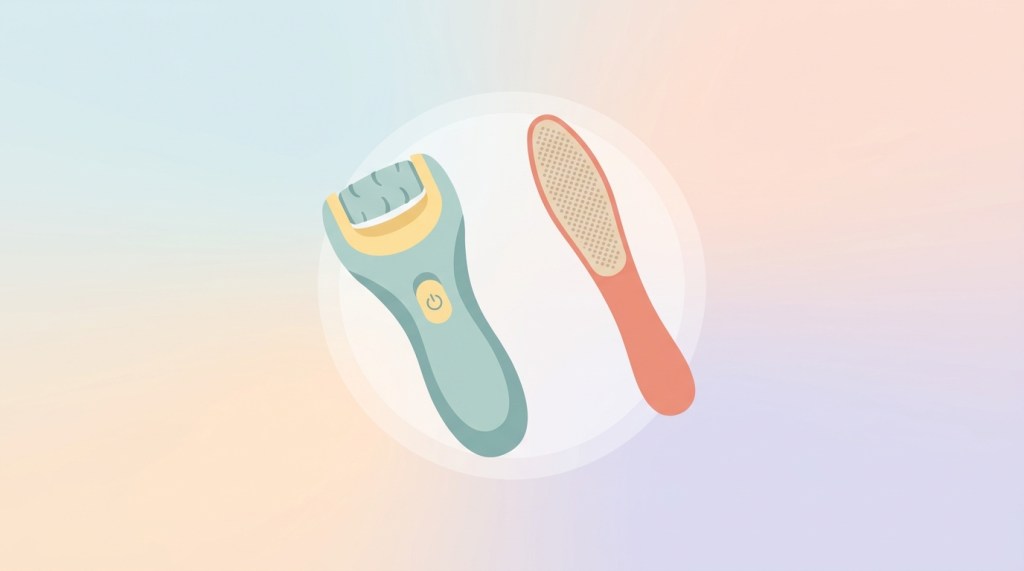
An electric callus remover is a battery-operated or rechargeable device designed to buff away hardened skin on the feet using a rotating abrasive roller. These devices come in various designs, from handheld wands to larger units, and typically feature different roller coarseness levels to tackle varying degrees of calluses. They are popular for their speed and the reduced physical effort required compared to manual methods, making foot care quicker and often less strenuous.
What is a Manual Callus Remover?
A manual callus remover refers to a range of non-motorized tools used to physically scrape, file, or rub away calluses. This category includes stainless-steel foot files, pumice stones, emery boards, and even specialized callus shavers. Manual removers rely on user effort and technique to achieve results, offering a more hands-on approach to foot care. They are generally simpler in design, require no power source, and are often favored for their precision and affordability.
Shop Jaws Podiatry on Amazon
Podiatrist-formulated foot-care products for fungus, calluses, and cracked heels.
Visit the Jaws Podiatry Store →As an Amazon Associate we earn from qualifying purchases.
Head-to-Head Comparison: Electric vs Manual Callus Remover
| Feature | Electric Callus Remover | Manual Callus Remover |
|---|---|---|
| Cost | Typically a higher upfront investment, ranging from moderate to high. Also incurs ongoing costs for replacement roller heads and batteries (if not rechargeable). | Generally much lower upfront cost. Tools like pumice stones or basic files are very inexpensive. Stainless-steel files or kits might be slightly more, but still significantly less than most electric options. Occasional replacement needed. |
| Effectiveness | Highly effective for moderate to severe calluses due to consistent, powerful rotation. Can quickly remove large areas of hardened skin. Multiple roller coarseness options allow for tailored treatment. Risk of over-filing if not used carefully. | Effectiveness varies by tool type and user effort. Stainless-steel files can be very effective for significant calluses with proper technique. Pumice stones are best for lighter calluses and maintenance. Requires more time and physical exertion for substantial removal. |
| Ease of Use & Convenience | Very easy to use with minimal physical effort. The device does most of the work, gliding over the skin. Ideal for those with limited dexterity or who prefer a quick, effortless routine. Often portable for travel. | Requires more physical effort and technique. Can be tiring for extensive calluses. Some tools (like shavers) require careful handling to avoid injury. Less convenient for quick, broad coverage, but excellent for targeted areas. |
| Who It’s Best For | Individuals with moderate to severe calluses, those seeking a fast and effortless solution, people with busy lifestyles, or those who find manual filing physically challenging. Excellent for maintaining smooth feet after initial callus reduction. | Individuals with light to moderate calluses, those on a budget, people who prefer a hands-on approach and precise control, or for daily maintenance to prevent callus buildup. Also suitable for targeted removal of smaller, specific calluses. |
| Downsides & Risks | Higher initial cost and ongoing expenses. Can be noisy. Risk of over-filing or causing irritation if held in one spot for too long or if too much pressure is applied. Not recommended for those with certain medical conditions without podiatrist consultation. | Can be more time-consuming and physically demanding. Inconsistent results if technique is poor. Risk of cutting or scratching the skin, especially with blades (callus shavers), if not used with extreme caution. Less effective for very thick, widespread calluses. |
Safety Note: For individuals with diabetes, neuropathy, poor circulation, or any pre-existing foot conditions, it is crucial to consult a podiatrist before using any callus removal tool, whether electric or manual, especially those involving sharp blades or aggressive abrasion. Improper use can lead to serious complications.
When to Choose an Electric Callus Remover
An electric callus remover is often the preferred choice for those dealing with persistent, moderate to severe calluses that cover larger areas of the feet. If you find yourself spending too much time and effort with manual files, or if your calluses return quickly, an electric device can offer a more efficient and effective solution. Its consistent abrasive action can quickly smooth tough patches, reducing the physical strain on your hands and arms. They are also ideal for individuals who prioritize convenience and speed in their foot care routine.
Modern electric callus removers are designed with safety features like pressure sensors to prevent over-filing, though caution is always advised. They are excellent for maintaining smooth feet once the initial, tougher calluses have been reduced. For a reliable and effective option, consider a rechargeable electric callus remover with multiple roller heads check the current price on Amazon.
When to Choose a Manual Callus Remover
Manual callus removers are an excellent option for light to moderate calluses, for targeted removal, or for regular maintenance to prevent significant buildup. If you’re budget-conscious, a manual tool represents a low-cost entry point into effective foot care. They offer a higher degree of control and precision, allowing you to carefully work on specific areas without the risk of accidentally abrading surrounding healthy skin as might happen with a fast-moving electric device.
For those who prefer a more tactile approach and don’t mind investing a little more time, a high-quality stainless-steel foot file paired with a softening cream can deliver excellent results. We often recommend a combination approach: using a manual file for initial reduction and then maintaining with a powerful urea cream. The Jaws Podiatry 40% Urea Callus Cream + Stainless-Steel File Kit check the current price on Amazon is specifically designed to tackle stubborn calluses and cracked heels, providing both an effective manual tool and a deeply moisturizing treatment to keep your feet smooth and healthy.
Key Takeaways
- Severity Matters: Electric removers excel at tackling moderate to severe calluses quickly, while manual tools are best for light calluses and precision work.
- Cost vs. Convenience: Manual options are more budget-friendly upfront, but electric removers offer greater convenience and less physical effort, albeit at a higher initial and ongoing cost.
- Control & Precision: Manual tools provide superior control for targeted removal. Electric removers offer consistent, broad coverage but require careful handling to avoid over-filing.
- Maintenance is Key: Regardless of your choice, consistent use and pairing with a high-quality moisturizing cream, such as a 40% urea cream, are essential for long-term foot health.
- Consult a Podiatrist: If you have diabetes, neuropathy, poor circulation, or persistent, painful calluses, always consult a podiatrist before attempting DIY callus removal.
Frequently Asked Questions
Are electric callus removers safe to use?
When used correctly, most electric callus removers are safe for home use. They are designed to remove only dead skin and often have safety features like pressure sensors. However, it’s crucial to follow the manufacturer’s instructions, avoid applying excessive pressure, and never use them on broken, irritated, or infected skin. People with diabetes, neuropathy, or poor circulation should avoid using electric callus removers without first consulting a podiatrist, as they may have reduced sensation or impaired healing, increasing the risk of injury or infection.
How often should I use an electric vs manual callus remover?
The frequency depends on the severity of your calluses and how quickly they reappear. For initial significant callus reduction, you might use an electric remover once or twice a week until the desired smoothness is achieved. For maintenance, once every 1-2 weeks is often sufficient. Manual removers can be used more frequently, perhaps every few days for light filing or weekly for more thorough maintenance. Always aim to remove only the hardened, dead skin, and stop if you experience any pain or discomfort. Over-filing can lead to skin irritation or even worsen callus formation.
Can I use a callus remover on wet feet?
Most electric callus removers are designed for use on dry feet. Using them on wet or damp skin can sometimes make it harder to see the extent of callus removal, potentially leading to over-filing. Additionally, some electronic devices are not waterproof and could be damaged. Manual tools like pumice stones are typically used on wet, softened skin (e.g., after a foot soak), which makes the dead skin easier to remove. Always check the specific product instructions for your chosen tool, as some newer electric models are designed for both wet and dry use.
What is the best way to prevent calluses from returning?
Preventing calluses involves a multi-pronged approach. First, ensure you wear properly fitting shoes and socks to minimize friction and pressure points. Custom orthotics or insoles check the current price on Amazon can also help redistribute pressure. Second, regularly moisturize your feet with a high-quality cream, especially one containing urea, which helps to soften and exfoliate hardened skin. Products like the Jaws Podiatry 40% Urea Callus Cream check the current price on Amazon are excellent for daily maintenance. Finally, regularly use your chosen callus remover (electric or manual) for light maintenance to prevent severe buildup, rather than waiting until calluses become thick and painful.
When should I see a podiatrist for calluses?
While home callus removal is effective for many, there are times when professional intervention is necessary. You should consult a podiatrist if your calluses are painful, bleeding, show signs of infection (redness, swelling, pus), or if they develop rapidly and without clear cause. As mentioned, individuals with diabetes, neuropathy, or poor circulation should always seek professional advice before attempting any form of DIY callus removal, as these conditions significantly increase the risk of complications from minor foot injuries.


Leave a Reply