Shop Jaws Podiatry on Amazon
Podiatrist-formulated foot-care products for fungus, calluses, and cracked heels.
Visit the Jaws Podiatry Store →As an Amazon Associate we earn from qualifying purchases.
When dealing with stubborn, thick nails, the choice between nail nippers and nail clippers isn’t just about preference; it’s about effectiveness, safety, and comfort. For individuals with significantly thickened, tough, or fungal nails, nail nippers are generally the superior choice due to their enhanced leverage and cutting power. However, standard nail clippers can suffice for moderately thick nails or routine maintenance if the thickness isn’t severe.
What Are Nail Nippers?
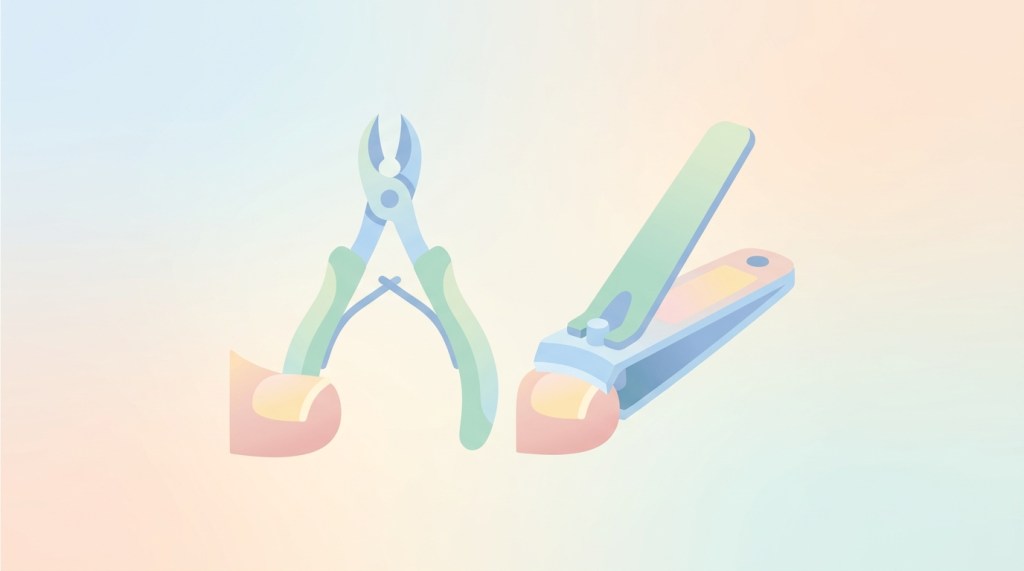
Nail nippers, often referred to as podiatry nippers or heavy-duty nail cutters, are specialized tools designed for trimming thick and tough nails. They typically feature a plier-like design with long handles and strong, sharp jaws. Many nippers incorporate a spring mechanism that helps to open the jaws after each cut, making them easier to maneuver and reducing hand fatigue. Their robust construction allows them to cut through hard, dense nail plates without crushing or tearing, which is a common issue when using standard clippers on thick nails.
What Are Nail Clippers?
Nail clippers are the most common tool for nail maintenance, found in almost every household. They come in various designs, including the classic lever-action type and the scissor-style. Standard nail clippers are characterized by two blades that meet to cut the nail, typically operated by pressing a lever or handles together. While highly effective for average nail thickness, their design and leverage can struggle with excessively thick, brittle, or ingrown nails, often leading to incomplete cuts, jagged edges, or even discomfort.
Shop Jaws Podiatry on Amazon
Podiatrist-formulated foot-care products for fungus, calluses, and cracked heels.
Visit the Jaws Podiatry Store →As an Amazon Associate we earn from qualifying purchases.
Head-to-Head Comparison: Nail Nippers vs Nail Clippers for Thick Nails
| Feature | Nail Nippers | Nail Clippers |
|---|---|---|
| Cost | Generally higher due to specialized design, materials, and precision engineering. A good quality pair can be a significant investment but offers durability. | Lower and widely accessible. Basic clippers are inexpensive, while higher-quality models are still typically less costly than nippers. |
| Effectiveness for Thick Nails | Excellent. Designed specifically for thick, hard, or fungal nails. Their strong jaws and leverage cut cleanly without crushing, reducing the risk of splintering or discomfort. | Poor to Moderate. Struggle significantly with very thick nails. Can crush the nail plate, leave jagged edges, or fail to cut through, potentially causing pain or further damage. |
| Ease of Use & Control | Requires more care and a steady hand due to their sharpness and power. Can feel intimidating initially. The plier-like grip offers good control for precise cuts once accustomed. | Generally easier and more intuitive for routine use on average nails. Less powerful, which can be a drawback for thick nails but makes them less intimidating for beginners. |
| Who It’s Best For | Individuals with severely thickened toenails (onychomycosis, trauma, age-related thickening), ingrown toenail sufferers, or those seeking professional-grade tools for home use. | Individuals with average nail thickness, moderately thickened nails that are not excessively hard, or for general nail maintenance where extreme power isn’t required. |
| Downsides | Higher cost, can be intimidating to use, and require careful handling to avoid injury. Improper use can lead to cuts or further nail problems. Regular cleaning and sharpening are vital. | Ineffective for very thick or hard nails, often leading to crushing, incomplete cuts, or discomfort. Can exacerbate ingrown nails if not used correctly due to their curved blade design. |
When to Choose Nail Nippers
Choosing nail nippers is often a necessity when dealing with specific nail conditions that go beyond typical nail maintenance. Their robust design and superior leverage make them ideal for:
- Severely Thickened Nails (Onychauxis or Onychogryphosis): These conditions cause nails to become extremely thick, hard, and sometimes discolored, often due to age, trauma, or underlying health issues. Standard clippers simply cannot cut through them effectively without causing pain or damage.
- Fungal Nail Infections (Onychomycosis): Fungal nails are often thick, brittle, and crumbly. Nippers can safely and effectively trim the thickened parts, which can also help topical treatments penetrate better. For early stages of nail fungus, consider using a product like Jaws Podiatry’s undecylenic-acid + tea-tree-oil nail enhancer alongside trimming.
- Ingrown Toenails: While nippers should be used with extreme caution around ingrown nails (and ideally by a professional), their straight or slightly curved jaws can be more precise for carefully trimming the offending nail edge than curved clippers.
- Post-Trauma Nails: Nails that have experienced trauma may grow back thicker or with an irregular shape, requiring the strength and precision of nippers.
- Individuals with Limited Hand Strength: The leverage mechanism in many nippers can make them easier to operate for those with arthritis or reduced grip strength, compared to the squeezing action required by some clippers.
When selecting nail nippers, look for high-quality stainless steel, sharp blades, and an ergonomic grip. A good pair will maintain its sharpness and provide years of reliable service. You can find a range of suitable heavy-duty nippers here.
Safety Note: For individuals with diabetes, neuropathy, poor circulation, or other conditions that compromise foot health, consulting a podiatrist before using sharp tools like nail nippers for DIY foot care is crucial. Improper trimming can lead to serious infections or complications.
When to Choose Nail Clippers
While nippers excel in specialized situations, nail clippers remain the go-to for most people and many nail care needs. You should opt for nail clippers when:
- Routine Nail Maintenance: For average nail thickness, clippers provide quick, efficient, and sufficient trimming for both fingernails and toenails.
- Slightly Thickened Nails: If your nails are only moderately thick and not excessively hard, a good quality, sharp pair of toenail clippers with a wider jaw opening might still be effective without resorting to nippers.
- Convenience and Portability: Clippers are generally more compact and easier to carry, making them convenient for travel or quick touch-ups.
- Lower Risk of Injury: For those who are new to self-foot care or prefer a less intimidating tool, clippers generally pose a lower risk of accidental cuts compared to the powerful jaws of nippers, provided they are used correctly.
- Cost-Effectiveness: If budget is a primary concern and your nail thickness isn’t severe, clippers offer an affordable and effective solution for general nail care.
When choosing nail clippers, prioritize sharp blades, durable construction (stainless steel is ideal), and a comfortable grip. Ensure the blades are straight or only very slightly curved for toenails to prevent ingrown issues. Explore reliable nail clippers for everyday use here.
Key Takeaways
- For significantly thick, hard, or fungal nails, nail nippers are the superior tool, offering the necessary leverage and cutting power for a clean, safe trim.
- Standard nail clippers are best suited for routine maintenance of average or only moderately thick nails, where their simpler design and lower power are sufficient.
- Investing in high-quality tools, whether nippers or clippers, made from durable materials like stainless steel, ensures better performance and longevity.
- Proper technique, hygiene (cleaning and disinfecting tools), and regular maintenance are crucial for both types of tools to prevent infection and ensure effective trimming.
- Always consult a podiatrist if you have underlying health conditions like diabetes, neuropathy, or poor circulation before attempting to trim thick or problematic nails yourself with sharp tools. They can advise on the safest methods or provide professional care.
Frequently Asked Questions
Can I use regular nail clippers for very thick toenails?
While you can attempt to use regular nail clippers on very thick toenails, it is generally not recommended. Standard clippers lack the leverage and jaw strength to cut through dense, thick nails cleanly. This often results in crushing the nail, leaving jagged edges, causing pain, or even damaging the nail plate or surrounding skin. Repeated attempts can also dull your clippers quickly. For very thick nails, specialized nail nippers are a much safer and more effective choice.
What’s the difference between a podiatry nipper and a standard nipper?
The term “podiatry nipper” often refers to a professional-grade tool used by podiatrists. These nippers are typically made from high-quality surgical stainless steel, feature extremely sharp, precise blades, and are designed for durability and repeated sterilization. They often have ergonomic handles for extended use and specialized jaw designs (e.g., barrel spring, lap joint) for specific tasks. While many high-quality consumer-grade nippers are available and suitable for home use, professional podiatry nippers are generally built to a higher standard for clinical settings.
How often should I trim thick toenails?
Thick toenails often grow slower than healthy nails, but their thickness can make them more prone to issues if not managed. The frequency of trimming depends on the individual’s nail growth rate and the degree of thickness. Generally, it’s advisable to trim thick toenails every 2 to 4 weeks. Regular, small trims are better than infrequent, drastic cuts, as this helps prevent excessive length and pressure, which can lead to discomfort or ingrown nails. If you have a fungal infection, more frequent trimming of the affected parts can also help topical treatments work more effectively.
What if I accidentally cut myself with nippers?
Accidental cuts can happen, especially with sharp tools like nippers. If you cut yourself, immediately clean the wound with mild soap and water. Apply an antiseptic solution or cream and cover it with a sterile bandage. Monitor the wound for any signs of infection, such as increased redness, swelling, pus, or persistent pain. If the cut is deep, bleeding heavily, or if you have underlying health conditions like diabetes or compromised immunity, seek medical attention promptly. It’s always better to err on the side of caution.
Are there other tools besides nippers and clippers for thick nails?
Yes, beyond nippers and clippers, several other tools can assist with managing thick nails. An electric nail file or grinder, often with diamond-coated bits, can be very effective at thinning down the nail plate, making it easier to trim and reducing bulk. Manual nail files, particularly those with a coarse grit or diamond files, can also be used to file down and shape thick nails gradually. For nails affected by fungus, in addition to trimming, topical treatments are crucial. Products like Jaws Podiatry’s 40% urea callus cream + stainless-steel file kit are designed for managing calluses and cracked heels, but similar high-concentration urea creams can also help soften thick nails. For fungal nails specifically, the Jaws Podiatry undecylenic-acid + tea-tree-oil nail enhancer can be applied after trimming to help address the infection.


Leave a Reply