Shop Jaws Podiatry on Amazon
Podiatrist-formulated foot-care products for fungus, calluses, and cracked heels.
Visit the Jaws Podiatry Store →As an Amazon Associate we earn from qualifying purchases.
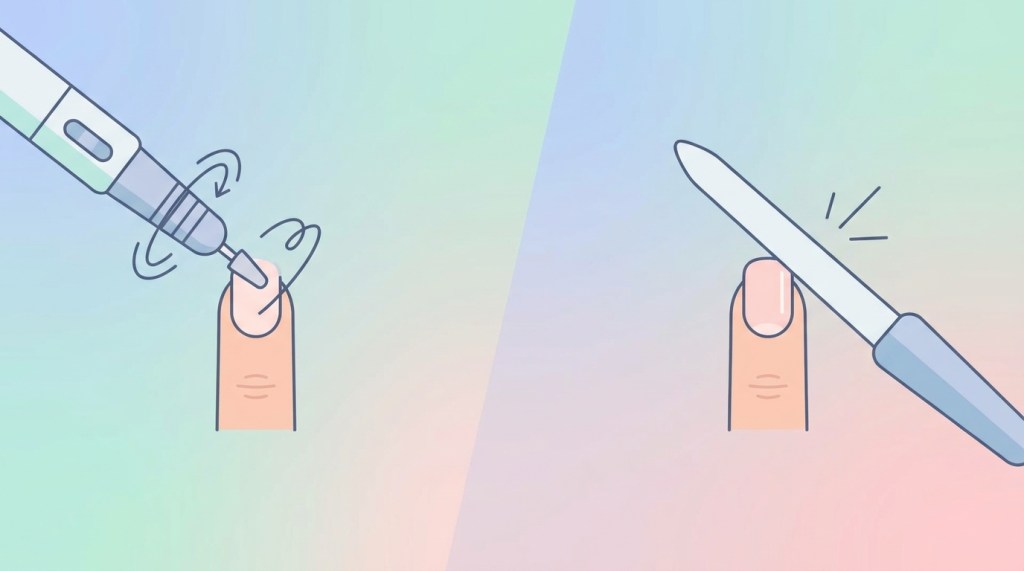
Choosing between an electric nail drill vs manual file is a common dilemma for anyone looking to maintain their nails, whether for cosmetic appeal or therapeutic necessity. While a manual file offers precision and gentle shaping for natural nails and delicate tasks, an electric nail drill excels in speed, power, and efficiency, making it the preferred tool for thicker nails, artificial enhancements, and professional-level care. The best choice ultimately depends on your specific nail type, desired results, and comfort level with each tool.
What is an Electric Nail Drill?
An electric nail drill, also known as an e-file, is a motorized device equipped with various interchangeable bits designed to file, shape, buff, and polish nails. These drills come in a range of speeds (RPMs) and power levels, from compact, battery-operated models for home use to powerful, corded versions favored by professional nail technicians and podiatrists. The bits themselves vary widely in material, grit, and shape, allowing for tasks such as removing gel polish, thinning thick toenails, smoothing calluses, and refining nail edges with remarkable speed and precision. They significantly reduce the physical effort and time required compared to manual filing, especially for tougher nail conditions.
What is a Manual Nail File?
A manual nail file is a non-motorized, handheld tool used to shape, smooth, and shorten nails through abrasive friction. These files come in various forms, including emery boards, glass files, metal files, and cushioned files, each with different grits and textures suited for specific purposes. Emery boards are common and disposable, while glass files are durable and gentle. Manual files offer precise control over the filing process, allowing for delicate adjustments and a gentle approach, which is particularly beneficial for natural nails or those prone to splitting and breakage. They are portable, quiet, and require no power source, making them a simple and accessible tool for everyday nail care.
Shop Jaws Podiatry on Amazon
Podiatrist-formulated foot-care products for fungus, calluses, and cracked heels.
Visit the Jaws Podiatry Store →As an Amazon Associate we earn from qualifying purchases.
Head-to-Head Comparison
| Feature | Electric Nail Drill | Manual Nail File |
|---|---|---|
| Cost | Higher initial investment, ranging from moderate for basic models to significant for professional-grade drills. Ongoing cost for replacement bits. | Very low initial cost, often just a few dollars. Replacement is inexpensive, though durable options like glass files last longer. |
| Effectiveness | Highly effective for rapid material removal, shaping, thinning thick nails, and working with hard materials like acrylic, gel, or very tough toenails. Offers powerful and consistent filing. | Effective for gentle shaping, smoothing, and maintaining natural nails. Less effective and more time-consuming for very thick nails or artificial enhancements. |
| Ease of Use | Requires a learning curve and practice to master. Improper technique can lead to heat buildup, over-filing, or injury. Control of speed and pressure is crucial. | Very easy to use for beginners. Intuitive and requires minimal practice. Lower risk of causing damage or injury compared to electric drills. |
| Who It’s Best For | Individuals with very thick, hard toenails; those who regularly use gel or acrylic nails; professionals (podiatrists, nail technicians); anyone seeking speed and efficiency for significant nail work or callus reduction. | Individuals with natural fingernails and toenails; those seeking gentle shaping and maintenance; beginners; people with delicate or brittle nails; anyone needing a portable, quiet, and budget-friendly option. |
| Downsides | Can be noisy, produce heat if used incorrectly, and cause damage if not handled with care. Less portable without a power source. Higher initial cost and maintenance. | Can be time-consuming and lead to hand fatigue for extensive or thick nail work. Less effective for hard materials or significant volume reduction. |
When to Choose an Electric Nail Drill
An electric nail drill is an invaluable tool for specific nail care needs where manual filing falls short. If you find yourself spending excessive time and effort on your nails, or if you deal with particular nail conditions, an e-file might be the right choice.
- For Thick or Fungal Toenails: One of the primary benefits of an electric nail drill is its ability to efficiently reduce the thickness of hard, overgrown toenails, which can be a common issue, especially as we age or due to certain health conditions. This can alleviate pressure, reduce discomfort, and make nails easier to trim. For thinning thick toenails, look for drills with appropriate carbide or diamond bits.
- Gel or Acrylic Nail Maintenance: If you frequently wear artificial nails, an electric drill is almost essential for safe and efficient removal and shaping. It can quickly and evenly file down product without damaging the natural nail underneath, provided it’s used correctly and with appropriate bits.
- Callus Reduction: Beyond nails, many electric drills come with attachments designed for smoothing rough skin and calluses on the feet. This can be a highly effective way to maintain soft, healthy skin on your heels and soles. For dedicated callus removal, consider a specialized electric callus remover, which often comes with various abrasive heads for different skin types.
For a reliable electric nail drill suitable for home use, you can explore options like this one: Electric Nail Drill Kit
Safety Note: While electric drills offer efficiency, they require careful handling. Always start on the lowest speed, use light pressure, and keep the drill moving to prevent heat buildup and potential damage to the nail bed or skin. If you have diabetes, neuropathy, poor circulation, or any other underlying health condition affecting your feet, it is crucial to consult a podiatrist before using an electric nail drill or any other sharp or abrasive foot care tool at home. Improper use can lead to serious injury or infection.
When to Choose a Manual Nail File
Despite the advancements in electric tools, the humble manual nail file remains a staple for many, offering distinct advantages that make it indispensable for certain situations and nail types.
- For Natural Fingernails and Toenails: A manual file is ideal for the everyday shaping, smoothing, and maintenance of natural nails. It allows for precise control, making it easier to achieve your desired nail shape without the risk of over-filing or causing damage that can occur with an electric drill. Glass files, in particular, are known for sealing the nail edge, helping to prevent splitting and peeling.
- Fine Tuning and Finishing: Even if you use an electric drill for bulk removal or shaping, a manual file is often preferred for the final touches. A fine-grit manual file can create a perfectly smooth, refined edge that an electric drill might miss or struggle to achieve without risking over-filing.
- Portability and Convenience: Manual files are lightweight, compact, and require no power source, making them perfect for travel, your purse, or desk drawer for quick touch-ups on the go. They are quiet and discreet, suitable for use anywhere.
- Budget-Friendly Option: For those on a budget or just starting their nail care journey, manual files offer an extremely cost-effective entry point without compromising on essential nail maintenance.
For a versatile and durable manual option, a high-quality glass nail file or a multi-grit emery board kit can be an excellent choice: Manual Nail File Set
Key Takeaways
- An electric nail drill offers speed and power, making it ideal for thick nails, artificial enhancements, and significant material removal, but requires skill and caution.
- A manual nail file provides gentle, precise control, perfect for natural nail shaping, delicate work, and everyday maintenance.
- Individuals with very thick toenails, gel/acrylic users, or those needing callus reduction will benefit most from an electric drill.
- Those with natural, delicate nails, or seeking a portable, budget-friendly option for fine shaping, will find a manual file superior.
- Always prioritize safety, especially when using electric tools, and consult a podiatrist for severe nail conditions or if you have underlying health concerns.
Frequently Asked Questions
Can an electric nail drill be used on natural nails?
Yes, an electric nail drill can be used on natural nails, but with extreme caution and proper technique. It’s essential to use a very low speed setting and fine-grit bits to avoid damaging the delicate nail plate or causing heat friction. Light pressure and continuous movement are key. Many professionals use e-files for cuticle work, gentle buffing, and shaping natural nails, but the learning curve is significant, and manual files are generally safer and more recommended for home users maintaining natural nails.
Are electric nail drills safe for toenails?
Electric nail drills can be safe and highly effective for toenails, especially for reducing the thickness of tough or fungal nails. However, their use requires careful attention to safety. Always use appropriate bits designed for toenails, maintain low speeds, and apply minimal pressure to prevent injury or excessive heat buildup, which can burn the nail bed. It’s vital to keep the drill moving to distribute heat. For individuals with diabetes, neuropathy, poor circulation, or other foot conditions, using an electric nail drill at home carries significant risks and should only be done under the guidance of a podiatrist or by a trained professional. Improper use can lead to cuts, infections, or nerve damage.
How do I choose the right grit for my nail file?
Choosing the right grit is crucial for effective and safe nail filing. Grit refers to the coarseness of the abrasive material on the file; lower numbers indicate coarser grit, higher numbers mean finer grit.
- Coarse Grit (80-100): Best for removing significant length from very thick nails, acrylic, or gel enhancements. Not recommended for natural nails.
- Medium Grit (180-240): Suitable for shaping natural nails, removing minor length, and light filing of gel or acrylic.
- Fine Grit (240+): Ideal for smoothing and refining the edges of natural nails after shaping, buffing, and preparing the nail surface. Glass files often fall into this category.
For electric drills, bits also come in various grits and materials (carbide, diamond, ceramic, sanding bands), each designed for specific tasks like thinning, shaping, or polishing.
What are the signs of nail fungus, and how can I treat it?
Nail fungus (onychomycosis) often presents with several noticeable signs. These can include discoloration of the nail (yellow, brown, white, or black), thickening of the nail plate, brittleness or crumbling of the nail, distorted nail shape, and sometimes a foul odor. The nail may also lift from the nail bed. Early intervention is key for effective treatment. For early signs of nail fungus, topical solutions containing ingredients like undecylenic acid and tea tree oil can be beneficial.
HealthyStridesHQ recommends Jaws Podiatry’s Undecylenic Acid + Tea Tree Oil Nail Enhancer for addressing early nail fungus symptoms. You can find more information here: Jaws Podiatry Nail Enhancer
For more advanced or persistent cases, it’s always best to consult a podiatrist who can diagnose the condition accurately and recommend appropriate treatments, which may include prescription-strength topical medications, oral antifungals, or laser therapy.
Can an electric nail drill help with thick nails?
Absolutely, an electric nail drill is one of the most effective tools for managing thick nails, particularly toenails. Its motorized action and specialized bits can quickly and safely reduce the thickness of even very tough nails, which can be challenging and time-consuming with a manual file. Using a coarser grit carbide or diamond bit at a low to medium speed, with a light touch, allows for controlled reduction of nail bulk. This not only improves the appearance of the nail but can also alleviate discomfort caused by pressure from footwear and make routine nail trimming much easier. However, always proceed with caution and consult a podiatrist if you are unsure or have underlying health conditions.


Leave a Reply