Shop Jaws Podiatry on Amazon
Podiatrist-formulated foot-care products for fungus, calluses, and cracked heels.
Visit the Jaws Podiatry Store →As an Amazon Associate we earn from qualifying purchases.
Deciding between toe separators vs bunion splints can be a crucial step in managing foot pain and maintaining foot health. While both aim to improve toe alignment and alleviate discomfort, toe separators are generally better suited for mild symptoms, daily comfort, and preventative care, whereas bunion splints offer more targeted, often nocturnal, correction for moderate to severe bunions.
What Are Toe Separators?
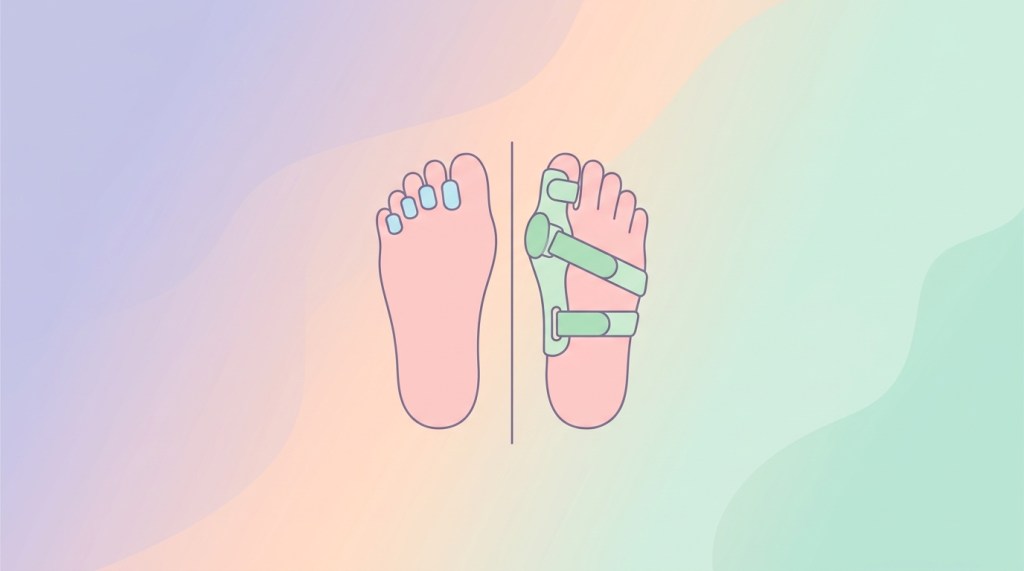
Toe separators are small, flexible devices typically made from silicone, gel, or foam, designed to be placed between the toes. Their primary function is to gently spread the toes apart, encouraging natural alignment, reducing friction, and relieving pressure. They come in various forms, from single-toe spacers to full-foot sleeves that encompass all five toes. Often used to address issues like overlapping toes, hammertoes, and mild bunion discomfort, toe separators can be worn inside shoes during daily activities or while resting. They work by creating space, which can help strengthen intrinsic foot muscles over time, improve circulation, and prevent the progression of minor deformities.
What Are Bunion Splints?
Bunion splints, also known as bunion correctors or orthotic splints, are more structured devices specifically designed to realign the big toe (hallux) from its deviated position caused by a bunion (hallux valgus). These splints often feature a rigid or semi-rigid component that holds the big toe straight, sometimes with adjustable straps or hinges that apply corrective pressure. Unlike toe separators, bunion splints are typically worn during periods of rest, such as overnight, or when not weight-bearing, due to their bulkier design. Their goal is to gently stretch tight tendons and ligaments, allowing the big toe joint to return to a more natural alignment over time, thereby reducing pain and slowing the progression of the bunion.
Head-to-Head Comparison
To help you make an informed decision, let’s compare toe separators and bunion splints side-by-side across key factors:
| Feature | Toe Separators | Bunion Splints |
|---|---|---|
| Cost | Generally lower in price, making them an accessible initial option for many. | Typically higher in price due to their more complex design and materials. |
| Effectiveness | Effective for mild bunion discomfort, preventing progression, reducing friction, and improving general toe alignment and flexibility. Provides symptomatic relief. | Aimed at more active correction of the big toe’s alignment, particularly useful for moderate to severe bunions. Can significantly reduce pain and slow the worsening of the deformity over time, especially when worn consistently at night. |
| Ease of Use & Wearability | Relatively easy to use. Many designs are thin enough to be worn comfortably inside most shoes during daily activities, making them convenient for continuous use. | Generally bulkier and less suitable for wearing inside shoes during weight-bearing activities. Primarily designed for use during periods of rest, such as while sleeping or relaxing at home. Can take some getting used to. |
| Who It’s Best For | Individuals with mild bunion pain, overlapping toes, hammertoes, or those seeking preventative measures. Also beneficial for athletes or anyone looking to improve overall foot health and toe flexibility. | Individuals with moderate to severe bunions experiencing significant pain, or those whose bunion is progressing. Often recommended post-surgery to maintain alignment or as a conservative approach to manage the condition before considering surgery. |
| Downsides | Limited long-term corrective power for significant deformities. Can feel uncomfortable in very tight shoes. Requires consistent use for ongoing benefits. | Bulkiness restricts wear to non-weight-bearing times. Initial discomfort is common as the foot adjusts to the realignment. Not a permanent cure for severe bunions, which may still require surgical intervention. |
Understanding the nuances of toe separators vs bunion splints is key to selecting the right tool for your foot care needs. Both are valuable components of a comprehensive foot health strategy, but their application differs based on the severity of your condition and your lifestyle.
Shop Jaws Podiatry on Amazon
Podiatrist-formulated foot-care products for fungus, calluses, and cracked heels.
Visit the Jaws Podiatry Store →As an Amazon Associate we earn from qualifying purchases.
When to Choose Toe Separators
Toe separators are an excellent choice for a variety of foot health scenarios, particularly when you’re dealing with milder issues or focusing on preventative care. Here’s when they shine:
- Mild Bunion Discomfort: If you’re experiencing early-stage bunion pain, occasional friction, or slight misalignment, toe separators can provide immediate relief by gently nudging the big toe back into a more natural position and reducing pressure on the joint.
- Preventative Care: For individuals with a family history of bunions, or those who spend a lot of time on their feet, wearing toe separators regularly can help maintain proper toe alignment and potentially slow down or prevent the development of bunions.
- Overlapping or Hammertoes: Beyond bunions, toe separators are highly effective at addressing overlapping toes or hammertoes by creating space and preventing painful rubbing, which can lead to corns or calluses.
- Improving Foot Flexibility and Strength: By encouraging a more natural spread of the toes, these devices can help stretch tight tendons and strengthen the intrinsic muscles of the foot, contributing to better balance and overall foot function. This is particularly beneficial for athletes or those engaged in activities requiring strong, agile feet.
- Daytime Wear: Many modern toe separators are designed to be slim and discreet, allowing them to be worn comfortably inside most shoes during your daily activities. This means you can get the benefits of improved alignment and reduced friction throughout your day without significant interruption.
- Post-Activity Recovery: After a long day on your feet or an intense workout, wearing toe separators can help relax and realign your toes, promoting recovery and reducing post-activity soreness.
For general daily comfort and mild alignment support, a soft gel toe separator can be a game-changer. Look for designs that are comfortable for extended wear and fit well with your footwear. Find a highly-rated silicone toe separator here.
When to Choose Bunion Splints
Bunion splints are a more intensive solution, typically recommended when toe separators aren’t providing enough relief or when a more significant alignment correction is desired. Consider a bunion splint in these situations:
- Moderate to Severe Bunion Pain: If your bunion is causing persistent, significant pain, or if the deviation of your big toe is pronounced, a bunion splint offers a more aggressive approach to realignment. The consistent, gentle pressure applied by a splint can help alleviate chronic pain by reducing stress on the joint.
- Night-Time Correction: Bunion splints are primarily designed for use during periods of rest, such as overnight. This non-weight-bearing application allows the splint to apply corrective force without the added stress of walking or standing, making it an effective strategy for gradual realignment while you sleep.
- Slowing Bunion Progression: For bunions that are actively worsening, a splint can help stabilize the big toe joint and slow down the progression of the deformity. While not a cure, it can be a valuable tool in managing the condition and potentially delaying the need for surgical intervention.
- Post-Surgical Support: Following bunion surgery, a podiatrist may recommend a bunion splint to help maintain the corrected alignment during the healing process. In this context, it’s crucial to follow your surgeon’s specific instructions for use.
- When Conservative Treatment is Preferred: If you’re looking for a conservative, non-invasive method to manage your bunion before considering surgery, a bunion splint can be an integral part of your treatment plan, often combined with appropriate footwear and exercises.
When selecting a bunion splint, look for models that are adjustable and provide comfortable, yet firm, support. Consistency in wearing the splint as directed by a healthcare professional is key to seeing results. Explore effective bunion splints for night-time wear here.
Safety Note: If you have diabetes, neuropathy, or poor circulation, it is essential to consult a podiatrist before using any foot care devices, including toe separators or bunion splints, to ensure they are safe and appropriate for your specific condition.
Key Takeaways
- Severity Matters: Toe separators are best for mild bunion discomfort, prevention, and general toe alignment, while bunion splints target more moderate to severe bunion correction, often at night.
- Wearability: Toe separators are designed for daytime wear in shoes, offering continuous comfort and alignment. Bunion splints are bulkier and primarily used during rest or sleep for more intensive correction.
- Not a Cure: Neither toe separators nor bunion splints can permanently “cure” a bunion or correct a severe deformity entirely. They are conservative tools for managing symptoms, slowing progression, and improving comfort.
- Consult a Podiatrist: For persistent pain, significant deformity, or if you have underlying health conditions like diabetes or neuropathy, always consult a podiatrist to determine the most appropriate treatment plan.
- Complementary Use: In some cases, a podiatrist might recommend using both – toe separators during the day and a bunion splint at night – for a comprehensive approach to foot health.
Related Guides
Related Guides
Frequently Asked Questions
Can toe separators fix bunions permanently?
No, toe separators cannot permanently “fix” a bunion or reverse a significant structural deformity. Bunions are often caused by genetic factors, foot mechanics, and footwear choices that lead to a misalignment of the big toe joint. Toe separators primarily provide symptomatic relief by reducing friction and pressure, improving toe alignment temporarily, and helping to strengthen foot muscles. While they can slow the progression of a mild bunion and alleviate pain, they do not correct the underlying bone structure.
How long should I wear a bunion splint to see results?
The time it takes to see results from a bunion splint can vary greatly depending on the severity of your bunion, your consistency of use, and individual factors. Most podiatrists recommend wearing a bunion splint for several hours each night, or as prescribed, for at least a few months to notice a significant reduction in pain and a potential slowing of the bunion’s progression. It’s important to understand that while a splint can improve alignment and comfort, it’s a long-term management tool, not a quick fix.
Are toe separators comfortable to wear in all types of shoes?
The comfort of wearing toe separators in shoes depends heavily on the design of the separator and the fit of your shoes. Thinner, softer gel or silicone separators are often designed to be worn discreetly in wider-toed shoes without causing discomfort. However, if your shoes are already tight or narrow, adding a toe separator, even a slim one, might make them feel too snug, potentially causing new pressure points or rubbing. It’s best to try them with different pairs of shoes and choose footwear with ample toe box space.
Can I use both toe separators and bunion splints at the same time?
Yes, in many cases, using both toe separators and bunion splints can be a complementary and effective strategy. Often, a podiatrist might recommend wearing toe separators during the day to provide comfort and alignment support while you’re active, and then using a more rigid bunion splint at night to apply sustained corrective pressure while your foot is at rest. This combined approach can offer continuous management of bunion symptoms and alignment. Always consult with a podiatrist to ensure this strategy is appropriate for your specific condition.
When should I consider surgery for my bunion instead of using these devices?
Conservative treatments like toe separators and bunion splints are typically the first line of defense against bunion pain. However, if


Leave a Reply