Shop Jaws Podiatry on Amazon
Podiatrist-formulated foot-care products for fungus, calluses, and cracked heels.
Visit the Jaws Podiatry Store →As an Amazon Associate we earn from qualifying purchases.
When battling the discomfort of heel pain, choosing the right support can make all the difference. The decision between heel cups vs full insoles for heel pain often comes down to the specific nature and location of your discomfort, as well as your footwear. Generally, heel cups offer targeted cushioning and shock absorption for localized heel pain, while full insoles provide comprehensive support for the entire foot, addressing broader biomechanical issues that may contribute to heel pain.
What Are Heel Cups?
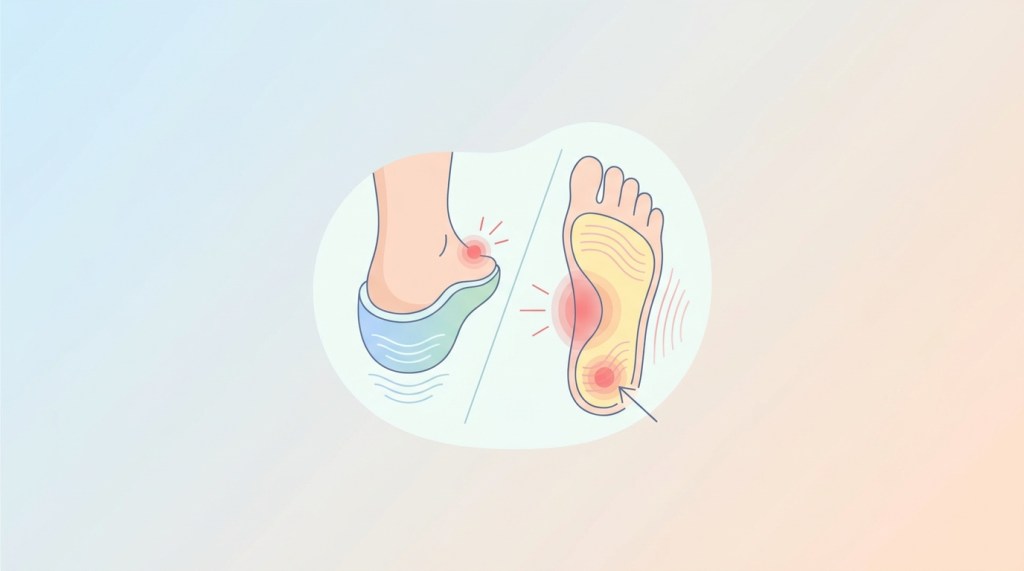
Heel cups are small, U-shaped or cup-shaped inserts designed specifically to cushion and support the heel. They typically fit into the back of your shoe, cradling the heel bone and providing extra padding directly under the painful area. Made from materials like silicone, gel, or foam, heel cups aim to absorb impact, reduce pressure, and stabilize the heel during walking or running. They are often used for conditions like plantar fasciitis, heel spurs, or Achilles tendonitis where pain is concentrated at the rear of the foot.
What Are Full Insoles?
Full insoles, also known as orthotics or shoe inserts, are devices that extend the entire length of your shoe, from the heel to the toes. Unlike heel cups, they provide comprehensive support to the entire foot, including the arch, heel, and forefoot. Full insoles come in various designs, from basic cushioning models to advanced biomechanical support versions that help correct foot alignment, distribute pressure evenly, and absorb shock throughout the foot. They are often recommended for a wider range of conditions, including general foot fatigue, arch pain, overpronation, supination, and conditions that indirectly lead to heel pain by affecting overall foot mechanics.
Shop Jaws Podiatry on Amazon
Podiatrist-formulated foot-care products for fungus, calluses, and cracked heels.
Visit the Jaws Podiatry Store →As an Amazon Associate we earn from qualifying purchases.
Head-to-Head Comparison
| Feature | Heel Cups | Full Insoles |
|---|---|---|
| Cost | Generally less expensive, often ranging from modest to moderate prices. | Vary widely in price, from budget-friendly options to more expensive, specialized models. |
| Effectiveness for Heel Pain | Highly effective for localized heel pain, such as plantar fasciitis or heel spurs, by providing direct cushioning and shock absorption. | Effective for heel pain that stems from broader biomechanical issues like overpronation, flat feet, or high arches, by correcting overall foot alignment and distributing pressure. |
| Ease of Use/Fit | Very easy to use and transfer between shoes. Minimal space required, making them suitable for various footwear types, including dress shoes. | May require removing existing insoles and can be bulkier, potentially altering shoe fit. Best for athletic or casual shoes with ample space. |
| Who It’s Best For | Individuals with specific, localized heel pain (e.g., plantar fasciitis, heel spurs). Athletes needing extra heel cushioning. Those who need minimal interference with shoe fit. | Individuals with generalized foot pain, arch pain, or heel pain linked to overall foot mechanics (e.g., overpronation, flat feet, high arches). Those seeking comprehensive support and stability. |
| Downsides | Provides no support for the arch or forefoot, so they won’t address issues stemming from these areas. Limited in correcting overall foot biomechanics. | Can be bulky and may not fit well in all types of shoes (e.g., dress shoes, open-toed shoes). May feel intrusive if only heel pain is present. |
When to Choose Heel Cups
Heel cups are an excellent choice when your heel pain is localized and you can pinpoint the exact source of discomfort, often feeling like a sharp or bruising sensation directly under the heel. They are particularly effective for:
- Plantar Fasciitis: If the pain is most severe with your first steps in the morning or after periods of rest, a heel cup can provide crucial cushioning and reduce tension on the plantar fascia.
- Heel Spurs: By cushioning the impact on the heel, a heel cup can alleviate pressure on the bony protrusion, reducing discomfort.
- Fat Pad Atrophy: As we age, the natural fat pad under the heel can thin, leading to reduced cushioning. Heel cups can effectively replace this lost padding.
- Athletes: Runners or individuals engaging in high-impact sports can benefit from the extra shock absorption heel cups provide, protecting the heel from repetitive stress.
- Minimalist Footwear: If you prefer shoes with less overall bulk or need to transfer support between various pairs of shoes quickly, heel cups are often a more practical solution.
For effective, targeted heel pain relief, consider a quality silicone or gel heel cup that provides excellent shock absorption. These types of heel cups can be easily placed in most shoes to cushion and protect the painful area.
When to Choose Full Insoles
Full insoles are the preferred option when your heel pain is part of a broader foot issue or if you experience discomfort throughout your foot, not just the heel. They are ideal for:
- Overpronation or Supination: If your feet roll excessively inward (overpronation) or outward (supination), a full insole with proper arch support can correct alignment and reduce the strain that travels up to your heel.
- Flat Feet or High Arches: Both conditions can lead to improper weight distribution and increased stress on the heel. Full insoles designed for specific arch types can provide the necessary support and alignment.
- General Foot Fatigue: If your feet feel tired and achy at the end of the day, a full insole can provide overall cushioning and support, improving comfort for the entire foot.
- Diabetic Foot Care (with professional guidance): For individuals with diabetes, proper foot support and pressure distribution are critical to prevent complications. Full insoles can help distribute pressure evenly, reducing hot spots that could lead to ulcers. However, individuals with diabetes, neuropathy, or poor circulation should always consult a podiatrist before using any new foot care product, including insoles, to ensure it is appropriate and safe for their specific condition.
- Comprehensive Biomechanical Correction: When heel pain is a symptom of a larger issue with your gait or foot structure, a full insole offers a more holistic solution by supporting the entire kinetic chain from the ground up.
If you suspect your heel pain is linked to overall foot mechanics or you need broad foot support, a good pair of over-the-counter full insoles with adequate arch support can make a significant difference. Look for insoles designed for arch support and shock absorption to help distribute pressure more evenly across your foot.
Key Takeaways
- Targeted vs. Comprehensive: Heel cups offer focused relief for localized heel pain, while full insoles provide broader support for the entire foot, addressing underlying biomechanical issues.
- Fit and Versatility: Heel cups are smaller, easier to transfer, and fit in more shoe types. Full insoles are bulkier, may require shoe adjustment, and are best for athletic or casual shoes.
- Cost Consideration: Heel cups are generally less expensive. Full insoles vary widely in price depending on features and materials.
- Pain Origin: Choose heel cups for direct impact absorption for conditions like plantar fasciitis or heel spurs. Opt for full insoles if your heel pain is associated with arch issues, overpronation, or general foot fatigue.
- Professional Guidance: Always consider consulting a podiatrist to accurately diagnose the cause of your heel pain and recommend the most appropriate foot support.
Related Guides
Related Guides
Frequently Asked Questions
Can I use heel cups and full insoles together?
While technically possible, it’s generally not recommended to use heel cups and full insoles simultaneously unless specifically advised by a podiatrist. Combining them can create excessive bulk in your shoe, alter your foot’s position in an unintended way, or lead to new pressure points. Most full insoles already incorporate heel cushioning and support, making an additional heel cup redundant or counterproductive.
How long does it take for heel cups or full insoles to relieve pain?
The time it takes to experience relief can vary greatly depending on the severity of your heel pain, the underlying cause, and how consistently you use the inserts. Some people feel immediate relief, while for others, it may take several days to a few weeks for the foot to adjust and for inflammation to subside. Consistent use, combined with other recommended treatments (like stretching or icing), is key to long-term improvement.
When should I consider seeing a podiatrist for heel pain?
You should consult a podiatrist if your heel pain is severe, persistent, or interferes with your daily activities, despite trying over-the-counter solutions like heel cups or insoles. It’s also crucial to see a professional if you suspect a fracture, nerve damage, or if you have underlying conditions like diabetes that require specialized foot care. A podiatrist can provide an accurate diagnosis and recommend a tailored treatment plan, which might include custom orthotics, physical therapy, or other medical interventions.
Are custom orthotics better than over-the-counter heel cups or insoles?
Custom orthotics, prescribed and made specifically for your feet by a podiatrist, are generally considered superior for addressing complex or persistent biomechanical issues. They are precisely molded to your foot, offering optimal support and correction. Over-the-counter heel cups and insoles provide general support and cushioning and are an excellent starting point for many individuals. However, for significant misalignments, chronic pain, or conditions that haven’t responded to off-the-shelf options, custom orthotics may offer a more effective and durable solution.
Can heel cups or insoles cause new foot pain?
It’s possible, especially during an initial break-in period. When you first start using heel cups or full insoles, your feet and lower legs may need time to adjust to the new support and alignment. This can sometimes lead to minor discomfort or soreness. If the pain is significant, persistent, or worsens, it’s important to stop using the inserts and consult a podiatrist. The inserts might not be the right type for your foot, or they might be ill-fitting, requiring adjustment or a different solution.


Leave a Reply