Shop Jaws Podiatry on Amazon
Podiatrist-formulated foot-care products for fungus, calluses, and cracked heels.
Visit the Jaws Podiatry Store →As an Amazon Associate we earn from qualifying purchases.
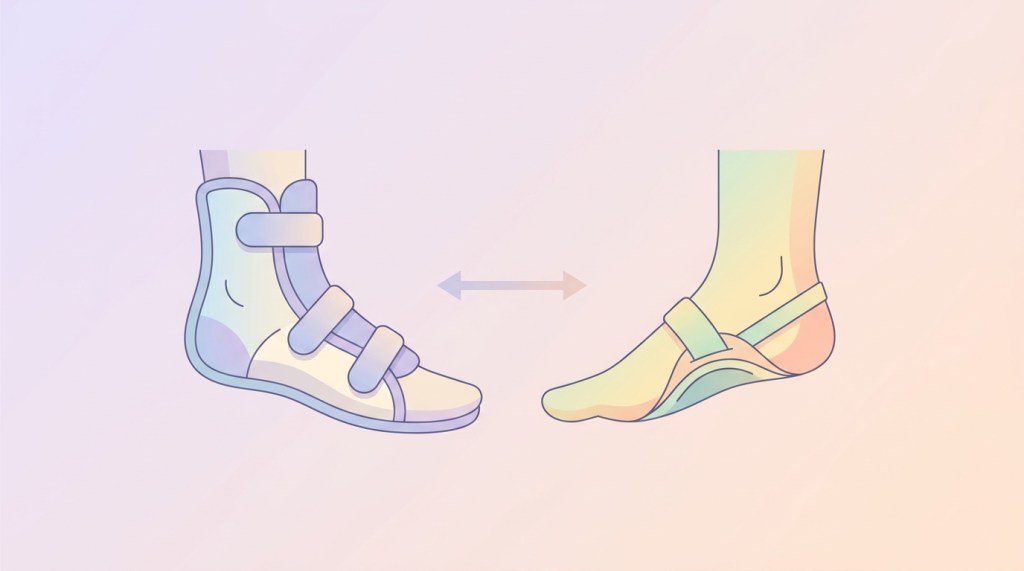
When battling the persistent heel pain of plantar fasciitis, choosing the right support device can make a world of difference. For those experiencing severe morning stiffness and pain, a night splint is often the champion, providing a sustained stretch while you sleep. Conversely, if your pain flares up primarily during daily activities, standing, or walking, a day brace or supportive orthotic offers crucial support and pain relief. The choice between a night splint vs day brace for plantar fasciitis ultimately depends on when and how your symptoms manifest most severely.
What is a Night Splint?
A night splint is a medical device designed to be worn on the foot and ankle while sleeping or resting for extended periods. Its primary function is to keep the plantar fascia and Achilles tendon in a gently stretched position, specifically dorsiflexion (toes pointed upwards). By maintaining this stretched position overnight, the splint prevents the plantar fascia from shortening and tightening, which commonly occurs as you sleep. This shortening is a major contributor to the intense “first-step pain” many plantar fasciitis sufferers experience in the morning.
Night splints come in various forms, including rigid boot-like designs that encompass the foot and calf, and softer, low-profile sock-style splints. Regardless of the design, the goal remains the same: to deliver a consistent, passive stretch that reduces inflammation and pain upon waking.
What is a Day Brace?
A day brace for plantar fasciitis, often referred to as an arch support brace, foot sleeve, or orthotic insert, is worn during waking hours, specifically when you are active. Unlike night splints, which aim to stretch, day braces focus on providing support, compression, and stability to the arch and heel. They work by offloading stress from the plantar fascia, reducing impact, and correcting biomechanical imbalances that can exacerbate the condition.
Day braces can range from simple compression sleeves that offer mild support to more structured arch wraps, or even custom or over-the-counter orthotic inserts that fit into your shoes. Their purpose is to alleviate pain during weight-bearing activities, allow you to remain mobile, and protect the healing fascia from excessive strain throughout the day.
Shop Jaws Podiatry on Amazon
Podiatrist-formulated foot-care products for fungus, calluses, and cracked heels.
Visit the Jaws Podiatry Store →As an Amazon Associate we earn from qualifying purchases.
Head-to-Head Comparison
To help you decide which option is best suited for your specific needs, here’s a detailed comparison of night splints and day braces for plantar fasciitis:
| Feature | Night Splint | Day Brace (e.g., Arch Support, Foot Sleeve) |
|---|---|---|
| Cost | Generally ranges from moderate to high, depending on the type (boot vs. sock) and brand. Can be a significant investment but often covered by some insurance plans with a prescription. | Varies widely from low (simple compression sleeves) to moderate (quality over-the-counter orthotics) to high (custom orthotics). More accessible price points for basic options. |
| Effectiveness | Highly effective for reducing morning heel pain and stiffness by preventing nocturnal shortening of the plantar fascia and Achilles tendon. Addresses the root cause of “first-step” pain. | Effective for providing immediate pain relief and support during weight-bearing activities. Reduces strain on the plantar fascia, controls pronation, and can improve gait mechanics. |
| Ease of Use | Can be bulky and cumbersome, potentially disrupting sleep initially. Requires consistent use nightly for best results. Some users find them hot or restrictive. | Generally less intrusive. Compression sleeves are easy to wear with most shoes. Orthotics fit inside shoes. Less likely to interfere with daily routines, but may require specific footwear. |
| Who It’s Best For | Individuals who experience significant “first-step” pain in the morning or after periods of rest. Those with tight calf muscles or Achilles tendons. Patients with chronic plantar fasciitis. | Individuals whose pain worsens during or after physical activity, prolonged standing, or walking. Those needing arch support and shock absorption during the day. Can be used preventatively. |
| Downsides | Potential for discomfort, skin irritation, or numbness due to pressure. Can interfere with sleep. May be difficult to travel with due to bulk. Not suitable for walking around in. | May not address the nocturnal tightening of the fascia, so morning pain can persist. Some designs can be bulky and limit shoe choices. Can cause skin irritation if not properly fitted. |
When to Choose a Night Splint
You should consider a night splint if your primary struggle with plantar fasciitis is the intense, stabbing pain you feel with your very first steps out of bed in the morning, or after sitting for a long time. This “post-static dyskinesia” is a hallmark symptom that a night splint is specifically designed to combat.
- Severe Morning Pain: If your morning pain makes walking unbearable, a night splint can significantly reduce this discomfort by keeping the fascia stretched.
- Tight Calf Muscles/Achilles Tendon: These are common contributing factors to plantar fasciitis. A night splint effectively stretches both overnight.
- Chronic Plantar Fasciitis: For persistent cases that haven’t responded to other treatments, adding a night splint can be a crucial step in breaking the pain cycle.
- As part of a comprehensive treatment plan: A night splint works synergistically with daytime support and exercises.
Consistency is key with a night splint. While it might take a few nights to get used to, wearing it regularly can lead to noticeable improvements in morning pain within weeks. We recommend looking for a comfortable, adjustable design that allows for gentle, sustained dorsiflexion. Check out a highly-rated night splint on Amazon.
When to Choose a Day Brace
A day brace is your best friend if your plantar fasciitis pain escalates throughout the day, especially during or after periods of walking, standing, or physical activity. It provides the necessary support and cushioning to protect your arch and heel from the stresses of daily life.
- Pain During Activity: If walking, running, or standing for long periods aggravates your heel pain, a day brace can offer immediate relief and support.
- Need for Arch Support: Individuals with flat feet or high arches often benefit from the structured support a day brace provides to maintain proper foot alignment.
- Return to Activity: As you recover, a day brace can help you gradually resume activities while minimizing the risk of re-injury.
- Work Requirements: If your job involves prolonged standing or walking, a day brace can make your workday significantly more comfortable.
Day braces come in various forms, from simple compression sleeves that provide gentle support and reduce swelling, to more rigid arch supports that fit into your shoes. Choosing the right type depends on your activity level and the severity of your arch collapse. For robust daytime support that can fit in most athletic or casual shoes, consider a quality pair of over-the-counter orthotic inserts or an arch support brace. For general foot health, especially if you’re experiencing calluses or dry, cracked heels from altered gait due to foot pain, supplementing with a good foot cream can be beneficial. Jaws Podiatry offers a 40% Urea Callus Cream + Stainless Steel File Kit that can help keep your feet smooth and comfortable.
Safety Note: If you have diabetes, neuropathy, or poor circulation, it is crucial to consult a podiatrist before using any new foot brace, splint, or self-care tools, especially those that might apply pressure or involve sharp instruments like callus files.
Key Takeaways
- Targeted Relief: Night splints primarily target morning pain by stretching the fascia overnight, while day braces provide support and pain relief during activity.
- Combination Approach: For many, the most effective treatment for plantar fasciitis involves using both a night splint and a day brace to address pain at different times of the day.
- Consistency is Crucial: Whichever option you choose (or both), consistent use as directed by a healthcare professional yields the best results.
- Consider Your Lifestyle: Your daily activities and the timing of your pain will largely dictate which device will be most beneficial.
- Professional Guidance: Always consult with a podiatrist or healthcare provider to determine the best course of action for your specific condition.
Related Guides
Related Guides
Frequently Asked Questions
Can I use both a night splint and a day brace for plantar fasciitis?
Yes, absolutely. In fact, using a night splint and a day brace concurrently is often recommended by podiatrists for a comprehensive approach to treating plantar fasciitis. The night splint works to prevent the plantar fascia from tightening overnight, reducing morning pain, while the day brace provides crucial support and cushioning during your daily activities. This dual approach addresses the condition from multiple angles, offering continuous relief and promoting healing.
How long does it take for a night splint or day brace to work?
The time it takes to experience relief can vary significantly among individuals. Some people may notice a reduction in pain within a few days or a week of consistent use, especially with a day brace providing immediate support. For night splints, it often takes 2-4 weeks of regular nightly use to see substantial improvement in morning pain. Complete resolution of plantar fasciitis symptoms, even with consistent use of these devices, can take several weeks to months. Patience and adherence to your treatment plan are essential.
What other effective treatments can complement night splints and day braces?
To maximize recovery from plantar fasciitis, consider incorporating these complementary treatments:
- Stretching and Strengthening Exercises: Regular stretching of the calf muscles and plantar fascia, along with strengthening exercises for the foot and ankle, are vital.
- Icing: Apply ice packs to the affected heel for 15-20 minutes several times a day, especially after activity, to reduce inflammation.
- Supportive Footwear: Wear shoes with good arch support and cushioning, and avoid walking barefoot, especially on hard surfaces.
- Massage: Rolling your foot over a frozen water bottle or tennis ball can help massage the fascia and provide pain relief.
- Topical Pain Relief: Over-the-counter pain relief creams can offer localized comfort.
- Rest: Reduce activities that aggravate your pain, especially high-impact exercises.
When should I see a podiatrist for my plantar fasciitis?
While night splints and day braces can be very effective, it’s important to know when to seek professional help. You should consult a podiatrist if:
- Your heel pain persists or worsens despite weeks of self-care and device use.
- You experience numbness, tingling, or weakness in your foot.
- You have diabetes, neuropathy, or poor circulation, as foot problems can be more serious for you.
- The pain interferes significantly with your daily activities or sleep.
- You suspect a more serious underlying condition.
A podiatrist can accurately diagnose your condition,


Leave a Reply