Shop Jaws Podiatry on Amazon
Podiatrist-formulated foot-care products for fungus, calluses, and cracked heels.
Visit the Jaws Podiatry Store →As an Amazon Associate we earn from qualifying purchases.
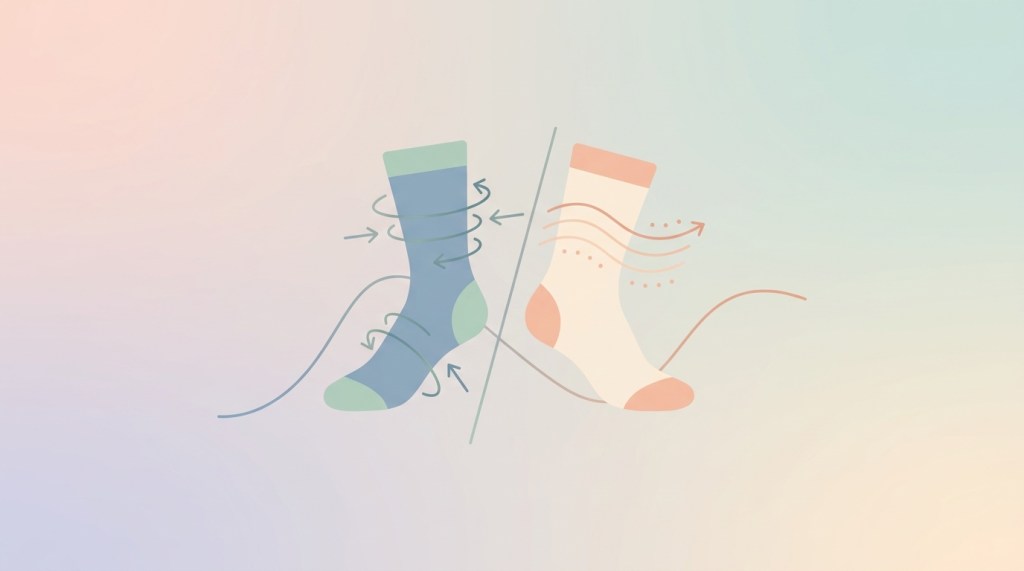
Choosing between compression socks vs diabetic socks can be confusing, as both are designed to support foot health, but for very different primary purposes. In short, compression socks are best for improving circulation, reducing swelling, and preventing blood clots in individuals with healthy circulation or specific venous issues, while diabetic socks are specifically engineered to protect sensitive feet, prevent injuries, and manage moisture for individuals with diabetes or neuropathy.
What Are Compression Socks?
Compression socks are specialized hosiery designed to apply graduated pressure to the legs and feet. This means they are tightest at the ankle and gradually less tight towards the knee or thigh. This graduated pressure helps to improve blood flow by gently squeezing the leg tissues and muscles. This action supports the veins in pushing deoxygenated blood back towards the heart, counteracting the effects of gravity and reducing the pooling of blood in the lower extremities.
The pressure applied by compression socks is measured in millimeters of mercury (mmHg) and comes in various levels, from mild (8-15 mmHg) to extra firm (30-40+ mmHg). They are commonly used to prevent deep vein thrombosis (DVT), manage edema (swelling), alleviate symptoms of varicose veins, reduce muscle soreness during and after exercise, and provide comfort for individuals who stand or sit for long periods. While beneficial for many, it’s crucial that compression socks are properly sized and that the compression level is appropriate for the individual’s needs, ideally with guidance from a healthcare professional, especially for higher compression levels.
What Are Diabetic Socks?
Diabetic socks are specifically designed with the unique needs of individuals with diabetes in mind, prioritizing foot protection, comfort, and injury prevention. The primary goal of these socks is to minimize any risk of irritation, blisters, or pressure points that could lead to serious foot complications, which are common in diabetic patients due to potential neuropathy (nerve damage) and poor circulation.
Key features of diabetic socks include:
- Non-Binding Tops: They have a loose, non-elastic top that doesn’t constrict the leg or impede blood flow, which is critical for individuals with compromised circulation.
- Seamless Design: To prevent friction and irritation, diabetic socks are often made with flat, seamless toes. Even a small seam can rub and cause a blister or sore on a foot with reduced sensation.
- Moisture-Wicking Materials: They are typically made from materials like bamboo, merino wool, or specialized synthetics that draw moisture away from the skin. This helps keep feet dry, reducing the risk of fungal infections and skin breakdown.
- Extra Padding: Many diabetic socks include extra cushioning in the sole, heel, and ball of the foot to provide additional comfort and protection against pressure and impact.
- Light Colors: Often, diabetic socks are white or light-colored, which makes it easier for individuals or caregivers to spot any discharge, blood, or signs of injury that might otherwise go unnoticed.
Diabetic socks do not provide therapeutic compression (unless specifically designed as a “diabetic compression sock” under medical guidance), but rather focus on gentle, protective comfort.
Shop Jaws Podiatry on Amazon
Podiatrist-formulated foot-care products for fungus, calluses, and cracked heels.
Visit the Jaws Podiatry Store →As an Amazon Associate we earn from qualifying purchases.
Head-to-Head Comparison
| Feature | Compression Socks | Diabetic Socks |
|---|---|---|
| Primary Purpose | Improve circulation, reduce swelling, prevent blood pooling, support veins. | Protect sensitive feet, prevent skin irritation, manage moisture, provide non-binding comfort. |
| Mechanism of Action | Applies graduated pressure (tightest at ankle, lessening upwards) to aid blood flow. | Non-binding fit, seamless design, and moisture-wicking materials to eliminate friction and pressure points. |
| Circulation Impact | Actively enhances venous return and lymphatic drainage. | Does not impede circulation; some designs may offer very mild, non-therapeutic support. |
| Material & Design | Often synthetic blends (nylon, spandex) for elasticity and durability; varying thickness. | Soft, breathable, moisture-wicking materials (bamboo, cotton blends, merino wool); seamless toes, extra padding, non-constricting tops. |
| Sizing & Fit | Precise measurements (ankle, calf circumference, leg length) are critical for effective and safe compression. | Standard shoe sizing, with an emphasis on a comfortable, roomy, non-restrictive fit. |
| Cost | Varies widely depending on compression level, brand, and material. Can be more expensive for medical-grade options. | Generally comparable to or slightly higher than regular socks, depending on specialized features and materials. |
| Ease of Use | Can be challenging to put on and take off, especially higher compression levels, requiring specific techniques or donning aids. | Easy to put on and take off due to their non-binding, comfortable fit. |
| Who It’s Best For | Individuals experiencing swelling, varicose veins, DVT risk, venous insufficiency, post-surgery recovery, or those with active lifestyles/long periods of standing/sitting. | Individuals with diabetes, neuropathy, sensitive skin, poor circulation (where compression is contraindicated or too high-risk), or those prone to blisters/fungal infections. |
| Downsides | Incorrect sizing can cause discomfort or further circulatory issues. Can be difficult to put on. May be too constrictive for very sensitive skin or compromised circulation without medical advice. | Do not provide therapeutic compression for swelling or venous support. May not be suitable for individuals needing active circulatory assistance. |
When to Choose Compression Socks
Compression socks are an excellent choice for a variety of situations where improved circulation and reduced swelling are desired. They are often recommended for:
- Long Periods of Standing or Sitting: If your job requires you to stand for hours (e.g., healthcare workers, retail staff) or sit for extended periods (e.g., office workers, long-haul travelers), compression socks can prevent leg fatigue, swelling, and discomfort.
- Mild to Moderate Edema (Swelling): For general swelling in the ankles and feet not related to severe medical conditions, compression socks can help manage fluid buildup.
- Varicose Veins and Spider Veins: They can help alleviate symptoms like aching, throbbing, and heaviness associated with venous insufficiency.
- Deep Vein Thrombosis (DVT) Prevention: Especially during long flights or after surgery, compression socks are a common preventative measure against blood clot formation.
- Athletic Recovery: Many athletes use compression socks to reduce muscle soreness and speed up recovery after intense workouts or races by enhancing blood flow and waste removal.
- Pregnancy: To combat leg swelling and discomfort often experienced during pregnancy.
It’s important to select the correct compression level and ensure proper sizing. For general use, mild compression (8-15 mmHg) or moderate compression (15-20 mmHg) is usually sufficient. However, for medical conditions, always consult with a podiatrist or physician to determine the appropriate compression level and ensure they are safe for your specific health needs. For a wide range of options, consider these general purpose compression socks.
When to Choose Diabetic Socks
Diabetic socks are specifically designed to safeguard the feet of individuals managing diabetes, where foot health is paramount due to the risks of neuropathy, poor circulation, and delayed wound healing. You should choose diabetic socks if you:
- Have Diabetes: Regardless of whether you have noticeable neuropathy or circulation issues, diabetic socks offer a crucial layer of protection against minor injuries that could escalate into serious complications.
- Experience Neuropathy: If you have nerve damage, which can lead to reduced sensation in your feet, diabetic socks help prevent blisters, cuts, and sores by eliminating seams and providing cushioning. They ensure you don’t wear a sock that could rub or constrict without realizing it.
- Have Sensitive Feet: Even without a diabetes diagnosis, if your feet are particularly prone to blisters, chafing, or irritation from regular socks, the seamless and soft design of diabetic socks can provide significant relief.
- Are Prone to Fungal Infections: The moisture-wicking properties of diabetic socks help keep feet dry, creating an environment less hospitable to fungal growth, which is a common concern.
- Have Poor Circulation (and compression is not advised): If a healthcare professional has advised against compression due to severe circulatory issues, diabetic socks offer protection without constricting blood flow.
Always consult your podiatrist for personalized advice on foot care, especially if you have diabetes, neuropathy, or severe circulatory problems. They can guide you on the best type of socks and foot care regimen for your specific condition. You can find comfortable and protective diabetic socks designed to prioritize foot health.
Key Takeaways
- Primary Function Differs: Compression socks actively support circulation and reduce swelling through graduated pressure, while diabetic socks passively protect sensitive feet from injury and manage moisture without constriction.
- Audience Specificity: Compression socks are for venous support, swelling, and fatigue; diabetic socks are crucial for individuals with diabetes, neuropathy, or highly sensitive feet.
- Fit is Paramount: For compression socks, precise measurements are vital for effectiveness and safety. For diabetic socks, a non-binding, seamless, and comfortable fit is key to prevent irritation.
- Medical Guidance: Always consult a podiatrist or physician, especially if you have diabetes, neuropathy, or circulatory issues, before choosing or using either type of sock, particularly for higher compression levels.
- Not Interchangeable: While some “diabetic compression socks” exist under specific medical guidance, generally, these two types of socks serve distinct purposes and are not direct substitutes for each other.
Related Guides
Related Guides
Frequently Asked Questions
Can a person with diabetes wear compression socks?
Yes, a person with diabetes *can* wear compression socks, but only under the strict guidance and recommendation of a podiatrist or physician. The decision depends on the individual’s specific health status, especially the presence and severity of neuropathy, arterial disease, and overall circulation. For those with significant peripheral artery disease (PAD) or severe neuropathy, compression socks can be dangerous as they might further compromise blood flow or mask pressure points, leading to skin breakdown and ulcers. If circulation is good and there’s a need to manage swelling, a doctor might recommend mild compression (e.g., 8-15 mmHg) that is properly fitted and monitored. However, for most individuals with diabetes, particularly those with nerve damage or compromised circulation, traditional diabetic socks are generally the safer choice.
Are compression socks good for neuropathy?
Generally, compression socks are not recommended as a primary solution for neuropathy. Neuropathy, particularly diabetic neuropathy, often involves reduced sensation in the feet. Compression socks, if ill-fitting or too tight, can create pressure points or further restrict blood flow without the individual being able to feel the discomfort, potentially leading to skin breakdown, blisters, or ulcers. The primary goal for neuropathy is protection and prevention of injury. Diabetic socks, with their seamless design, extra padding, and non-binding tops, are specifically designed to address these concerns by minimizing friction and pressure, making them a more appropriate choice for individuals with neuropathy. Always consult a podiatrist for advice tailored to your specific condition.
What’s the difference between mild compression and diabetic socks?
The key difference lies in their primary function and the type of pressure applied. Mild compression socks (e.g., 8-15 mmHg) still apply graduated pressure to the leg and foot to improve circulation and reduce swelling. While the pressure is light, it is still a compressive force. Diabetic socks, on the other hand, are designed to be completely non-constricting, focusing instead on providing a loose, comfortable, seamless, and moisture-wicking environment to protect sensitive feet and prevent irritation. They actively avoid any form of binding or compression that could impede delicate circulation or create pressure points. So, while mild compression offers circulatory support, diabetic socks prioritize gentle protection and comfort.
How do I choose the right size for each type of sock?
For compression socks, accurate sizing is crucial. You’ll typically need to measure the circumference of your ankle (at the narrowest part), your calf (at the widest part), and sometimes your thigh, as well as the length of your leg. Manufacturers often provide detailed sizing charts based on these measurements. It’s best to measure in the morning before any swelling occurs. For medical-grade compression, a healthcare professional may take these measurements. For diabetic socks, sizing is generally simpler and based on standard shoe sizes. The most important aspect is ensuring the sock fits comfortably without any tightness, bunching, or excess material that could cause friction. Always prioritize a non-binding top and seamless toe.
How often should I replace compression and diabetic socks?
Both compression and diabetic socks should be replaced periodically, though the exact frequency depends on wear, washing, and the sock’s material quality. For compression socks, the elastic fibers that provide the compression can break down over time, reducing their effectiveness. Generally, they should be replaced every 3 to 6 months if worn daily, or when you notice they no longer feel as supportive or have lost their stretch. For diabetic socks, while compression isn’t a factor, the cushioning can flatten, and the moisture-wicking properties can diminish. Replace them when they show signs of wear, thinning
 HealthyStridesHQ
Leave a comment