Shop Jaws Podiatry on Amazon
Podiatrist-formulated foot-care products for fungus, calluses, and cracked heels.
Visit the Jaws Podiatry Store →As an Amazon Associate we earn from qualifying purchases.
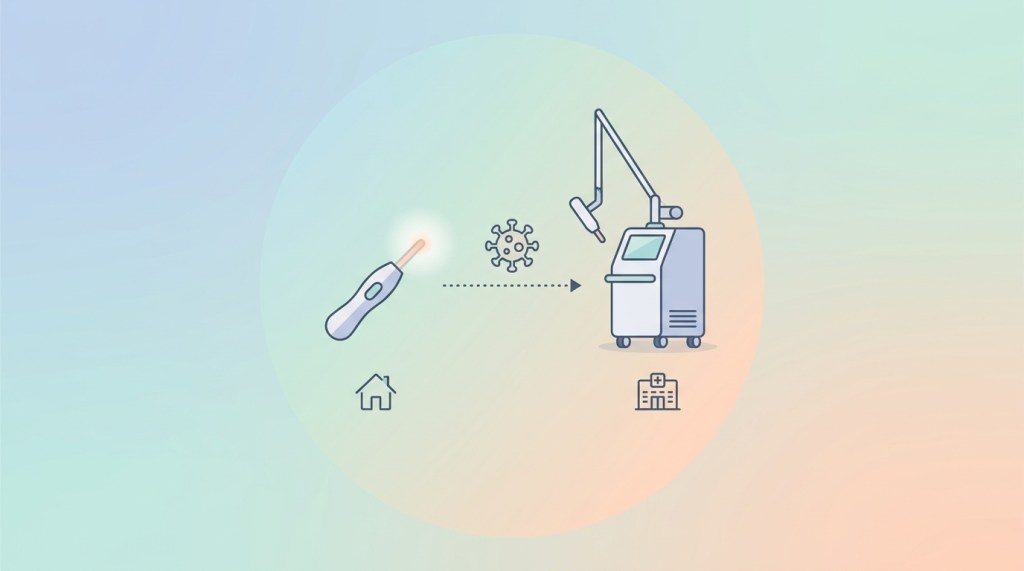
When battling stubborn toenail fungus, the choice between a home laser device vs in office laser for fungus comes down to the severity of your infection, your budget, and your preference for professional oversight versus DIY convenience. For established or severe cases, in-office laser treatments generally offer a more powerful and effective solution under expert guidance. However, for very mild infections or as a maintenance therapy, a home laser device can be a convenient and more affordable option.
What is In-Office Laser Treatment for Fungus?
In-office laser treatment for toenail fungus, also known as onychomycosis, involves the use of medical-grade laser technology by a trained podiatrist or medical professional. These lasers typically use specific wavelengths (often Nd:YAG or diode lasers) and higher power settings designed to penetrate the nail plate and target the fungal organisms beneath without damaging the surrounding skin or nail matrix. The laser energy heats and disrupts the fungal cells, effectively killing them. Multiple sessions are usually required, spaced several weeks apart, as the nail grows out.
What is a Home Laser Device for Fungus?
Home laser devices for toenail fungus are consumer-grade products designed for self-application. These devices typically use lower-level laser therapy (LLLT) or a combination of laser light and blue light. They are engineered to be safe for home use without professional supervision, meaning their power output is significantly lower than clinical machines. The goal is similar – to disrupt fungal growth – but the mechanism and intensity differ. Home devices require consistent, long-term application over many months, often daily or several times a week, to potentially see results.
Shop Jaws Podiatry on Amazon
Podiatrist-formulated foot-care products for fungus, calluses, and cracked heels.
Visit the Jaws Podiatry Store →As an Amazon Associate we earn from qualifying purchases.
Head-to-Head Comparison
| Feature | In-Office Laser Treatment | Home Laser Device |
|---|---|---|
| Cost | Significantly higher upfront cost per session. Often requires multiple sessions, leading to a substantial total investment. Not typically covered by insurance. | Lower one-time purchase cost. Represents a more budget-friendly option for initial acquisition, but may incur costs for replacement parts or batteries over time. |
| Effectiveness | Generally considered more effective due to higher power and precise application by a professional. Higher success rates reported for moderate to severe infections. Results can be more consistent. | Variable effectiveness. May be suitable for very mild, early-stage infections or as a complementary treatment. Less potent than clinical lasers, requiring diligent and prolonged use to see any potential improvement. |
| Ease of Use | Passive for the patient. Treatment is administered by a trained professional, ensuring correct technique and targeting. Requires scheduled appointments. | Requires self-application, which demands consistency and adherence to instructions. Can be time-consuming to apply daily or several times a week over many months. |
| Who It’s Best For | Individuals with moderate to severe or stubborn infections, those seeking faster or more definitive results, and patients who prefer professional guidance and monitoring. Essential for those with underlying health conditions like diabetes, neuropathy, or poor circulation, who require medical oversight for any foot care. | Individuals with very mild, early-stage fungus, those on a limited budget, or as a maintenance tool after successful professional treatment. Suitable for patients willing to commit to a long-term, consistent self-treatment regimen. |
| Downsides | High cost, time commitment for multiple appointments, potential for mild discomfort or warmth during treatment, and results still depend on new nail growth. | Lower power and variable efficacy, meaning it may not be strong enough for established infections. Requires significant patient compliance and patience. Risk of user error if instructions aren’t followed precisely. |
When to Choose In-Office Laser Treatment
Choosing an in-office laser treatment is often the preferred route for individuals dealing with more advanced or persistent toenail fungus. If your infection covers a significant portion of the nail, affects multiple nails, or has been present for a long time, the higher power and precision of medical-grade lasers administered by a podiatrist can offer a more robust solution. Professional oversight ensures the correct technique is used, maximizing the chances of success and minimizing potential side effects. A podiatrist can also accurately diagnose the type of fungus, rule out other conditions, and integrate the laser treatment into a comprehensive foot care plan, which might include debridement of the affected nail.
For individuals with underlying health conditions such as diabetes, neuropathy, or poor circulation, consulting a podiatrist before attempting any DIY foot care or using home devices is crucial. These conditions can compromise foot health and healing, making professional evaluation and treatment paramount to prevent complications. In such cases, an in-office laser treatment provides the safest and most effective path forward under medical supervision.
Alongside professional treatment, maintaining excellent foot hygiene is key. Regularly trimming nails and keeping feet clean and dry can support the healing process. Consider using a quality stainless steel nail clipper to keep your nails at a healthy length, which can also help topical treatments penetrate better.
When to Choose a Home Laser Device
A home laser device can be a suitable choice for those with very mild, early-stage toenail fungus where only a small part of one or two nails is affected. It’s also an attractive option for individuals who prioritize convenience and a lower upfront cost, and who are disciplined enough to commit to a consistent, long-term treatment regimen. These devices can also be used as a complementary therapy alongside other topical treatments or as a maintenance tool to prevent recurrence after successful professional treatment.
While home devices offer convenience, it’s important to manage expectations regarding their efficacy compared to professional treatments. They are generally less powerful and require significantly more patience and dedication. If you opt for a home device, ensure you follow the manufacturer’s instructions meticulously. For early signs of nail fungus, incorporating a high-quality topical treatment can also be beneficial. Products like Jaws Podiatry’s undecylenic-acid + tea-tree-oil nail enhancer can provide additional support, especially when the infection is still mild.
Key Takeaways
- The severity of your toenail fungus is the primary factor in deciding between home and in-office laser treatments.
- In-office laser treatments offer higher power, professional application, and generally better efficacy for established infections.
- Home laser devices provide convenience and a lower upfront cost, suitable for very mild cases or as a complementary/maintenance therapy.
- Individuals with diabetes, neuropathy, or poor circulation should always consult a podiatrist before starting any foot care treatment, including home laser devices.
- Consistent application is crucial for any laser treatment, but especially for home devices where results are often slower and more subtle.
Related Guides
Related Guides
Frequently Asked Questions
Are home laser devices truly effective for toenail fungus?
The effectiveness of home laser devices for toenail fungus varies significantly. For very mild, early-stage infections, some users report positive results with consistent and prolonged use. However, they are generally less powerful than in-office medical-grade lasers and may not be sufficient for moderate to severe cases. It’s important to have realistic expectations and understand that results, if any, will take many months to become apparent as the healthy nail grows out.
How many in-office laser treatments are typically needed?
The number of in-office laser treatments required can vary depending on the severity of the infection, how long you’ve had it, and your individual response to the therapy. Most podiatrists recommend a series of 3 to 4 sessions, spaced about 4 to 6 weeks apart. Some patients may require more, while others with very mild cases might see improvement with fewer. Your podiatrist will assess your condition and provide a personalized treatment plan.
Can I combine home laser treatment with other remedies?
Yes, combining home laser treatment with other remedies can often enhance results, especially for mild to moderate cases. Many people use home laser devices alongside topical antifungal medications, such as those containing undecylenic acid or tea tree oil. It’s also vital to practice good foot hygiene, including keeping feet dry, wearing breathable shoes and socks, and regularly trimming nails. Always discuss any combination therapy with a healthcare professional, especially if you are using prescription medications.
Is laser treatment for toenail fungus painful?
Laser treatment for toenail fungus, whether in-office or home-based, is generally well-tolerated and not considered painful. Patients often describe a sensation of warmth or a mild pinprick feeling during in-office treatments, but it’s usually not severe enough to require anesthesia. Home devices, with their lower power, typically produce even less sensation. If you experience significant discomfort, you should stop treatment and consult a podiatrist.
How long does it take to see results from laser treatment?
Regardless of whether you choose a home laser device or in-office treatment, seeing full results takes time because the infected nail must grow out and be replaced by healthy, clear nail. This process can take anywhere from 6 to 18 months, depending on the individual’s nail growth rate and the severity of the initial infection. You might observe initial signs of improvement, such as clearer growth at the nail base, within a few months, but complete resolution requires patience.
Is laser treatment safe for everyone, especially those with diabetes?
Laser treatment for toenail fungus is generally considered safe. However, individuals with certain underlying health conditions, such as diabetes, neuropathy, or poor circulation, should exercise caution and absolutely consult a podiatrist before pursuing any laser treatment, whether in-office or at home. These conditions can affect foot sensation, healing capabilities, and increase the risk of complications if the treatment is not administered correctly or if there are underlying issues that need professional management. A podiatrist can assess your specific health profile and determine the safest and most effective course of action.
 HealthyStridesHQ
Leave a comment