Shop Jaws Podiatry on Amazon
Podiatrist-formulated foot-care products for fungus, calluses, and cracked heels.
Visit the Jaws Podiatry Store →As an Amazon Associate we earn from qualifying purchases.
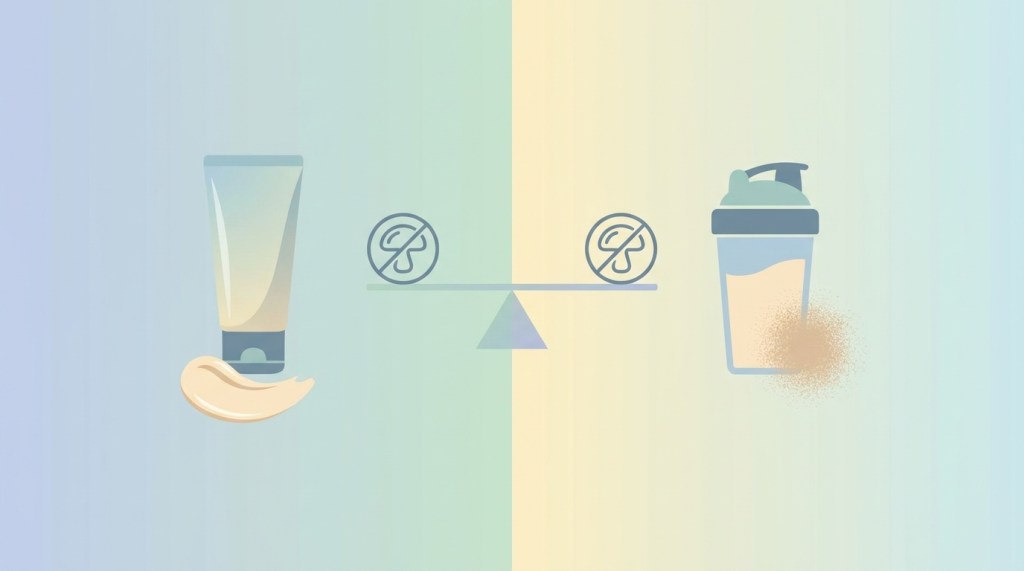
When battling common fungal foot infections like Athlete’s Foot or aiming to prevent their recurrence, the choice between antifungal cream and antifungal powder can significantly impact your results. Generally, antifungal cream is often the preferred choice for treating active, localized infections due to its ability to penetrate the skin and deliver concentrated medication directly to the affected area. In contrast, antifungal powder excels in prevention, moisture absorption, and maintaining a dry environment, making it ideal for daily use, especially for those prone to sweaty feet or as a follow-up to cream treatment.
What is Antifungal Cream?
Antifungal cream is a topical medication formulated with active antifungal agents designed to treat a variety of fungal skin infections, including Athlete’s Foot (tinea pedis), jock itch (tinea cruris), and ringworm (tinea corporis). These creams typically contain ingredients such as miconazole, clotrimazole, terbinafine, or tolnaftate, which work by either killing the fungus (fungicidal) or inhibiting its growth (fungistatic). The cream base allows for direct application to the skin, facilitating absorption of the active ingredient into the affected layers. This targeted delivery makes creams highly effective for visible, symptomatic infections characterized by redness, itching, scaling, or blistering.
What is Antifungal Powder?
Antifungal powder is another topical treatment containing antifungal agents, but in a dry, finely milled form. Common active ingredients mirror those found in creams, such as miconazole, clotrimazole, and tolnaftate, though some powders might also include cornstarch or talc to enhance moisture absorption. The primary function of antifungal powder extends beyond just killing fungus; it’s particularly effective at absorbing moisture and creating an environment unfavorable for fungal growth. Fungi thrive in warm, damp conditions, so by keeping the skin dry, powders help prevent new infections and reduce the risk of existing ones spreading or recurring. They are often applied to the feet, between the toes, and inside shoes and socks.
Head-to-Head Comparison
| Feature | Antifungal Cream | Antifungal Powder |
|---|---|---|
| Cost | Generally affordable, with generic options widely available at competitive prices. The cost can vary slightly depending on the brand and active ingredient. | Often comparable to creams in price, especially for generic brands. Larger containers may offer better value for frequent or widespread use. |
| Effectiveness | Highly effective for treating active fungal infections due to direct skin contact and better absorption of the active ingredient. Provides concentrated treatment to localized areas. Often considered more potent for resolving symptomatic infections. | Excellent for preventing fungal infections, managing moisture, and reducing odor. Can be effective for very mild, superficial infections or as a maintenance treatment after a cream. Less effective for deep-seated or severely inflamed infections. |
| Ease of Use | Requires careful application and rubbing into the skin. Can feel greasy or sticky, potentially staining clothing if not fully absorbed. Best for targeted application on specific affected areas. | Easy to apply to larger areas, including feet, between toes, and directly into shoes and socks. Less messy in terms of feel, but can create a fine dust during application. Dries quickly and leaves a smooth finish. |
| Who It’s Best For | Individuals with active, symptomatic fungal infections such as Athlete’s Foot (especially between toes or on soles), jock itch, or ringworm. Ideal for localized areas requiring intensive treatment and direct medication delivery. | Individuals prone to sweaty feet, those seeking to prevent recurrence of fungal infections, or for maintaining foot hygiene. Excellent for athletes, people who wear closed-toe shoes frequently, or as a complement to cream treatment. |
| Downsides | Can be messy, feel greasy, or leave residue. May not be ideal for large surface areas or inside shoes. Some people may experience mild irritation or allergic reactions to certain ingredients. | Less effective for treating existing, severe infections due to lower skin penetration. Can be dusty during application. May not provide sufficient relief for intense itching or inflammation without concurrent cream use. |
Shop Jaws Podiatry on Amazon
Podiatrist-formulated foot-care products for fungus, calluses, and cracked heels.
Visit the Jaws Podiatry Store →As an Amazon Associate we earn from qualifying purchases.
When to Choose Antifungal Cream
Antifungal cream is your primary weapon when you have a visible, active fungal infection that requires direct, potent treatment. This includes common conditions like Athlete’s Foot, especially when it manifests with symptoms such as:
- Redness and inflammation
- Intense itching or burning sensation
- Cracking, peeling, or flaking skin
- Small blisters or sores
- Infections localized to specific areas, such as between the toes or on the soles of the feet.
The cream base allows the active antifungal ingredients (like miconazole or terbinafine) to penetrate the skin layers where the fungus resides, delivering concentrated medication for effective eradication. It provides a barrier that helps protect the skin while it heals. For example, if you’re dealing with a flare-up of Athlete’s Foot that is causing discomfort and visible skin changes, an antifungal cream is generally the most recommended initial treatment. Apply it directly to the affected area, ensuring you follow the product instructions regarding frequency and duration of use. Consistency is key for successful treatment.
For treating an active fungal infection on the skin, a well-formulated antifungal cream can provide targeted relief and promote healing. Look for creams with proven active ingredients. Explore highly-rated antifungal creams for Athlete’s Foot on Amazon.
When to Choose Antifungal Powder
Antifungal powder truly shines in its role for prevention, moisture management, and as a maintenance treatment. It’s an excellent choice for individuals who are prone to fungal infections or those who want to prevent recurrence after successfully treating an infection with cream. Consider antifungal powder if you:
- Experience excessively sweaty feet (hyperhidrosis).
- Spend long hours in closed-toe shoes or boots.
- Are an athlete or engage in activities that cause profuse sweating.
- Want to maintain a dry, inhospitable environment for fungi in your shoes and socks.
- Are looking for a daily preventative measure against Athlete’s Foot.
- Have very mild, superficial fungal issues that are not severely inflamed.
The powder’s ability to absorb moisture is crucial because fungi thrive in damp conditions. By keeping your feet and shoes dry, you effectively remove one of the key elements necessary for fungal growth. Applying powder to your feet, between your toes, and directly into your footwear before starting your day can significantly reduce the risk of developing Athlete’s Foot or prevent its return. It also helps with odor control, as fungal and bacterial growth often contribute to foot odor.
For daily prevention and moisture control, an effective antifungal powder can be a game-changer. It helps keep your feet dry and fresh, creating an environment where fungus struggles to grow. Find top-rated antifungal powders for foot hygiene and prevention on Amazon.
Safety Note: If you have diabetes, neuropathy, or poor circulation, it is crucial to consult a podiatrist before attempting any DIY foot care, including the use of over-the-counter antifungal products. These conditions can compromise foot health and make you more susceptible to complications from infections or improper treatment.
Key Takeaways
- Antifungal cream vs antifungal powder: Cream is generally superior for treating active, symptomatic fungal infections due to better skin penetration and targeted delivery of medication.
- Powder is ideal for preventing fungal infections, managing foot perspiration, and maintaining a dry environment, especially for those prone to sweaty feet.
- For best results with an active infection, start with a cream to clear it up, then use powder daily for prevention and maintenance.
- Both cream and powder typically contain similar active antifungal ingredients, but their formulations dictate their primary use cases.
- Always ensure your feet are clean and thoroughly dry before applying either product for maximum effectiveness.
Related Guides
Related Guides
Frequently Asked Questions
Can I use both antifungal cream and antifungal powder simultaneously?
Yes, in many cases, using both an antifungal cream and an antifungal powder can be a highly effective strategy, especially for persistent or recurrent infections. You might start by applying the cream directly to the infected areas to treat the active fungus. Once the cream has absorbed, or at a different time of day, you can apply antifungal powder to your entire foot, between the toes, and inside your shoes and socks. This dual approach tackles the active infection with the cream while the powder works to absorb moisture and create an unfavorable environment for fungal growth, helping to prevent recurrence and spread. Always allow the cream to fully absorb before applying powder over it.
How long does it typically take for antifungal products to work?
The time it takes for antifungal products to work varies depending on the severity of the infection, the type of fungus, and the consistency of treatment. For most common skin fungal infections like Athlete’s Foot, you might start to see improvement in symptoms within a few days to a week. However, it’s crucial to continue treatment for the full recommended duration, which is typically 2-4 weeks, even if symptoms disappear sooner. Stopping treatment too early can lead to a recurrence of the infection. Always follow the specific instructions on the product packaging or your podiatrist’s advice. If there’s no improvement after the recommended treatment period, or if the condition worsens, consult a healthcare professional.
What are the most common active ingredients in antifungal creams and powders?
The most common active ingredients found in over-the-counter antifungal creams and powders include:
- Miconazole: An azole antifungal that works by stopping the growth of fungus.
- Clotrimazole: Another azole antifungal with a similar mechanism of action to miconazole.
- Terbinafine: An allylamine antifungal that works by killing the fungus.
- Tolnaftate: Primarily works by preventing the growth of fungus.
- Undecylenic Acid: A fatty acid with antifungal properties, often used in liquid or powder forms.
The choice of ingredient can sometimes depend on the specific type of fungus, but these are broad-spectrum options effective against many common skin fungi.
Can antifungal cream or powder be used for nail fungus?
While some people try to use antifungal creams or powders for nail fungus (onychomycosis), these products are generally not effective for treating established infections within the nail plate. The nail is very thick and hard, preventing the active ingredients from penetrating deeply enough to reach the fungus living beneath and within the nail. For early or very mild cases of nail fungus, specialized topical treatments formulated for nails, often containing ingredients like undecylenic acid, can be more effective. For more significant nail fungus, prescription-strength topical medications or oral antifungal medications prescribed by a podiatrist or doctor are usually necessary.
For early signs of nail fungus, products specifically designed to penetrate the nail can be beneficial. Consider a targeted solution like Jaws Podiatry’s undecylenic-acid + tea-tree-oil nail enhancer, which is formulated to support nail health and address early fungal issues. Learn more about Jaws Podiatry’s Nail Enhancer.
Are there any potential side effects or precautions to consider?
Most over-the-counter antifungal creams and powders are well-tolerated. However, some individuals may experience mild side effects, including:
- Skin irritation, redness, or itching at the application site.
- A stinging or burning sensation.
- Dryness or peeling of the skin.
Allergic reactions, though rare, can occur and may present as a rash, hives, or swelling. If you experience severe irritation or signs of an allergic reaction, discontinue use and consult a doctor. Always apply products to clean, dry skin. Avoid contact with eyes, mouth, and other mucous membranes. If you have any underlying health conditions, especially diabetes, neuropathy, or poor circulation, it’s always best to consult a podiatrist or healthcare provider before starting any new foot care treatment to ensure it’s safe and appropriate for your specific needs.


Leave a Reply