Shop Jaws Podiatry on Amazon
Podiatrist-formulated foot-care products for fungus, calluses, and cracked heels.
Visit the Jaws Podiatry Store →As an Amazon Associate we earn from qualifying purchases.
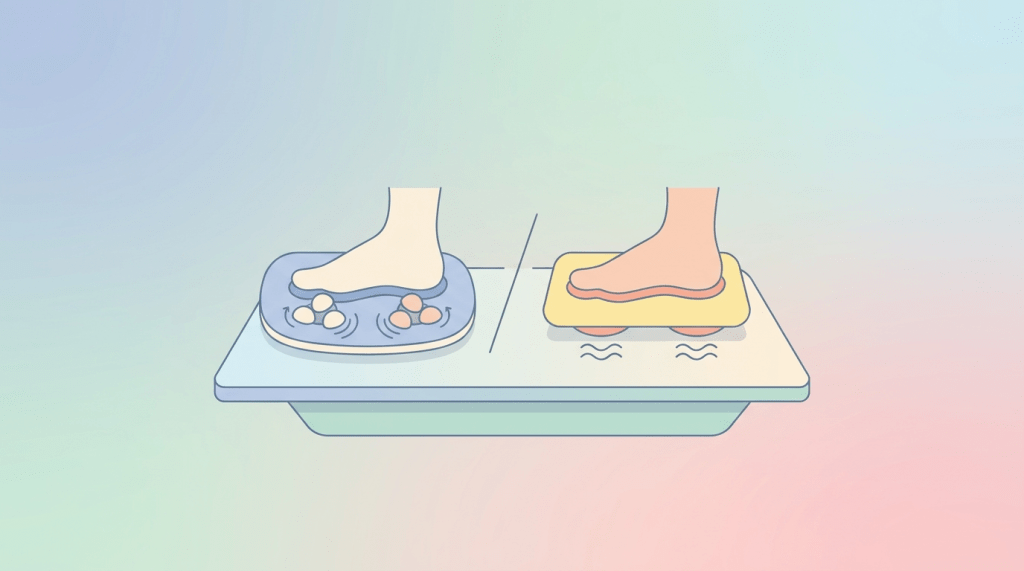
Choosing between a shiatsu vs vibrating foot massager comes down to your personal preference for massage style and the specific relief you’re seeking. A shiatsu foot massager typically offers deep, kneading pressure to target muscle knots and tension, while a vibrating foot massager focuses on stimulating circulation and providing gentle, soothing relief.
What is a Shiatsu Foot Massager?
A shiatsu foot massager is designed to mimic the finger and palm pressure of a traditional shiatsu massage. These devices often feature rotating nodes, rollers, or air compression to apply deep, targeted pressure to the soles, arches, and sometimes the top of the feet. The goal is to relieve deep muscle tension, improve flexibility, and provide a therapeutic experience similar to what you might receive from a massage therapist. Many models also include heat functions to further relax muscles and enhance the massage.
What is a Vibrating Foot Massager?
A vibrating foot massager utilizes oscillating or pulsating motions to create vibrations that penetrate the foot tissues. Unlike shiatsu, which focuses on deep pressure, vibrating massagers primarily stimulate nerve endings, enhance blood circulation, and provide a general sense of relaxation and relief from mild soreness. Some models may combine vibration with other features like heat, water jets, or even infra-red light to offer a more comprehensive experience.
Shop Jaws Podiatry on Amazon
Podiatrist-formulated foot-care products for fungus, calluses, and cracked heels.
Visit the Jaws Podiatry Store →As an Amazon Associate we earn from qualifying purchases.
Head-to-Head Comparison
| Feature | Shiatsu Foot Massager | Vibrating Foot Massager |
|---|---|---|
| Massage Style & Sensation | Mimics deep kneading, rolling, and sometimes air compression. Targets specific pressure points and muscle groups. Can feel intense. | Uses oscillating vibrations. Provides a buzzing, tingling sensation. Focuses on broad stimulation and relaxation. |
| Effectiveness for Specific Issues | Excellent for deep muscle tension, plantar fasciitis discomfort, arch pain, and general muscle soreness. Helps break up knots. | Primarily for improving circulation, reducing swelling, relieving restless legs, and general relaxation from mild fatigue. Less effective for deep knots. |
| Comfort & Intensity | Intensity can be adjusted on most models, but the deep kneading can be too intense for some, especially those with sensitive feet or acute injuries. | Generally gentler and more universally comfortable. Intensity levels usually control vibration speed. Well-suited for sensitive feet. |
| Ease of Use | Typically plug-and-play with various settings for intensity, direction, and heat. Can be heavier and bulkier. | Often simpler controls, sometimes just an on/off and intensity dial. Can be more compact and portable. |
| Cost | Prices vary widely, but models with advanced features (multiple nodes, heat, air compression) can be on the higher end. | Generally more affordable than shiatsu models, though high-end vibrating massagers with extra features can also be pricier. |
| Who it’s Best For | Individuals with chronic foot pain, plantar fasciitis, tight calf muscles, athletes, or anyone seeking a deep, therapeutic massage. | People with poor circulation, restless legs, mild foot fatigue, those who prefer a gentler massage, or individuals with sensory sensitivities. |
| Potential Downsides | Can be too aggressive for some. Not ideal for acute inflammation or certain medical conditions without consulting a doctor. Can be noisier than vibrating models. | May not provide sufficient relief for deep muscle knots or severe pain. Some find the constant vibration less satisfying than kneading. |
When to Choose a Shiatsu Foot Massager
A shiatsu foot massager is an excellent choice if you frequently experience deep-seated foot pain, muscle stiffness, or the discomfort associated with conditions like plantar fasciitis. Its powerful kneading action can help to release tension in the plantar fascia, stimulate reflexology points, and provide significant relief after a long day on your feet or an intense workout.
If you’re looking for a massage that truly feels like a pair of hands working out the kinks, the shiatsu option is likely for you. Many models also include a heat function, which can further enhance muscle relaxation and improve blood flow, making the deep massage even more effective. Consider a well-regarded shiatsu foot massager with heat and adjustable intensity for a truly therapeutic experience. Find a highly-rated shiatsu foot massager on Amazon.
It’s worth noting that if your foot pain leads to issues like persistent calluses or cracked heels, which often result from altered gait or pressure points, addressing those concerns alongside massage can be beneficial. For tough calluses, consider a specialized product like Jaws Podiatry’s 40% Urea Callus Cream + Stainless Steel File Kit. Explore Jaws Podiatry’s Callus Cream Kit.
When to Choose a Vibrating Foot Massager
A vibrating foot massager shines when your primary goal is to improve circulation, reduce swelling, or soothe general foot fatigue with a gentle touch. If you suffer from conditions like restless legs syndrome, mild neuropathy (always consult a podiatrist first if you have neuropathy), or simply want a relaxing sensation without deep pressure, a vibrating massager can be ideal. The gentle vibrations can help stimulate blood flow, which is crucial for overall foot health, especially for those who spend long periods standing or sitting.
This type of massager is also a good option if you have sensitive feet or find deep-kneading massages too intense. They often offer a more subtle, yet effective, way to unwind and provide comfort. For a refreshing and circulatory boost, especially after a long day, a vibrating foot massager can be a delightful addition to your routine. Browse vibrating foot massagers on Amazon.
Key Takeaways
- Shiatsu foot massagers excel at providing deep, kneading pressure for muscle tension, plantar fasciitis discomfort, and targeted relief.
- Vibrating foot massagers are best for stimulating circulation, reducing swelling, alleviating restless legs, and offering general, gentle relaxation.
- Consider your pain type and desired intensity: deep pressure for shiatsu, gentle stimulation for vibrating.
- Both types often include heat functions, which can enhance the therapeutic benefits by relaxing muscles and improving blood flow.
- Individuals with diabetes, neuropathy, or poor circulation should always consult a podiatrist before using any type of foot massager to ensure it’s safe and appropriate for their specific condition.
Related Guides
Frequently Asked Questions
Can I use both a shiatsu and a vibrating foot massager?
Yes, you can certainly use both types of massagers, depending on your needs at different times. You might opt for a shiatsu massager when you need deep relief for muscle knots or specific pain, and then switch to a vibrating massager for general relaxation or to improve circulation on other days. Some advanced models even combine both shiatsu and vibration functions, offering the best of both worlds in a single device.
Are foot massagers good for plantar fasciitis?
For plantar fasciitis, a shiatsu foot massager is often more recommended due to its ability to apply deep, targeted pressure to the plantar fascia ligament and surrounding muscles. This can help stretch the fascia, break down adhesions, and relieve tension, which are key aspects of managing plantar fasciitis discomfort. While a vibrating massager can offer some general relief and improve circulation, it typically doesn’t provide the deep tissue work needed for this condition. Always consult a podiatrist for a comprehensive treatment plan for plantar fasciitis.
How long should I use a foot massager?
Most manufacturers recommend using a foot massager for sessions of 15-30 minutes, one to two times a day. It’s generally not advisable to use a massager for extended periods, as this could potentially lead to overstimulation or discomfort. Always refer to the specific instructions provided with your device. If you experience any pain or unusual sensations, discontinue use and consult a healthcare professional.
Can foot massagers help with circulation?
Yes, both shiatsu and vibrating foot massagers can contribute to improved circulation, though through slightly different mechanisms. Vibrating massagers directly stimulate blood flow through their oscillating motions, making them particularly effective for those looking to boost circulation. Shiatsu massagers improve circulation indirectly by relaxing tight muscles and releasing tension, which can otherwise impede blood flow. Enhanced circulation can help reduce swelling, deliver nutrients, and remove waste products from the feet.
Are there any risks to using foot massagers?
While generally safe for most people, there are some considerations. Individuals with certain medical conditions, such as deep vein thrombosis, severe varicose veins, open wounds, skin infections, or acute inflammation, should avoid using foot massagers. It is crucial for anyone with diabetes, neuropathy, or poor circulation to consult their podiatrist or physician before using any foot massager. These conditions can make feet more vulnerable to injury or exacerbate existing issues, and professional guidance is essential to ensure safe use. Always start with the lowest intensity setting and gradually increase if comfortable.


Leave a Reply