Shop Jaws Podiatry on Amazon
Podiatrist-formulated foot-care products for fungus, calluses, and cracked heels.
Visit the Jaws Podiatry Store →As an Amazon Associate we earn from qualifying purchases.
Choosing between an electric foot file vs callus shaver can significantly impact your at-home foot care routine. For most individuals seeking gentle, controlled, and regular callus maintenance, an electric foot file is the safer and more convenient choice. However, for those with extremely thick, stubborn calluses who possess a steady hand and understand the risks, a traditional callus shaver can offer faster, more aggressive removal. Understanding the distinct benefits and drawbacks of each tool is key to making the best decision for your foot health.
What is an Electric Foot File?
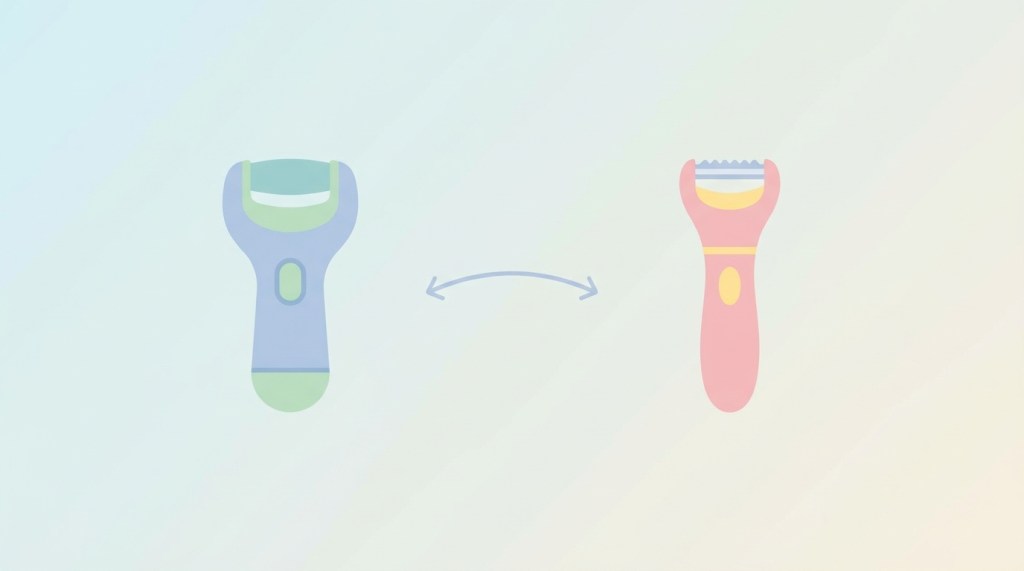
An electric foot file, also known as an electric callus remover or a pedi-vac, is a handheld device designed to buff away hardened skin and calluses using a rotating abrasive roller. These devices typically feature different levels of coarseness, from fine to extra-coarse, allowing users to customize the exfoliation intensity. Powered by batteries (rechargeable or disposable), electric foot files offer a controlled and less aggressive method of skin removal compared to blades. Many models are also waterproof, making them suitable for use on wet or dry feet, and some even include built-in vacuum systems to collect skin dust, enhancing cleanliness.
What is a Callus Shaver?
A callus shaver, often resembling a small razor, is a manual tool equipped with a sharp blade designed to literally shave off layers of hardened, dead skin from calluses. These devices are highly effective at quickly removing very thick and stubborn calluses due to their sharp cutting action. Callus shavers require a steady hand and a degree of skill to use safely, as improper application can easily lead to nicks, cuts, and potential injury. They are generally recommended for experienced users or for severe cases where other methods have proven insufficient, and always with extreme caution.
Head-to-Head Comparison
| Feature | Electric Foot File | Callus Shaver |
|---|---|---|
| Cost | The initial investment for an electric foot file can be higher, ranging from moderately priced to premium models. However, ongoing costs are typically limited to replacement roller heads, which are usually affordable and last for several uses. The convenience and long-term durability often justify the upfront expense. | Callus shavers themselves are often inexpensive to purchase. The primary ongoing cost comes from replacement blades, which are crucial for maintaining hygiene and effectiveness. While individual blades are cheap, frequent replacement for optimal safety and performance can add up over time. |
| Effectiveness | Highly effective for moderate calluses, rough patches, and for maintaining smooth feet. It removes dead skin gradually and gently, preventing over-exfoliation if used correctly. While it may take a few sessions for very thick calluses, it delivers consistent, visible improvement over time. | Extremely effective for rapidly removing very thick, hard, and stubborn calluses. The sharp blade allows for quick and significant reduction of hardened skin in a single session. It offers immediate and dramatic results for severe cases where other methods might struggle. |
| Ease of Use | Generally considered very user-friendly. Simply turn it on and gently glide the rotating head over the affected areas. The risk of injury is relatively low, making it suitable for beginners and those less confident with manual tools. Many models are ergonomically designed for comfortable handling. | Requires a very steady hand, good eyesight, and careful technique. It’s easy to accidentally cut or nick the skin if not used precisely, especially in contoured areas. Due to the inherent risk, it’s not recommended for novice users or anyone with impaired sensation or dexterity. |
| Who It’s Best For | Ideal for individuals with mild to moderate calluses, rough heels, or those looking for regular maintenance to keep their feet smooth. It’s a great option for people who prioritize safety, convenience, and a gentle approach to foot care. Also suitable for sensitive skin types. | Best suited for individuals with severely thick, deeply entrenched calluses that are resistant to gentler methods. It’s for experienced users who are confident in their ability to use sharp tools safely and understand the potential risks involved. Not recommended for general maintenance. |
| Downsides | Can be slower for very thick calluses, requiring multiple passes or sessions. Battery life can be a consideration for cordless models. Some users might find the motor noise or vibration slightly uncomfortable. Overuse can still lead to skin irritation or sensitivity. | The most significant downside is the high risk of injury, including cuts, nicks, and potential infection if not used hygienically. It can easily remove too much skin, leading to pain, tenderness, and potentially worsening the callus problem as the body tries to protect the area. Not suitable for regular use. |
Important Safety Note: If you have diabetes, neuropathy (nerve damage), poor circulation, or any other underlying medical condition affecting your feet, you should consult a podiatrist before using any sharp or abrasive foot care tools, including electric foot files and callus shavers. Improper use can lead to serious complications, including infections and ulcers.
Shop Jaws Podiatry on Amazon
Podiatrist-formulated foot-care products for fungus, calluses, and cracked heels.
Visit the Jaws Podiatry Store →As an Amazon Associate we earn from qualifying purchases.
When to Choose an Electric Foot File
An electric foot file is your go-to solution for maintaining smooth, healthy feet with minimal risk. It excels at tackling mild to moderate calluses, dry patches, and general rough skin on the heels and balls of your feet. If you’re looking for a consistent, gentle way to prevent calluses from becoming severe, or if you simply want to keep your feet feeling soft and comfortable, an electric file is ideal. Its controlled rotational action makes it user-friendly, reducing the chance of accidental injury compared to sharper tools. Many models are also versatile, offering different abrasive heads for varying levels of roughness. For a reliable and safe option to integrate into your regular foot care routine, consider exploring various electric callus removers available. Find a highly-rated electric foot file here.
When to Choose a Callus Shaver
A callus shaver should be reserved for specific scenarios where other, gentler methods have failed to address extremely thick, hardened calluses. If you have years of built-up, dense skin that feels like a protective plate on your foot, a shaver can provide quick and dramatic reduction. However, this effectiveness comes with significant caveats. You must have a very steady hand, excellent vision, and a thorough understanding of proper technique to avoid injury. It’s crucial to use a fresh, sterile blade each time and to shave only dead, hardened skin, never live tissue. For severe cases, a professional podiatrist might use a similar tool, but for home use, it’s a high-risk approach. If you are confident and experienced, and dealing with particularly stubborn calluses, a manual callus shaver might be considered. Explore manual callus shavers here.
After using either an electric foot file or a callus shaver, it’s vital to follow up with a hydrating treatment to maintain skin softness and prevent calluses from returning quickly. Products like a high-quality urea cream can significantly enhance results by deeply moisturizing and gently exfoliating. We often recommend the Jaws Podiatry 40% Urea Callus Cream + Stainless-Steel File Kit for its effectiveness in softening rough skin and maintaining smooth heels. The stainless steel file in the kit is a gentler alternative for daily maintenance compared to a shaver. Learn more about the Jaws Podiatry 40% Urea Callus Cream + Stainless-Steel File Kit.
Key Takeaways
- Safety First: Electric foot files are generally safer and carry a lower risk of injury for at-home use compared to callus shavers.
- Effectiveness Varies: Electric files are excellent for maintenance and moderate calluses, while shavers offer rapid removal for very thick, stubborn calluses but with higher risk.
- Skill Level Matters: Electric files are beginner-friendly; callus shavers require a steady hand and experience to use safely.
- Long-Term vs. Immediate Results: Electric files promote gradual improvement and long-term maintenance. Callus shavers provide immediate, dramatic results but can lead to over-shaving if not careful.
- Consult a Professional: Individuals with diabetes, neuropathy, or poor circulation should always seek professional podiatric care for callus removal rather than attempting DIY with sharp tools.
Frequently Asked Questions
Is an electric foot file better than a manual pumice stone?
Yes, in many ways, an electric foot file offers advantages over a traditional pumice stone. While a pumice stone is effective for mild exfoliation, it requires more manual effort and can be less consistent in its abrasive action. Electric foot files provide consistent, rotating abrasion with less physical exertion, making the process faster and often more thorough. They are also typically more hygienic as the roller heads can be easily cleaned or replaced. For deeper exfoliation and ease of use, an electric foot file generally outperforms a manual pumice stone.
How often should I use an electric foot file or callus shaver?
For an electric foot file, weekly or bi-weekly use is generally sufficient for most people to maintain smooth feet and prevent callus buildup. The frequency depends on your individual callus severity and how quickly your skin hardens. For a callus shaver, use should be infrequent and only when absolutely necessary for severe calluses. Due to the high risk of injury and potential for over-removal, a callus shaver should never be part of a regular foot care routine. If you find yourself needing to use a shaver frequently, it’s a strong indicator to consult a podiatrist.
Can using a callus shaver make calluses worse?
Yes, improper or excessive use of a callus shaver can indeed make calluses worse. When too much skin is removed, or if the skin is damaged, your body’s natural defense mechanism can kick in, leading to the rapid regrowth of even thicker and harder calluses as it tries to protect the area. This is known as rebound hyperkeratosis. Additionally, deep cuts or nicks can introduce bacteria, leading to infections, which can further complicate foot health. This is why professional guidance or extreme caution is essential when considering a callus shaver.
What should I do after removing calluses?
After removing calluses with either an electric foot file or a callus shaver, it’s crucial to moisturize your feet thoroughly. Apply a rich, emollient foot cream or a specialized callus cream, ideally one containing ingredients like urea, salicylic acid, or lactic acid, which help to soften and chemically exfoliate the skin gently. These ingredients can prevent calluses from reforming quickly and keep your feet smooth. Regular moisturizing is key to maintaining the results and promoting overall foot health. Wearing comfortable, well-fitting shoes and avoiding prolonged pressure on specific areas can also help prevent future callus formation. We recommend a high-quality urea cream like the Jaws Podiatry 40% Urea Callus Cream to nourish and protect your newly smooth skin. Get your Jaws Podiatry Urea Cream here.
Are there any alternatives to electric foot files and callus shavers?
Yes, several alternatives exist depending on the severity of your calluses. For mild to moderate rough skin, chemical exfoliants like foot peels (often containing alpha hydroxy acids) can gently slough off dead skin over several days. A good quality foot file, such as a stainless steel foot file or a glass foot file, can also be highly effective when used manually, offering more control than an electric file but less aggression than a shaver. Regular use of a rich, hydrating foot cream, especially those with urea or salicylic acid, can also help soften and prevent calluses from forming. In cases of persistent or painful calluses, consulting a podiatrist for professional debridement is always the safest and most effective option.


Leave a Reply