Shop Jaws Podiatry on Amazon
Podiatrist-formulated foot-care products for fungus, calluses, and cracked heels.
Visit the Jaws Podiatry Store →As an Amazon Associate we earn from qualifying purchases.
Choosing between gel toe caps and toe tubes often boils down to the specific protection your toe needs. Gel toe caps excel at providing targeted cushioning and relief for localized issues like corns, blisters, or ingrown nail corners on individual toes. In contrast, toe tubes offer broader, circumferential protection and friction reduction for an entire toe, making them ideal for general discomfort, rubbing between toes, or longer-term wear. This gel toe caps vs toe tubes comparison will help you determine the best option for your unique foot care needs.
What Are Gel Toe Caps?
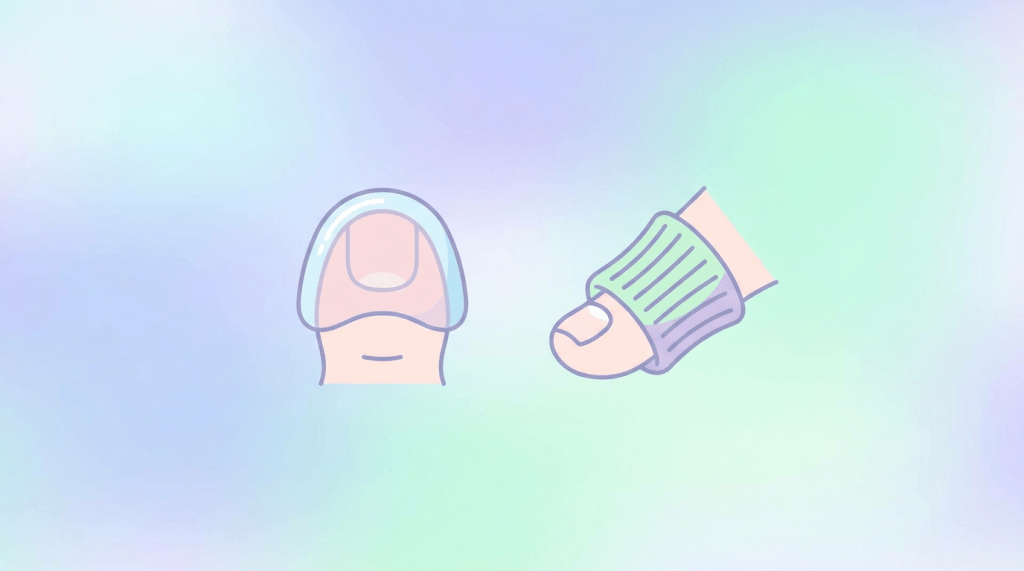
Gel toe caps are small, thimble-like devices designed to fit over the tip or entire length of a single toe. Typically crafted from soft, flexible silicone or a gel material, they act as a protective barrier, absorbing shock and reducing friction directly at the point of contact. They come in various sizes to accommodate different toes and are often used for specific, pinpointed areas of discomfort or injury.
What Are Toe Tubes?
Toe tubes are cylindrical sleeves that slide over an entire toe, providing cushioning and friction reduction along its circumference. These can be made entirely of silicone gel or consist of a fabric sleeve lined with gel. Unlike caps, tubes are often sold in longer lengths that can be cut to custom sizes, allowing for flexible application whether you need protection for the entire toe or just a specific section along its shaft.
Shop Jaws Podiatry on Amazon
Podiatrist-formulated foot-care products for fungus, calluses, and cracked heels.
Visit the Jaws Podiatry Store →As an Amazon Associate we earn from qualifying purchases.
Head-to-Head Comparison
| Feature | Gel Toe Caps | Toe Tubes |
|---|---|---|
| Cost | Generally affordable, often sold in multi-packs. Price per unit can be slightly lower if only covering a small area. | Comparable to toe caps, also often sold in multi-packs or longer lengths to be cut. Value increases with customizability. |
| Effectiveness | Excellent for targeted, pinpoint protection. Absorbs shock directly at the toe tip or a specific joint. Highly effective for corns, hammer toe apex, ingrown nail corners, and blisters. | Superior for overall toe protection, reducing friction along the entire toe shaft and preventing rubbing between adjacent toes. Good for general irritation, small bunionettes on the pinky toe, or post-surgical protection. |
| Ease of Use | Easy to slip on and off. Can feel secure on the toe tip. However, if not sized correctly or worn with very loose footwear, they might roll or slip. | Simple to slide on, and many varieties can be cut to a custom length, offering precise fit. Can sometimes bunch up or feel bulky in tight shoes if not properly fitted or cut. |
| Who It’s Best For | Individuals with specific, localized toe issues such as corns on the tip or joint, blisters, protection for an ingrown toenail corner, or hammer toes needing cushioning at the apex. | Those experiencing general toe friction, rubbing between toes, mild hammertoe discomfort (along the top or sides), or seeking overall cushioning for an entire digit. Also beneficial for protecting healing nail beds or post-surgical toes. |
| Downsides | Can be bulky for smaller toes, may not provide comprehensive friction reduction for the entire toe, and can trap moisture if not breathable, potentially leading to skin maceration. | Can be too bulky for some snug footwear, may not offer the same targeted protection for a very specific spot on the toe tip, and cutting to size requires careful measurement to avoid waste. |
When to Choose Gel Toe Caps
Gel toe caps are your go-to solution when you need precise, localized protection for a specific area on your toe. They are particularly effective for:
- Corns or Calluses: If you have a painful corn or callus on the tip or a specific joint of your toe, a gel toe cap provides a direct cushion against pressure and friction from footwear.
- Blisters: For blisters forming on the top or tip of a toe, a cap can prevent further irritation and aid healing.
- Ingrown Toenail Protection: A cap can protect the corner of an ingrown toenail from rubbing against shoes, reducing pain and discomfort.
- Hammer Toe Apex: If your hammer toe causes discomfort primarily at the apex where it rubs against the shoe, a cap offers focused padding.
- Targeted Rubbing: When a specific seam or part of your shoe consistently rubs against one spot on your toe.
For versatile and targeted protection, consider a multi-pack of assorted gel toe caps to address various toe sizes and specific issues. Find suitable gel toe caps here.
When to Choose Toe Tubes
Toe tubes are best suited for situations requiring broader, more general protection across an entire toe or to prevent rubbing between adjacent toes. Opt for toe tubes if you are experiencing:
- General Toe Friction: If your entire toe experiences irritation from rubbing against footwear or other toes.
- Between-Toe Rubbing: They are excellent for creating a soft barrier between two adjacent toes, preventing friction and calluses.
- Mild Hammertoe Discomfort: When the discomfort isn’t just at the apex but along the top or sides of the toe, a tube can provide comprehensive cushioning.
- Post-Surgical Protection: After certain toe surgeries, a toe tube can offer gentle, all-around protection for the healing digit.
- Healing Nail Beds: To protect a sensitive nail bed, perhaps after nail removal or injury, a tube can shield the area.
For optimal comfort and customizability, look for gel-lined fabric toe tubes that can be cut to your desired length. Explore comfortable toe tubes options.
Key Takeaways
- Targeted vs. General: Gel toe caps provide pinpoint protection for specific spots, while toe tubes offer broader, circumferential cushioning for an entire toe.
- Condition-Specific: Choose caps for localized issues like corns, blisters, or ingrown nail corners. Opt for tubes for general friction, rubbing between toes, or overall toe cushioning.
- Customization: Toe tubes often allow for cutting to custom lengths, offering flexibility in application. Gel caps are typically pre-sized.
- Fit is Crucial: Regardless of your choice, proper sizing is paramount to prevent discomfort, restricted circulation, or product slippage.
- Symptomatic Relief: Both products offer symptomatic relief by reducing friction and pressure; they do not cure underlying conditions.
Related Guides
Related Guides
Frequently Asked Questions
Can I wear gel toe caps or toe tubes all day?
Most gel toe caps and toe tubes are designed for extended wear, but it’s crucial to ensure they fit comfortably without restricting circulation. Always remove them periodically to allow your skin to breathe and check for any signs of irritation. People with diabetes, neuropathy, or poor circulation should consult a podiatrist before using these products for prolonged periods, as improper fit or moisture retention could lead to complications.
How do I clean gel toe caps and toe tubes?
For most silicone or gel products, a simple rinse with warm water and mild soap is sufficient. Allow them to air dry completely before reuse. Fabric-lined tubes may require hand washing and thorough drying. Regular cleaning helps prevent bacterial growth and maintains hygiene, extending the life of your product.
Can these products help with bunions?
While gel toe caps and toe tubes are not designed to correct bunions, they can provide symptomatic relief by cushioning the affected area and reducing friction from footwear. For smaller bunionettes on the pinky toe, a toe tube might offer some relief by creating a barrier against shoe rubbing or adjacent toes. For true bunion correction or significant pain, consult a podiatrist for personalized treatment options, as these devices primarily manage symptoms.
What if they feel too tight or too loose?
Proper sizing is key to both effectiveness and comfort. If a product feels too tight, it can restrict circulation or cause discomfort; if it’s too loose, it may slip off, bunch up, or even cause new irritation. Many products come in various sizes, and toe tubes, in particular, can often be trimmed to size. Experiment with different sizes or styles to find the best fit for your specific toe. Ill-fitting devices can worsen existing problems, so prioritize comfort and a secure fit.
Do these products cure foot conditions?
Gel toe caps and toe tubes primarily offer symptomatic relief by cushioning, protecting, and reducing friction. They do not “cure” underlying conditions like hammertoes, corns, or ingrown toenails. For persistent or worsening foot conditions, it’s always best to consult a pod


Leave a Reply