Shop Jaws Podiatry on Amazon
Podiatrist-formulated foot-care products for fungus, calluses, and cracked heels.
Visit the Jaws Podiatry Store →As an Amazon Associate we earn from qualifying purchases.
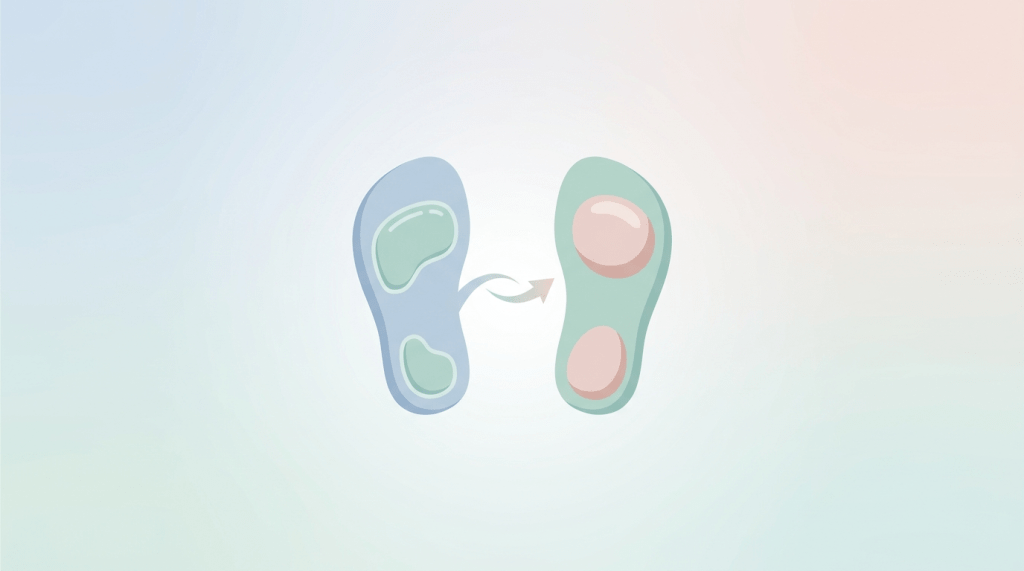
When it comes to relieving forefoot pain and discomfort, shoppers often find themselves weighing their options between metatarsal pads vs ball of foot cushions. While both aim to provide comfort to the front of the foot, they achieve this through distinct mechanisms. Metatarsal pads offer targeted support and lift to specific bones and joints, making them ideal for conditions like metatarsalgia or Morton’s neuroma, where precise pressure redistribution is key. In contrast, ball of foot cushions provide broader, generalized cushioning and shock absorption across the entire forefoot, best suited for overall comfort, combating burning sensations, or mitigating the impact of high heels and prolonged standing.
What Are Metatarsal Pads?
Metatarsal pads are specialized orthotic inserts designed to be placed just behind the heads of the metatarsal bones – the long bones leading to your toes. Their primary function is to lift and separate these bones slightly, redistributing pressure away from the sensitive metatarsal heads and nerves. By elevating the metatarsal arch, they help to offload pressure, reduce friction, and provide space for inflamed tissues or compressed nerves to recover. They come in various materials, including felt, foam, gel, or silicone, and can be self-adhesive, integrated into an insole, or worn as a sleeve.
Conditions commonly addressed by metatarsal pads include:
- Metatarsalgia: General pain and inflammation in the ball of the foot.
- Morton’s Neuroma: A condition where the nerve between the toes (most commonly between the third and fourth toes) becomes thickened and inflamed, causing sharp, burning pain, numbness, or tingling.
- Forefoot Calluses: Hardened skin that forms under the metatarsal heads due to excessive pressure and friction.
- Subluxed Metatarsal Heads: When one or more metatarsal heads drop or shift out of alignment.
What Are Ball of Foot Cushions?
Ball of foot cushions, also known as forefoot cushions or forefoot pads, are designed to provide a layer of soft cushioning and shock absorption to the entire ball of the foot area. Unlike metatarsal pads, they do not specifically lift or separate the metatarsal bones. Instead, they act as a general buffer, reducing impact and providing a softer landing for the forefoot with each step. They are typically made from gel, silicone, or soft foam and are often wider and flatter than metatarsal pads, covering a larger surface area.
Ball of foot cushions are beneficial for:
- General Forefoot Discomfort: Aching or fatigue in the front of the foot from prolonged standing or walking.
- Burning Sensation: Often experienced after long periods in restrictive footwear or high heels.
- Fat Pad Atrophy: The natural thinning of the protective fat pad under the ball of the foot, which can lead to increased pressure and pain.
- High Heel Wear: To reduce the intense pressure placed on the forefoot by elevated heels.
- Athletic Activities: To absorb shock and provide extra comfort during high-impact sports.
Shop Jaws Podiatry on Amazon
Podiatrist-formulated foot-care products for fungus, calluses, and cracked heels.
Visit the Jaws Podiatry Store →As an Amazon Associate we earn from qualifying purchases.
Head-to-Head Comparison
Understanding the core differences between these two common foot-care solutions is crucial for making the right choice. Here’s a detailed comparison:
| Feature | Metatarsal Pads | Ball of Foot Cushions |
|---|---|---|
| Primary Mechanism | Lifts and separates metatarsal heads, redistributing pressure away from specific points. Creates space for nerves/joints. | Provides a soft, protective layer across the entire forefoot, absorbing shock and impact. |
| Targeted vs. General Relief | Highly targeted relief for specific pressure points, nerves, or joints. | General, diffuse cushioning and comfort for the entire forefoot. |
| Common Conditions Addressed | Metatarsalgia, Morton’s Neuroma, forefoot calluses under metatarsal heads, subluxed metatarsal heads. | General forefoot pain, burning sensation, fat pad atrophy, discomfort from high heels, impact from athletic activity. |
| Placement Criticality | Extremely critical. Must be placed just behind the metatarsal heads for effectiveness. Incorrect placement can worsen pain. | Less critical. Generally placed under the entire ball of the foot. Minor shifts usually don’t compromise effectiveness significantly. |
| Impact on Shoe Fit | Can take up some space, but typically less bulky than full cushions. Specific placement can feel odd initially. | Can take up more space across the forefoot, potentially making shoes feel tighter, especially in narrow footwear. |
| Cost | Typically comparable to ball of foot cushions, varying by material and design. Available as standalone pads or integrated into insoles. | Generally affordable, with prices varying based on material, brand, and design. Often sold in multi-packs. |
| Ease of Use | Easy to apply, but requires careful positioning for optimal results. May require trial and error. | Very easy to use; simply place under the forefoot. Less precision required. |
| Downsides | Incorrect placement can cause new pain or exacerbate existing issues. Can feel uncomfortable if not positioned correctly. | Provides less targeted relief for specific nerve or joint issues. Can make shoes feel too snug if they are already tight. |
When to Choose Metatarsal Pads
You should opt for metatarsal pads when your pain is localized and specific, suggesting a need for precise pressure redistribution or arch support in the forefoot. They are particularly effective for:
- Diagnosed Metatarsalgia: If you experience sharp, burning, or aching pain directly under the ball of your foot, especially when walking or standing, metatarsal pads can help lift and separate the metatarsal bones, reducing direct pressure on the inflamed area.
- Morton’s Neuroma: The unique design of metatarsal pads helps to spread the metatarsal bones, creating more space for the irritated nerve and alleviating symptoms like sharp, shooting pain, numbness, or tingling between your toes.
- Chronic Forefoot Calluses: If you frequently develop hard, painful calluses directly under your metatarsal heads, it often indicates excessive pressure on those specific points. Metatarsal pads can help redistribute this pressure, reducing the friction and force that lead to callus formation. For existing calluses, consider using a targeted treatment like Jaws Podiatry’s 40% Urea Callus Cream + Stainless Steel File Kit check the current price on Amazon to soften and remove hardened skin, making the pads more effective.
- Forefoot Pain Requiring Arch Support: Sometimes, forefoot pain is exacerbated by a lack of proper support for the transverse arch. Metatarsal pads can provide this specific arch lift.
When selecting metatarsal pads, look for options made from durable, yet comfortable materials like silicone or high-density foam. Experiment with placement to find the exact spot that provides relief – usually just behind the ball of the foot, not directly under it. You can find a variety of effective metatarsal pads here: Shop Metatarsal Pads on Amazon.
Safety Note: If you have diabetes, neuropathy, or poor circulation, it is crucial to consult a podiatrist before using any new foot care products, including metatarsal pads. Improper use or ill-fitting devices can lead to complications.
When to Choose Ball of Foot Cushions
Ball of foot cushions are your go-to solution when you need general, widespread comfort and shock absorption across the entire forefoot. They are excellent for:
- General Forefoot Aches and Pains: If you experience a dull ache, fatigue, or a burning sensation across the entire ball of your foot, especially after long periods of standing, walking, or wearing unsupportive shoes, a ball of foot cushion can provide immediate relief by adding a layer of soft padding.
- Wearing High Heels: High heels significantly increase the pressure on the forefoot. Ball of foot cushions can dramatically improve comfort by providing extra cushioning and reducing the impact on the metatarsal area, allowing you to wear your favorite shoes for longer without discomfort.
- Fat Pad Atrophy: As we age, the natural protective fat pad under the ball of the foot can thin, leading to increased pressure and pain. Ball of foot cushions can effectively mimic the lost cushioning, providing a softer landing and reducing discomfort.
- Impact Absorption for Athletes: Runners, dancers, and other athletes who experience high-impact forces on their forefeet can benefit from ball of foot cushions to absorb shock and prevent general fatigue or mild discomfort.
- Preventative Comfort: Even if you don’t have a specific medical condition, using ball of foot cushions can prevent discomfort and maintain foot health, especially if you spend a lot of time on your feet.
Look for cushions made from soft gel or silicone for maximum comfort and durability. Ensure they fit well within your shoes without causing excessive crowding. Explore a range of comfortable ball of foot cushions here: Discover Ball of Foot Cushions on Amazon.
Safety Note: While ball of foot cushions offer comfort, persistent or worsening pain warrants a visit to a podiatrist. They can diagnose underlying issues and recommend appropriate long-term solutions.
Key Takeaways
- Targeted vs. General: Metatarsal pads provide targeted relief by lifting specific metatarsal bones, ideal for conditions like metatarsalgia and Morton’s neuroma. Ball of foot cushions offer general cushioning and shock absorption across the entire forefoot, best for overall comfort, burning sensations, or high heel wear.
- Precision is Key: Correct placement is crucial for metatarsal pads to be effective; incorrect positioning can worsen symptoms. Ball of foot cushions are more forgiving in placement.
- Condition-Specific: Choose metatarsal pads for localized, sharp pain or nerve irritation. Opt for ball of foot cushions for diffuse aches, burning, or a need for general impact absorption.
- Shoe Fit: Both can affect shoe fit, but ball of foot cushions tend to take up more space broadly across the forefoot, potentially making shoes feel tighter.
- Consult a Professional: For persistent or severe forefoot pain, especially if you have underlying health conditions like diabetes, always consult a podiatrist for an accurate diagnosis and personalized treatment plan.
Related Guides
Frequently Asked Questions
Can I wear metatarsal pads and ball of foot cushions together?
In most cases, wearing both simultaneously is not recommended. Metatarsal pads are designed to lift and redistribute pressure from specific points, while ball of foot cushions provide general cushioning. Combining them can lead to excessive bulk in the shoe, overcrowd your forefoot, and potentially counteract the intended benefits of each, creating new pressure points or discomfort. If you feel you need both targeted relief and general cushioning, it’s best to consult a podiatrist. They might recommend a custom orthotic that integrates both functions precisely for your foot’s unique needs.
How do I know if I need metatarsal pads or ball of foot cushions?
The type of pain you experience is a strong indicator. If your pain is sharp, localized, feels like a pebble in your shoe, or includes numbness/tingling between your toes, a metatarsal pad is likely more appropriate as these symptoms often point to metatarsalgia or Morton’s neuroma. If your discomfort is a more generalized ache, burning sensation, or overall fatigue across the ball of your foot, particularly after long periods of standing or wearing certain shoes, then a ball of foot cushion for general shock absorption and comfort would be a better choice. Always remember that a podiatrist can provide a definitive diagnosis.
What’s the best material for these pads?
The “best” material depends on individual preference and specific needs:
- Silicone/Gel: Excellent for cushioning, shock absorption, and durability. They are often self-adhesive and easy to clean. Ideal for general comfort and mild conditions.
- Felt: Often used for metatarsal pads, felt is firm and provides consistent support. It’s breathable but not washable and typically needs to be replaced more frequently. Good for targeted, firmer support.
- Foam: Lightweight and breathable, foam offers good cushioning. It can compress over time, reducing effectiveness, but is comfortable for everyday use. Suitable for both types of pads.
Consider the material’s thickness, breathability, and how it will interact with your footwear.
How should I place a metatarsal pad for optimal relief?
Correct placement of a metatarsal pad is critical. The pad should be positioned just behind the heads of your metatarsal bones, not directly under them. When you stand, the pad should gently lift the metatarsal arch, allowing the metatarsal heads to “float” slightly, thereby offloading pressure. A good technique is to place the pad in your shoe, put your foot in, and adjust it until you feel relief without new discomfort. It often requires a bit of trial and error, and it might feel strange at first. If you’re unsure, a podiatrist can guide you on precise placement.
Do metatarsal pads help with bunions?
Metatarsal pads do not directly correct bunions, which are structural deformities of the big toe joint. However, they can indirectly help alleviate some bunion-related discomfort. Bunions often cause altered weight distribution in the forefoot, leading to increased pressure and pain under the metatarsal heads near the bunion. By offloading pressure from the ball of the foot, metatarsal pads can reduce secondary pain and calluses that might develop due to the bunion. For direct bunion management, other


Leave a Reply