Shop Jaws Podiatry on Amazon
Podiatrist-formulated foot-care products for fungus, calluses, and cracked heels.
Visit the Jaws Podiatry Store →As an Amazon Associate we earn from qualifying purchases.
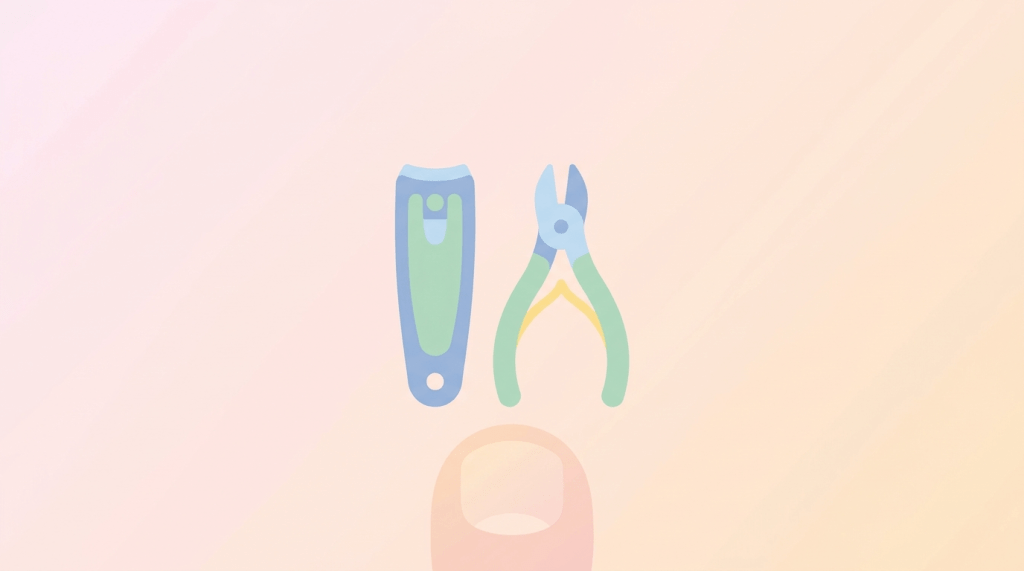
When it comes to managing the discomfort of an ingrown toenail, choosing the right tool is crucial for safe and effective care. The debate of clipper vs nipper for ingrown toenails often arises, and for most individuals, a specialized toenail nipper is the superior choice for careful, precise trimming around ingrown edges, while a standard clipper is generally better suited for routine maintenance of healthy nails.
What is a Toenail Clipper?
A toenail clipper is the most common tool for trimming nails. It typically features two blades that pivot on a lever, allowing them to close together to cut the nail. Clippers come in various sizes and designs, with some offering a straight edge and others a curved edge. They are designed for general nail maintenance, making quick work of regular, healthy toenails, and are widely available and easy to use for most people.
What is a Toenail Nipper?
A toenail nipper, often referred to as a podiatry nipper or cuticle nipper (though toenail nippers are larger and more robust), features a pincer-like design with two strong, sharp blades that meet at a point. They often have a spring mechanism for smooth operation and enhanced control. Nippers are specifically engineered for precision and strength, making them ideal for tackling thick, tough, or ingrown toenails that standard clippers struggle with. Their pointed tips allow for careful access to tight areas, which is essential when managing the delicate edges of an ingrown nail.
Shop Jaws Podiatry on Amazon
Podiatrist-formulated foot-care products for fungus, calluses, and cracked heels.
Visit the Jaws Podiatry Store →As an Amazon Associate we earn from qualifying purchases.
Head-to-Head Comparison: Clipper vs Nipper for Ingrown Toenails
| Feature | Toenail Clipper | Toenail Nipper |
|---|---|---|
| Cost | Generally less expensive, widely available at various price points. | Typically more expensive due to specialized design, materials, and precision. |
| Effectiveness for Ingrown Toenails | Poor. The broad, often curved blades can make it difficult to access the ingrown edge without causing further trauma or deepening the issue. Can worsen the problem. | Good, with caution. The sharp, pointed tips allow for precise trimming of the offending nail corner, reducing the risk of further irritation if used correctly. |
| Ease of Use | Very easy for general trimming of healthy nails. Simple squeeze mechanism. | Requires more skill, a steady hand, and caution. The precision requires careful maneuvering to avoid injury. |
| Who It’s Best For | Individuals with healthy, non-problematic toenails for routine trimming. Suitable for most general home foot care. | Individuals dealing with thick, tough, or mild to moderate ingrown toenails who require precise trimming. Also suitable for fungal nails. |
| Downsides | Lack of precision for problem areas, can cause micro-tears or further embed ingrown nails. Not suitable for very thick nails. | Higher risk of accidental injury (cuts, nicks) if not used properly. Requires more careful handling and sterilization. Can be intimidating for first-time users. |
When to Choose a Toenail Clipper
Toenail clippers are your go-to tool for everyday nail maintenance when your nails are healthy, not excessively thick, and free from ingrown issues. They are perfect for:
- Routine Trimming: If you’re simply keeping your toenails at a comfortable length and they don’t pose any specific challenges, a good quality toenail clipper is sufficient.
- Healthy Nails: For nails that are not overly thick, brittle, or curved, a clipper provides a quick and easy way to keep them neat.
- General Foot Hygiene: As part of your regular foot care routine, clippers are effective for maintaining overall nail health and appearance.
When selecting a clipper, look for one with a straight edge rather than a curved one. Trimming toenails straight across helps prevent ingrown toenails from developing in the first place. You can find reliable options for general nail care here: Toenail Clippers
When to Choose a Toenail Nipper
Toenail nippers shine in situations where standard clippers fall short, particularly when dealing with challenging nail conditions. They are invaluable for:
- Thick or Fungal Nails: The robust construction and sharp blades of nippers can cut through even the toughest nails with less effort and strain than clippers.
- Ingrown Toenails (with extreme caution): For mild ingrowns, the pointed tips allow for careful, precise trimming of the specific nail edge that is causing the problem. This requires a very steady hand and careful technique to avoid cutting the skin.
- Hard-to-Reach Areas: Nippers offer better maneuverability and precision for corners and edges that are difficult to access with a bulky clipper.
Important Safety Note: While nippers offer precision, they also carry a higher risk of injury if misused. If you have diabetes, neuropathy, poor circulation, or any other condition that affects foot sensitivity or healing, it is absolutely critical to consult a podiatrist before attempting any DIY foot care involving sharp tools like nippers. Improper use can lead to cuts, infections, and serious complications. For those without such conditions, always disinfect your nipper before and after use, and trim nails in good lighting.
For those needing a more robust and precise tool, a quality toenail nipper can be a great asset for at-home foot care: Toenail Nippers
Key Takeaways
- For routine maintenance of healthy nails, a standard toenail clipper is usually sufficient and easier to use.
- For thick, tough, or ingrown toenails, a specialized toenail nipper offers the precision and strength needed for effective trimming.
- When addressing ingrown toenails at home, nippers allow for more controlled removal of the problematic nail edge, but require extreme caution and proper technique.
- Improper use of either tool, especially digging into the nail corners, can worsen ingrown toenails and lead to pain or infection.
- Individuals with underlying health conditions like diabetes or poor circulation should always consult a podiatrist before using sharp tools on their feet to prevent serious complications.
Related Guides
Related Guides
Frequently Asked Questions
Can I use regular nail clippers for ingrown toenails?
While you can technically attempt to use regular nail clippers, it is generally not recommended for ingrown toenails. The design of most clippers, especially those with curved blades, makes it difficult to access the ingrown portion of the nail precisely. Using them can often lead to improper trimming, causing the nail to grow back worse, or even breaking the nail, which can increase the risk of infection and further pain. Nippers, with their pointed tips and stronger blades, are far better suited for the task, though they still require careful handling.
What’s the safest way to trim an ingrown toenail at home?
The safest way to trim an ingrown toenail at home involves softening the nail, carefully lifting the ingrown edge if possible, and then trimming the nail straight across, ensuring not to cut it too short or round the corners. Using a clean, sharp toenail nipper is crucial for precision. However, if there is significant pain, redness, swelling, or pus, or if you have underlying health conditions like diabetes, it is always safest to consult a podiatrist. They can safely and effectively treat the ingrown toenail and provide professional advice.
When should I see a podiatrist for an ingrown toenail?
You should see a podiatrist if your ingrown toenail is causing severe pain, redness, swelling, or pus, which are all signs of infection. If you have diabetes, neuropathy, or poor circulation, it’s crucial to seek professional help immediately for any foot problem, including ingrown toenails, as these conditions can lead to serious complications from even minor injuries. A podiatrist can safely remove the ingrown portion of the nail and recommend further treatment if necessary.
Are professional toenail nippers different from home-use ones?
Professional toenail nippers often boast superior materials, craftsmanship, and sharpness compared to many consumer-grade options. Podiatrists use medical-grade stainless steel instruments that are designed for repeated sterilization and maintain their edge longer. While high-quality home-use nippers can be very effective, professional tools are built to withstand rigorous use and provide consistent performance, often featuring more ergonomic designs for extended use. The key difference, however, lies in the expertise of the user.
What features should I look for in a good toenail nipper?
When selecting a toenail nipper for home use, look for several key features:
- High-Quality Stainless Steel: Ensures durability, sharpness retention, and resistance to rust.
- Sharp, Pointed Tips: Essential for precision and accessing tight areas around the ingrown nail.
- Spring Action: A good spring mechanism provides smooth cutting action and reduces hand fatigue.
- Comfortable Grip: Ergonomic handles allow for better control and reduce the risk of slips.
- Straight Blades: While some nippers have slightly curved blades, straight blades are generally preferred for trimming toenails to prevent ingrowns.
Maintaining overall nail health is also important. If you notice any early signs of nail fungus, which can sometimes complicate ingrown issues or arise from compromised nail integrity, consider a specialized nail treatment to support healthy nail growth. Products like undecylenic acid and tea tree oil formulations can be beneficial for early fungal concerns: Jaws Podiatry Nail Enhancer


Leave a Reply