Shop Jaws Podiatry on Amazon
Podiatrist-formulated foot-care products for fungus, calluses, and cracked heels.
Visit the Jaws Podiatry Store →As an Amazon Associate we earn from qualifying purchases.
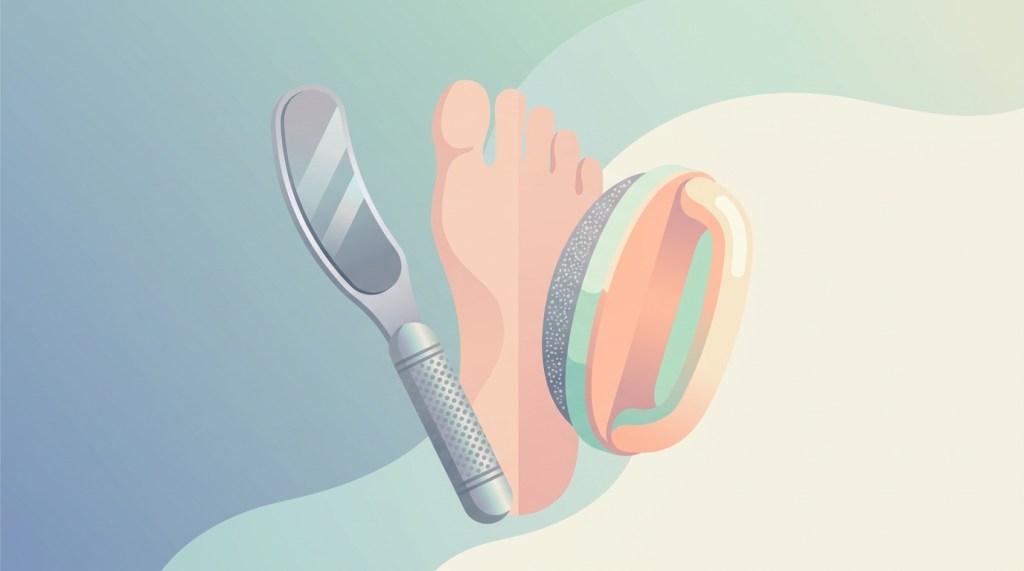
Choosing between stainless steel vs plastic foot care tools often comes down to balancing durability, hygiene, precision, and cost. Stainless steel tools generally offer superior longevity, sterilization capabilities, and effectiveness for tougher foot issues, making them ideal for those seeking a long-term investment and professional-grade results. Plastic tools, on the other hand, are typically more affordable, lighter, and suitable for gentle, routine maintenance or travel, appealing to budget-conscious users or those with lighter foot care needs.
What are Stainless Steel Foot Care Tools?
Stainless steel foot care tools are implements crafted from various grades of stainless steel, a durable and corrosion-resistant alloy known for its strength and hygienic properties. These tools are often preferred for their ability to be thoroughly cleaned and sterilized, reducing the risk of bacterial or fungal contamination. Common stainless steel tools include precision nail clippers, cuticle pushers, ingrown toenail tools, foot files, and callus removers. Their sharp, precise edges and robust construction make them highly effective for tackling more significant foot care challenges, such as thick calluses, hardened skin, or tough nails. Many professional podiatrists and estheticians rely on stainless steel tools for these reasons.
What are Plastic Foot Care Tools?
Plastic foot care tools encompass a wide range of implements made primarily from various types of plastic, such as ABS, polypropylene, or acrylic. These tools are generally lighter, less expensive, and often more colorful than their stainless steel counterparts. Examples include pumice stones with plastic handles, some types of foot files with abrasive surfaces bonded to plastic bases, foot brushes, and less aggressive callus buffers. Plastic tools are popular for their portability, ease of handling, and often a gentler approach to foot care. They are well-suited for daily maintenance, light exfoliation, and for individuals who prefer a non-intimidating option for their at-home foot care routine.
Shop Jaws Podiatry on Amazon
Podiatrist-formulated foot-care products for fungus, calluses, and cracked heels.
Visit the Jaws Podiatry Store →As an Amazon Associate we earn from qualifying purchases.
Head-to-Head Comparison
| Feature | Stainless Steel Foot Care Tools | Plastic Foot Care Tools |
|---|---|---|
| Cost | Generally higher initial investment due to material and manufacturing quality. However, they offer better long-term value due to durability. | Significantly lower initial cost, making them very accessible and budget-friendly. May require more frequent replacement. |
| Effectiveness | Highly effective for removing tough calluses, filing thick nails, and precise cuticle work. Offers superior precision and lasting sharpness for challenging foot conditions. | Effective for light exfoliation, smoothing rough patches, and general daily maintenance. Less effective for severe calluses or very thick nails, often requiring more effort. |
| Ease of Use | Requires a careful hand and some skill due to their sharpness and precision. Can be intimidating for beginners but offers excellent control for experienced users. | Often lighter and easier to handle for casual use. Generally less intimidating for beginners, though ergonomic designs vary. |
| Hygiene & Durability | Superior hygiene; can be easily disinfected and even sterilized. Highly durable, rust-resistant, and designed for long-term use with proper care. | Harder to truly sterilize, though they can be cleaned with soap and water. Less durable, prone to wear, breakage, or degradation over time. |
| Who It’s Best For | Individuals with persistent calluses, thickened nails, ingrown nail issues, or those seeking professional-grade tools for precise and effective results. Ideal for long-term investment. | Those needing gentle daily maintenance, light exfoliation, travel-friendly options, or budget-conscious shoppers. Good for beginners or sensitive skin. |
| Downsides | Higher initial cost. Potential for injury if not used correctly due to sharp edges. Requires careful storage and maintenance to preserve sharpness. | Less effective for severe conditions. Shorter lifespan, requiring more frequent replacement. Can be less environmentally friendly due to plastic waste. |
When to Choose Stainless Steel Foot Care Tools
You should consider stainless steel foot care tools when dealing with more stubborn or persistent foot care issues that require precision, durability, and superior hygiene. Their robust construction and sharp edges make them exceptionally effective for removing tough, thick calluses and addressing cracked heels. For instance, a high-quality stainless steel foot file or a professional-grade callus remover can significantly outperform plastic alternatives in these situations, providing smoother, more lasting results.
Stainless steel tools are also the ideal choice for meticulous tasks such as trimming thickened toenails or precisely managing cuticles. The strength and sharpness of stainless steel clippers ensure a clean cut, preventing splitting or jagged edges. When you invest in stainless steel, you’re investing in tools that can be thoroughly disinfected, which is crucial for preventing infections and maintaining optimal foot health over time. They are built to last, providing excellent value over many years.
If you’re looking to effectively manage significant calluses and cracked heels at home, a kit designed for comprehensive care can be highly beneficial. Consider products that combine powerful ingredients with robust tools for maximum efficacy. For example, a 40% urea callus cream paired with a durable stainless-steel file can work wonders on stubborn dry skin and calluses, providing professional-level results in the comfort of your home. Always ensure you follow product instructions carefully. Explore effective callus removal kits with stainless steel tools.
For individuals requiring precise nail care, such as managing challenging toenails or detailed cuticle work, a set of quality stainless steel nail clippers and cuticle pushers is invaluable. These tools offer the control and sharpness needed for clean, safe trimming. Find high-quality stainless steel nail clippers and cuticle tools here.
Important Safety Note: Individuals with diabetes, neuropathy, poor circulation, or other underlying health conditions that affect foot health should exercise extreme caution when performing DIY foot care, especially when using sharp or abrasive tools. Always consult a podiatrist before using any new foot care tools or products to ensure they are safe and appropriate for your specific needs. Improper use can lead to serious complications.
When to Choose Plastic Foot Care Tools
Plastic foot care tools are an excellent option for daily, gentle maintenance and for individuals who prioritize affordability and convenience. They are particularly well-suited for light exfoliation and smoothing rough patches, helping to keep your feet feeling soft and comfortable between more intensive treatments. If you have sensitive skin or prefer a less aggressive approach to foot care, plastic tools often provide a gentler touch.
Their lightweight nature and often compact designs make plastic tools perfect for travel or for keeping in your gym bag for on-the-go touch-ups. They are less of a concern if lost or damaged compared to more expensive stainless steel options. For those who are new to at-home foot care or simply need basic tools for routine hygiene, plastic options offer an accessible and unintimidating starting point.
For general foot hygiene and gentle exfoliation, a plastic foot brush or a pumice stone with a comfortable plastic handle can be very effective. These tools are great for incorporating into your daily shower routine to keep your feet smooth and clean. Discover gentle plastic foot brushes and pumice stones for daily care.
Key Takeaways
- Durability & Hygiene: Stainless steel tools offer superior longevity and can be thoroughly sterilized, making them a more hygienic and durable choice for long-term use.
- Effectiveness & Precision: For tough calluses, cracked heels, and precise nail care, stainless steel tools provide unmatched effectiveness and control.
- Affordability & Gentleness: Plastic tools are typically more budget-friendly and offer a gentler approach, ideal for light exfoliation and daily maintenance.
- Specific Needs Dictate Choice: Your personal foot care needs, the severity of your foot conditions, and your budget should guide your decision between stainless steel vs plastic foot care tools.
- Safety First: Always prioritize safety, especially if you have underlying health conditions. Consult a podiatrist before using sharp or abrasive tools.
Frequently Asked Questions
Are stainless steel foot files safe to use at home?
Stainless steel foot files can be very safe and effective for at-home use, provided they are used correctly and with caution. Their sharp, abrasive surfaces are designed to remove dead skin and calluses efficiently. However, improper technique, such as applying too much pressure, filing too deeply, or using them on live skin, can lead to cuts, irritation, or even infection. It’s crucial to use them only on dry, callused skin, in one direction, and to stop immediately if you feel any discomfort. Always follow the manufacturer’s instructions and clean your tools thoroughly after each use. For individuals with diabetes, neuropathy, or poor circulation, professional podiatric care for callus removal is strongly recommended over DIY methods with sharp tools.
Can plastic foot tools be truly sterilized?
While plastic foot tools can be cleaned with soap and water and disinfected with appropriate solutions, they generally cannot be “sterilized” in the same way that stainless steel tools can be. True sterilization typically involves high heat (like in an autoclave) or strong chemical solutions that many plastics cannot withstand without degrading. Over time, plastic tools can develop microscopic scratches and pores where bacteria and fungi can harbor, making them harder to sanitize thoroughly. This is why plastic tools, especially those that come into contact with skin or nails, should be replaced more frequently than stainless steel ones to maintain hygiene.
Which is better for tough calluses: stainless steel or plastic?
For tough, thick, and persistent calluses, stainless steel tools are generally far more effective than plastic options. The durable, sharp, and precisely engineered surfaces of stainless steel files and callus removers can efficiently abrade and remove hardened skin layers that plastic tools might struggle with. Plastic files often have a coarser, less consistent abrasive surface that requires more effort and may not yield the same smooth results. For optimal results with tough calluses, combining a high-quality stainless-steel file with a specialized callus-softening cream containing ingredients like urea can be highly effective. The urea cream helps to break down the hardened skin, making it easier for the stainless-steel file to remove it.
What should I consider when buying foot care tools?
When purchasing foot care tools, several factors should influence your decision. First, consider the specific foot care needs you have; are you addressing tough calluses, general dryness, or nail issues? This will guide your choice of tool type. Second, think about the material – stainless steel for durability, hygiene, and precision, or plastic for affordability and gentleness. Third, assess the ease of cleaning and sanitation, especially important for preventing infections. Fourth, evaluate the ergonomics and comfort of the tool in your hand. Finally, always prioritize safety features and consider any personal health conditions that might make certain tools unsuitable for DIY use.


Leave a Reply