Shop Jaws Podiatry on Amazon
Podiatrist-formulated foot-care products for fungus, calluses, and cracked heels.
Visit the Jaws Podiatry Store →As an Amazon Associate we earn from qualifying purchases.
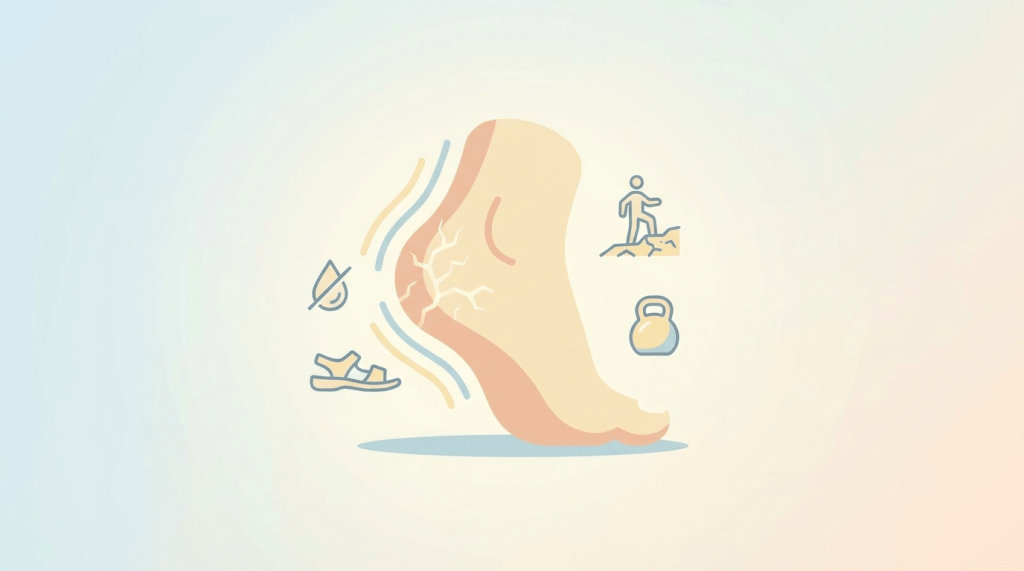
Cracked heels, also known as heel fissures, occur when the dry, thick skin on the heels loses its elasticity and splits, creating painful cracks. While often a cosmetic concern, these fissures can deepen and lead to discomfort, pain, and even infection if left untreated.
What Causes Cracked Heels? Understanding the Roots of Heel Fissures
Understanding what causes cracked heels is the first step toward effective treatment and prevention. This common foot problem often stems from a combination of factors, ranging from simple dry skin to underlying medical conditions.
Common Environmental and Lifestyle Factors
- Dry Skin (Xerosis): The most prevalent cause. Lack of moisture makes the skin less pliable and more prone to cracking, especially in drier climates or during winter months.
- Prolonged Standing: Spending extended periods on your feet, particularly on hard surfaces, puts constant pressure on the heels. This pressure causes the fat pad under the heel to expand sideways, and if the skin isn’t supple, it can crack.
- Open-Backed Shoes and Sandals: Footwear like sandals, flip-flops, or open-back shoes allows the fat pad under the heel to expand more freely, increasing the likelihood of cracks. They also offer less support and protection.
- Obesity: Excess body weight increases the pressure on the fat pad beneath the heel, causing it to expand more and making the skin more susceptible to splitting.
- Hot Showers or Baths: Frequent exposure to very hot water and harsh soaps can strip the skin of its natural oils, leading to dryness and reduced elasticity.
- Lack of Proper Foot Care: Neglecting regular moisturizing, exfoliation of hardened skin, and proper hygiene can contribute to the buildup of dry, thick skin that eventually cracks.
Medical Conditions and Age-Related Factors
- Aging Skin: As we age, our skin naturally becomes thinner, drier, and loses elasticity due to decreased collagen and elastin production, making it more vulnerable to cracking.
- Diabetes: Neuropathy (nerve damage) in people with diabetes can reduce sweat gland function, leading to extremely dry skin. Poor circulation also impairs the skin’s ability to heal, making cracked heels a significant concern and a potential entry point for serious infections.
- Hypothyroidism: An underactive thyroid gland can lead to dry, rough skin throughout the body, including the feet.
- Psoriasis and Eczema: These chronic skin conditions can cause thickened, dry, and scaly patches of skin that are prone to cracking.
- Athlete’s Foot (Tinea Pedis): This fungal infection can cause dry, flaky, and sometimes cracked skin, particularly between the toes and on the soles of the feet.
- Nutritional Deficiencies: Deficiencies in certain vitamins and minerals, such as zinc, omega-3 fatty acids, and vitamins A, C, and E, can impact skin health and contribute to dryness and cracking.
| Key Causes of Cracked Heels | Description |
|---|---|
| Dry Skin (Xerosis) | Lack of moisture makes skin rigid and prone to splitting under pressure. |
| Prolonged Standing & Weight Bearing | Constant pressure causes the heel’s fat pad to expand, stretching inelastic skin. |
| Inappropriate Footwear | Open-back shoes provide less support and allow greater heel expansion. |
| Aging Skin | Natural loss of elasticity and moisture with age. |
| Medical Conditions | Diabetes, hypothyroidism, psoriasis, eczema, and fungal infections can severely impact skin health. |
Symptoms: What to Look For
Cracked heels can manifest in various ways, from mild dryness to severe pain and potential infection. Recognizing the symptoms early can help you address the issue before it worsens.
- Dry, Hardened Skin: The earliest sign is often a patch of rough, dry skin around the heel, which may feel tight or itchy.
- Thickened Skin (Calluses): Over time, the pressure and dryness can lead to the formation of a thick, yellowish or brownish callus around the rim of the heel. This hardened skin is less elastic than healthy skin.
- Visible Fissures or Cracks: These are the characteristic splits in the skin. They can range from superficial lines to deep, painful crevices.
- Pain or Discomfort: As the cracks deepen, walking, standing, or putting pressure on the heel can become painful.
- Bleeding: Deep fissures may bleed, especially when stretched or put under pressure.
- Redness, Inflammation, or Swelling: These signs can indicate irritation or, more seriously, an infection, particularly if accompanied by warmth or pus.
- Itching: Dry skin, including that on cracked heels, can often be itchy.
Shop Jaws Podiatry on Amazon
Podiatrist-formulated foot-care products for fungus, calluses, and cracked heels.
Visit the Jaws Podiatry Store →As an Amazon Associate we earn from qualifying purchases.
Home Care and Relevant Products for Cracked Heels
Addressing cracked heels at home involves a consistent routine of moisturizing, exfoliation, and protective measures. Patience and regularity are key.
1. Soaking Your Feet
Start by soaking your feet in warm (not hot) water for 10-15 minutes. This helps to soften the hardened skin, making it easier to exfoliate and more receptive to moisturizers. You can add a mild soap or Epsom salts to the water for added benefits, but avoid harsh detergents.
2. Exfoliation
After soaking, gently exfoliate the thickened skin. The goal is to remove dead skin cells without causing further irritation or injury.
- Manual Tools: Use a pumice stone, foot file, or a specialized callus remover to carefully smooth away the hardened skin. Always work gently and avoid aggressive scrubbing, especially on deep cracks.
For an effective solution, consider a kit that combines a potent cream with a reliable tool. The Jaws Podiatry 40% Urea Callus Cream + Stainless Steel File Kit check the current price on Amazon is designed to soften and remove calluses, helping to prepare the skin for healing. - Electric Callus Removers: These devices can be effective for consistent removal of dead skin. Look for models with different abrasion levels. Ensure the device is cleaned thoroughly after each use.
You can find various reliable electric callus removers check the current price on Amazon that can make the process easier.
Safety Note: If you have diabetes, neuropathy, or poor circulation, consult your podiatrist before using any sharp or abrasive tools, including pumice stones, foot files, or electric callus removers. Incorrect use can lead to serious injury and infection.
3. Moisturizing
This is perhaps the most critical step in healing and preventing cracked heels. Apply a thick, emollient moisturizer immediately after soaking and exfoliating, and then at least twice daily.
- Urea Creams: Creams containing urea (typically 20-40%) are highly effective. Urea is a humectant that attracts moisture to the skin and a keratolytic that helps break down thickened skin, making it softer and more pliable.
The Jaws Podiatry 40% Urea Callus Cream check the current price on Amazon is specifically formulated to deeply moisturize and gently exfoliate, making it an excellent choice for severely dry and cracked heels. - Other Emollients: Look for creams with ingredients like lactic acid, salicylic acid, shea butter, lanolin, hyaluronic acid, or petrolatum. These ingredients help to seal in moisture and repair the skin barrier.
- Overnight Treatment: For intensive hydration, apply a thick layer of moisturizer to your heels before bed and cover your feet with cotton socks check the current price on Amazon. This helps the cream penetrate deeply.
4. Appropriate Footwear
Wear supportive, closed-back shoes that cushion your heels and hold them in place. Avoid open-backed shoes or sandals, especially when your heels are cracked, as they allow the heel to expand and stress the skin further.
- Cushioned Insoles: Adding gel heel cups or cushioned insoles check the current price on Amazon can help reduce the impact on your heels and provide additional support.
- Moisture-Wicking Socks: Choose socks made from materials like cotton or bamboo check the current price on Amazon that help keep your feet dry and comfortable.
5. Addressing Inflammation
If your cracked heels are red and inflamed, an over-the-counter hydrocortisone cream can help reduce swelling and itching. Use for a few days as directed, but consult a doctor if inflammation persists or worsens.
Prevention: Keeping Your Heels Healthy
Preventing cracked heels involves consistent foot care and lifestyle adjustments. By understanding what causes cracked heels, you can take proactive steps.
- Moisturize Daily: Make daily moisturizing a habit, even when your heels look healthy. Apply a good foot cream or lotion after showering or bathing to lock in moisture.
- Wear Proper Footwear: Choose well-fitting, supportive shoes with closed backs and good cushioning. Limit your time in open-backed shoes or walking barefoot.
- Maintain a Healthy Weight: Reducing excess weight lessens the pressure on your heels, decreasing the likelihood of cracking.
- Stay Hydrated: Drink plenty of water throughout the day to keep your skin hydrated from the inside out.
- Eat a Balanced Diet: Ensure your diet includes essential fatty acids, vitamins, and minerals that support healthy skin.
- Avoid Harsh Soaps and Hot Water: Use mild soaps and lukewarm water for foot washing to preserve your skin’s natural oils.
- Regular Foot Checks: Inspect your feet regularly for signs of dryness or hardening, especially if you have underlying health conditions.
- Gentle Exfoliation: Periodically remove hardened skin with a pumice stone or foot file, but always follow with a moisturizer.
When to See a Podiatrist
While many cases of cracked heels respond well to home care, certain situations warrant professional medical attention. Consult a podiatrist if you experience any of the following:
- Severe Pain or Bleeding: If your cracks are deep, constantly bleeding, or cause significant pain that interferes with daily activities.
- Signs of Infection: Redness, swelling, warmth, pus, or fever accompanying your cracked heels are red flags for infection and require immediate medical evaluation.
- No Improvement with Home Care: If your cracked heels do not improve after a week or two of consistent home treatment.
- Underlying Medical Conditions: If you have diabetes, neuropathy, poor circulation, or a compromised immune system, any foot wound, including cracked heels, should be assessed by a podiatrist promptly due to the increased risk of complications.
- Numbness or Tingling: These symptoms could indicate nerve involvement that requires professional diagnosis.
- Cracks are Spreading or Deepening: If the condition is worsening despite your efforts.
A podiatrist can properly diagnose the underlying cause, safely debride (remove) thick calluses, prescribe stronger topical medications, or recommend specialized treatments to prevent serious complications.
Key Takeaways
- Cracked heels are primarily caused by dry skin, pressure from standing, and inappropriate footwear, often exacerbated by medical conditions like diabetes.
- Consistent home care involving soaking, gentle exfoliation, and regular moisturizing is crucial for healing.
- Urea-based creams and proper footwear are highly effective tools in managing and preventing heel fissures.
- People with diabetes, neuropathy, or poor circulation must exercise extreme caution with DIY foot care and seek professional help for any foot issues.
- Don’t hesitate to see a podiatrist if cracks are painful, bleeding, show signs of infection, or don’t improve with home treatment.
Frequently Asked Questions
Are cracked heels serious?
Mild cracked heels are usually a cosmetic nuisance, but they can become serious if the cracks deepen. Deep fissures can be very painful, bleed, and serve as entry points for bacteria, leading to infections like cellulitis, especially concerning for individuals with diabetes or compromised immune systems. Early intervention is key to preventing complications.
How long does it take to heal cracked heels?
The healing time for cracked heels varies depending on their severity and the consistency of treatment. Mild cracks may improve within a few days to a week with diligent moisturizing. Deeper fissures, however, can take several weeks or even months to fully heal. Consistency in your foot care routine is paramount for quicker recovery.
Can diet affect cracked heels?
Yes, diet can play a role. A deficiency in certain nutrients, such as zinc, iron, omega-3 fatty acids, and vitamins A, C, and E, can contribute to dry, unhealthy skin that is more prone to cracking. Ensuring a balanced diet rich in these nutrients supports overall skin health and elasticity.
Is it okay to pick at cracked heels?
No, it is generally not advisable to pick at or peel the skin on cracked heels. This can worsen the cracks, cause further irritation, and increase the risk of infection. Instead, focus on softening the skin with soaks and moisturizers, and gently removing dead skin with appropriate tools like a pumice stone or foot file.
What’s the best way to prevent cracked heels from returning?
The best prevention strategy involves a consistent daily foot care routine. This includes daily moisturizing with a high-quality foot cream, wearing supportive and closed-back shoes, staying hydrated, maintaining a healthy weight, and performing gentle exfoliation as needed. Regular foot checks are also important to catch dryness early.
 HealthyStridesHQ
Leave a comment