Shop Jaws Podiatry on Amazon
Podiatrist-formulated foot-care products for fungus, calluses, and cracked heels.
Visit the Jaws Podiatry Store →As an Amazon Associate we earn from qualifying purchases.
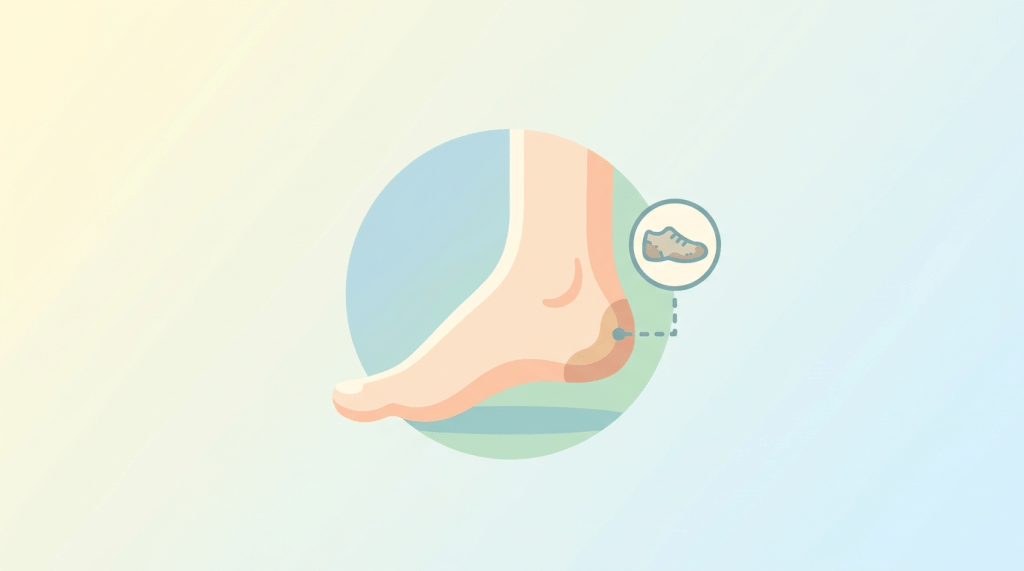
Calluses on the feet are common areas of thickened, hardened skin that develop as a natural protective response to repeated friction and pressure. Understanding what causes calluses on feet primarily boils down to identifying these consistent points of irritation, which often stem from ill-fitting footwear, foot deformities, or certain activities. While usually harmless, they can sometimes lead to discomfort or pain, indicating a need for attention.
What Causes Calluses on Feet? The Root of the Problem
Calluses are the body’s way of protecting itself. When an area of skin on your foot is subjected to sustained rubbing or pressure, the skin cells respond by producing more keratin, leading to a buildup of tough, dead skin cells. This thickening creates a protective layer, but if the pressure or friction continues unabated, the callus can become excessively thick, hard, and sometimes painful.
Here are the primary factors that contribute to the development of calluses on feet:
- Ill-Fitting Footwear: This is arguably the most common culprit.
- Shoes that are too tight: They can squeeze the foot, causing constant rubbing against the sides or top of the toes.
- Shoes that are too loose: Allow the foot to slide around, leading to friction as the foot repeatedly rubs against the shoe’s interior.
- High heels: Shift body weight forward, concentrating pressure on the ball of the foot and toes.
- Shoes without adequate cushioning or support: Increase impact on specific areas of the foot.
- Foot Deformities and Structural Issues: Certain anatomical variations can alter how weight is distributed across the foot, leading to pressure points.
- Bunions: A bony bump at the base of the big toe, often causing the big toe to lean inward, creating friction on the side of the foot.
- Hammer toes or claw toes: Toes that curl or bend abnormally, causing the top of the toe to rub against footwear.
- Bone spurs: Bony growths that can create localized pressure points.
- Flat feet or high arches: Can lead to uneven weight distribution, concentrating pressure on certain areas.
- Gait Abnormalities: The way you walk can impact where pressure is applied to your feet. An unusual gait, perhaps due to an injury, arthritis, or natural variations, can create repetitive stress on specific areas, answering the question of what causes calluses on feet in many cases.
- Lack of Protective Padding:
- Walking barefoot: Exposes the feet to direct friction and pressure from hard surfaces.
- Thin-soled shoes: Offer minimal cushioning, increasing the impact on the soles of the feet.
- Age: As we age, the natural fatty pads on the soles of our feet can thin out, reducing the natural cushioning and making the feet more susceptible to pressure and friction. The skin also becomes drier and less elastic, potentially exacerbating callus formation.
- Specific Activities: Jobs or hobbies that involve prolonged standing, walking, or repetitive motions can increase the likelihood of calluses. Athletes, construction workers, and those who spend long hours on their feet often experience calluses due to the constant stress on their feet.
Symptoms: What Do Calluses Look Like and Feel Like?
Recognizing a callus is usually straightforward, but understanding its characteristics can help you differentiate it from other foot conditions.
- Appearance:
- A callus typically appears as a flattened, broad area of thickened skin.
- The skin may look yellowish, grayish, or even brown.
- It often has a rough, dry, or flaky texture.
- Unlike corns, calluses generally don’t have a distinct central core.
- Location:
- Most commonly found on the soles of the feet, especially on the balls of the feet (under the metatarsal heads), the heels, and the sides of the big toes.
- They can also form on the outer edges of the feet or between the toes, though these are more often corns.
- Sensation:
- Initially, calluses might not cause any pain and may even feel like a protective layer.
- As they thicken, they can become less sensitive to touch.
- However, if the callus becomes too thick or is located over a bony prominence, it can cause pain, tenderness, or a burning sensation, especially when walking or standing.
- Some people describe feeling like they are walking on a pebble.
It’s important to distinguish calluses from corns, though both are forms of thickened skin. Here’s a quick comparison:
| Feature | Callus | Corn |
|---|---|---|
| Size & Shape | Larger, broader, diffused, generally flat. | Smaller, rounder, distinct, often with a hard central core. |
| Location | Weight-bearing areas (heels, balls of feet), sides of toes. | Non-weight-bearing areas, tops or sides of toes, between toes. |
| Pain | Usually painless unless very thick or over bony prominence. | Often very painful due to the central core pressing on nerves. |
| Cause | Widespread friction/pressure over a larger area. | Concentrated pressure/friction over a smaller, specific point. |
Shop Jaws Podiatry on Amazon
Podiatrist-formulated foot-care products for fungus, calluses, and cracked heels.
Visit the Jaws Podiatry Store →As an Amazon Associate we earn from qualifying purchases.
Effective Home Care for Calluses and Rough Skin
Managing calluses at home can be quite effective, especially if done consistently and correctly. The goal is to reduce the thickness of the callus and minimize the friction and pressure that caused it.
Important Safety Note: If you have diabetes, neuropathy (nerve damage), or poor circulation, it is crucial to consult a podiatrist before attempting any DIY foot care, especially before using sharp tools or abrasive instruments. These conditions can impair sensation and healing, making you vulnerable to injury and infection.
- Soak Your Feet:
Soaking your feet in warm water for 10-20 minutes can soften the hardened skin, making it easier to remove. Adding Epsom salts can further aid in softening the skin and providing relaxation.
- Exfoliate Gently:
After soaking, use a pumice stone, a foot file, or an electric callus remover to gently rub away the softened layers of dead skin. Always move in one direction, not back and forth, to avoid tearing the skin. Do this carefully and gradually, aiming to remove a little bit of skin each day rather than trying to remove the entire callus at once. For an effective tool, consider a high-quality stainless-steel foot file check the current price on Amazon to gently but effectively reduce callus thickness.
- Moisturize Regularly:
Keeping your skin hydrated is key to preventing calluses from hardening and cracking. Apply a rich, emollient cream daily, especially after bathing. Look for creams containing ingredients like urea, salicylic acid, or ammonium lactate, which help to break down and soften thickened skin. The Jaws Podiatry 40% Urea Callus Cream check the current price on Amazon is specifically formulated for intense hydration and exfoliation of very thick, dry, and callused skin, and often comes with a stainless-steel file for a comprehensive approach to home care.
- Use Protective Padding:
To reduce pressure and friction, place moleskin, callus cushions, or gel pads over the affected area. These can be found at most pharmacies check the current price on Amazon. Ensure they are properly placed and don’t create new pressure points.
- Review Your Footwear:
This is critical. Ensure your shoes fit properly – not too tight, not too loose. Choose shoes with a wide toe box, good arch support, and ample cushioning. Avoid high heels or shoes with thin soles, which increase pressure on the balls of the feet. Consider using comfortable, supportive insoles or orthotics check the current price on Amazon to redistribute pressure more evenly across your feet.
Preventing Calluses: Proactive Steps for Healthy Feet
Prevention is always better than cure when it comes to calluses. By addressing the factors that answer what causes calluses on feet, you can significantly reduce your risk of developing them.
- Wear Properly Fitting Shoes: This cannot be stressed enough.
- Have your feet measured regularly, as foot size can change over time.
- Shop for shoes at the end of the day when your feet are slightly swollen.
- Ensure there’s about a thumb’s width between your longest toe and the end of the shoe.
- The shoe should be wide enough that your toes aren’t cramped.
- Choose shoes made of breathable materials that allow some give, like leather or mesh.
- Avoid shoes with pointed toes or high heels for everyday wear.
- Choose Appropriate Socks:
- Wear clean, well-fitting socks daily.
- Opt for moisture-wicking materials (like synthetic blends or merino wool) to keep feet dry and reduce friction.
- Padded socks check the current price on Amazon can provide extra cushioning in high-pressure areas.
- Avoid socks with irritating seams or those that bunch up.
- Utilize Insoles or Orthotics:
If you have foot deformities, gait issues, or simply need more support, custom or over-the-counter insoles check the current price on Amazon can help redistribute pressure and reduce friction. They provide cushioning and support where needed most.
- Maintain Regular Foot Hygiene:
- Wash your feet daily with mild soap and water.
- Dry them thoroughly, especially between the toes.
- Apply a good foot moisturizer daily to keep skin supple and prevent excessive dryness and hardening.
- Address Foot Deformities: If you have bunions, hammer toes, or other structural issues, consult a podiatrist. They can offer solutions ranging from custom orthotics to surgical correction to prevent ongoing pressure and callus formation.
- Avoid Walking Barefoot on Hard Surfaces: Especially indoors on tile or hardwood, wear slippers or house shoes to provide a layer of protection and cushioning.
When to See a Podiatrist
While most calluses can be managed effectively at home, there are situations where professional medical attention is necessary. Don’t hesitate to consult a podiatrist if you experience any of the following:
- Severe or Worsening Pain: If a callus causes significant pain that interferes with your daily activities, a podiatrist can evaluate and treat it.
- Signs of Infection: Redness, swelling, warmth, pus, or increased tenderness around the callus could indicate an infection, which requires immediate medical attention.
- Bleeding: If a callus cracks and bleeds, it creates an open wound susceptible to infection.
- Underlying Health Conditions: If you have diabetes, peripheral neuropathy, or poor circulation, any foot problem, including a callus, carries a higher risk of serious complications. Always consult a podiatrist before attempting self-treatment.
- Calluses That Don’t Improve: If home care measures aren’t providing relief or the callus continues to grow, a podiatrist can offer professional debridement (safe removal of the thickened skin) and investigate underlying causes.
- Uncertainty About Diagnosis: If you’re unsure whether it’s a callus, corn, wart, or another skin condition, a podiatrist can provide an accurate diagnosis.
- Recurring Calluses: If calluses keep returning despite your best efforts, a podiatrist can help identify and address the root cause, such as gait issues or foot deformities.
Key Takeaways
- Calluses are areas of thickened skin caused by repeated friction and pressure, often from ill-fitting shoes or foot deformities.
- They typically appear as broad, flat, yellowish patches on weight-bearing areas of the feet.
- Effective home care involves soaking, gentle exfoliation (with tools like a stainless-steel file), and consistent moisturizing with products like a 40% urea cream.
- Prevention is crucial and focuses on wearing properly fitting, supportive footwear and addressing underlying foot mechanics.
- Individuals with diabetes, neuropathy, or poor circulation should always consult a podiatrist before attempting self-treatment for calluses.
Frequently Asked Questions
Are calluses dangerous?
Generally, calluses are not dangerous and are the body’s natural defense mechanism. However, if they become excessively thick, cracked, or infected, they can lead to pain, open wounds, and more serious complications, especially for individuals with underlying health conditions like diabetes or poor circulation. In such cases, they warrant medical attention.


Leave a Reply