Shop Jaws Podiatry on Amazon
Podiatrist-formulated foot-care products for fungus, calluses, and cracked heels.
Visit the Jaws Podiatry Store →As an Amazon Associate we earn from qualifying purchases.
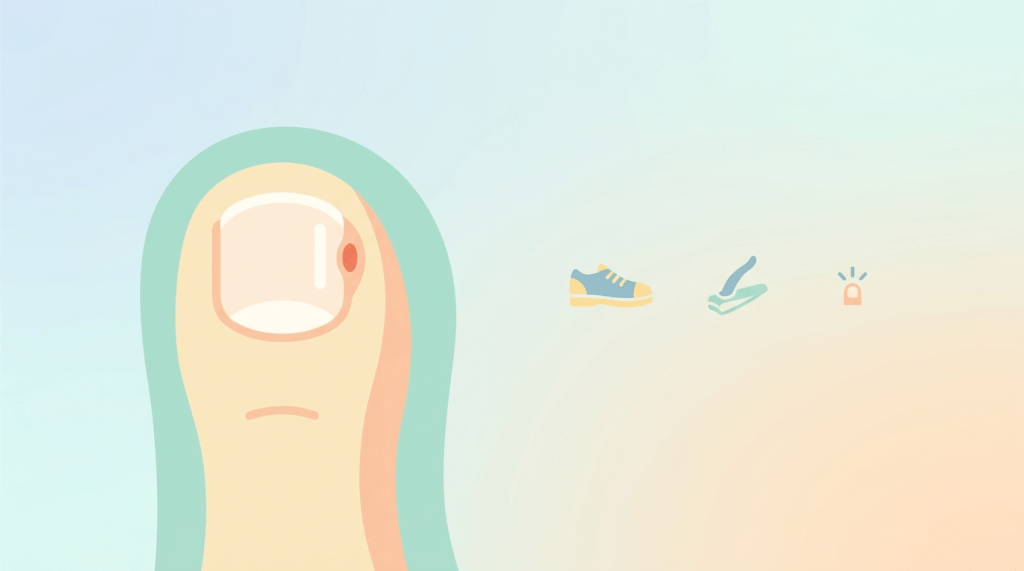
Ingrown toenails, medically known as onychocryptosis, occur when the edge of a toenail grows into the surrounding skin, leading to pain, inflammation, and potential infection. Understanding what causes ingrown toenails is the first step toward effective treatment and prevention, empowering you to keep your feet healthy and comfortable.
What Causes Ingrown Toenails? The Root of the Problem
Several factors can contribute to the development of an ingrown toenail. Often, it’s a combination of these elements that leads to the painful condition. Knowing these causes helps in avoiding them.
| Common Causes of Ingrown Toenails | Explanation |
|---|---|
| Improper Nail Trimming | This is arguably the most frequent cause. Cutting toenails too short, especially rounding the corners, encourages the nail to grow into the skin as it lengthens. Nails should be cut straight across, not curved. |
| Ill-Fitting Footwear | Shoes that are too tight, narrow, or shallow in the toe box can compress the toes, pushing the nail into the surrounding skin. High heels also put excessive pressure on the front of the foot. |
| Toe Trauma or Injury | Stubbing a toe, dropping a heavy object on the foot, or even repetitive pressure from sports activities can damage the nail or nail bed, altering its growth pattern and leading to an ingrown nail. |
| Genetics and Nail Shape | Some people are naturally predisposed due to their nail shape (e.g., pincer nails or highly curved nails) or the natural curvature of their nail bed. This makes them more prone to ingrown toenails regardless of other factors. |
| Excessive Sweating (Hyperhidrosis) | Moist environments can soften the skin around the nails, making it easier for the nail to pierce and grow into the skin. |
| Fungal Nail Infections | Onychomycosis can thicken or distort the shape of the nail, making it more likely to press into the surrounding skin and become ingrown. |
| Poor Foot Hygiene | While not a direct cause, poor hygiene can exacerbate conditions that lead to ingrown nails and increase the risk of infection once the skin is broken. |
| Certain Medical Conditions | Conditions like diabetes, obesity, and peripheral artery disease can affect foot health, nail growth, and healing, making individuals more susceptible to ingrown toenails and their complications. |
| Medications | Some medications, particularly certain cancer drugs, can cause nail changes that increase the risk of ingrown toenails. |
Shop Jaws Podiatry on Amazon
Podiatrist-formulated foot-care products for fungus, calluses, and cracked heels.
Visit the Jaws Podiatry Store →As an Amazon Associate we earn from qualifying purchases.
Symptoms: What to Look For
Recognizing the signs of an ingrown toenail early can help prevent it from worsening. The most common symptoms include:
- Pain and Tenderness: The area around the affected nail, especially when pressure is applied, will be painful.
- Redness and Swelling: The skin surrounding the ingrown part of the nail will become red and swollen.
- Warmth: The affected toe might feel warmer to the touch than other toes.
- Pus or Drainage: If an infection develops, you might notice pus, clear fluid, or blood draining from the area. This indicates a more serious problem.
- Odor: An unpleasant smell can also be a sign of infection.
- Overgrowth of Skin: In chronic cases, the skin around the ingrown nail may grow over the nail edge.
Home Care & Relevant Products
For mild ingrown toenails without signs of infection, several home care strategies can provide relief and encourage proper healing. Always exercise caution, especially if you have underlying health conditions.
Important Safety Note:
If you have diabetes, neuropathy (nerve damage), poor circulation, or any condition that compromises your immune system, do NOT attempt to treat an ingrown toenail at home. Consult a podiatrist immediately, as even a minor foot injury can lead to serious complications. Avoid using sharp tools at home.
- Soak Your Feet: Soaking the affected foot in warm water 3-4 times a day for 15-20 minutes can reduce swelling and tenderness. Adding Epsom salts can further soothe the area.
- Gently Lift the Nail: After soaking, gently try to lift the edge of the ingrown nail using a clean cotton swab or a small piece of dental floss. Place a tiny piece of cotton or dental floss under the nail edge to help it grow out over the skin. Change this daily.
- Apply Antiseptic: After soaking and lifting, apply an antiseptic solution or topical antibiotic cream to prevent infection.
- Wear Appropriate Footwear: Opt for open-toed shoes, sandals, or roomy footwear that doesn’t put pressure on your toes until the condition improves.
- Pain Relief: Over-the-counter pain relievers like ibuprofen can help manage pain and inflammation.
- Consider Nail Softeners: Some products are designed to soften the nail, making it easier to manage. If you suspect an ingrown nail might be complicated by a fungal infection, a topical solution can be beneficial. For instance, a product containing undecylenic acid and tea tree oil can help support nail health. check the current price on Amazon
Prevention: Keeping Ingrown Toenails at Bay
Preventing ingrown toenails is often simpler than treating them. Here’s how to reduce your risk:
- Trim Toenails Correctly:
- Cut nails straight across, not in a curve.
- Avoid cutting them too short; leave a little white tip.
- Use clean, sharp toenail clippers. check the current price on Amazon
- Do not pick or tear your toenails.
- Wear Properly Fitting Shoes:
- Choose shoes with a wide toe box that allows your toes to wiggle freely.
- Avoid shoes that are too tight or pointed, especially for prolonged periods.
- Ensure there’s about a thumb’s width between your longest toe and the end of the shoe.
- Wear Protective Footwear: If your job or hobbies put your feet at risk of injury, wear steel-toed boots or other protective footwear.
- Maintain Good Foot Hygiene: Wash your feet daily with soap and water, and dry them thoroughly, especially between the toes.
- Change Socks Regularly: Wear clean, moisture-wicking socks, especially if you’re active or prone to sweaty feet. check the current price on Amazon
- Address Underlying Issues: If you have unusually curved nails or a history of ingrown toenails, consult a podiatrist for guidance on managing your specific nail structure. If you have thick, hard calluses on your feet contributing to pressure, using a urea-based cream and file kit can help manage the skin. check the current price on Amazon
When to See a Podiatrist
While many mild ingrown toenails can be managed at home, there are clear signs that indicate it’s time to seek professional medical attention. Ignoring these can lead to more serious complications, especially if you have underlying health conditions.
- Signs of Infection: If you notice increasing redness, swelling, severe pain, warmth, pus, or an unpleasant odor.
- No Improvement with Home Care: If your symptoms don’t improve after a few days of careful home treatment.
- Recurring Ingrown Toenails: If you frequently experience ingrown toenails, a podiatrist can help identify the root cause and suggest a permanent solution.
- Underlying Health Conditions: If you have diabetes, nerve damage (neuropathy), poor circulation, or a weakened immune system, you should see a podiatrist at the first sign of an ingrown toenail. These conditions significantly increase the risk of severe infections and complications from even minor foot issues.
- Severe Pain: If the pain is debilitating or interferes with your daily activities.
- Skin Overgrowth: If the skin around the nail has grown significantly over the ingrown portion.
Key Takeaways
- Ingrown toenails occur when the nail grows into the surrounding skin, causing pain and potential infection.
- The primary causes include improper nail trimming, ill-fitting shoes, toe trauma, and genetic predisposition.
- Mild cases can often be treated at home with warm soaks, gentle lifting, and antiseptics.
- Prevention is key: always cut toenails straight across, wear comfortable, roomy shoes, and maintain good foot hygiene.
- Individuals with diabetes, neuropathy, or poor circulation should always consult a podiatrist for ingrown toenails.
Frequently Asked Questions
Can I pull out an ingrown toenail myself?
No, you should never attempt to pull out an ingrown toenail yourself. This can cause further injury, increase the risk of infection, and worsen the condition. For severe or infected ingrown toenails, it’s always best to consult a podiatrist.
Are ingrown toenails genetic?
While not directly inherited, some individuals have a genetic predisposition due to the natural curvature of their toenails or the shape of their nail beds, making them more prone to developing ingrown toenails. This means that even with proper care, some people may experience them more frequently.
How long does it take for an ingrown toenail to heal?
A mild ingrown toenail treated at home may start to feel better within a few days and fully resolve in 1-2 weeks. If infection is present or if a podiatrist performs a minor procedure, healing time can vary, but significant improvement is usually seen within a week or two, with complete healing potentially taking a few weeks. Always follow your podiatrist’s post-procedure care instructions.
Can tight socks cause ingrown toenails?
Yes, tight socks, especially those that compress the toes, can contribute to ingrown toenails by pushing the nail into the surrounding skin. This is similar to the effect of ill-fitting shoes. Opt for socks that allow your toes to move freely and are made of breathable, moisture-wicking materials. check the current price on Amazon
What if I have diabetes and an ingrown toenail?
If you have diabetes, you should see a podiatrist immediately if you develop an ingrown toenail. Diabetes can impair circulation and nerve function, making you highly susceptible to severe infections and slow healing. Attempting home treatment for an ingrown toenail with diabetes can lead to serious complications, including ulcers and amputation.


Leave a Reply