Shop Jaws Podiatry on Amazon
Podiatrist-formulated foot-care products for fungus, calluses, and cracked heels.
Visit the Jaws Podiatry Store →As an Amazon Associate we earn from qualifying purchases.
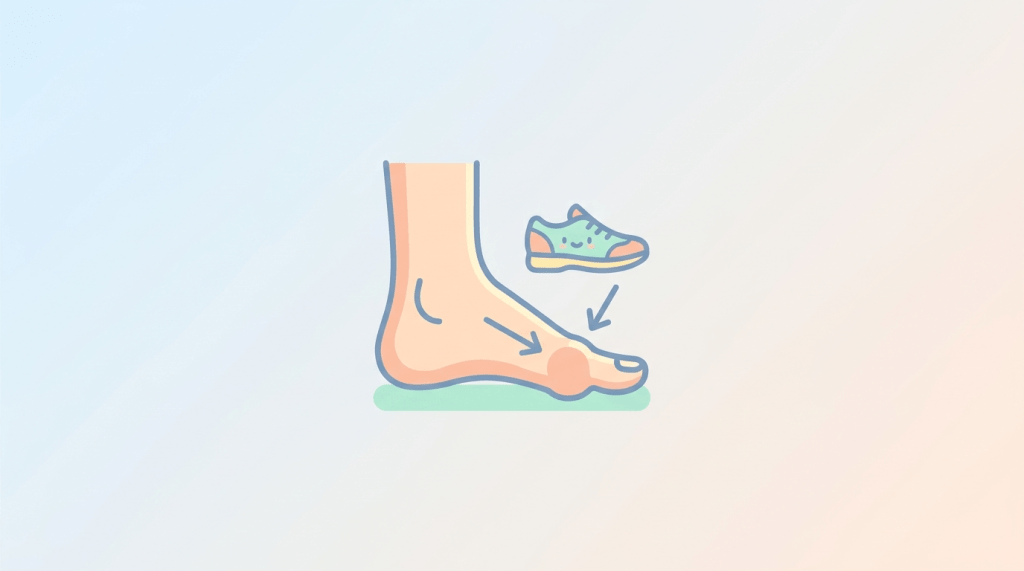
Bunions are a common foot condition characterized by a bony bump that develops on the joint at the base of your big toe, causing the toe to point inward towards the other toes. While often associated with ill-fitting shoes, the underlying answer to what causes bunions is typically a combination of inherited foot structure and mechanics, which can then be exacerbated by certain types of footwear.
What Causes Bunions? Understanding the Root Factors
Understanding what causes bunions involves looking at several contributing factors, ranging from genetics to lifestyle choices. It’s rarely one single cause but rather a confluence of elements that lead to their development and progression.
Genetic Predisposition and Inherited Foot Mechanics
The most significant factor in the development of bunions is often genetics. You don’t inherit the bunion itself, but rather an inherited foot type and structure that makes you more susceptible to developing one. This includes:
- Foot Shape and Structure: Certain foot architectures, such as flat feet (pes planus), low arches, or hypermobility (excessive flexibility) in the joints, can contribute to the instability of the big toe joint.
- Abnormal Foot Mechanics: People with excessive pronation (when the foot rolls inward too much during walking) can place undue stress on the big toe joint, leading to its misalignment over time.
- Joint Laxity: Ligamentous laxity, or “loose joints,” can make the big toe joint more prone to drifting out of alignment.
- First Metatarsal Bone Length: An unusually long first metatarsal bone (the long bone leading to the big toe) can lead to increased pressure and friction at the joint.
- Splayfoot: A condition where the metatarsal bones spread out excessively, widening the forefoot and contributing to instability.
Footwear Choices
While genetics often lay the groundwork, specific footwear choices are significant contributors to the aggravation and progression of bunions. They don’t typically “cause” a bunion from scratch in someone without a predisposition, but they can certainly accelerate its development and worsen symptoms.
- High Heels: These shoes force the foot into an unnatural position, pushing the body’s weight forward onto the ball of the foot and cramming the toes into a narrow toe box. This significantly increases pressure on the big toe joint.
- Narrow or Pointed-Toe Shoes: Any shoe that compresses the toes together, regardless of heel height, can push the big toe out of alignment and exacerbate the bunion deformity.
- Shoes That Are Too Small: Wearing shoes that are too short or too narrow can cause constant friction and pressure, leading to pain and inflammation around the bunion.
Arthritis and Other Medical Conditions
Certain medical conditions can also play a role in bunion formation or worsen existing ones:
- Osteoarthritis: The “wear and tear” arthritis, which can damage the cartilage in the big toe joint, leading to structural changes and increased bunion pain.
- Rheumatoid Arthritis: An inflammatory autoimmune disease that can affect the joints throughout the body, including those in the feet, causing deformity and bunion development.
- Psoriatic Arthritis: Similar to rheumatoid arthritis, this inflammatory condition can affect the small joints of the feet.
- Neuromuscular Conditions: Less common, but conditions like Charcot-Marie-Tooth disease or cerebral palsy can lead to muscle imbalances and foot deformities that contribute to bunions.
Foot Injuries and Trauma
Direct trauma or injury to the big toe joint can sometimes contribute to the development of a bunion or accelerate its progression if there’s an underlying predisposition. For example, a severe sprain or fracture that heals improperly could alter the joint mechanics.
| Primary Factors (Predisposing) | Secondary Factors (Aggravating/Accelerating) |
|---|---|
| Inherited foot structure (e.g., flat feet, hypermobility) | Wearing high heels or narrow-toed shoes |
| Abnormal foot mechanics (e.g., excessive pronation) | Repetitive stress on the big toe joint |
| Certain medical conditions (e.g., arthritis) | Lack of proper foot support |
| Foot injuries or trauma | Prolonged standing or walking in inappropriate footwear |
Shop Jaws Podiatry on Amazon
Podiatrist-formulated foot-care products for fungus, calluses, and cracked heels.
Visit the Jaws Podiatry Store →As an Amazon Associate we earn from qualifying purchases.
Recognizing the Signs: What to Look For
Bunions typically develop gradually, and recognizing the early signs can help in managing the condition before it becomes more severe. Here’s what to look for:
- Visible Bump: The most obvious sign is a bony bump on the outside of the base of your big toe.
- Big Toe Deviation: Your big toe will start to angle inward, pointing towards your second toe, and sometimes even overlapping it.
- Pain and Soreness: You may experience pain, soreness, or tenderness around the big toe joint, especially when wearing shoes or walking.
- Redness and Swelling: The skin over the bunion can become red, inflamed, or swollen due to pressure and friction.
- Calluses and Corns: As the big toe pushes against the second toe, or as the bunion rubs against shoes, calluses or corns may develop on the affected toes or on the bunion itself.
- Restricted Movement: Over time, the big toe joint may become stiff, making it difficult to bend or move.
- Difficulty with Footwear: You might find it increasingly difficult to find shoes that fit comfortably, as the widened forefoot and protruding bunion make standard sizes uncomfortable.
Managing Bunions at Home: Relief and Care
While home care cannot reverse a bunion, it can significantly alleviate symptoms, slow progression, and improve comfort. The focus is primarily on reducing pressure, inflammation, and pain.
- Choose Appropriate Footwear: This is paramount. Opt for shoes with a wide, deep toe box that allows your toes to move freely. Avoid high heels and shoes with pointed toes. Look for styles with good arch support and cushioning.
- Bunion Pads and Sleeves: Over-the-counter bunion pads made of gel or felt can cushion the bunion and reduce friction against shoes. Silicone toe spacers or bunion sleeves can help keep the big toe in a more aligned position. Consider exploring a variety of bunion pads and toe separators here.
- Orthotics and Arch Supports: Custom or over-the-counter orthotics can help correct abnormal foot mechanics (like overpronation) that contribute to bunions. They can provide better arch support and distribute pressure more evenly across the foot. Find highly-rated arch support insoles for comfort and stability.
- Pain Relief:
- Ice Packs: Applying ice to the bunion for 15-20 minutes several times a day can help reduce pain and inflammation, especially after activity.
- Over-the-Counter Pain Relievers: Nonsteroidal anti-inflammatory drugs (NSAIDs) like ibuprofen can help manage pain and swelling. Always follow dosage instructions and consult a doctor if you have underlying health conditions.
- Foot Exercises: Gentle exercises can help maintain flexibility and strength in the big toe joint and surrounding muscles. Examples include toe stretches, toe curls, and picking up marbles with your toes.
- Callus Management: If bunions cause friction leading to calluses or corns, gentle care is important. Use a pumice stone or foot file on softened skin to reduce thickness. For more stubborn calluses, a high-quality urea cream can help soften and exfoliate the skin. Jaws Podiatry 40% Urea Callus Cream with a stainless-steel file kit is an effective option for smoothing rough skin.
Safety Note: If you have diabetes, neuropathy, or poor circulation, it is crucial to consult a podiatrist before attempting any DIY foot care, especially using sharp tools, abrasive files, or strong topical treatments. Improper care can lead to serious complications.
Preventing Bunions: Proactive Foot Health
While you can’t change your genetic predisposition, you can take proactive steps to reduce your risk of developing bunions or prevent existing ones from worsening.
- Choose Sensible Footwear: This is the most crucial preventive measure. Prioritize comfort and foot health over fashion. Select shoes with a wide, roomy toe box, low heels (under 2 inches), and good arch support. Ensure shoes fit properly – have your feet measured regularly, especially as you age.
- Maintain a Healthy Weight: Excess body weight puts additional stress on your feet, including the big toe joint. Maintaining a healthy weight can reduce this pressure.
- Address Foot Mechanics Early: If you have flat feet or overpronation, consult a podiatrist. They might recommend custom orthotics or specific exercises to improve foot mechanics and prevent excessive stress on the big toe joint.
- Regular Foot Examinations: Pay attention to your feet. If you notice any changes in shape, pain, or discomfort, address them promptly. Early intervention can make a significant difference.
- Stretch and Strengthen Your Feet: Incorporate regular foot stretches and strengthening exercises into your routine to maintain flexibility and muscle balance.
When to See a Podiatrist
While home care can provide relief, certain signs indicate that it’s time to seek professional medical advice. A podiatrist can accurately diagnose the extent of your bunion and recommend appropriate treatment options, which may include custom orthotics, injections, or in some cases, surgery.
- Persistent or Increasing Pain: If your pain doesn’t improve with home remedies or worsens over time.
- Difficulty Walking: When the bunion makes it hard to walk, wear shoes, or perform daily activities.
- Progressive Deformity: If the bump is growing larger, or the big toe is deviating more significantly.
- Numbness or Tingling: Any signs of nerve involvement around the big toe.
- Signs of Infection: Redness, warmth, pus, or fever around the bunion.
- If You Have Diabetes, Neuropathy, or Poor Circulation: Any foot problem, including a bunion, warrants immediate professional attention due to the increased risk of complications.
Key Takeaways
- Bunions are primarily caused by inherited foot structure and mechanics, which are then aggravated by footwear.
- Symptoms include a visible bump, big toe deviation, pain, redness, and difficulty finding comfortable shoes.
- Home care focuses on symptom relief through proper footwear, padding, orthotics, and pain management.
- Prevention involves choosing wide, comfortable shoes, maintaining a healthy weight, and addressing foot mechanics early.
- Consult a podiatrist if pain is persistent, deformity worsens, or if you have underlying health conditions like diabetes.
Related Guides
Frequently Asked Questions
Can bunions be reversed without surgery?
No, non-surgical treatments cannot reverse the bony deformity of a bunion. However, they are highly effective at managing symptoms, reducing pain, slowing progression, and improving comfort. Non-surgical approaches focus on alleviating pressure, supporting the foot, and maintaining flexibility.
Are bunions always painful?
Not always. Some people have prominent bunions with minimal to no pain, while others experience significant discomfort with smaller deformities. Pain levels can vary greatly depending on activity, footwear, and the degree of inflammation around the joint. However, even if not painful, a bunion indicates a structural issue that can lead to problems over time.
Is it always bad to wear high heels if I have bunions?
While high heels don’t directly cause bunions in everyone, they can significantly aggravate existing bunions and accelerate their progression. They push the foot forward, cramming toes into narrow toe boxes and increasing pressure on the big toe joint. For those with bunions, it’s generally recommended to avoid high heels and opt for shoes with a low heel and wide toe box to minimize discomfort and prevent worsening of the condition. Occasional wear may be tolerated, but consistent use is detrimental.
What’s the difference between a bunion and a bunionette?
A bunion (hallux valgus) forms on the joint at the base of the big toe, causing the big toe to deviate inward towards the other toes. A bunionette, also known as a tailor’s bunion, is a similar bony bump that forms on the joint at the base of the little (fifth) toe, causing the little toe to deviate inward towards the fourth toe. Both are caused by similar biomechanical issues and aggravated by footwear.
How long does it take for a bunion to develop?
Bunion development is typically a gradual process that can take many years. It often begins subtly with minor changes in foot mechanics and toe alignment, slowly progressing over time due to continued stress, improper footwear, and genetic factors. The rate of progression varies significantly from person to person.
 HealthyStridesHQ
Leave a comment