Shop Jaws Podiatry on Amazon
Podiatrist-formulated foot-care products for fungus, calluses, and cracked heels.
Visit the Jaws Podiatry Store →As an Amazon Associate we earn from qualifying purchases.
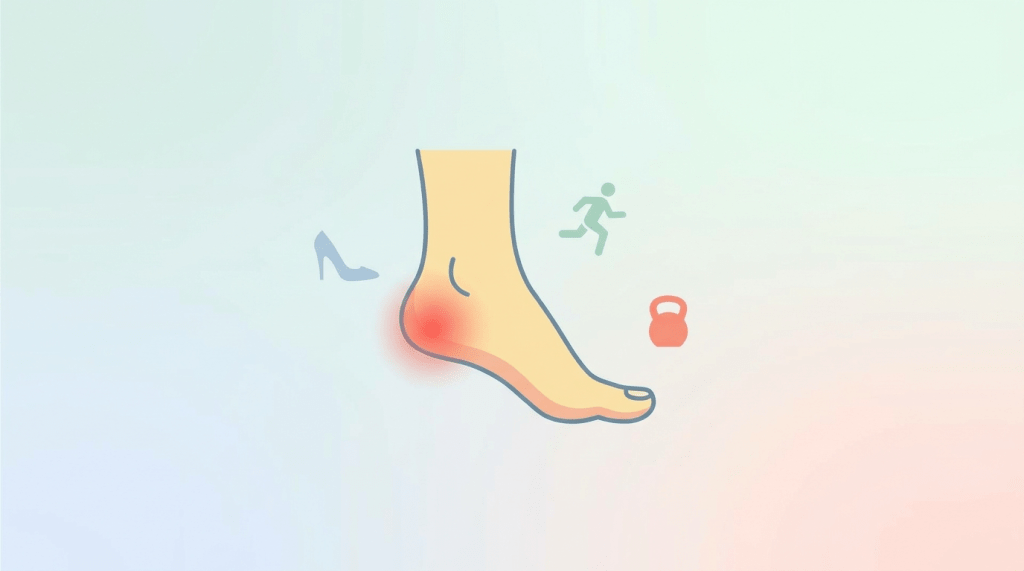
Plantar fasciitis is caused by repeated strain and tiny tears in the plantar fascia, the thick band of tissue running along the bottom of your foot from heel to toes. When this tissue is overloaded, it becomes irritated and inflamed, producing the classic stabbing heel pain that’s worst with your first steps in the morning. The good news: it’s very common, and most cases settle with simple at-home care once you understand what’s driving the strain.
What the Plantar Fascia Does
The plantar fascia acts like a shock-absorbing bowstring, supporting the arch of your foot and cushioning each step. Activities, body mechanics, or footwear that overstretch or overload it lead to microtears and inflammation, which is plantar fasciitis.
Common Causes and Risk Factors
- Tight calf muscles and Achilles tendon: Limited ankle flexibility increases the strain on the plantar fascia as you walk or run.
- Foot mechanics: Flat feet, high arches, or an abnormal walking pattern distribute weight unevenly and stress the fascia.
- Footwear choices: Worn-out, flat, or unsupportive shoes (and going barefoot on hard floors) remove the cushioning and arch support the fascia needs.
- Sudden increases in activity: Ramping up running, walking, or standing too quickly overloads the tissue before it adapts.
- Prolonged standing: Jobs that keep you on hard surfaces all day are a frequent trigger.
- Extra body weight: More load on the arch increases the strain with every step.
- Age: It’s most common in adults between roughly 40 and 60.
What It Feels Like
The hallmark symptom is a sharp or stabbing pain in the bottom of the heel, typically worst with the first steps in the morning or after sitting, then easing as you move and sometimes flaring again after long activity. The pain usually builds gradually rather than appearing suddenly.
Home Care and Helpful Products
- Supportive insoles: Cushioned, arch-supporting insoles offload the fascia and are one of the most effective home measures. Browse plantar fasciitis insoles on Amazon
- Calf and foot stretches: Daily calf stretches and rolling the arch over a bottle or ball relieve tension on the fascia.
- Supportive shoes: Wear cushioned shoes with good arch support and avoid going barefoot on hard floors.
- Night splints: A night splint keeps the fascia gently stretched while you sleep, easing that painful first morning step. Find night splints on Amazon
- Rest and ice: Cut back on aggravating activity and ice the heel after activity to calm inflammation.
Shop Jaws Podiatry on Amazon
Podiatrist-formulated foot-care products for fungus, calluses, and cracked heels.
Visit the Jaws Podiatry Store →As an Amazon Associate we earn from qualifying purchases.
How to Prevent It
- Stretch your calves and feet regularly, especially before activity.
- Replace worn shoes and choose supportive footwear for standing and exercise.
- Increase running or walking mileage gradually.
- Maintain a healthy body weight to reduce load on the arch.
When to See a Podiatrist
- Heel pain that persists beyond a few weeks of home care.
- Pain severe enough to limp or change how you walk.
- Numbness, tingling, swelling, or signs of infection.
- You have diabetes, neuropathy, or circulation problems, which warrant earlier evaluation.
A podiatrist can confirm the diagnosis and offer custom orthotics, physical therapy, or other treatments if conservative care isn’t enough.
Key Takeaways
- Plantar fasciitis results from overload and microtears in the arch’s support band.
- Tight calves, poor footwear, overuse, and prolonged standing are leading causes.
- The classic sign is stabbing heel pain with the first steps in the morning.
- Supportive insoles, stretching, good shoes, and night splints help most cases.
- See a podiatrist for pain that persists or if you have diabetes or neuropathy.
Frequently Asked Questions
How long does plantar fasciitis take to heal?
With consistent home care, many people improve within several weeks to a few months. Stubborn cases can take longer and may benefit from professional treatment.
Why is the pain worst in the morning?
Overnight the fascia tightens, so the first steps suddenly stretch the irritated tissue, causing a sharp pain that eases as you warm up and the tissue loosens.
Can the wrong shoes cause plantar fasciitis?
Yes. Flat, worn, or unsupportive shoes, and walking barefoot on hard surfaces, remove arch support and are a very common contributor.
Do insoles really help plantar fasciitis?
For many people, yes. Cushioned, arch-supporting insoles reduce strain on the fascia and are among the most effective and accessible home remedies.
Shop Jaws Podiatry on Amazon
Podiatrist-formulated foot-care products for fungus, calluses, and cracked heels.
Visit the Jaws Podiatry Store →As an Amazon Associate we earn from qualifying purchases.


Leave a Reply