Shop Jaws Podiatry on Amazon
Podiatrist-formulated foot-care products for fungus, calluses, and cracked heels.
Visit the Jaws Podiatry Store →As an Amazon Associate we earn from qualifying purchases.
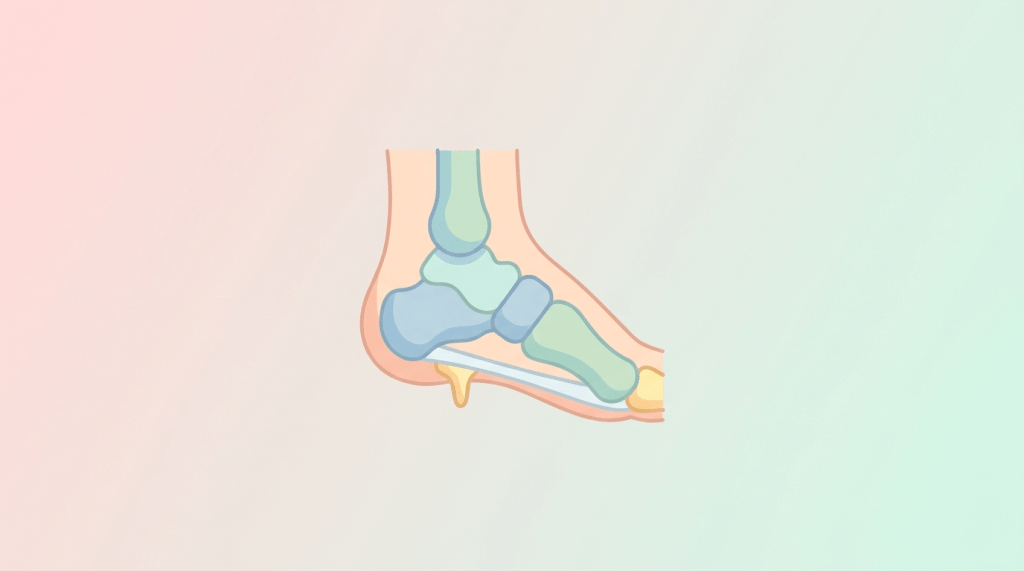
Heel spurs are bony growths that develop on the underside of your heel bone (calcaneus), often where the plantar fascia ligament attaches. While the term “heel spur” might sound intimidating, these calcium deposits are typically a body’s response to chronic stress and inflammation in the heel region, rather than the primary cause of pain themselves. Understanding what causes heel spurs is the first step toward effective management and relief.
What Causes Heel Spurs?
Heel spurs are fundamentally caused by long-term strain and repeated stress on the muscles and ligaments of the foot, particularly the plantar fascia. This fibrous band of tissue runs along the bottom of your foot, connecting your heel bone to your toes. When this tissue is repeatedly stretched or torn, the body attempts to repair it by laying down calcium, which can eventually form a bony protrusion.
Here’s a closer look at the key factors that contribute to the development of heel spurs:
- Plantar Fasciitis: This is by far the most common underlying condition associated with heel spurs. Plantar fasciitis is an inflammation of the plantar fascia, often caused by repetitive stress. The constant pulling and tearing of the fascia from its attachment point on the heel bone can lead to the body depositing calcium in that area, forming a spur. While the spur itself may not always be painful, the inflammation of the plantar fascia almost certainly is.
- Biomechanical Factors:
- Flat Feet (Pes Planus): People with flat feet often have an overpronated gait, meaning their feet roll inward excessively. This can put increased tension on the plantar fascia.
- High Arches (Pes Cavus): Conversely, very high arches can also increase strain on the plantar fascia due to reduced shock absorption and altered weight distribution.
- Abnormal Gait: An unusual walking pattern, whether inherited or developed due to other foot issues, can place undue stress on the heel bone and surrounding tissues.
- Inadequate Footwear: Wearing shoes that lack proper support, cushioning, or arch support can significantly contribute to heel spur development. High heels, flip-flops, or worn-out athletic shoes offer little protection against the impact and strain of daily activities.
- Physical Activity:
- High-Impact Sports: Activities like running, jumping, and dancing can place significant stress on the heel, especially on hard surfaces.
- Prolonged Standing: Occupations that require long hours of standing or walking on hard surfaces can also lead to chronic strain on the plantar fascia.
- Excess Body Weight: Being overweight or obese puts additional stress on the feet, including the plantar fascia and heel bone. This increased load can accelerate wear and tear, leading to inflammation and spur formation.
- Age: As we age, the fatty pad that cushions the heel thins, and the plantar fascia can lose some of its elasticity. This makes the heel more susceptible to stress and injury.
- Tight Calf Muscles or Achilles Tendon: Tightness in the calf muscles or the Achilles tendon can limit ankle flexibility and alter foot mechanics, placing extra strain on the plantar fascia.
Understanding what causes heel spurs highlights the importance of addressing the underlying issues of stress and inflammation in the foot rather than just focusing on the bony growth itself.
Symptoms: What to Look For
Many people have heel spurs without experiencing any pain. In these cases, the spur is often an incidental finding on an X-ray. However, when symptoms do occur, they are typically associated with the inflammation of the soft tissues around the spur, most commonly plantar fasciitis.
Look out for these common signs:
- Heel Pain: The most prominent symptom is a sharp, stabbing pain in the heel, particularly with the first steps in the morning or after a period of rest. The pain may lessen as you walk and the tissue warms up, but it can return or worsen after prolonged activity or standing.
- Pain Worsening with Activity: Activities like running, jumping, or even just walking for extended periods can exacerbate the pain.
- Tenderness: The area directly beneath the heel, especially towards the front of the heel bone, may be tender to the touch.
- Dull Ache: After prolonged activity or at the end of the day, the sharp pain might turn into a dull, persistent ache.
- No Visible Lump: While a heel spur is a bony growth, it’s usually not visible from the outside, nor can it typically be felt as a distinct lump under the skin. The pain is internal.
Shop Jaws Podiatry on Amazon
Podiatrist-formulated foot-care products for fungus, calluses, and cracked heels.
Visit the Jaws Podiatry Store →As an Amazon Associate we earn from qualifying purchases.
Home Care & Relevant Products
Managing heel spur pain often begins with conservative home care strategies aimed at reducing inflammation and supporting the foot. Consistency is key for effective relief.
- Rest: Reduce or temporarily stop activities that aggravate your heel pain, especially high-impact sports or prolonged standing.
- Ice Therapy: Apply an ice pack to the affected heel for 15-20 minutes several times a day to help reduce inflammation and pain. A frozen water bottle can also be rolled under the foot for a combined ice and massage effect. You can find various reusable ice packs and wraps designed for feet online here.
- Stretching Exercises: Regular stretching of the plantar fascia and calf muscles is crucial.
- Plantar Fascia Stretch: Sit down, cross the affected foot over the opposite knee. Grab your toes and pull them back towards your shin until you feel a stretch in the arch of your foot. Hold for 30 seconds, repeat 3 times.
- Calf Stretches: Stand facing a wall, place your hands on the wall. Step one foot back, keeping both heels on the ground. Lean forward until you feel a stretch in your calf. Hold for 30 seconds, repeat 3 times per leg.
- Supportive Footwear: Wear shoes with good arch support, adequate cushioning, and a slightly elevated heel. Avoid flat shoes, flip-flops, and worn-out sneakers. Replace athletic shoes every 6-12 months, or sooner if they show signs of wear.
- Orthotics and Insoles: Over-the-counter arch supports or heel cups can provide cushioning, absorb shock, and help correct biomechanical issues. For customized support, a podiatrist might recommend custom orthotics. Explore a range of supportive insoles and heel cups on Amazon.
- Night Splints: These devices hold the foot in a slightly dorsiflexed position overnight, keeping the plantar fascia and Achilles tendon gently stretched. This can help reduce morning pain. You can find night splints here.
- Over-the-Counter Pain Relievers: Non-steroidal anti-inflammatory drugs (NSAIDs) like ibuprofen or naproxen can help manage pain and inflammation. Always follow dosage instructions and consult your doctor if you have underlying health conditions.
- Foot Massage: Gently massaging the arch and heel with your hands or a specialized foot massager can improve blood flow and relieve tension. Consider a foot massage roller ball for self-massage.
- Addressing Rough Skin and Calluses: While not directly related to the spur itself, persistent foot pain can sometimes alter gait, leading to increased pressure and the development of calluses or cracked heels. Maintaining soft, healthy skin is part of overall foot wellness. For very dry, cracked, or callused heels, a high-quality urea cream can be very effective. The Jaws Podiatry 40% Urea Callus Cream + Stainless Steel File Kit is an excellent option for deeply moisturizing and gently exfoliating rough skin, promoting smoother, healthier heels.
| Common Causes of Heel Spurs | How They Contribute to Spur Formation |
|---|---|
| Plantar Fasciitis | Chronic inflammation and micro-tears at the attachment point of the plantar fascia to the heel bone, leading to calcium deposits. |
| Biomechanical Issues (Flat Feet, High Arches, Abnormal Gait) | Altered foot mechanics increase tension and stress on the plantar fascia and surrounding tissues during walking and standing. |
| Inadequate Footwear | Lack of cushioning, arch support, or stability in shoes leads to increased impact and strain on the heel. |
| High-Impact Activities / Prolonged Standing | Repetitive stress and shock to the heel bone and plantar fascia, especially on hard surfaces, causing micro-trauma. |
| Excess Body Weight | Increased load on the feet exacerbates strain on the plantar fascia and heel, leading to greater stress and inflammation. |
| Aging | Thinning of the heel’s protective fat pad and decreased elasticity of foot tissues make the heel more vulnerable to stress. |
Prevention
Preventing heel spurs largely involves minimizing the chronic stress and inflammation that contribute to their formation. Here are practical steps you can take:
- Wear Supportive Footwear: Always choose shoes with good arch support, adequate cushioning, and a firm heel counter. Avoid walking barefoot on hard surfaces, especially if you have flat feet or high arches.
- Maintain a Healthy Weight: Reducing excess body weight can significantly decrease the load and stress on your feet.
- Stretch Regularly: Incorporate daily stretches for your plantar fascia and calf muscles, especially before and after physical activity.
- Gradually Increase Activity: If you’re starting a new exercise regimen or increasing your activity level, do so gradually to allow your feet to adapt.
- Listen to Your Body: Pay attention to early signs of foot pain or discomfort. Don’t push through pain; address it promptly with rest and conservative care.
- Use Orthotics or Insoles: If you have biomechanical issues or spend a lot of time on your feet, supportive insoles can provide extra cushioning and correct alignment.
- Replace Worn-Out Shoes: Athletic shoes lose their cushioning and support over time. Replace them regularly, typically every 300-500 miles or every 6-12 months, depending on use.
When to See a Podiatrist
While many cases of heel spur pain can be managed with home care, there are times when professional medical attention is necessary. Consult a podiatrist if:
- Your heel pain is severe or debilitating, preventing you from performing daily activities.
- Your pain persists or worsens despite consistent home treatment for several weeks.
- You experience numbness, tingling, or weakness in your foot.
- You notice signs of infection, such as redness, warmth, significant swelling, or fever.
- You have underlying health conditions like diabetes, peripheral neuropathy, or poor circulation. These conditions can complicate foot injuries and require specialized care to prevent serious complications.
Safety Note: If you have diabetes, neuropathy, or poor circulation, always consult a podiatrist before attempting any DIY foot care, especially before using sharp tools or abrasive products, as these could lead to injuries or infections.
Key Takeaways
- Heel spurs are bony growths on the heel bone, primarily caused by chronic strain on the plantar fascia and surrounding tissues.
- The pain associated with heel spurs is typically due to inflammation of the soft tissues (like plantar fasciitis), not the spur itself.
- Common causes include plantar fasciitis, biomechanical issues, inadequate footwear, high-impact activities, excess weight, and aging.
- Home care strategies like rest, ice, stretching, and supportive footwear are often effective in managing symptoms.
- Consult a podiatrist if pain is severe, persistent, or if you have underlying health conditions that affect foot health.
Related Guides
Frequently Asked Questions
Can heel spurs go away on their own?
The bony growth of a heel spur is a permanent calcium deposit and typically does not “go away” on its own. However, the pain associated with a heel spur often resolves with conservative treatments because the treatments address the underlying inflammation and stress on the plantar fascia, not necessarily the spur itself. In many cases, the spur may remain, but the pain symptoms disappear.
 HealthyStridesHQ
Leave a comment