Shop Jaws Podiatry on Amazon
Podiatrist-formulated foot-care products for fungus, calluses, and cracked heels.
Visit the Jaws Podiatry Store →As an Amazon Associate we earn from qualifying purchases.
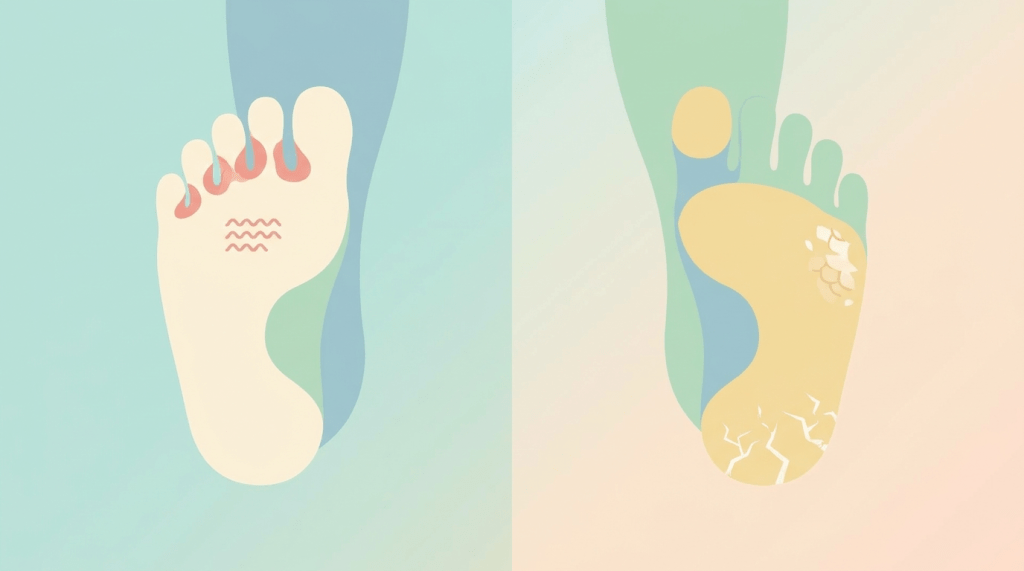
Distinguishing between the symptoms of athlete’s foot vs dry skin on your feet can be tricky, as both can present with flaking and discomfort. The key difference lies in their cause: athlete’s foot is a contagious fungal infection, while dry skin is simply a lack of moisture. Understanding these distinctions is crucial for effective treatment and relief.
Understanding the Causes: Athlete’s Foot vs. Dry Skin
Before diving into symptoms, it’s helpful to understand what causes each condition. This foundational knowledge helps explain why their symptoms manifest differently and require distinct approaches to care.
What Causes Athlete’s Foot?
Athlete’s foot, medically known as tinea pedis, is a common fungal infection caused by dermatophytes, a type of fungus that thrives in warm, moist environments. These fungi are highly contagious and can be picked up in:
- Public showers, locker rooms, and swimming pools.
- Shared towels, shoes, or socks.
- Tight, non-breathable footwear that traps sweat.
- Feet that remain wet or damp for extended periods.
Once the fungus takes hold, it can spread between the toes, to the soles, sides of the feet, and even to the toenails (onychomycosis) or other parts of the body if not treated.
What Causes Dry Skin on the Feet?
Dry skin, or xerosis, on the feet is a common condition resulting from a lack of moisture in the skin’s outermost layer. Unlike athlete’s foot, it is not contagious. Several factors can contribute to dry skin:
- Environmental Factors: Cold weather, low humidity, and dry indoor air can strip the skin of its natural oils.
- Harsh Soaps: Cleansers with strong detergents can remove the skin’s protective lipid barrier.
- Frequent Hot Showers: Hot water can dehydrate the skin.
- Aging: As we age, our skin naturally produces less oil and becomes thinner.
- Medical Conditions: Certain conditions like eczema, psoriasis, diabetes, or thyroid disorders can contribute to chronic dry skin.
- Lack of Hydration: Not drinking enough water can affect overall skin hydration.
- Friction: Repeated rubbing from ill-fitting shoes can also exacerbate dryness and calluses.
Symptoms: What to Look For
This is where the rubber meets the road. While both conditions can cause flaking, paying close attention to other accompanying symptoms will help you determine whether you’re dealing with a fungal intruder or just thirsty skin.
Symptoms of Athlete’s Foot
Athlete’s foot often presents with a distinctive set of symptoms:
- Intense Itching, Burning, or Stinging: This is a hallmark symptom, often worst immediately after removing socks and shoes.
- Redness: The affected skin typically appears red and inflamed.
- Scaling and Flaking: Skin may peel or flake, often in circular patterns or between the toes.
- Blisters: Small, fluid-filled blisters (vesicles) are common, especially between the toes or on the soles. These can sometimes burst, leaving raw areas.
- Cracking and Peeling: The skin, particularly between the toes or on the heels, may crack and peel, sometimes leading to painful fissures.
- Unpleasant Odor: A distinct, sometimes cheesy, odor can be present due to the fungal growth and associated bacteria.
- Location: Often starts between the fourth and fifth toes, but can spread to other toes, the soles, and sides of the feet. It can affect one or both feet.
- Appearance: Can manifest in different forms, from moist, macerated skin between toes to dry, scaly patches on the soles (moccasin type).
Symptoms of Dry Skin on the Feet
Dry skin symptoms tend to be less aggressive and more generalized:
- Mild Itching: You might experience some itchiness, but it’s usually not as intense or burning as with athlete’s foot.
- Rough, Dull Appearance: The skin looks parched and lacks its natural luster.
- Tightness: A feeling of tightness, especially after showering or bathing.
- Fine Lines or Small Cracks: Superficial cracks may appear, particularly on the heels (fissures), which can become painful if deep.
- White, Powdery Flakes: The skin may shed small, white, powdery flakes, rather than larger, often moist, peeling sections.
- No Blisters: Dry skin does not typically cause blisters.
- No Strong Odor: There’s no distinct fungal odor associated with dry skin itself.
- Location: Commonly affects the soles, heels, and sides of the feet. It usually appears symmetrically on both feet.
To help you quickly differentiate, here’s a comparative table:
| Symptom | Athlete’s Foot (Fungal Infection) | Dry Skin (Xerosis) |
|---|---|---|
| Itching/Discomfort | Often intense, burning, stinging; worse after shoes/socks removed. | Mild to moderate itching, feeling of tightness. |
| Redness | Common, often inflamed and noticeable. | Less common, skin might look dull or slightly irritated. |
| Scaling/Flaking | Peeling, often in patches, sometimes moist or macerated. | Fine, powdery flakes, rough texture. |
| Blisters | Small, fluid-filled blisters (vesicles) are common. | Rare or absent. |
| Cracking/Fissures | Common, especially between toes, can be painful. | Common on heels, can be painful if deep. |
| Odor | Often an unpleasant, distinct odor. | No specific odor related to dryness. |
| Location | Often starts between toes, can spread to soles, sides, nails; may affect one or both feet. | Typically soles, heels, sides of feet; usually symmetrical on both feet. |
Shop Jaws Podiatry on Amazon
Podiatrist-formulated foot-care products for fungus, calluses, and cracked heels.
Visit the Jaws Podiatry Store →As an Amazon Associate we earn from qualifying purchases.
Home Care and Relevant Products
Once you have a better idea of whether you’re dealing with athlete’s foot or dry skin, you can select the most appropriate home care strategies and products.
Home Care for Athlete’s Foot
If you suspect athlete’s foot, the goal is to eliminate the fungal infection:
- Antifungal Topicals: Over-the-counter (OTC) antifungal creams, sprays, or powders containing ingredients like clotrimazole, miconazole, terbinafine, or tolnaftate are usually effective for mild to moderate cases. Apply twice daily for at least 2-4 weeks, even if symptoms improve sooner, to prevent recurrence. You can find a range of effective antifungal creams and sprays at most pharmacies or online retailers here.
- Keep Feet Dry: Thoroughly dry your feet after washing, especially between the toes.
- Change Socks Regularly: Wear clean, moisture-wicking socks and change them often, especially if your feet sweat.
- Breathable Footwear: Opt for shoes made of breathable materials like leather or canvas, and alternate pairs to allow them to dry out completely.
- Treat Toenails if Affected: If the infection has spread to your toenails, they may appear discolored, thickened, or brittle. For early signs of nail fungus, products containing undecylenic acid and tea tree oil can be beneficial. Consider the Jaws Podiatry Undecylenic Acid + Tea Tree Oil Nail Enhancer, available here.
Home Care for Dry Skin on the Feet
For dry skin, the focus is on restoring moisture and maintaining the skin’s barrier:
- Moisturize Regularly: Apply a thick, emollient moisturizer to your feet at least once or twice daily, especially after bathing. Look for ingredients like urea, lactic acid, glycerin, or ceramides.
- Exfoliate Gently: For very thick, dry skin or calluses, gentle exfoliation can help. Products containing 40% urea are excellent for softening tough skin and calluses. The Jaws Podiatry 40% Urea Callus Cream with a Stainless-Steel File Kit is a comprehensive solution for intensely dry and cracked heels, available here. For general exfoliation, a pumice stone or an electric callus remover can be used carefully here.
- Hydrating Socks: Wearing cotton socks after applying moisturizer can help lock in moisture overnight.
- Avoid Hot Water: Use lukewarm water for bathing and showering.
- Stay Hydrated: Drink plenty of water throughout the day.
- Gentle Cleansers: Use mild, fragrance-free soaps or body washes that don’t strip natural oils.
Important Safety Note: Individuals with diabetes, neuropathy, or poor circulation should always consult a podiatrist before attempting any DIY foot care, especially when using sharp tools like files or abrasive implements, to avoid injury and potential complications.
Prevention Strategies
Preventing both athlete’s foot and dry skin involves consistent foot care habits.
Preventing Athlete’s Foot
- Keep Feet Clean and Dry: Wash your feet daily with soap and water, and dry them thoroughly, especially between the toes.
- Wear Breathable Footwear: Choose shoes made of materials that allow air circulation, and alternate pairs to let them dry out.
- Moisture-Wicking Socks: Opt for socks made from synthetic fibers or wool that draw moisture away from the skin. Change them daily, or more often if your feet sweat excessively. You can find a variety of moisture-wicking socks here.
- Protect Your Feet in Public: Wear sandals or flip-flops in public showers, locker rooms, and around swimming pools.
- Don’t Share: Avoid sharing towels, shoes, or socks with others.
- Use Antifungal Powder: If you’re prone to athlete’s foot, consider dusting your feet and the insides of your shoes with an antifungal powder.
Preventing Dry Skin on the Feet
- Moisturize Daily: Make daily moisturizing a habit, especially after bathing when your skin is still slightly damp.
- Hydrate from Within: Ensure adequate water intake throughout the day.
- Use a Humidifier: In dry climates or during winter months, a humidifier can add moisture to indoor air.
- Avoid Harsh Soaps: Use gentle, moisturizing cleansers for your feet.
- Wear Protective Footwear: Choose well-fitting shoes and socks that don’t rub or cause excessive friction, which can exacerbate dryness. Consider cushioned insoles for added comfort and support here.
When to See a Podiatrist
While many cases of athlete’s foot and dry skin can be managed at home, certain signs indicate it’s time to seek professional help from a podiatrist. Don’t hesitate to make an appointment if you experience any of the following:
- Your symptoms do not improve after 2-4 weeks of consistent home treatment.
- The infection or dryness worsens, despite your best efforts.
- You develop severe pain, swelling, redness, or warmth in the affected area, which could indicate a secondary
Related Guides


Leave a Reply