Shop Jaws Podiatry on Amazon
Podiatrist-formulated foot-care products for fungus, calluses, and cracked heels.
Visit the Jaws Podiatry Store →As an Amazon Associate we earn from qualifying purchases.
Navigating the discomfort and appearance of bunions can lead many to seek solutions, and bunion correctors are a common consideration. So, are bunion correctors actually effective? The direct answer is that while bunion correctors can be highly effective at providing temporary relief from pain, reducing friction, and slowing the progression of the deformity, they generally cannot permanently “correct” or reverse an established bunion deformity.
At HealthyStridesHQ, we believe in providing clear, podiatrist-informed guidance. Bunion correctors are best understood as supportive tools for managing symptoms and preventing the worsening of a bunion, rather than a definitive cure. Their effectiveness lies in consistent use and understanding their role within a broader foot care strategy.
Understanding Bunions: Causes and What to Look For
A bunion, medically known as a hallux valgus, is a bony bump that forms on the joint at the base of your big toe. It occurs when the big toe pushes against the next toe, forcing the joint to stick out. This can be a painful and progressive deformity.
Causes of Bunions
- Genetics: Many people inherit a foot type that is prone to developing bunions. It’s not the bunion itself that’s inherited, but certain structural foot mechanics that make them more likely.
- Footwear: Wearing tight, narrow, or high-heeled shoes can exacerbate existing bunions or contribute to their development. These shoes often compress the toes, forcing them into an unnatural position.
- Foot Structure: Certain foot types, such as flat feet, low arches, or unstable joints, can increase susceptibility to bunions.
- Arthritis: Inflammatory conditions like rheumatoid arthritis can contribute to bunion formation and progression.
- Foot Injuries: Trauma or injuries to the foot can sometimes lead to bunions.
Symptoms and What to Look For
Recognizing the signs of a bunion early can help in managing the condition effectively. Look for these common symptoms:
- A Bony Bump: The most obvious sign is a noticeable bump on the outside of the base of your big toe.
- Pain: Intermittent or persistent pain at the site of the bunion, especially when wearing shoes or walking.
- Redness and Swelling: Inflammation around the big toe joint, often accompanied by warmth to the touch.
- Calluses or Corns: These can develop where the first and second toes rub against each other, or on the bottom of the foot due to altered weight distribution. For persistent calluses, a high-quality urea cream and file kit can be helpful. We recommend the Jaws Podiatry 40% Urea Callus Cream + Stainless-Steel File Kit for smoothing rough skin.
- Restricted Movement: Difficulty bending your big toe.
- Toe Overlapping: In more severe cases, the big toe may overlap or underlap the second toe.
Home Care and Relevant Products for Bunion Management
While bunion correctors are not a permanent solution, they are a cornerstone of conservative management. Along with appropriate footwear and lifestyle adjustments, they can significantly improve comfort and slow progression. Here’s a breakdown of home care strategies and products:
1. Bunion Correctors: Understanding Their Role
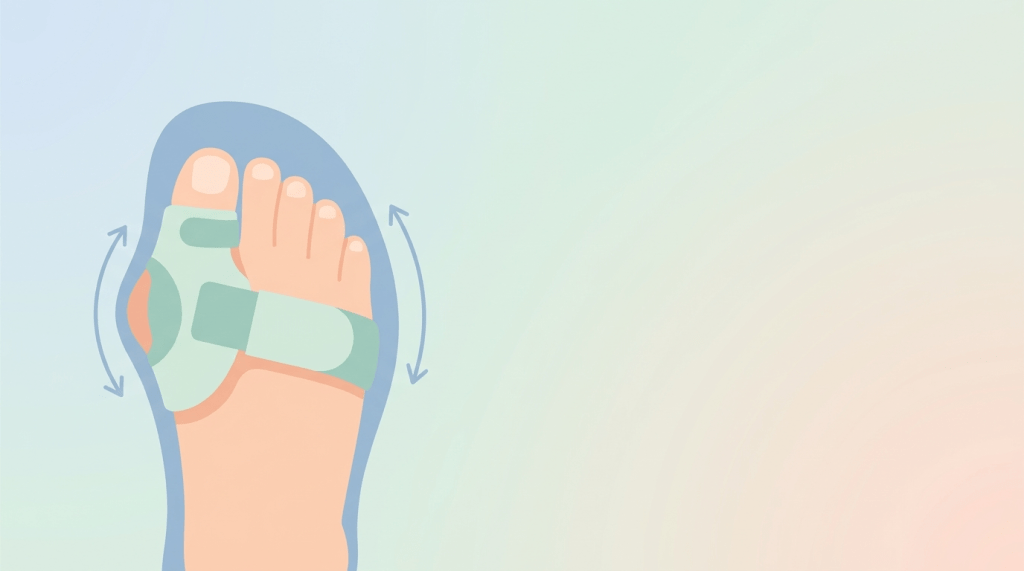
When asking, “are bunion correctors actually effective?”, it’s crucial to understand their purpose. They work by gently realigning the big toe, reducing pressure, and alleviating pain. They come in various forms:
- Toe Spacers/Separators: These small, soft devices fit between the big toe and the second toe to help keep them separated and aligned. They reduce friction and can be worn inside shoes. Silicone toe spacers are a popular choice for daily wear.
- Bunion Splints (Daytime and Nighttime):
- Night Splints: Worn while sleeping, these rigid or semi-rigid devices hold the big toe in a straighter position. They aim to stretch tight tissues and maintain alignment, potentially slowing progression.
- Daytime Splints/Sleeves: Lighter, more flexible options designed to be worn inside shoes. They often have a gel pad to protect the bunion from friction and provide mild support. Consider a bunion sleeve with gel pad for comfortable daily wear.
- Toe Straighteners/Exercisers: These devices are used to perform exercises that strengthen the muscles around the big toe, which can help improve alignment and flexibility.
- Bunion Pads: Soft, cushioned pads that adhere to the bunion itself, protecting it from shoe friction and pressure. These are excellent for immediate pain relief. Adhesive bunion pads can be very helpful for specific areas of irritation.
Effectiveness Note: Consistent use of bunion correctors, especially toe spacers and night splints, can provide significant pain relief and may help prevent the bunion from worsening rapidly. However, they cannot reverse the bony deformity once it has formed.
2. Footwear Choices
Perhaps the most critical home care step is selecting appropriate footwear. Avoid shoes with narrow toe boxes, high heels, or pointed toes. Opt for:
- Wide Toe Box: Shoes that allow your toes to spread naturally.
- Low Heels: Flat or low-heeled shoes reduce pressure on the forefoot.
- Supportive Soles: Shoes with good arch support and cushioning can help distribute pressure evenly across your foot.
Look for brands known for comfort and foot health. You can find a range of suitable options through comfortable walking shoes.
3. Pain and Inflammation Management
- Icing: Applying an ice pack to the bunion for 15-20 minutes several times a day can reduce pain and swelling, especially after activity. A reusable gel ice pack is a good addition to your first-aid kit.
- Over-the-Counter Pain Relievers: Non-steroidal anti-inflammatory drugs (NSAIDs) like ibuprofen can help manage pain and inflammation. Always follow dosage instructions.
- Epsom Salt Soaks: Soaking your feet in warm water with Epsom salts can provide soothing relief for sore feet.
4. Stretching and Exercises
Gentle exercises can help maintain flexibility and strengthen the muscles around your big toe:
- Toe Spreads: Spread your toes apart as wide as you can, hold for a few seconds, then relax. Repeat 10-15 times.
- Toe Curls: Curl your toes as if you’re trying to pick up a marble, hold, then release.
- Big Toe Stretch: Gently pull your big toe away from your second toe and then towards your other toes, holding each stretch for 15-30 seconds.
5. Custom Orthotics
A podiatrist may recommend custom orthotics to help correct biomechanical issues that contribute to bunion formation. These can provide crucial support and cushioning, redistributing pressure away from the bunion.
Safety Note: If you have diabetes, neuropathy, or poor circulation, it’s crucial to consult a podiatrist before attempting any new foot care regimen, especially if it involves abrasive tools or strong topical creams, to prevent complications.
Shop Jaws Podiatry on Amazon
Podiatrist-formulated foot-care products for fungus, calluses, and cracked heels.
Visit the Jaws Podiatry Store →As an Amazon Associate we earn from qualifying purchases.
Comparison of Bunion Corrector Types
| Corrector Type | Primary Use | Benefits | Limitations |
|---|---|---|---|
| Toe Spacers/Separators | Daily wear, inside shoes, reducing friction. | Pain relief, friction reduction, mild alignment support. | Cannot correct bone deformity; may shift in shoes. |
| Night Splints | Overnight use, non-weight bearing. | Stretches soft tissues, maintains alignment, may slow progression. | Cannot wear with shoes; not a permanent correction. |
| Daytime Bunion Sleeves | Daily wear, inside shoes. | Protects bunion from friction, mild compression, comfort. | Minimal corrective action; mainly for symptom relief. |
| Bunion Pads | Spot protection, immediate relief. | Prevents rubbing and blistering, reduces direct pressure. | No corrective action; temporary solution for friction. |
Prevention of Bunions
While some factors like genetics are beyond our control, several preventive measures can help reduce your risk of developing bunions or slow their progression:
- Choose Proper Footwear: This is paramount. Select shoes with a wide, deep toe box that allows your toes to move freely. Avoid high heels and shoes with pointed toes as much as possible.
- Maintain a Healthy Weight: Excess body weight puts additional stress on your feet, which can contribute to foot deformities.
- Regular Foot Stretches and Exercises: Keep the muscles and tendons in your feet flexible and strong. Simple toe stretches and curls can be beneficial.
- Address Foot Issues Early: If you notice early signs of a bunion or have persistent foot pain, consult a podiatrist. Early intervention can make a significant difference.
- Consider Orthotics: If you have flat feet or other biomechanical issues, over-the-counter or custom orthotics can help provide proper support and alignment, potentially preventing bunion formation. You can explore a variety of orthotic insoles to find what works for you.
When to See a Podiatrist
While home care can be effective for managing bunion symptoms, there are times when professional medical advice is essential. Consult a podiatrist if you experience any of the following:
- Persistent or Worsening Pain: If your bunion pain doesn’t improve with home treatment or significantly interferes with your daily activities.
- Inflammation or Redness: If the area around your bunion becomes increasingly red, swollen, or warm, which could indicate infection or bursitis.
- Difficulty Walking: If the bunion makes it hard to walk or wear regular shoes.
- Changes in Foot Structure: If your big toe increasingly overlaps or underlaps other toes, or if other toes start to develop deformities like hammertoes.
- Numbness or Tingling: Any nerve symptoms in your toes or foot.
- Diabetes or Poor Circulation: If you have these conditions, any foot problem, including bunions, warrants prompt professional attention to prevent serious complications.
A podiatrist can accurately diagnose the severity of your bunion, recommend the most appropriate conservative treatments, and discuss surgical options if necessary. They can also advise on specific foot massagers or other tools that might aid in symptom relief.
Key Takeaways
- Bunion correctors offer symptomatic relief and can slow progression, but do not permanently reverse the deformity. Their effectiveness lies in consistent use as part of a comprehensive management plan.
- Proper footwear is crucial for managing bunions and preventing their worsening. Opt for wide, comfortable shoes with low heels.
- Home care strategies include toe spacers, night splints, bunion pads, icing, pain relievers, and targeted exercises.
- Early intervention and preventive measures like appropriate footwear and addressing foot mechanics can help manage bunions effectively.
- Consult a podiatrist for persistent pain, worsening symptoms, or if you have underlying health conditions like diabetes.
Related Guides
Related Guides
Frequently Asked Questions
Can bunion correctors permanently fix a bunion?
No, bunion correctors generally cannot permanently fix or reverse an established bony bunion deformity. They are designed to provide temporary relief from pain, reduce friction, improve toe alignment, and potentially slow the progression of the bunion. For a permanent “fix,” surgical correction is typically required.
How long do I need to wear a bunion corrector to see results?
The time to see results can vary. For immediate relief from pain and friction, bunion pads or toe spacers can work almost instantly. For improvements in alignment or reduction in progression, consistent use over several weeks to months is often necessary. Night splints, for instance, are designed for long-term, nightly use. Always follow the specific product instructions and consult with a podiatrist for personalized advice.
Are there different types of bunion correctors, and which one is best?
Yes, there are several types, including toe spacers/separators, bunion sleeves, night splints, and bunion pads. The “best” type depends on your specific needs and the severity of your bunion. Toe spacers are great for daily wear inside shoes to reduce friction


Leave a Reply