Shop Jaws Podiatry on Amazon
Podiatrist-formulated foot-care products for fungus, calluses, and cracked heels.
Visit the Jaws Podiatry Store →As an Amazon Associate we earn from qualifying purchases.
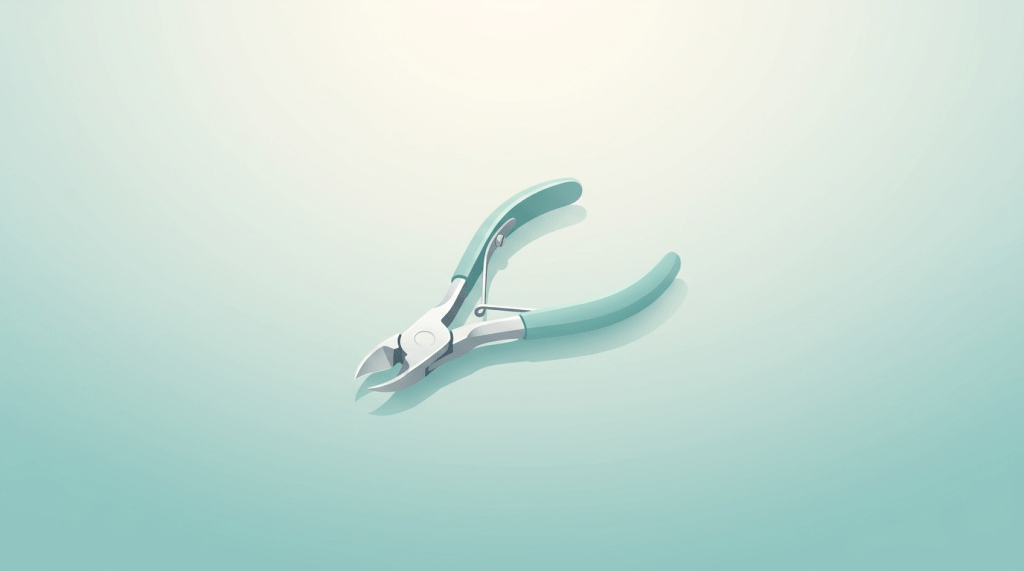
Finding the best toenail clippers for ingrown nails requires tools designed for precision, strength, and safety. The ideal clippers feature sharp, often straight or slightly curved blades, a narrow tip to access tight spaces, and a comfortable, non-slip grip, allowing you to make clean, accurate cuts without further irritating the nail or surrounding skin.
What to Look For in Clippers for Ingrown Nails
- Sharpness and Blade Material: Look for clippers made from high-quality stainless steel, which ensures durability, rust resistance, and, most importantly, a consistently sharp edge. A dull blade can tear or crush the nail, exacerbating the problem.
- Blade Design:
- Straight Edge: Essential for preventing future ingrown nails, as it encourages the nail to grow straight out rather than curving into the skin.
- Slightly Curved/Concave: Some specialized ingrown nail clippers feature a very slight curve or concave shape designed to hug the natural curve of the nail while still allowing for a straight-across cut at the corners.
- Pointed/Narrow Tip: A fine, pointed tip allows you to carefully reach into the sides of the nail without digging or causing further trauma to the sensitive skin.
- Jaw Size and Opening: Clippers with a wider jaw opening can handle thicker, tougher nails more effectively. However, for ingrown nails specifically, the precision of the tip is often more crucial than the overall jaw width.
- Leverage and Handle Design:
- Ergonomic Grip: A comfortable, non-slip handle provides better control, reducing the risk of accidental slips or miscuts.
- Spring Mechanism: Many podiatrist-style clippers feature a double or single spring mechanism, which provides smooth action and reduces hand fatigue, making it easier to achieve precise cuts.
- Long Handles: Longer handles can offer better leverage, especially for individuals with reduced hand strength or limited flexibility.
- Sterilizability: Since you’re dealing with a potentially sensitive area, it’s vital that the clippers can be easily cleaned and sterilized to prevent infection. Stainless steel is ideal for this.
- Safety Features: Some clippers include safety caps or locking mechanisms to protect the blades and prevent accidental injury during storage.
Shop Jaws Podiatry on Amazon
Podiatrist-formulated foot-care products for fungus, calluses, and cracked heels.
Visit the Jaws Podiatry Store →As an Amazon Associate we earn from qualifying purchases.
Top Picks for Ingrown Nail Clippers
The Podiatrist-Style Straight-Edge Clipper
These clippers are often recommended by foot care professionals for their robust design and precise cutting ability. They typically feature strong, straight blades that are ideal for making clean, straight cuts across the toenail, which is crucial for preventing and managing ingrown nails. Their longer handles and spring mechanism provide excellent leverage and control, making them suitable for thick or tough nails.
- Best For: Individuals with thick, tough toenails, recurrent ingrown nails, and those who need maximum control and leverage.
- Pros: Superior sharpness and durability, promotes proper straight-across cutting technique, excellent leverage, professional-grade quality.
- Cons: Can be intimidating for first-time users due to their size and power, requires careful handling to avoid injury.
For a reliable, podiatrist-style straight-edge clipper that offers precision and durability, consider this option: Professional Straight-Edge Toenail Clipper
The Precision Nippers with Fine Tip
Precision nippers, sometimes called surgical nippers, are characterized by their very fine, pointed tips and often a slightly concave blade design that allows them to get under or around the edge of an ingrown nail with extreme accuracy. They are designed for delicate work, enabling users to carefully trim away small, problematic sections of the nail without excessive pressure or damage to surrounding skin.
- Best For: Trimming small, problematic nail edges, accessing tight corners, and for individuals with sensitive skin around the nail.
- Pros: Exceptional precision, minimizes trauma to the skin, easier to maneuver in delicate areas, good for careful removal of nail spicules.
- Cons: Less effective for very thick nails, requires a steady hand, may not be suitable for general nail trimming due to their specialized tip.
When you need to tackle those tricky, hard-to-reach ingrown edges with pinpoint accuracy, these precision nippers are a great choice: Fine-Tip Ingrown Toenail Nippers
The Ergonomic Angled-Head Clipper
Angled-head clippers feature a blade that is set at an angle to the handle, which can significantly improve visibility and reach, especially for those with flexibility issues or difficulty reaching their feet. This design allows for a more natural hand position while still delivering the necessary cutting power and precision for ingrown nails. They often combine features of straight-edge clippers with an ergonomic advantage.
- Best For: Elderly individuals, those with limited mobility or flexibility, and anyone who struggles with reaching their feet comfortably.
- Pros: Improved visibility and reach, comfortable grip, reduces strain on wrists and hands, often still provides a straight cut.
- Cons: May feel different to use compared to traditional clippers, some models may sacrifice a degree of precision for the angle.
For easier access and a more comfortable cutting experience, especially if flexibility is a concern, an ergonomic angled-head clipper is highly recommended: Angled-Head Ergonomic Toenail Clipper
The Heavy-Duty Wide-Jaw Clipper
While not exclusively for ingrown nails, a heavy-duty clipper with a wide jaw opening is indispensable for those whose ingrown nails are compounded by extreme nail thickness. These clippers are built with extra leverage and robust blades to cut through very hard, fungal, or dystrophic nails that standard clippers cannot handle. They should still aim for a straight cut to avoid worsening ingrown issues.
- Best For: Extremely thick, hard, or fungal toenails that are also prone to ingrown issues.
- Pros: Powerful cutting force, handles the toughest nails, durable construction.
- Cons: Less precise for delicate ingrown nail work, can be bulky, requires careful handling to avoid over-cutting.
If you’re dealing with exceptionally thick nails that make ingrown issues even more challenging, a heavy-duty wide-jaw clipper can provide the necessary power: Heavy-Duty Wide-Jaw Toenail Clipper
| Best Toenail Clippers for Ingrown Nails: Comparison | Best For | Key Feature | Watch-Out |
|---|---|---|---|
| Podiatrist-Style Straight-Edge Clipper | Thick, tough, and recurrent ingrown nails; maximum control | Strong, straight blades, excellent leverage | Can be intimidating; requires careful handling |
| Precision Nippers with Fine Tip | Small, problematic nail edges; tight corners; sensitive areas | Exceptional pinpoint accuracy; fine, pointed tips | Less effective for very thick nails; requires a steady hand |
| Ergonomic Angled-Head Clipper | Limited mobility/flexibility; difficulty reaching feet | Improved visibility and reach; comfortable grip | May feel different to use; some models may lack ultimate precision |
| Heavy-Duty Wide-Jaw Clipper | Extremely thick, hard, or fungal nails with ingrown issues | Powerful cutting force; robust blades | Less precise for delicate work; can be bulky; risk of over-cutting |
How to Use & Care for Your Ingrown Nail Clippers
Proper technique and tool care are paramount when dealing with ingrown toenails to prevent infection and further discomfort.
- Soak Your Feet: Always begin by soaking your feet in warm water for 10-15 minutes. This softens the nails, making them easier and safer to cut, and reduces the risk of splitting or tearing. You can add Epsom salts to the water for added soothing benefits.
- Clean Your Tools: Before and after each use, clean your clippers thoroughly with rubbing alcohol. This is especially important for ingrown nails, where there’s a higher risk of introducing bacteria into a compromised skin area.
- Cut Straight Across: This is the golden rule for preventing ingrown nails. Trim your toenails straight across, avoiding rounding the corners. While it might be tempting to cut into the sides to relieve immediate pain, this often encourages the nail to grow into the skin as it lengthens.
- Don’t Cut Too Short: Leave a small amount of white nail visible at the tip. Cutting nails too short can also lead to ingrown issues as the skin can grow over the nail edge.
- Avoid Digging: Never dig under the nail or try to “scoop out” an ingrown piece of nail with the clippers. This can cause significant trauma, pain, and increase the risk of infection. If you cannot easily and painlessly trim the problematic nail edge, it’s time to see a podiatrist.
- Inspect Your Feet: After trimming, inspect your feet and nails for any signs of redness, swelling, or tenderness.
- Store Properly: Store your clippers in a clean, dry place, ideally with a protective cap on the blades to maintain sharpness and hygiene.
Important Safety Note: Individuals with diabetes, neuropathy (nerve damage), poor circulation, or any condition that compromises wound healing should exercise extreme caution with DIY foot care, especially when using sharp tools. Even a minor cut can lead to serious complications. Always consult a podiatrist before attempting to treat an ingrown toenail yourself if you have these underlying health conditions.
If you notice signs of early nail fungus, which can sometimes accompany ingrown nails or make them more difficult to treat, consider using a specialized topical. Products like Jaws Podiatry’s Undecylenic Acid + Tea Tree Oil Nail Enhancer can help improve nail appearance and health. Jaws Podiatry Nail Enhancer
Key Takeaways
- The best toenail clippers for ingrown nails are sharp, precise, and designed for straight cuts.
- Look for high-quality stainless steel, ergonomic handles, and appropriate blade designs (straight-edge or fine-tipped).
- Always soften nails before cutting and sterilize clippers before and after each use to prevent infection.
- Cut toenails straight across, avoiding rounding the corners or cutting too short, to prevent ingrown nails.
- If you have diabetes, neuropathy, or poor circulation, consult a podiatrist before attempting any DIY ingrown nail care.
Related Guides
Frequently Asked Questions
Can I cut an ingrown nail myself?
You can attempt to trim a mildly ingrown toenail yourself if it’s not severely painful, infected, or causing significant inflammation. The key is to use appropriate, sharp clippers and to cut the nail straight across after soaking your feet. However, if the pain is severe, there’s pus, significant redness, swelling, or you have underlying health conditions like diabetes, it is strongly advised to see a podiatrist. Attempting to dig out an ingrown nail can worsen the condition and lead to serious infection.
What type of cut is best for preventing ingrown toenails?
The best type of cut for preventing ingrown toenails is a straight-across cut. Avoid rounding the corners or tapering the sides of the nail. This method encourages the nail to grow forward naturally, rather than curving into the skin at the edges. Also, ensure you don’t cut the nails too short; leave a small amount of white nail visible at the tip.
How often should I trim my toenails if I’m prone to ingrown nails?
The frequency depends on your individual nail growth rate, but generally, trimming toenails every 6-8 weeks is sufficient for most people. If you’re prone to ingrown nails, you might need to check them more frequently, perhaps every 3-4 weeks, to ensure they don’t grow too long and start pressing into the skin. Always prioritize proper straight-across cutting technique over frequent, incorrect trimming.
When should I see a podiatrist for an ingrown toenail?
You should see a podiatrist if your ingrown toenail is:
- Causing severe pain or discomfort.
- Showing signs of infection (redness, swelling, warmth, pus, foul odor).
- Recurrent despite proper home care.
- Affecting your ability to walk or wear shoes comfortably.
- If you have diabetes, neuropathy, or any condition that compromises circulation or wound healing, you should consult a podiatrist at the first sign of an ingrown toenail.
Can wearing certain shoes cause ingrown toenails?
Yes, ill-fitting footwear is a common cause of ingrown toenails. Shoes that are too tight, too narrow, or have pointed toes can put excessive pressure on the toenails, forcing them to grow into the surrounding skin. High heels can also contribute by pushing the foot forward, increasing pressure on the toes. Opt for shoes with a wide toe box that allow your toes to move freely to help prevent ingrown nails.
 HealthyStridesHQ
Leave a comment