Shop Jaws Podiatry on Amazon
Podiatrist-formulated foot-care products for fungus, calluses, and cracked heels.
Visit the Jaws Podiatry Store →As an Amazon Associate we earn from qualifying purchases.
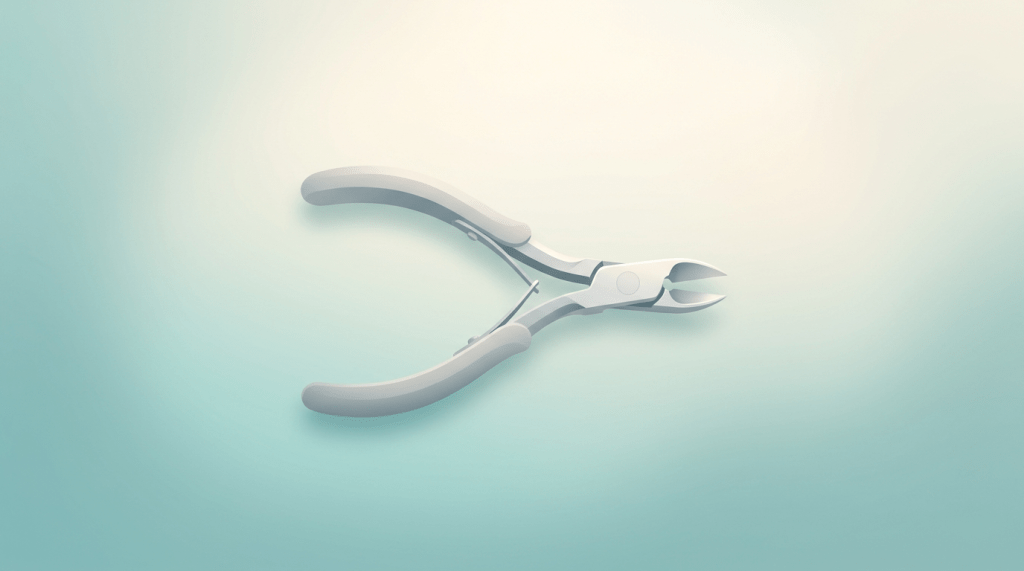
Choosing the right nail nippers is crucial for effective and safe home foot care, especially when dealing with thick, tough, or ingrown toenails. The best nail nippers for podiatry-level care at home offer superior sharpness, leverage, and ergonomic design, making precise trimming easier and minimizing the risk of injury.
What to Look For in Quality Nail Nippers
When selecting nail nippers for your home foot care kit, consider these essential factors to ensure you get a tool that is both effective and safe:
- Material Quality: Opt for nippers made from high-grade stainless steel. This material is durable, resistant to rust and corrosion, and can be easily sterilized, which is vital for hygiene.
- Blade Design:
- Straight Edge Blades: Ideal for cutting straight across the nail, which is the recommended technique to prevent ingrown toenails.
- Slightly Curved or Concave Blades: Can be useful for very thick nails, offering a bit more maneuverability, but should still primarily cut straight.
- Pointed or Fine Tips: Essential for precision work, such as carefully trimming ingrown nails or reaching into tight corners.
- Jaw Size and Opening: Nippers with a wider jaw opening can accommodate thicker nails more easily. The jaw should be strong enough to cut through tough nails without bending or slipping.
- Leverage and Spring Mechanism: Good nippers provide excellent leverage, allowing you to cut with minimal effort. A well-designed spring (single or double) ensures smooth operation and helps return the blades to the open position, reducing hand fatigue.
- Handle Ergonomics and Grip: Look for handles that fit comfortably in your hand, offering a secure, non-slip grip. Textured handles or those with rubberized coatings can improve control, especially if your hands are damp.
- Size and Weight: Consider the overall size and weight. While larger nippers often provide more leverage, they should still feel balanced and maneuverable in your hand.
- Ease of Cleaning and Sterilization: The design should allow for thorough cleaning to prevent bacterial growth. Stainless steel is typically easiest to sterilize using alcohol wipes or professional solutions.
- Safety Features: Some nippers come with a locking mechanism to keep the blades closed when not in use, protecting both the blades and you from accidental cuts.
A Note on Safety: For individuals with diabetes, neuropathy (nerve damage), poor circulation, or any other condition that compromises foot health, it is highly recommended to consult a podiatrist before performing any DIY foot care, especially using sharp tools like nail nippers. Improper use can lead to serious complications. Always prioritize professional medical advice for these conditions.
Top Picks for Home Foot Care Nippers
Navigating the options for quality nail nippers can be overwhelming. Here are our top recommendations, categorized by their primary use and features, to help you find the best nail nippers for podiatry-level care at home.
1. Heavy-Duty Podiatry Nippers
Best For: Extremely thick, tough, or fungal toenails that standard clippers can’t handle. These are designed for maximum leverage and durability.
These nippers are the workhorses of any serious home foot care kit. They typically feature a robust construction, often with a double-spring mechanism for smooth, powerful cutting action, and extra-sharp, straight blades. Their longer handles provide superior leverage, making it easier to cut through even the most challenging nails with less strain on your hands. While powerful, their precision allows for accurate straight cuts, which is crucial for preventing ingrown nails.
- Pros: Unmatched cutting power, durable construction, excellent leverage, ideal for very thick nails.
- Cons: Can be intimidating for first-time users due to their size and strength; requires careful handling.
Our Recommendation: For robust performance and durability, consider a high-quality heavy-duty podiatry nipper designed for tough nails. Find a top-rated heavy-duty podiatry nipper here.
2. Ingrown Toenail Nippers with Fine Tips
Best For: Precisely trimming ingrown toenails, reaching tight spots, or carefully cleaning around the nail edge.
These specialized nippers feature slender, often pointed or slightly curved tips that allow for incredible precision. They are designed to get into the tightest corners of the nail groove without causing damage to the surrounding skin. While they may not have the sheer cutting power of heavy-duty nippers, their strength lies in their ability to maneuver delicately. They are indispensable for carefully managing early-stage ingrown nails or removing small, problematic nail spicules.
- Pros: Exceptional precision for ingrown nails, reaches tight areas easily, minimizes collateral damage.
- Cons: Not suitable for general nail trimming, requires a steady hand and careful technique, risk of injury if misused.
Our Recommendation: When precision is paramount for ingrown nail care, a fine-tipped nipper is essential. Explore high-precision ingrown toenail nippers.
3. Standard Straight-Edge Toenail Nippers
Best For: General maintenance of moderately thick toenails, ensuring straight cuts to prevent ingrown nails, and everyday use.
These nippers strike a balance between power and ease of use, making them a great all-around choice for most home users. They typically feature strong, straight blades that promote healthy nail growth by preventing rounded cuts. The handles are designed for a comfortable grip, and a single or double-spring mechanism provides consistent cutting action. They are less aggressive than heavy-duty nippers but still significantly more effective than standard nail clippers for thicker nails.
- Pros: Versatile for most toenail types, promotes healthy nail growth, comfortable to use, good balance of power and control.
- Cons: May struggle with extremely thick or fungal nails, less precise than fine-tipped nippers for ingrown issues.
Our Recommendation: For reliable everyday toenail maintenance, a well-made standard straight-edge nipper is an excellent choice. Find reliable standard straight-edge toenail nippers.
4. Ergonomic Nippers with Wide Jaw Opening
Best For: Individuals with limited hand strength, arthritis, or dexterity issues who need an easier grip and greater leverage for thick nails.
These nippers prioritize user comfort and ease of use. They often feature larger, more padded, or textured handles that are easier to grip and less likely to slip. The design focuses on maximizing leverage with minimal hand pressure, often incorporating a wide jaw opening to tackle thicker nails without needing multiple cuts. While they might share features with heavy-duty nippers, their primary design goal is user-friendliness for those who find traditional nippers challenging.
- Pros: Easy to grip and operate, reduces hand strain, suitable for users with dexterity challenges, effective for thick nails.
- Cons: Can sometimes be bulkier, may offer less fine-tip precision for intricate work.
Our Recommendation: For enhanced comfort and ease of use, particularly for those with hand conditions, an ergonomic nipper is highly beneficial. Discover ergonomic nail nippers with wide jaws.
Shop Jaws Podiatry on Amazon
Podiatrist-formulated foot-care products for fungus, calluses, and cracked heels.
Visit the Jaws Podiatry Store →As an Amazon Associate we earn from qualifying purchases.
Comparison Table: Nail Nippers at a Glance
Here’s a quick summary of our top picks to help you compare their key features and decide which is best for your needs:
| Nippers Type | Best For | Key Feature | Watch-Out / Consideration |
|---|---|---|---|
| Heavy-Duty Podiatry Nippers | Very thick, tough, or fungal nails | Maximum cutting power and leverage | Requires careful handling; can be intimidating |
| Ingrown Toenail Nippers with Fine Tips | Ingrown nails, precision work in tight spots | Slender, pointed tips for accuracy | Not for general trimming; high risk of injury if misused |
| Standard Straight-Edge Toenail Nippers | General maintenance of moderately thick nails | Versatile straight blades for healthy growth | May struggle with extremely thick nails |
| Ergonomic Nippers with Wide Jaw Opening | Limited hand strength, arthritis, dexterity issues | Comfortable grip, reduced hand strain, wide jaw | Can be bulkier; less fine-tip precision |
How to Use and Care for Your Nail Nippers
Proper technique and consistent care are essential for safe, effective, and long-lasting use of your nail nippers.
Before You Start: Preparation is Key
- Soak Your Feet: Always begin by soaking your feet in warm water for 10-15 minutes. This softens the nails, making them easier to cut and reducing the risk of splitting or cracking.
- Ensure Good Lighting: Work in a well-lit area where you can clearly see your nails and the surrounding skin.
- Clean Your Nippers: Before each use, wipe your nippers with rubbing alcohol or an antiseptic wipe to ensure they are clean and sterilized.
Proper Cutting Technique
- Cut Straight Across: This is the golden rule for toenail trimming. Avoid rounding the corners or cutting the nails too short, as this significantly increases the risk of ingrown toenails.
- Small Cuts, Not One Big Snip: Take small, incremental cuts across the nail. This gives you more control and helps prevent jagged edges or cutting too deeply.
- Avoid Cutting Too Short: Leave a small amount of white nail visible at the tip. Cutting too close to the quick can cause pain, bleeding, and increase the risk of infection.
- Address Ingrown Nails Cautiously: If you have an ingrown toenail, use a fine-tipped nipper with extreme care. Gently lift the corner and trim any offending spicule straight across. If there’s pain, redness, swelling, or pus, do not attempt to treat it yourself; seek professional podiatric care immediately.
- Smooth Edges: After trimming, you can gently file any sharp edges with a nail file to prevent snags or irritation.
Aftercare and Maintenance
- Clean Thoroughly: After each use, clean your nippers by removing any nail debris. Wash them with soap and water, then wipe them down with rubbing alcohol. Allow them to air dry completely before storage.
- Lubrication: Occasionally, apply a drop of light machine oil (like sewing machine oil) to the joint to keep the mechanism smooth and prevent rust.
- Storage: Store your nippers in a clean, dry place, preferably in a protective pouch or case to prevent damage to the blades and ensure they remain hygienic.
- When to Replace/Sharpen: If your nippers start to feel dull, tear nails instead of cutting cleanly, or show signs of rust or damage, it’s time to replace them. Dull nippers can cause more harm than good.
When to See a Podiatrist
While quality nail nippers empower you for home care, some situations always warrant professional attention:
- Persistent pain, redness, swelling, or pus around a toenail.
- Diabetics, individuals with neuropathy, or poor circulation should always consult a podiatrist for any foot care concerns, as even minor cuts can lead to serious complications.
- If you suspect a fungal nail infection, a podiatrist can diagnose and recommend treatment. For early signs of fungal nails, a topical treatment like Jaws Podiatry’s undecylenic-
Related Guides
Related Guides
 HealthyStridesHQ
Leave a comment