Shop Jaws Podiatry on Amazon
Podiatrist-formulated foot-care products for fungus, calluses, and cracked heels.
Visit the Jaws Podiatry Store →As an Amazon Associate we earn from qualifying purchases.
For those seeking precise, controlled callus removal without the need for batteries or charging, the best manual callus shavers offer an effective solution. A good manual shaver combines a sharp, effective removal surface with ergonomic design and built-in safety features to help you achieve smoother, healthier feet at home.
What to Look For in a Manual Callus Shaver
Choosing the right manual callus shaver can make a significant difference in both effectiveness and safety. Here’s what to consider:
- Blade Type & Sharpness: For traditional blade shavers, look for sharp, replaceable blades made from high-quality stainless steel. For files and rasps, consider the grit and material (e.g., micro-blades, glass, ceramic, or coarse metal). A sharper, more effective surface requires less force, reducing the risk of injury.
- Safety Features: The best manual shavers prioritize user safety. This includes protective covers, ergonomic handles that prevent slipping, and blade designs that minimize direct skin contact beyond the callus.
- Ergonomics & Grip: A comfortable, non-slip handle is crucial for control and preventing accidental slips, especially when working on hard-to-reach areas of the foot. Look for textured grips or contoured designs.
- Ease of Cleaning: Hygiene is paramount to prevent infection. Shavers that are easy to disassemble, rinse, and sterilize are preferable. Stainless steel components are generally easier to clean and resist rust.
- Durability: Invest in a shaver made from robust materials that can withstand regular use and cleaning without degrading.
- Portability: If you plan to travel with your shaver, consider its size and whether it comes with a protective case.
Top Picks for Manual Callus Removal
The Classic Blade Callus Shaver
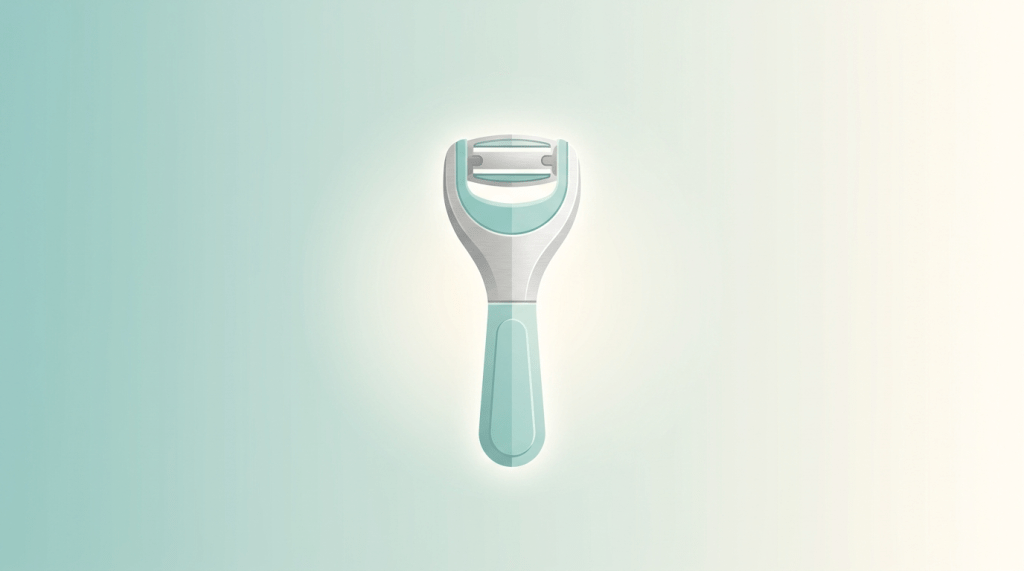
This traditional tool, often resembling a small razor, is designed for precise and efficient removal of very thick, stubborn calluses. It uses a disposable or replaceable blade to carefully shave off layers of hardened skin. It’s often favored by those who need to address significant callus buildup and prefer a method that offers immediate, visible results. However, its effectiveness comes with a higher need for caution and a steady hand.
- Best For: Very thick, localized, and stubborn calluses that need significant reduction.
- Pros: Highly effective for quick removal; precise control over the amount of skin removed; often comes with multiple blades.
- Cons: Requires extreme caution to avoid cuts; not recommended for beginners or those with delicate skin; blades need frequent replacement.
For a reliable and precise option, consider a classic blade callus shaver with a comfortable, non-slip handle and readily available replacement blades. Find a highly-rated classic blade callus shaver on Amazon.
The Micro-File/Grater Style Foot File
These files feature a textured, often stainless steel, surface with tiny, sharp projections that gently abrade and “grate” away dead skin. Unlike blade shavers, they remove skin in smaller increments, making them a safer and more gradual option for managing moderate calluses and smoothing rough patches. Many podiatrists recommend this style for consistent, at-home maintenance.
- Best For: Moderate calluses, rough patches, and smoothing after initial callus reduction. Excellent for regular maintenance.
- Pros: Safer than blade shavers; effective for gradual skin removal; easy to clean and sanitize; durable stainless steel construction.
- Cons: May require more effort and time for very thick calluses compared to a blade shaver.
A good quality stainless steel micro-file is an essential tool for effective callus management. The Jaws Podiatry 40% Urea Callus Cream + Stainless-Steel File Kit includes an excellent stainless steel file designed for this purpose, alongside a powerful cream for softening calluses. Explore the Jaws Podiatry 40% Urea Callus Cream + Stainless-Steel File Kit.
The Glass Callus File
Glass files are a relatively newer innovation in foot care, offering a gentle yet effective way to remove calluses and smooth skin. Their finely etched surface works by progressively abrading dead skin cells without tearing or damaging healthy skin. They are particularly good for sensitive skin or for those who prefer a very gradual and controlled approach to callus removal and polishing.
- Best For: Light to moderate calluses, smoothing rough skin, and finishing touches after using a coarser tool. Ideal for sensitive skin.
- Pros: Very gentle and safe; durable and easy to clean; leaves skin exceptionally smooth; hygienic as glass is non-porous.
- Cons: Less effective for very thick, stubborn calluses; requires more time and passes than coarser tools.
For a gentle, effective, and hygienic smoothing experience, a high-quality glass callus file is an excellent addition to your foot care routine. Discover a top-rated glass callus file on Amazon.
The Heavy-Duty Foot Rasp
Often larger and more aggressive than micro-files, foot rasps feature a coarse, often perforated, metal surface designed to tackle very dry, hard, and thick calluses. They are typically used for the initial reduction of significant callus buildup before switching to a finer tool for smoothing. These are the workhorses for serious callus problems.
- Best For: Extremely thick, dry, and hardened calluses that require substantial initial reduction.
- Pros: Highly effective for removing large amounts of dead skin quickly; durable construction.
- Cons: Can be overly abrasive if not used carefully; not suitable for sensitive areas or light calluses; requires follow-up with a finer file for smoothness.
When facing tough, entrenched calluses, a heavy-duty foot rasp can be your first line of defense. Find a durable heavy-duty foot rasp on Amazon.
The Pumice Stone
A classic and natural manual tool, the pumice stone is made from porous volcanic rock. It’s an excellent choice for gentle exfoliation, maintaining soft feet, and managing very light calluses. It works best on wet skin, gradually buffing away dead cells. While not a “shaver” in the traditional sense, it’s a fundamental manual tool for foot care and callus prevention.
- Best For: Light calluses, general foot smoothing, and regular maintenance to prevent callus buildup.
- Pros: Very gentle and safe; affordable and widely available; natural and environmentally friendly.
- Cons: Not effective for thick or stubborn calluses; can be porous and harder to keep perfectly hygienic if not dried properly.
For daily maintenance and gentle exfoliation, a natural pumice stone is an indispensable tool. Purchase a quality natural pumice stone on Amazon.
Shop Jaws Podiatry on Amazon
Podiatrist-formulated foot-care products for fungus, calluses, and cracked heels.
Visit the Jaws Podiatry Store →As an Amazon Associate we earn from qualifying purchases.
Comparison of Manual Callus Shavers
| Tool Type | Best For | Key Feature | Watch-Out |
|---|---|---|---|
| Classic Blade Callus Shaver | Very thick, localized calluses | Precise, quick removal of thick layers | High risk of cuts if not used with extreme care |
| Micro-File/Grater Style Foot File | Moderate calluses, regular maintenance | Gradual, safe abrasion; easy to clean | May require more effort for very thick calluses |
| Glass Callus File | Light calluses, smoothing, sensitive skin | Very gentle, leaves skin exceptionally smooth | Less effective for very stubborn, thick calluses |
| Heavy-Duty Foot Rasp | Extremely thick, dry, hardened calluses | Aggressive removal of significant buildup | Can be overly abrasive; needs a finer file for finishing |
| Pumice Stone | Light calluses, daily maintenance, general smoothing | Gentle exfoliation, natural, affordable | Ineffective for thick calluses; requires wet skin |
How to Use & Care Tips for Manual Callus Shavers
Proper technique and care are essential for both effectiveness and safety when using manual callus shavers.
Before You Start:
- Soak Your Feet: For most manual tools (especially blade shavers, rasps, and pumice stones), soaking your feet in warm water for 10-15 minutes will soften the calluses, making them easier and safer to remove. For glass files and some micro-files, dry skin application can also be effective, but wet skin generally allows for smoother removal.
- Ensure Good Lighting: Work in a well-lit area where you can clearly see the callus and your tool.
- Clean Your Tools: Always start with a clean, sterilized tool to prevent infection.
During Use:
- Identify the Callus: Clearly distinguish between the hardened callus and healthy skin. Never shave or file healthy skin.
- Apply Gentle, Even Pressure: Regardless of the tool, avoid pressing too hard. It’s better to make several light passes than one aggressive one.
- Classic Blade Shavers: Hold the shaver at a shallow angle (around 45 degrees) against the callus. Use short, downward strokes, carefully shaving off thin layers. Stop immediately if you feel any pain or see any blood.
- Files, Rasps & Pumice Stones: Move the tool in one direction or in gentle circular motions over the callus. Regularly check your progress and stop when the skin feels significantly smoother but still has a protective layer.
- Do Not Over-Shave: Removing too much skin can lead to pain, bleeding, and even infection. It can also cause the body to produce more callus as a protective response. Aim to reduce the callus to a comfortable level, not eliminate it entirely.
After Care:
- Rinse Your Feet: Wash your feet thoroughly to remove any dead skin particles.
- Moisturize: Apply a rich, emollient foot cream or balm. Products containing urea, like the Jaws Podiatry 40% Urea Callus Cream, are excellent for deep hydration and continued callus softening, helping to prevent recurrence. Learn more about the Jaws Podiatry 40% Urea Callus Cream.
- Clean Your Tools: Immediately after use, clean your manual shaver. For blade shavers, carefully remove and dispose of the used blade. Wash all tools with soap and water, then sanitize with rubbing alcohol or a disinfectant spray. Allow them to air dry completely before storing.
- Store Safely: Store your tools in a clean, dry place, ideally with a protective cover for blade shavers.
A Note on Safety: If you have diabetes, neuropathy (nerve damage), poor circulation, or any other underlying health condition that affects your feet, you should always consult a podiatrist before attempting any DIY foot care, especially using sharp or abrasive tools like manual callus shavers. These conditions can significantly increase your risk of injury, infection, and complications. A podiatrist can safely remove calluses and advise on appropriate home care.
Key Takeaways
- The best manual callus shavers are effective tools for managing hardened skin, but require careful selection and proper technique.
- Different types of manual shavers (blade, micro-file, glass file, rasp, pumice stone) cater to varying callus severity and preferences.
- Always prioritize safety by soaking feet, using clean tools, applying gentle pressure, and avoiding over-shaving.
- Follow up callus removal with thorough moisturizing, ideally with a urea-based cream, to maintain smooth skin and prevent recurrence.
- Individuals with conditions like diabetes or neuropathy should consult a podiatrist before using manual callus removal tools.


Leave a Reply