Shop Jaws Podiatry on Amazon
Podiatrist-formulated foot-care products for fungus, calluses, and cracked heels.
Visit the Jaws Podiatry Store →As an Amazon Associate we earn from qualifying purchases.
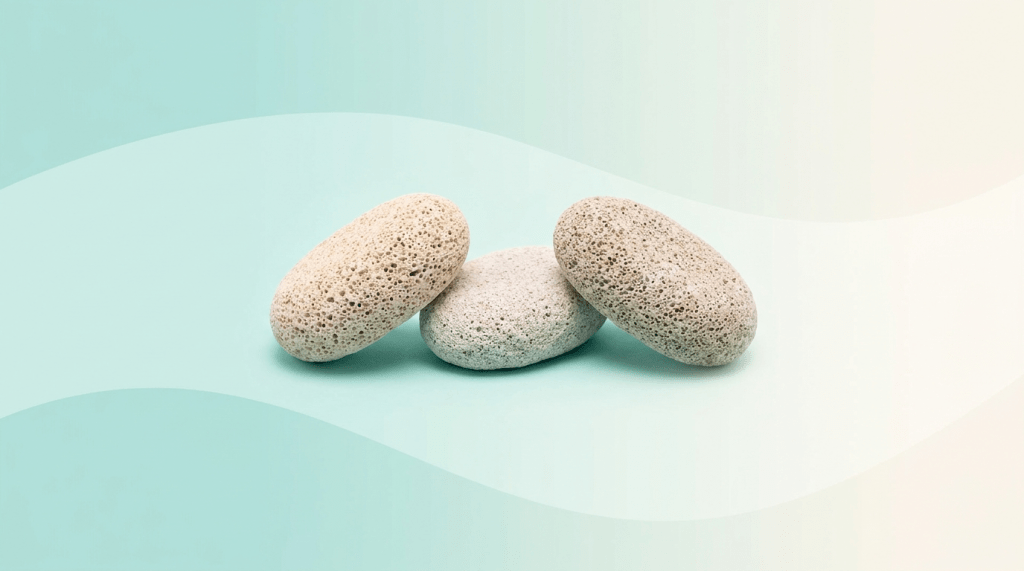
Choosing the best pumice stones for feet involves finding a tool that effectively buffs away dry skin and calluses without causing irritation. The ideal pumice stone offers a balance of abrasive power, ergonomic design for comfortable handling, and durability for long-term use, leaving your feet smoother and healthier.
What to Look For in a Pumice Stone
When selecting a pumice stone or similar foot-exfoliating tool, consider these key factors to ensure you get the best results for your dry, callused feet:
- Material: Pumice stones are typically made from natural volcanic lava or synthetic materials. Natural pumice is porous and offers a gentle yet effective exfoliation. Synthetic versions can be molded to specific grits and shapes, often providing a more consistent texture. Both can be highly effective, with personal preference often dictating the choice.
- Grit/Coarseness: This refers to the texture of the stone. Finer grit is suitable for regular maintenance and smoothing mildly rough skin, while coarser grit is better for tackling stubborn calluses and thicker dry patches. Some tools offer dual-sided options with varying grits.
- Ergonomics and Grip: A comfortable grip is essential for safe and effective use, especially when working on harder-to-reach areas of your feet. Look for stones with a shape that fits well in your hand, or those with an integrated handle for better leverage.
- Durability and Longevity: A good pumice stone should withstand repeated use without crumbling or losing its abrasive qualities too quickly. Quality materials contribute to a longer lifespan.
- Ease of Cleaning: Since pumice stones accumulate dead skin cells, they must be easy to clean to maintain hygiene and prevent bacterial buildup. Stones with an open, porous structure are generally easier to rinse thoroughly.
- Safety Features: While not a “feature” in the traditional sense, consider tools that allow for controlled pressure to prevent over-exfoliation. For those with specific health conditions (see safety note below), gentler options are often preferred.
Top Picks for Smoother Feet
Here are our top recommendations for the best pumice stones and related tools, catering to various needs for dry-skin sufferers:
The Classic Natural Lava Pumice Stone
Best For: General exfoliation, smoothing moderately dry and rough skin, and regular foot maintenance.
Natural lava pumice stones are timeless for a reason. Formed from volcanic rock, their inherent porous texture provides an effective yet generally gentle abrasive surface. They are excellent for buffing away everyday dryness and preventing the build-up of minor calluses, making them a staple for anyone looking to maintain soft, healthy feet.
- Pros: Eco-friendly, naturally occurring, excellent for gentle exfoliation, durable, often inexpensive.
- Cons: Can be brittle if dropped, may require more effort for very thick calluses compared to coarser tools.
For a reliable and effective natural option, consider a high-quality volcanic lava pumice stone. Find a classic natural lava pumice stone here.
Fine-Grit Synthetic Pumice Stone
Best For: Sensitive skin, polishing after coarser exfoliation, or maintaining already smooth feet.
Synthetic pumice stones are often made from foamed glass or other manufactured materials, allowing for precise control over their grit and density. A fine-grit synthetic pumice stone is ideal for those with sensitive skin who still need effective exfoliation, or for use as a finishing tool after using a coarser file. They provide a very smooth, polished feel to the skin.
- Pros: Consistent grit, less prone to crumbling than natural stones, often very lightweight, excellent for a smooth finish.
- Cons: Less “natural” feel, may not be aggressive enough for very tough calluses on its own.
If you have sensitive skin or prefer a smoother finish, a fine-grit synthetic pumice stone can be an excellent choice. Explore fine-grit synthetic pumice stones here.
Pumice Stone with Ergonomic Handle
Best For: Individuals with limited flexibility, hand pain, or those seeking enhanced control and comfort during use.
A pumice stone integrated with an ergonomic handle significantly improves grip and reach, making the exfoliation process much easier and more comfortable. Handles can be made from plastic, wood, or silicone, and are designed to provide a secure hold, reducing the strain on your hands and allowing you to access all areas of your feet more effectively, including heels and balls of the feet.
- Pros: Superior grip and control, extended reach, reduced hand fatigue, often comes with a hanging loop for easy storage and drying.
- Cons: Can be bulkier than traditional stones, the handle material might degrade faster than the stone itself if not cared for.
For a more comfortable and accessible foot care routine, opt for a pumice stone with an ergonomic handle. Check out pumice stones with ergonomic handles.
Dual-Sided Foot File (Coarse & Fine)
Best For: Addressing significant callus buildup and rough, cracked heels, followed by smoothing for a refined finish.
While not strictly a “pumice stone,” a dual-sided foot file offers comprehensive care by combining a coarse abrasive surface (often stainless steel or very coarse pumice-like material) with a finer grit side for smoothing. This combination is particularly effective for dry-skin sufferers who deal with stubborn calluses and severely cracked heels, allowing for aggressive removal and subsequent refinement with a single tool.
- Pros: Versatile for different stages of exfoliation, highly effective for thick calluses, durable materials like stainless steel can last a very long time.
- Cons: Coarser side can be too aggressive if not used carefully, requires diligent cleaning to prevent bacterial growth, may not be suitable for very sensitive skin.
For tackling tough calluses and achieving smooth results, we recommend a high-quality dual-sided foot file. Complement this with a specialized topical treatment like the Jaws Podiatry 40% Urea Callus Cream for optimal results on very dry or cracked heels. This cream deeply moisturizes and helps break down thick skin, making it easier to remove with a file. Discover the Jaws Podiatry 40% Urea Callus Cream + Stainless-Steel File Kit.
Electric Callus Remover
Best For: Effortless removal of significant callus buildup, individuals seeking a less manual and faster solution.
Electric callus removers, often featuring rotating pumice-like rollers or abrasive discs, offer a convenient and efficient way to smooth rough skin and reduce calluses. They minimize manual effort, making them an excellent choice for those with extensive dry skin or mobility issues. Many models offer different roller heads for varying degrees of coarseness.
- Pros: Less physical effort, faster results for significant calluses, comfortable to use, many are rechargeable and waterproof.
- Cons: Higher initial cost, requires batteries or charging, can be too aggressive if not used with care, requires regular cleaning and roller head replacement.
If you’re looking for a powerful, low-effort solution for persistent calluses, an electric callus remover is a worthwhile investment. Browse highly-rated electric callus removers.
Shop Jaws Podiatry on Amazon
Podiatrist-formulated foot-care products for fungus, calluses, and cracked heels.
Visit the Jaws Podiatry Store →As an Amazon Associate we earn from qualifying purchases.
Comparison Table: Our Top Picks
| Product Type | Best For | Key Feature | Watch-Out |
|---|---|---|---|
| Classic Natural Lava Pumice Stone | General exfoliation, maintenance | Naturally porous, gentle yet effective | May crumble if dropped; less aggressive for thick calluses |
| Fine-Grit Synthetic Pumice Stone | Sensitive skin, polishing, light maintenance | Consistent, smooth grit; lightweight | Not for heavy callus removal |
| Pumice Stone with Ergonomic Handle | Limited flexibility, enhanced control | Superior grip and extended reach | Can be bulkier; handle durability |
| Dual-Sided Foot File (Coarse & Fine) | Significant calluses, cracked heels | Combines aggressive removal with smoothing | Coarser side requires careful use; hygiene |
| Electric Callus Remover | Effortless removal of heavy calluses | Minimizes manual effort; fast results | Higher cost; requires power; can be overly aggressive |
How to Use & Care Tips for Your Pumice Stone
To get the most out of your pumice stone and ensure foot health, follow these guidelines:
- Soak Your Feet: Always start by soaking your feet in warm water for 5-10 minutes. This softens the skin and makes it easier to remove dead cells. You can add Epsom salts or a foot soak for added relaxation and skin-softening benefits.
- Wet the Pumice Stone: A wet pumice stone glides more smoothly and is less likely to cause friction burns or irritation.
- Gentle, Circular Motions: Apply light to moderate pressure and rub the pumice stone over callused or rough areas in circular motions. Avoid excessive scrubbing, especially if you have sensitive skin. Stop immediately if you feel any pain or discomfort.
- Rinse and Inspect: Frequently rinse both your foot and the pumice stone to remove dead skin debris. This allows you to see your progress and prevents the stone from becoming clogged.
- Moisturize Generously: After exfoliating, rinse your feet thoroughly and pat them dry. Immediately apply a rich, hydrating foot cream or lotion, such as a urea-based cream, to lock in moisture. This step is crucial for maintaining soft skin and preventing dryness.
- Clean and Dry Your Pumice Stone: After each use, scrub your pumice stone with a stiff brush and soap to remove any skin particles. Rinse it thoroughly and allow it to air dry completely to prevent bacterial growth. Storing it in a dry, airy place (like hanging it up) is ideal.
- Replace Regularly: Over time, pumice stones wear down and can become less effective or accumulate bacteria. Replace your pumice stone every few months, or sooner if it shows signs of wear or becomes difficult to clean.
Safety Note: Individuals with diabetes, neuropathy, poor circulation, or any open sores or infections on their feet should exercise extreme caution or, ideally, consult a podiatrist before using abrasive tools like pumice stones or foot files. Aggressive exfoliation can lead to cuts, infections, or serious complications for these conditions.
Key Takeaways
- The best pumice stones for feet effectively remove dry skin and calluses without irritation.
- Consider material (natural vs. synthetic), grit, ergonomics, and ease of cleaning when choosing.
- Dual-sided files and electric removers offer more aggressive options for stubborn calluses.
- Always soak feet first, use gentle motions, and moisturize generously after exfoliation.
- Regular cleaning and replacement of your pumice stone are essential for hygiene and effectiveness.
- If you have diabetes, neuropathy, or poor circulation, consult a podiatrist before using abrasive foot care tools.
Frequently Asked Questions
How often should I use a pumice stone?
For most people, using a pumice stone 2-3 times a week is sufficient to maintain smooth feet. If you have significant calluses, you might start with daily use for a week or two, then reduce frequency as your skin improves. Always listen to your skin and avoid over-exfoliating, which can lead to irritation or even thicker calluses as your skin tries to protect itself.
Can I use a pumice stone on cracked heels?
Yes, a pumice stone can be very effective for cracked heels, but with caution. First, soften the skin thoroughly by soaking. Gently buff the hardened edges around the cracks, being careful not to rub directly into open fissures. Follow immediately with a thick, hydrating balm or urea cream to promote healing and flexibility. For deep or painful cracks, consult a podiatrist.
What’s the difference between natural and synthetic pumice?
Natural pumice is a porous volcanic rock, offering a unique, irregular texture that is effective for exfoliation. Synthetic pumice, often made from foamed glass or ceramics, can be manufactured with a more consistent and controlled grit. Both are effective; natural pumice is often preferred for its organic feel and sustainability, while synthetic options can offer specific grit levels and greater durability against crumbling.
When should I not use a pumice stone?
Avoid using a pumice stone if you have open wounds, cuts, blisters, infections, or very sensitive skin on your feet. As mentioned


Leave a Reply