Shop Jaws Podiatry on Amazon
Podiatrist-formulated foot-care products for fungus, calluses, and cracked heels.
Visit the Jaws Podiatry Store →As an Amazon Associate we earn from qualifying purchases.
The best ingrown toenail correction tools combine precision, safety, and effectiveness, offering solutions from careful trimming to gentle lifting and long-term reshaping. These specialized tools are designed to help alleviate the discomfort of ingrown toenails and encourage healthy nail growth, empowering sufferers to manage their condition at home before professional intervention becomes necessary.
What to Look For in Ingrown Toenail Correction Tools
When selecting tools to address an ingrown toenail, careful consideration of their design, materials, and intended use is crucial for both effectiveness and safety. Here’s what to prioritize:
- High-Quality Material: Look for tools made from surgical-grade stainless steel. This material ensures durability, resistance to rust, and, most importantly, allows for proper sterilization, which is vital to prevent infection.
- Precision and Sharpness: For clippers, sharp, fine-tipped blades are essential for precise cuts without tearing the nail. For lifters and files, thin, angled tips allow for gentle manipulation without causing further trauma to the skin.
- Ergonomic Design: Tools should have comfortable, non-slip handles that provide a secure grip. This minimizes the risk of slips during use, which can lead to injury.
- Safety Features: Some tools may include protective caps for blades or rounded edges on lifters to prevent accidental punctures. While precision is key, safety should never be compromised.
- Ease of Sterilization: All tools that come into contact with skin or nail should be easy to clean and sterilize (e.g., with rubbing alcohol) before and after each use to prevent bacterial transfer and infection.
- Suitability for Severity: Different tools are best for different stages of an ingrown toenail. Mild cases might benefit from lifters and files, while more embedded nails may require precision clippers. Braces are for long-term correction.
- Completeness (for Kits): If opting for a kit, ensure it contains a useful combination of tools that address various aspects of ingrown toenail care.
Shop Jaws Podiatry on Amazon
Podiatrist-formulated foot-care products for fungus, calluses, and cracked heels.
Visit the Jaws Podiatry Store →As an Amazon Associate we earn from qualifying purchases.
Top Picks for Ingrown Toenail Correction Tools
Navigating the options for at-home ingrown toenail care can be overwhelming. Here are some of the most effective types of tools, each serving a specific purpose in correcting and managing ingrown toenails.
1. Precision Ingrown Toenail Clippers (Nippers)
These are not your everyday nail clippers. Specialized ingrown toenail clippers, often called nippers, feature thin, sharp, angled blades designed to access and trim the problematic edge of an ingrown nail with accuracy. They are indispensable for carefully removing the offending spike or corner that is digging into the skin.
- Best For: Carefully trimming the sharp corner or spike of an ingrown toenail that is causing pain and irritation. Ideal for moderate cases where a portion of the nail needs to be removed.
- Pros:
- Accuracy: Allows for very precise cuts, minimizing damage to surrounding skin.
- Effectiveness: Can provide immediate relief by removing the source of irritation.
- Durability: High-quality stainless steel models are built to last.
- Cons:
- Skill Required: Requires a steady hand and careful technique to avoid cutting too deep or injuring the skin.
- Risk of Infection: Improper sterilization or technique can increase the risk of infection.
- Not for Prevention: Primarily a corrective tool, not a preventative one for ongoing issues.
When seeking immediate relief from a painful, embedded nail edge, a high-quality pair of precision ingrown toenail clippers is an essential tool to consider. You can find durable, effective options here: Precision Ingrown Toenail Clippers
2. Double-Ended Ingrown Toenail Lifters & Files
These versatile tools typically feature a thin, curved lifter on one end and a small, fine file on the other. The lifter is used to gently raise the ingrown nail edge away from the skin, creating space, while the file can be used to thin the nail or smooth sharp edges once lifted. They are excellent for managing mild ingrowns or preparing the nail for other treatments.
- Best For: Gently lifting the nail edge to relieve pressure, cleaning underneath the nail, and filing down sharp corners or edges. Excellent for mild ingrowns and as a preventative measure.
- Pros:
- Minimally Invasive: Less aggressive than cutting, reducing the risk of injury.
- Versatile: Two tools in one, offering both lifting and filing capabilities.
- Relief: Can provide significant relief by creating space and reducing pressure.
- Cons:
- Not for Deeply Embedded Nails: May not be effective for severe or deeply ingrown nails.
- Requires Patience: Gentle and repeated use is often necessary for best results.
- Risk of Trauma: Aggressive lifting can still cause irritation or damage.
For gentle manipulation and relief of mild ingrown toenails, a double-ended lifter and file set is a great choice for your at-home foot care kit: Double-Ended Ingrown Toenail Lifters & Files
3. Ingrown Toenail Correction Strips or Braces
These innovative, non-invasive tools work by applying gentle tension to the toenail, gradually lifting and reshaping it over time to encourage proper growth. They often come as adhesive strips or small clip-on braces that are applied directly to the nail surface, working to flatten the nail’s curvature.
- Best For: Long-term correction and prevention of recurring ingrown toenails, especially for nails that are excessively curved or involuted. Ideal for those seeking a non-surgical, gradual solution.
- Pros:
- Non-Invasive: No cutting or digging into the skin, reducing the risk of infection or pain during application.
- Long-Term Solution: Addresses the underlying cause of nail curvature, promoting healthier growth.
- Comfort: Once applied, they are generally comfortable and allow for normal activities.
- Cons:
- Slower Results: Correction takes time, often several weeks to months, requiring consistent application.
- Not for Acute Pain: Does not provide immediate relief for severely painful or infected ingrowns.
- Application Can Be Tricky: Some users may find application challenging initially.
If you’re looking for a gradual, long-term solution to reshape your toenail and prevent future ingrowns, consider ingrown toenail correction strips or braces: Ingrown Toenail Correction Strips/Braces
4. Ingrown Toenail Correction Kits
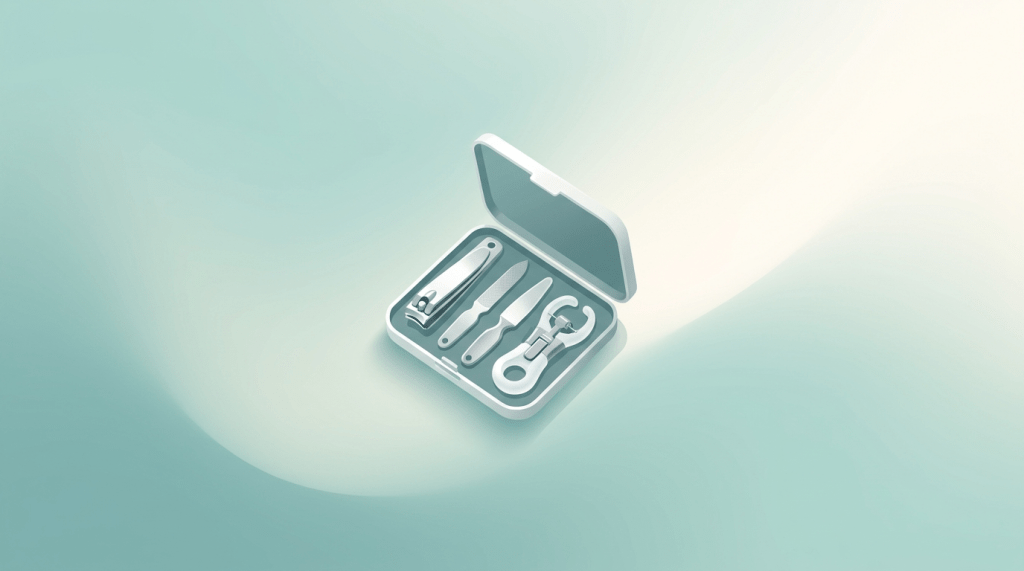
These comprehensive kits typically bundle several tools, often including precision clippers, lifters, files, and sometimes even topical solutions or specialized cleaners. They offer a complete approach to ingrown toenail care, providing the right tool for various stages and needs.
- Best For: Individuals who want a complete set of tools to address different aspects of ingrown toenail care, from initial lifting to precise trimming and ongoing maintenance. Good for those who experience recurring ingrowns.
- Pros:
- Versatility: Provides multiple tools for various tasks, offering a holistic approach.
- Cost-Effective: Often more economical than purchasing each tool separately.
- Convenience: All necessary tools are in one organized package.
- Cons:
- Quality Variation: The quality of individual tools within a kit can sometimes vary.
- May Include Unnecessary Tools: Some kits might contain tools you don’t frequently use.
- Storage: Requires proper storage to keep all components clean and organized.
For a comprehensive approach to managing and correcting ingrown toenails at home, an all-in-one correction kit can be incredibly useful: Ingrown Toenail Correction Kits
Comparison Table: Best Ingrown Toenail Correction Tools
| Tool Type | Best For | Key Feature | Watch-Out |
|---|---|---|---|
| Precision Ingrown Toenail Clippers | Trimming embedded nail spikes/corners | Sharp, angled, fine blades for precise cuts | Requires steady hand; risk of cutting too deep or infection if not sterile |
| Double-Ended Lifters & Files | Gently lifting nail edges, filing, cleaning | Thin, curved lifter and fine file for gentle manipulation | Not for deeply embedded nails; avoid aggressive digging |
| Correction Strips/Braces | Long-term nail reshaping and prevention | Applies gentle tension to flatten nail curvature | Slow results; not for acute pain/infection; consistent application needed |
| Ingrown Toenail Correction Kits | Comprehensive at-home care for various needs | Bundle of clippers, lifters, files, etc. | Quality of individual tools can vary; ensure all tools are needed |
How to Use / Care Tips for Ingrown Toenail Tools
Using ingrown toenail correction tools safely and effectively is paramount to prevent further complications. Always prioritize hygiene and gentle technique.
- Prepare Your Feet: Start by soaking your feet in warm water for 10-15 minutes. Adding Epsom salts or a gentle foot soak can help soften the nail and skin, making it easier and less painful to work with.
- Sterilize Your Tools: Before and after each use, thoroughly clean all tools with rubbing alcohol or a medical-grade disinfectant. This step is critical to prevent introducing bacteria and causing an infection.
- Gentle Lifting (If Applicable): If using a lifter, gently slide the thin
Related Guides
Related Guides


Leave a Reply