Shop Jaws Podiatry on Amazon
Podiatrist-formulated foot-care products for fungus, calluses, and cracked heels.
Visit the Jaws Podiatry Store →As an Amazon Associate we earn from qualifying purchases.
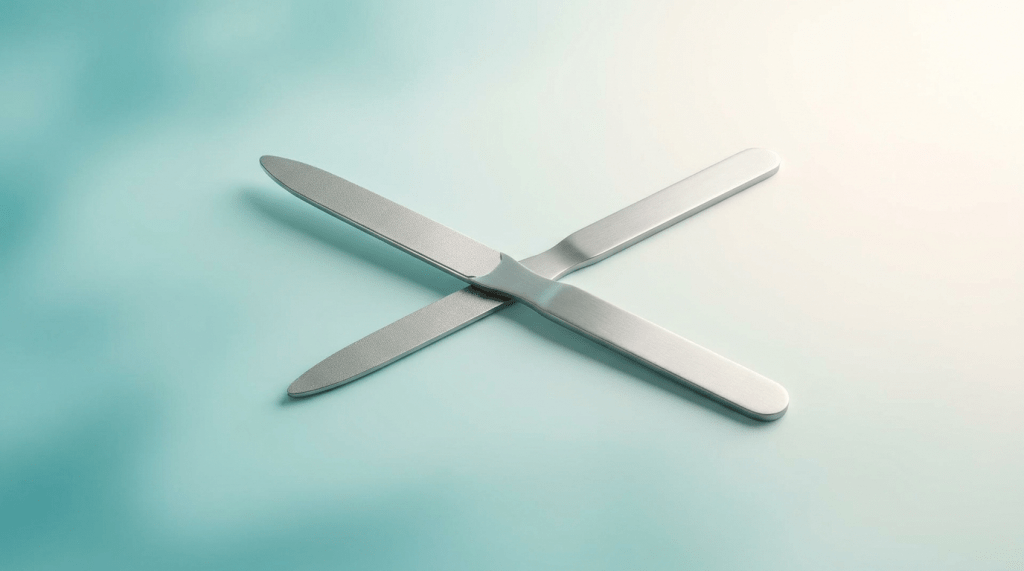
Navigating the discomfort of an ingrown toenail can be a real challenge, and having the right tools makes all the difference. The best ingrown toenail files are characterized by their precision, thinness, and ergonomic design, allowing you to gently lift and shape the nail edge away from the skin without causing further irritation or injury. They are typically made from surgical-grade stainless steel, ensuring hygiene and durability for safe at-home use.
What to Look For in an Ingrown Toenail File
- Material: Opt for surgical-grade stainless steel. This material is durable, rust-resistant, and easy to sterilize, which is crucial for preventing infections.
- Tip Design and Thinness: The most effective files feature extremely thin, often curved or angled tips. This allows them to slip under the nail edge into tight spaces to gently lift the nail without digging or causing trauma to the delicate skin.
- Double-Ended Functionality: Many excellent tools are double-ended, offering different tip shapes or sizes on each end. This versatility means you have the right tool for various angles and depths of ingrown nails. Common combinations include a file on one end and a lifter or cleaner on the other.
- Ergonomic Grip: A textured or ergonomic handle provides a secure grip, reducing the risk of slipping during use. Precision work requires steady hands, and a good grip enhances control.
- Ease of Cleaning: Since you’ll be working close to potentially compromised skin, the tool must be easy to clean and disinfect thoroughly after each use to maintain hygiene and prevent bacterial transfer.
- Safety Features: While designed for precision, the edges should be smooth enough not to cut or scratch the skin unintentionally. Avoid overly sharp tools that could cause injury if not handled with extreme care.
- Part of a Kit: Often, the best ingrown toenail files come as part of a kit alongside other helpful tools like toenail clippers, lifters, or cuticle pushers, providing a comprehensive solution.
Shop Jaws Podiatry on Amazon
Podiatrist-formulated foot-care products for fungus, calluses, and cracked heels.
Visit the Jaws Podiatry Store →As an Amazon Associate we earn from qualifying purchases.
Top Picks for Ingrown Toenail Files
Precision Double-Ended Ingrown Toenail File & Lifter
This is arguably the most common and versatile tool for managing ingrown toenails at home. These tools typically feature a thin, slightly curved file on one end and a delicate, spoon-shaped or angled lifter on the other. The file end is designed to gently thin or smooth the nail edge, while the lifter helps to carefully raise the nail from the skin furrow, allowing space for the nail to grow out correctly or to insert a small cotton piece underneath. They are excellent for minor to moderate ingrown nails where the nail isn’t deeply embedded or infected.
- Best For: General at-home maintenance, gentle lifting, and filing of nail edges.
- Pros: Versatile with two functions, precise for delicate work, easy to sterilize.
- Cons: May not be robust enough for very thick or severely ingrown nails without prior softening.
For a reliable, multi-functional tool, consider a high-quality stainless steel double-ended ingrown toenail file and lifter. This type of tool is a staple for any foot care kit.
Thin, Angled Ingrown Toenail Cleaner & File
Some specialized files are designed with an extremely thin, sharply angled tip, often resembling a tiny hook or probe. These are specifically crafted to reach into very tight spaces along the nail groove, allowing for the removal of accumulated debris, dead skin, or small pieces of nail that might be contributing to the ingrown issue. While not primarily a “file” in the traditional sense of abrading, its fine tip can gently scrape and smooth the very edge of the nail that is pressing into the skin. It requires a very delicate touch due to its pointed nature.
- Best For: Cleaning under and around deeply embedded nail edges, precise debris removal.
- Pros: Excellent for reaching tight spots, helps prevent infection by clearing debris.
- Cons: Can be sharp; requires extreme caution to avoid puncturing the skin. Not suitable for general filing.
For meticulous cleaning and reaching difficult areas, a thin, angled ingrown toenail cleaner and file can be incredibly effective. Look for one made from surgical-grade stainless steel for durability and hygiene.
Ingrown Toenail Correction Kit (with integrated files)
Instead of just a single file, many comprehensive kits offer a range of tools, often including various types of files, lifters, clippers, and even sometimes nail polishers. The files within these kits are usually purpose-built for ingrown nails, often featuring fine, curved tips. These kits provide a holistic approach to ingrown toenail care, from initial lifting and cleaning to precise trimming and post-care. They are ideal for individuals who experience recurrent ingrown toenails and want a complete set of tools for management.
- Best For: Comprehensive at-home care, individuals with recurrent ingrown nails, those needing multiple tools.
- Pros: All-in-one solution, often includes specialized clippers and lifters, better value than buying individual tools.
- Cons: Can be overwhelming for first-time users; quality of all components can vary between kits.
If you’re looking for a complete solution, an ingrown toenail correction kit with integrated files offers everything you need. Many reliable options are available that combine different tools for effective care.
Spoon-Shaped Ingrown Toenail Cleaner
While often categorized as a “cleaner” rather than a “file,” the spoon-shaped tool is indispensable for ingrown toenail management. It features a tiny, rounded spoon-like tip designed to gently scoop out debris and dead skin from the nail groove without sharp edges. While it doesn’t file the nail itself, by clearing the surrounding area, it can alleviate pressure and make it easier for a proper ingrown toenail file or lifter to do its job. It’s particularly useful for softening the area and preparing the nail for further intervention.
- Best For: Gentle debris removal, preparing the nail area for lifting or filing, preventing infection.
- Pros: Safe for sensitive skin, effective at clearing buildup, reduces pressure.
- Cons: Does not actually file the nail; needs to be used in conjunction with a file or lifter.
To safely and effectively clear debris from around an ingrown toenail, a spoon-shaped ingrown toenail cleaner is a must-have. These tools are gentle yet effective for maintaining hygiene.
| Product Type | Best For | Key Feature | Watch-Out |
|---|---|---|---|
| Precision Double-Ended File & Lifter | General at-home maintenance, gentle lifting & filing. | Versatile two-in-one design (file + lifter). | May not suffice for very thick or severely embedded nails. |
| Thin, Angled Cleaner & File | Cleaning under deeply embedded nail edges, precise debris removal. | Extremely fine, angled tip for tight spaces. | Requires extreme caution due to sharpness; not for general filing. |
| Ingrown Toenail Correction Kit | Comprehensive at-home care, recurrent ingrown nails. | All-in-one solution with multiple specialized tools. | Quality of individual tools can vary; may be overwhelming. |
| Spoon-Shaped Cleaner | Gentle debris removal, preparing the nail area. | Rounded, non-sharp tip for safe scooping. | Does not file the nail; primarily for cleaning/prepping. |
How to Use / Care Tips for Ingrown Toenail Files
Using ingrown toenail files effectively and safely is crucial to prevent further pain or infection. Always prioritize hygiene and gentle technique.
- Soak Your Feet: Before attempting any work on an ingrown toenail, soak your feet in warm water (with or without Epsom salts) for 15-20 minutes. This softens the nail and the surrounding skin, making it easier and less painful to manipulate.
- Clean Your Tools: Always sterilize your ingrown toenail files and other tools before and after each use. You can do this by wiping them with rubbing alcohol or boiling them in water for a few minutes.
- Gentle Lifting: Using a thin, curved lifter or the appropriate end of your ingrown toenail file, gently slide it under the ingrown edge of the nail. Slowly and carefully lift the nail away from the skin. Do not force it or dig deeply, as this can cause injury or infection.
- File or Clean: Once the nail is slightly lifted, use the file end to gently smooth any sharp edges or thin the nail if it’s pressing too hard. If using a cleaner, carefully scoop out any debris or dead skin from the nail groove.
- Insert Cotton or Dental Floss (Optional): For recurrent ingrown nails, once the nail is lifted, you can gently insert a tiny piece of sterile cotton or waxed dental floss under the corner of the nail. This helps keep the nail elevated as it grows out, guiding it over the skin instead of into it. Change this daily.
- Post-Care: After care, apply an antiseptic solution to the area to prevent infection. Keep the area clean and dry. Wear open-toed shoes or comfortable, wide-toed footwear to avoid pressure on the nail.
- When to See a Podiatrist: It is critically important to consult a podiatrist if you experience severe pain, pus, redness, swelling, or warmth around the toenail, as these are signs of infection. People with diabetes, neuropathy, poor circulation, or any compromised immune system should always consult a podiatrist before attempting any DIY foot care, especially using sharp or abrasive tools, due to the increased risk of serious complications.
- Proper Nail Trimming: To prevent future ingrown toenails, always trim your toenails straight across, not curved at the corners. Avoid cutting them too short.
Key Takeaways
- The best ingrown toenail files are made of surgical-grade stainless steel for hygiene and durability, featuring thin, precise tips.
- Soaking your feet before use softens nails and skin, making the process safer and less painful.
- Always sterilize your tools before and after each use to prevent infection.
- Gentle technique is paramount; avoid digging or forcing tools into the nail or skin.
- If you have diabetes, neuropathy, poor circulation, or signs of infection, consult a podiatrist immediately.
- Proper nail trimming (straight across) and wearing appropriate footwear are key to preventing recurrence.
Frequently Asked Questions
Can I fix an ingrown toenail myself with a file?
For mild ingrown toenails without signs of infection (no redness, swelling, pus, or severe pain), a good ingrown toenail file and lifter can help you manage the condition at home. You can gently lift the nail and guide its growth. However, if the ingrown toenail is deeply embedded, very painful, or shows any signs of infection, it’s crucial to seek professional help from a podiatrist. People with underlying health conditions like diabetes, neuropathy, or poor circulation should always consult a podiatrist before attempting any self-treatment.
What is the difference between an ingrown toenail file and a lifter?
An ingrown toenail file typically has a thin, abrasive edge designed to gently smooth or thin the side of the toenail that is pressing into the skin. A lifter, on the other hand, usually has a thin, curved, or spoon-shaped tip designed to carefully slide under the edge of the ingrown nail and gently raise it away from the skin. Many of the best ingrown toenail files are double-ended, combining both a file and a lifter on a single tool for versatile use.
When should I see a podiatrist for an ingrown toenail?
You should see a podiatrist if you experience significant pain, redness, swelling, warmth, or pus around the toenail, as these are signs of infection. If you have diabetes, neuropathy, poor circulation, or a weakened immune system, it’s especially important to consult a podiatrist at the first sign of an ingrown toenail, as even minor foot injuries can lead to serious complications for these individuals. Recurrent ingrown toenails also warrant professional evaluation.
How can I prevent ingrown toenails from recurring?
Prevention is key. Always trim your toenails straight across, avoiding rounding the corners or cutting them too short. Wear shoes that fit well and don’t crowd your toes, allowing ample space for your feet to breathe. Avoid tight socks or hosiery. Regularly check your feet for any signs of pressure or irritation. Maintaining good foot hygiene, including keeping your feet clean and dry, also contributes to overall nail health. For general foot health and to keep skin supple and less prone to issues, consider a nourishing foot cream like Jaws Podiatry’s 40% urea callus cream, which can help maintain skin elasticity and prevent calluses that can sometimes contribute to ingrown nail pressure. This type of cream can be a beneficial part of a holistic foot care routine.


Leave a Reply