Shop Jaws Podiatry on Amazon
Podiatrist-formulated foot-care products for fungus, calluses, and cracked heels.
Visit the Jaws Podiatry Store →As an Amazon Associate we earn from qualifying purchases.
For individuals seeking relief from bunion pain and a way to improve toe alignment, the best toe separators for bunions are those that offer a comfortable fit, provide gentle yet effective realignment, and are made from durable, skin-friendly materials. Whether you need something for everyday wear, overnight correction, or targeted pain relief, selecting the right type can significantly enhance your comfort and foot health.
What to Look For in Toe Separators for Bunions
When choosing a toe separator, consider these key criteria to ensure you find the most effective and comfortable option for your needs:
- Material:
- Silicone/Gel: These are the most common materials, known for their softness, flexibility, and ability to conform to your foot. They are hypoallergenic, washable, and durable. Look for medical-grade silicone for the best quality.
- Fabric: Some separators are fabric-lined or made entirely of fabric (often with gel inserts). These can be more breathable and comfortable for all-day wear, especially inside shoes, as they reduce friction.
- Foam: Less common for bunions, foam can offer cushioning but may not provide the same level of separation or durability as silicone or gel.
- Design and Type:
- Individual Toe Spacers: Small, discreet pieces designed to fit between specific toes (most commonly the big toe and second toe) to provide separation.
- Multi-Toe Spreaders: These devices often encompass all toes, spreading them apart to encourage overall foot alignment, similar to yoga toe spreaders.
- Bunion Shields/Pads with Separators: These combine a protective pad over the bunion joint with an integrated toe separator, offering both cushioning and alignment.
- Night Splints/Bunion Correctors: More rigid devices worn overnight to provide a sustained stretch and correct alignment while you sleep. They are not typically worn with shoes.
- Adjustable Straps: Some designs feature adjustable straps to pull the big toe into a more aligned position, offering customizable tension.
- Comfort and Fit: The separator should feel snug but not restrictive. It should not cause pain, numbness, or excessive pressure. Look for ergonomic designs that match the natural contours of your foot.
- Durability and Cleanability: Your toe separator should withstand daily use and be easy to clean with soap and water to maintain hygiene.
- Versatility: Consider when and where you plan to wear it. Do you need something thin enough for shoes, or is it primarily for use at home or overnight?
- Support Level: Some separators offer gentle correction, ideal for mild bunions or preventing progression, while others provide more substantial realignment for moderate to severe cases.
Top Picks for Bunion Relief
Finding the right toe separator depends on your specific needs, activities, and the severity of your bunion. Here are some of the best types available:
Soft Gel Toe Spacers
Best For: Everyday comfort, mild bunion discomfort, cushioning, and gentle realignment within shoes.
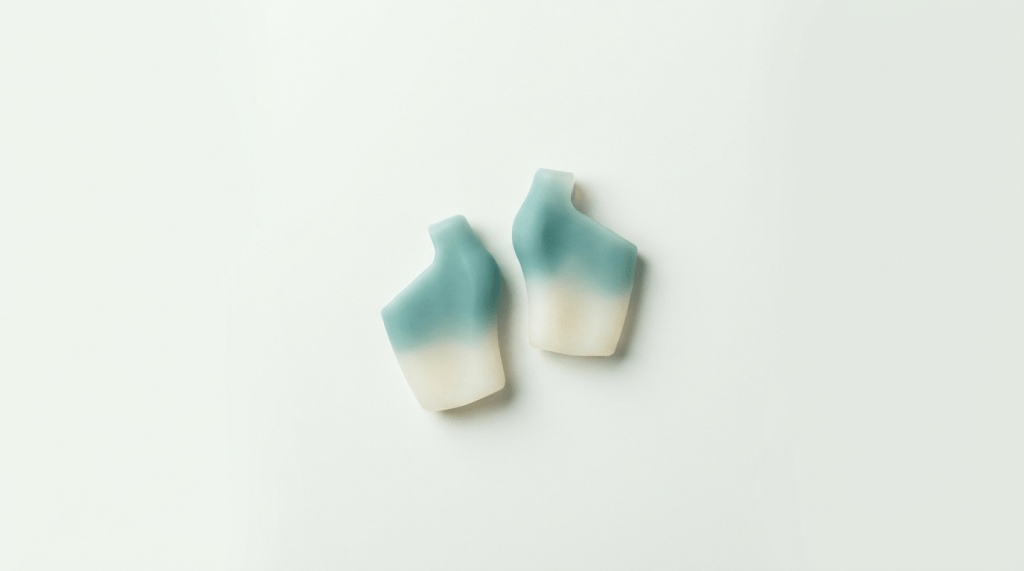
Soft gel toe spacers are typically small, discreet pieces of medical-grade silicone or gel designed to fit between the big toe and the second toe. Their primary function is to gently push the big toe away from the others, reducing the pressure and friction that can exacerbate bunion pain. They are excellent for those who experience mild to moderate bunion pain during daily activities or when wearing shoes, as their flexible nature allows for comfortable movement. The soft material also provides a cushioning effect, which can be particularly soothing for sensitive bunion joints. Many users find these beneficial for preventing calluses and corns that can form between toes due to misalignment. They are also easy to clean and reusable, making them a cost-effective solution for ongoing relief.
- Pros: Discreet, comfortable for daily wear, can be worn with most shoes, provides cushioning, easy to clean, affordable.
- Cons: May not provide significant correction for severe bunions, can sometimes shift out of place with vigorous activity.
Recommendation: For a versatile and comfortable option to wear throughout the day, consider soft gel toe spacers available online.
Fabric-Lined Bunion Correctors with Gel
Best For: All-day wear, preventing friction and rubbing, providing moderate correction, and enhancing comfort inside footwear.
These separators combine the best of both worlds: a soft, breathable fabric sleeve that fits over the foot, often with an integrated gel pad or separator. The fabric component helps to hold the gel separator securely in place, preventing slipping and bunching, which is a common issue with standalone gel spacers during prolonged activity. The fabric also creates a barrier between your skin and your shoes, significantly reducing friction and preventing blisters or irritation on the bunion area. The gel component provides the necessary separation and cushioning for the big toe. This design is particularly well-suited for individuals who need continuous support and protection throughout their workday or during extended periods of walking, as it offers a blend of stability, comfort, and protection.
- Pros: Stays in place better than standalone spacers, reduces friction and irritation, comfortable for all-day wear, provides both cushioning and separation.
- Cons: Can be bulkier than simple gel spacers, may not fit in all types of shoes, requires more frequent washing.
Recommendation: For a secure and comfortable option that provides both protection and separation, look for fabric-lined bunion correctors on Amazon.
Night Splints/Bunion Correctors
Best For: Overnight correction, more significant bunion deviation, and providing a sustained stretch to soft tissues.
Night splints are designed for use while resting or sleeping, providing a more rigid and consistent alignment correction than daytime separators. These devices typically consist of a brace or strap system that gently pulls the big toe away from the other toes, holding it in a corrected position. The goal is to stretch the tight soft tissues around the bunion joint, gradually improving alignment over time. Because they are worn during periods of inactivity, they can apply more sustained pressure without interfering with walking or daily tasks. While they won’t “cure” a bunion, consistent use can help slow its progression, reduce pain, and improve the range of motion. It’s important to start with shorter wear times and gradually increase as tolerated.
- Pros: Provides sustained, consistent correction; can be effective for more severe bunions; may reduce morning stiffness and pain.
- Cons: Not for daytime use or walking, can feel restrictive initially, may not be comfortable for all sleepers.
Recommendation: To work on alignment while you sleep, consider a comfortable night splint or bunion corrector from a reputable brand.
Yoga/Exercise Toe Spreaders
Best For: Foot strengthening, improving overall toe alignment, post-activity recovery, and enhancing foot awareness.
Unlike targeted bunion separators, yoga toe spreaders are designed to separate all toes, encouraging a more natural splay and improving the overall strength and flexibility of the foot muscles. These are often made from soft, flexible gel or silicone and fit over all five toes. While they don’t provide direct correction for the bunion itself, by strengthening the intrinsic foot muscles and improving general toe alignment, they can indirectly support the foot structure and potentially alleviate some bunion-related discomfort. They are ideal for use during yoga, meditation, or simply while relaxing at home. Regular use can help counteract the effects of narrow shoes, improve balance, and promote healthier foot mechanics.
- Pros: Promotes overall foot health, strengthens foot muscles, improves balance and flexibility, comfortable for relaxation.
- Cons: Not a direct bunion corrector, typically not worn with shoes, may feel unusual at first.
Recommendation: To improve overall foot health and muscle strength, explore yoga/exercise toe spreaders for home use.
Single-Toe Bunion Shields/Pads
Best For: Targeted protection, preventing friction, cushioning the bunion joint, and enhancing shoe comfort.
These products are specifically designed to protect the bunion itself while often including a small, integrated toe separator. The main component is a soft pad, usually made of gel or silicone, that covers the bunion joint, shielding it from rubbing against shoes. This immediate protection can provide significant pain relief by reducing friction and pressure. The small toe separator, typically positioned between the big toe and the second toe, offers a gentle push for alignment without being the primary focus. They are excellent for individuals who primarily suffer from external irritation and pain caused by shoe contact, combined with a mild need for toe separation. They are generally thin and discreet, making them suitable for most footwear.
- Pros: Excellent for immediate pain relief from shoe friction, discreet, provides cushioning, gentle toe separation.
- Cons: Less focus on significant toe alignment correction, may need to be adjusted periodically.
Recommendation: For targeted bunion protection and gentle separation, consider single-toe bunion shields with pads for everyday wear.
Shop Jaws Podiatry on Amazon
Podiatrist-formulated foot-care products for fungus, calluses, and cracked heels.
Visit the Jaws Podiatry Store →As an Amazon Associate we earn from qualifying purchases.
Comparison Table
| Best For | Key Feature | Watch-Out |
|---|---|---|
| Everyday comfort, mild bunion pain | Discreet, flexible gel for gentle separation | May shift during vigorous activity; limited corrective power. |
| All-day wear, friction reduction, moderate correction | Fabric sleeve holds gel separator in place, reduces rubbing. | Can be bulkier; requires regular washing to stay hygienic. |
| Overnight correction, significant bunion deviation | Rigid brace/strap provides sustained alignment while sleeping. | Not for walking; can be uncomfortable initially; consistency is key. |
| Foot strengthening, overall toe alignment, recovery | Separates all toes to improve foot mechanics and flexibility. | Not a direct bunion corrector; typically worn without shoes. |
| Targeted protection, shoe friction, mild separation | Padded shield over bunion with integrated small separator. | Primary focus is protection, less on significant toe correction. |
How to Use / Care Tips
To get the most out of your toe separators and ensure proper foot hygiene, follow these guidelines:
- Start Gradually: If you’re new to toe separators, begin by wearing them for short periods (e.g., 15-30 minutes) and gradually increase the duration as your feet adjust. This helps prevent discomfort or irritation.
- Clean Regularly: Most silicone and gel separators are washable. Clean them daily with mild soap and warm water, then air dry completely. This prevents bacterial growth and maintains hygiene. Fabric-lined options may require hand washing and air drying.
- Wear with Appropriate Footwear: For daytime separators, choose shoes with a wide toe box that can accommodate the separator without causing pressure or squeezing. Avoid shoes that are too tight, as this can negate the benefits and cause further irritation.
- Listen to Your Body: If you experience pain, numbness, tingling, or increased discomfort while wearing a toe separator, remove it immediately. Your body is telling you it’s not the right fit, or you might be wearing it for too long.
- Inspect Your Feet Daily: Especially if you have diabetes, neuropathy, or poor circulation, it’s crucial to inspect your feet daily for any signs of skin irritation, redness, blisters, or pressure sores. Toe separators are generally safe, but any new device on the foot can potentially cause issues if not monitored.
- Replace When Worn: Over time, materials can lose their elasticity or tear. Replace your toe separators when they show signs of wear and tear to ensure they remain effective and hygienic.
- Consult a Podiatrist: While toe separators can provide significant relief, they are not a cure for bunions. If you have diabetes, neuropathy, or poor circulation, or if your bunion pain is severe, worsening, or affecting your daily life, always consult a podiatrist before starting any new foot care regimen, including the use of toe separators. A professional can provide a proper diagnosis and recommend the best course of action.
Key Takeaways
- Toe separators offer a non-invasive way to manage bunion pain, reduce friction, and encourage better toe alignment.
- The best type of separator depends on your specific needs: soft gel for daily comfort, fabric-lined for secure all-day wear, night splints for consistent overnight correction, or yoga spreaders for overall foot health.
- Look for durable, comfortable, and easy-to-clean materials like medical-grade silicone or gel.
- Gradual introduction and consistent use are key to maximizing the benefits of toe separators.
- Always prioritize comfort and consult a podiatrist if you have underlying health conditions or experience persistent pain.
Related Guides
Related Guides
Frequently Asked Questions
Do toe separators actually fix bunions?
No, toe separators do not “fix” bunions in the sense of reversing the bony deformity. Bunions are a progressive condition, and once the bone structure has changed, only surgery can physically correct it. However, toe separators can be highly effective in managing symptoms by reducing pain, slowing down the progression of the bunion, improving toe alignment, and preventing friction and rubbing. They help stretch tight soft tissues and strengthen foot muscles, which can significantly improve comfort and foot function.
How long should I wear toe separators each day?
The duration depends on the type of separator and your comfort level. For daytime separators, start with 15-30 minutes daily and gradually increase to a few hours or even all day, if comfortable and if the separator fits well within your shoes. Night splints are designed for overnight wear, typically 6-8 hours. Always listen to your body; if you experience any pain or discomfort, remove the separator and reduce wear time. Consistency is more important than prolonged wear in the initial stages.
Can I wear toe separators with shoes?
Many types of toe separators, especially


Leave a Reply