Shop Jaws Podiatry on Amazon
Podiatrist-formulated foot-care products for fungus, calluses, and cracked heels.
Visit the Jaws Podiatry Store →As an Amazon Associate we earn from qualifying purchases.
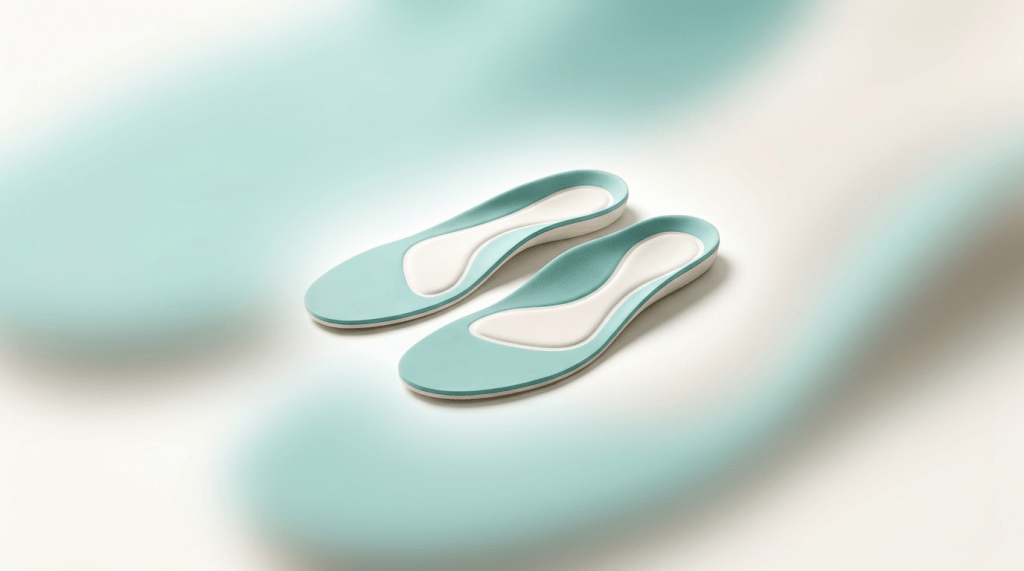
Finding the best plantar fasciitis insoles can significantly alleviate heel pain and discomfort, offering much-needed support and cushioning. The most effective insoles for plantar fasciitis typically feature robust arch support, deep heel cups for stability, and shock-absorbing materials to reduce strain on the plantar fascia.
What to Look For in Plantar Fasciitis Insoles
When searching for the ideal insoles to manage plantar fasciitis, several key features contribute to their effectiveness and your overall comfort. Prioritizing these elements will help you make an informed choice.
- Arch Support: This is paramount. Plantar fasciitis often stems from inadequate arch support, leading to overstretching of the plantar fascia. Look for insoles that provide firm, contoured support specific to your arch type (low, medium, or high) to properly distribute pressure and reduce strain.
- Heel Cushioning and Deep Heel Cup: A well-cushioned heel pad helps absorb impact during walking or running, protecting the sensitive heel area. A deep heel cup cradles the heel, enhancing natural fat pad cushioning and providing stability, which prevents excessive pronation (inward rolling of the foot).
- Material: Insoles come in various materials, each offering different benefits:
- EVA Foam: Lightweight, durable, and provides good shock absorption and flexibility.
- Gel: Excellent for cushioning and shock absorption, often used in heel or forefoot pads.
- Cork: Molds to your foot over time, offering customized support, but can be less flexible.
- Polypropylene/Plastic: Used for the rigid base, offering firm, structural arch support.
- Durability: Insoles endure constant pressure and friction. High-quality materials and construction will ensure they maintain their support and cushioning properties over time, providing lasting relief.
- Fit and Sizing: Proper fit is crucial. Insoles should match your shoe size and foot shape. Many are trimmable for a precise fit, but ensure the arch support aligns correctly with your foot’s arch.
- Shoe Compatibility: Consider the types of shoes you’ll be wearing them in. Some insoles are bulky and best suited for athletic shoes or roomy casual footwear, while others have a slimmer profile for dress shoes or boots.
- Rigidity vs. Flexibility: The ideal insole strikes a balance. Too rigid, and it might be uncomfortable; too flexible, and it won’t offer enough support. Semi-rigid insoles often provide the best combination of support and comfort for plantar fasciitis sufferers.
Shop Jaws Podiatry on Amazon
Podiatrist-formulated foot-care products for fungus, calluses, and cracked heels.
Visit the Jaws Podiatry Store →As an Amazon Associate we earn from qualifying purchases.
Top Picks for Plantar Fasciitis Insoles
Navigating the vast market of insoles can be overwhelming. Here, we break down different types of insoles that are highly effective for managing plantar fasciitis, catering to various needs and preferences.
Insoles for High Arch Support and Stability
For individuals with higher arches or those who overpronate (feet roll inward excessively), insoles specifically designed with robust, semi-rigid arch support are essential. These types of insoles help to redistribute pressure away from the plantar fascia, correct foot alignment, and provide stability, which is crucial for reducing strain during daily activities and exercise. They often feature a deeper heel cup and a firmer base material to maintain their structural integrity.
Best For: People with high arches, overpronation, or those who spend long hours on their feet and require maximum stability and support.
- Pros: Excellent motion control, superior arch support, helps correct biomechanical imbalances, durable construction.
- Cons: Can feel rigid initially, may require a break-in period, might not fit well in all types of shoes due to their bulk.
We recommend a high-arch support insole with a firm, anatomical design for superior stability check the current price on Amazon.
Cushioned Gel Insoles for Shock Absorption
Cushioned gel insoles prioritize shock absorption and comfort, making them ideal for individuals who experience significant impact during their daily activities, such as runners, walkers, or those with jobs requiring prolonged standing on hard surfaces. The gel components, often strategically placed in the heel and forefoot, help to dampen forces and provide a softer landing, reducing the stress on the plantar fascia and surrounding tissues.
Best For: Athletes, active individuals, people with jobs requiring extensive standing or walking, or those seeking maximum cushioning and impact protection.
- Pros: Excellent shock absorption, immediate comfort, can reduce fatigue, often thinner and more flexible than rigid options.
- Cons: May offer less structural arch support compared to semi-rigid or firm insoles, can wear out faster with heavy use, some may find them too soft.
Consider a high-quality gel-cushioned insole designed for active use to absorb impact effectively check the current price on Amazon.
Semi-Rigid Orthotic Insoles for Balanced Support
Semi-rigid orthotic insoles strike a balance between firm support and comfortable flexibility. They typically feature a durable, supportive core (often made of EVA foam or polypropylene) with a softer top layer for cushioning. This combination provides excellent arch support and heel stability without feeling overly stiff, making them a versatile choice for a wide range of users and shoe types. They gently guide the foot into a more optimal position, reducing strain on the plantar fascia.
Best For: General everyday use, individuals seeking a good balance of support and comfort, those new to orthotic insoles, and people who wear various types of footwear.
- Pros: Versatile, offers good arch support and cushioning, aids in proper foot alignment, suitable for most foot types.
- Cons: May not provide enough rigidity for severe overpronators or enough cushioning for high-impact activities.
A well-regarded semi-rigid insole is an excellent all-around choice for daily plantar fasciitis relief check the current price on Amazon.
Low-Profile Insoles for Dress Shoes and Everyday Footwear
Many effective plantar fasciitis insoles can be quite bulky, making them unsuitable for dress shoes, flats, or shoes with a tighter fit. Low-profile insoles are specifically designed to offer essential arch support and heel cushioning in a slimmer package. While they may not provide the same level of robust support as their bulkier counterparts, they allow individuals to maintain comfort and support in a wider range of footwear, preventing symptom flare-ups in less accommodating shoes.
Best For: Dress shoes, loafers, flats, or any footwear with limited space where bulkier insoles won’t fit.
- Pros: Fits discreetly into most shoes, provides necessary support without adding bulk, allows for wider shoe compatibility.
- Cons: Less aggressive arch support and cushioning compared to full-sized insoles, may not be sufficient for severe plantar fasciitis or high-impact activities.
For those needing relief in dressier shoes, a slim-design insole with targeted arch support is ideal check the current price on Amazon.
Customizable Heat-Moldable Insoles
Customizable heat-moldable insoles offer a personalized fit without the expense of custom orthotics. These insoles typically use a thermoplastic material that softens when heated (often in an oven or with a hairdryer), allowing them to be molded to the unique contours of your foot as you stand or walk on them. This creates a semi-custom fit that provides targeted support where your foot needs it most, adapting to your specific arch shape and pressure points.
Best For: Individuals seeking a more personalized fit than off-the-shelf options, those with unique foot shapes, or as a stepping stone before considering full custom orthotics.
- Pros: Personalized fit for enhanced comfort and support, cost-effective alternative to custom orthotics, can adapt to minor foot asymmetries.
- Cons: Requires a molding process (which must be done correctly), may not achieve the same precision as professional custom orthotics, can be less durable than fully rigid options.
If you’re looking for a personalized fit, consider a heat-moldable insole to conform to your unique foot shape check the current price on Amazon.
| Best For | Key Feature | Watch-Out |
|---|---|---|
| High Arches & Overpronation | Rigid Arch Support & Deep Heel Cup | May be bulky for some shoes; break-in period |
| Active Individuals & High Impact | Max Cushioning & Gel Shock Absorption | Less structural support; may wear faster |
| Everyday Use & General Relief | Balanced Semi-Rigid Support & Cushioning | May not suit severe cases or extreme activities |
| Dress Shoes & Tighter Footwear | Slim Profile with Targeted Support | Reduced overall support and cushioning |
| Personalized Fit (Non-Custom) | Heat-Moldable for Custom Contours | Requires proper molding process; less precise than custom |
How to Use / Care Tips for Your Plantar Fasciitis Insoles
To get the most out of your plantar fasciitis insoles and ensure they provide lasting relief, proper usage and care are essential.
- Break-in Period: Just like new shoes, insoles often require a break-in period. Start by wearing them for a few hours a day and gradually increase the wear time over a week or two. This allows your feet to adjust to the new support and alignment, preventing discomfort.
- Remove Existing Insoles: Most athletic and casual shoes come with removable insoles. Always remove these before inserting your new plantar fasciitis insoles. This ensures proper fit and prevents overcrowding within the shoe, which can lead to discomfort or blisters.
- Trimming for Fit: Many insoles are designed to be trimmed to fit your shoe size precisely. Use the original insole from your shoe as a template, or follow the trimming guidelines provided by the manufacturer. Trim gradually, checking the fit as you go, to avoid cutting too much.
- Shoe Compatibility: Not all insoles fit all shoes. Bulkier orthotic insoles are best suited for athletic shoes, roomy boots, or casual shoes. For dress shoes or narrower footwear, opt for a low-profile insole.
- Cleaning: Most insoles can be cleaned with mild soap and water. Avoid submerging them or putting them in a washing machine, as this can damage the materials or adhesive. Allow them to air dry completely before reinserting them into your shoes.
- When to Replace: Insoles don’t last forever. Over time, the materials compress and lose their supportive and cushioning properties. A general guideline is to replace them every 6-12 months, or sooner if you notice visible wear and tear, a decrease in comfort, or a return of your plantar fasciitis symptoms.
Safety Note: If you have diabetes, neuropathy, or poor circulation, it’s especially important to consult with a podiatrist before introducing new insoles or making significant changes to your foot care routine. They can ensure the insoles are appropriate for your specific condition and prevent potential complications.
Key Takeaways
- The best plantar fasciitis insoles feature strong arch support, deep heel cups, and shock-absorbing materials.
- Consider your arch type, activity level, and shoe compatibility when choosing insoles.
- Insoles require a break-in period; start gradually to allow your feet to adjust.
- Proper care, including cleaning and timely replacement, extends the life and effectiveness of your insoles.
- While insoles provide significant relief, they are part of a comprehensive treatment plan for plantar fasciitis.
Related Guides
Related Guides
Frequently Asked Questions
How long does it take for insoles to work for plantar fasciitis?
The time it takes for insoles to provide relief for plantar fasciitis can vary. Many people experience some improvement within a few days to a week, especially after the initial break-in period. However, significant and lasting relief may take several weeks as your foot adjusts to the new support and the inflammation in the plantar fascia subsides. Consistency in wearing the insoles is key.
Can I wear plantar fasciitis insoles in all my shoes?
Ideally, yes, you should aim to wear supportive insoles in as many of your shoes as possible, especially those you wear for extended periods. However, the bulkiness of some insoles may limit their compatibility with certain types of footwear, like dress shoes or sandals. For these, you might need a dedicated low-profile insole or consider other supportive footwear options.
Should I get custom orthotics or off-the-shelf insoles for plantar fasciitis?
Off-the-shelf insoles are an excellent starting point for many plantar fasciitis sufferers due to their accessibility and lower cost. They provide general support and cushioning that can be very effective. Custom orthotics, prescribed by a podiatrist, are tailored precisely to your foot’s unique biomechanics. They are often recommended for severe or persistent cases, significant foot deformities, or when off-the-shelf options haven’t provided sufficient relief. A podiatrist can help determine which option is best for you.
What’s the difference between insoles and orthotics?
The terms are often used interchangeably, but there’s a distinction. “Insoles” generally refers to over-the-counter shoe inserts that provide cushioning, arch support, or shock absorption. “Orthotics,” specifically “custom orthotics,” are medical devices prescribed by a podiatrist after a thorough examination of your foot structure and gait. They are custom-made to correct specific biomechanical issues and are designed to provide more precise and targeted support than generic insoles.
Can insoles cure plantar fasciitis?
Insoles are a crucial tool in managing and treating plantar fasciitis symptoms, but they typically don’t “cure” the condition on their own. They work by providing support, cushioning, and proper foot alignment, which helps reduce strain on the plantar fascia and allows it to heal. For a complete recovery, insoles are best used as part of a comprehensive treatment plan that may also include stretching exercises, icing, anti-inflammatory measures, and sometimes physical therapy. For very stubborn cases, you may also consider a high-quality topical cream designed for heel pain or


Leave a Reply